
The safest comforter blanket for kids is one crafted from highly breathable, hypoallergenic, and non-toxic materials that actively prevent overheating and skin irritation. In tropical climates like the Philippines, where high humidity and warm temperatures are constant, choosing the right combination of shell fabric and inner fill is crucial for a child’s sleep quality and skin health. Parents must look for natural, tightly woven outer fabrics paired with lightweight, breathable fills, while verifying safety certifications to ensure the bedding is free from harmful chemical residues.
Selecting children’s bedding requires balancing comfort with strict safety considerations. Because children have thinner, more sensitive skin and less developed temperature regulation systems than adults, the materials that surround them for eight to twelve hours a night can directly impact their physical well-being. By understanding how different fibers behave under humid conditions and learning how to read product labels, caregivers can make informed decisions that support a safe, restful sleep environment.
Key Safety Factors to Check in Kids' Bedding Materials
Temperature regulation and breathability are the primary safety factors to evaluate when choosing a comforter blanket for kids. Children’s bodies heat up quickly, and excess warmth during sleep can lead to discomfort, night sweats, and heat rash. A safe comforter must allow air to circulate freely and moisture to evaporate quickly, preventing the damp, warm environment where bacteria and mold thrive.
Products mentioned in this guide
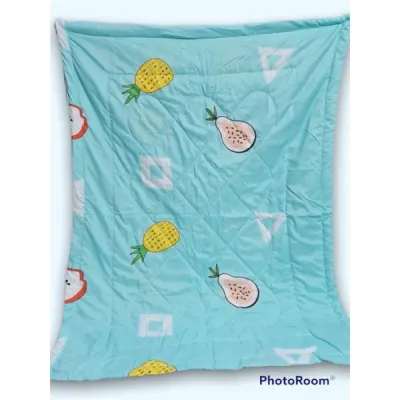
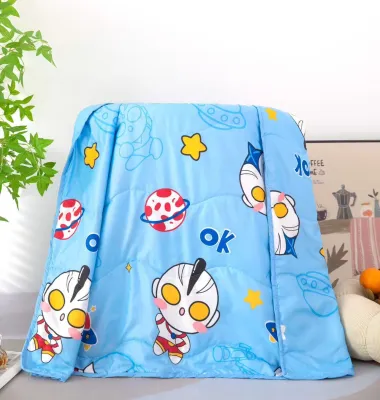
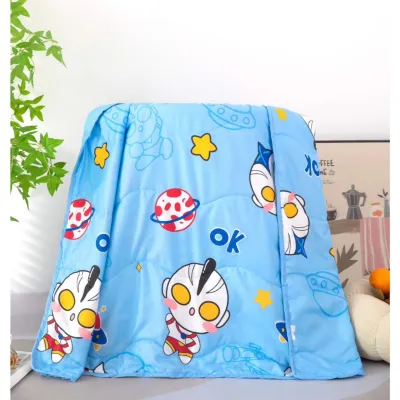
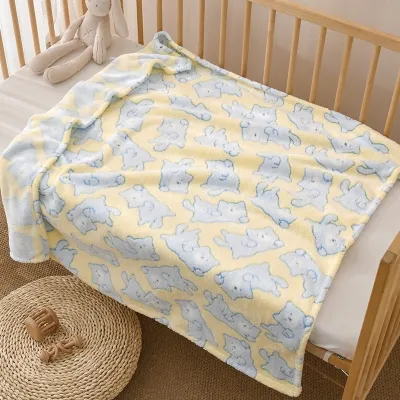
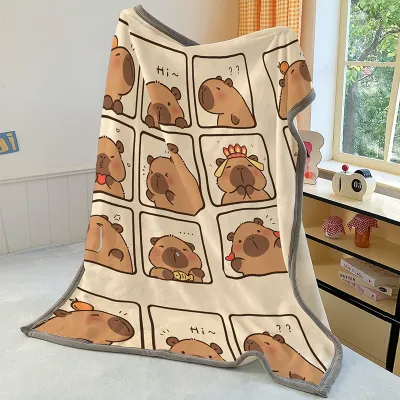
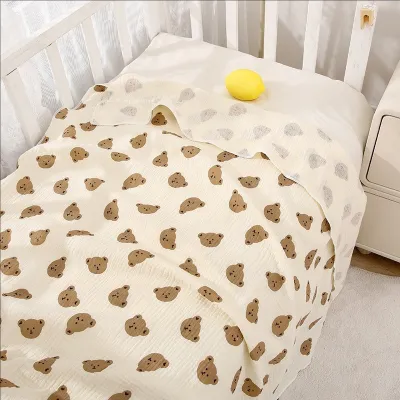
Prices are valid at publication and may change. Please refer to the product page for the latest price.
Hypoallergenic properties are equally vital, especially for children prone to respiratory issues or skin sensitivities. Dust mites are a leading trigger for nighttime allergies and asthma, and they multiply rapidly in humid tropical settings. Choosing materials that naturally resist dust mite colonization, or those that can withstand frequent high-temperature washing, helps maintain a clean and allergen-free sleeping surface.
Chemical safety is another critical dimension that parents must verify. Many conventional textiles are treated with harsh chemical finishes, heavy metal dyes, or chemical flame retardants to meet industrial standards. These substances can off-gas into the air or rub off on a child’s skin, potentially causing contact dermatitis or respiratory irritation. Prioritizing untreated, naturally processed fibers minimizes these chemical risks.
How to Evaluate Common Comforter Shell Fabrics
Natural fibers are widely considered the safest choice for the outer shell of a child’s comforter. Cotton is the industry standard due to its exceptional breathability, softness, and durability. When evaluating cotton shells, look for organic options with a tight weave, such as percale, which provides a smooth surface that resists dust mite penetration while remaining cool to the touch.

Bamboo-derived fabrics, such as bamboo rayon or lyocell, are also excellent options for tropical climates. These fibers are naturally moisture-wicking and highly breathable, helping to keep sweat away from a child’s skin during warm nights. However, because the manufacturing process for bamboo textiles can vary, parents should check for organic processing certifications to ensure no harmful chemical residues remain in the finished fabric.
Synthetic fabrics and blends, such as polyester microfiber, are highly durable and budget-friendly, but they require careful consideration. While synthetics are resistant to wrinkling and dry quickly, they tend to trap heat and moisture close to the body. If you choose a synthetic blend, ensure it is specifically engineered for breathability, though natural fibers remain the preferred choice for children with highly sensitive skin.
Texture assessment is a practical step every parent should perform before introducing new bedding. Run your hand over the fabric to check for roughness, stiff finishes, or heavy decorative embroidery that could rub against a child’s face or limbs. A smooth, friction-free surface is essential for preventing mechanical skin irritation, especially for active sleepers who move frequently throughout the night.
Choosing the Right Comforter Fill for Allergies
Natural fills like cotton, silk, or wool offer excellent temperature regulation but come with specific maintenance requirements. Cotton fill is lightweight and breathable, making it ideal for warm climates, though it can clump over time if not quilted properly. Silk fill is naturally hypoallergenic and resists dust mites, but it often requires specialized dry cleaning, which may introduce unwanted chemical solvents to the bedding.
Synthetic fills, such as hypoallergenic polyester microfiber, are highly popular because they are easy to wash and dry. These fills do not harbor organic allergens and are highly resilient against frequent laundering. However, low-quality synthetic fills can clump easily, creating uneven patches that trap heat, and some may release a mild chemical odor when first unpacked, requiring thorough airing out before use.
Alternative fills, such as those made from eucalyptus fibers (lyocell), offer a balanced solution for sensitive children. These fills provide the moisture-wicking benefits of natural fibers with the easy care of synthetics. Regardless of the fill material you choose, always verify that the weight of the comforter is appropriate for your local climate; a lightweight or “all-season” fill is much safer and more comfortable than a heavy, dense alternative.
How to Verify Bedding Labels and Safety Certifications
Because chemical treatments and fiber processing methods are invisible to the eye, parents must rely on credible third-party certifications. Look for the OEKO-TEX® Standard 100 label, which guarantees that every component of the comforter—including the fabric, fill, sewing threads, and zippers—has been rigorously tested for harmful levels of toxic substances. This certification is globally recognized and highly reliable.
Another key standard to look for is the Global Organic Textile Standard (GOTS). A GOTS certification ensures that the product contains a high percentage of certified organic fibers and has been manufactured under strict environmental and social criteria, without the use of toxic heavy metals, formaldehyde, or aromatic solvents. This is the gold standard for organic cotton and wool bedding.
Carefully read the care label on the comforter before making a purchase. A safe kids’ comforter must be easy to clean and sanitize at home. Look for labels that allow machine washing at warm temperatures, as this is essential for removing sweat, skin flakes, and dust mites. Avoid bedding labeled “dry clean only,” as the chemical solvents used in commercial dry cleaning can linger in the fabric and irritate a child’s respiratory system.
Be cautious of vague marketing terms such as “eco-friendly,” “all-natural,” or “hypoallergenic” when they are not backed by verifiable certification logos. Reputable manufacturers will clearly display their certification license numbers on the product packaging or website. Taking a few moments to verify these details online can protect your child from misleading safety claims.
Maintaining Your Comforter to Preserve Material Safety
Proper maintenance is essential to keep a high-quality comforter safe and hygienic over time. Wash the comforter blanket for kids every one to two weeks, or immediately following any spills, diaper leaks, or illnesses. Use a mild, liquid detergent that is free from fragrances, dyes, and optical brighteners, as these additives can build up in the fabric fibers and trigger skin flare-ups.
Avoid using liquid fabric softeners or dryer sheets with children’s bedding. These products work by coating the fabric fibers with a thin layer of chemicals to make them feel softer, which significantly reduces the breathability and moisture-wicking capabilities of the material. Instead, use clean wool dryer balls in the dryer to naturally soften the fabric and keep the inner fill evenly distributed.
In humid tropical regions, ensuring the comforter is completely dry after washing is critical to prevent the growth of mold, mildew, and musty odors. Line drying in direct sunlight is highly effective, as natural UV rays help sanitize the fabric. If using a clothes dryer, select a low-to-medium heat setting and ensure the inner fill is entirely dry to the core before placing the comforter back on your child’s bed.
Regularly inspect the comforter for signs of wear and tear that could compromise safety. Check for loose threads, thinning fabric, or shifting fill that creates cold spots or lumps. If the fabric shell tears, synthetic or natural fill fibers can escape, presenting a potential inhalation or choking hazard for young children. Replace the comforter immediately if the fill becomes permanently clumped, if fabric tears occur, or if persistent musty odors remain after washing.
Frequently Asked Questions (FAQ)
Can a comforter blanket for kids cause eczema flare-ups?
Yes, certain comforter materials and maintenance habits can trigger or worsen childhood eczema. Rough fabric textures, synthetic fibers that trap sweat and heat, and chemical residues from harsh detergents or fabric softeners are common culprits. In warm, humid climates, trapped sweat in the folds of a child’s skin is a major eczema trigger. If your child experiences persistent skin redness, itching, or dry patches, stop using the comforter immediately, switch to a lightweight organic cotton sheet, and consult a pediatrician or dermatologist for professional medical advice.
Are weighted comforters safe for young children?
Weighted bedding is generally not safe for infants, toddlers, or very young children due to the serious risks of suffocation, restricted chest movement, and overheating. If you are considering a weighted comforter for an older child, you must verify the manufacturer’s strict minimum age and weight requirements, ensuring the blanket does not exceed ten percent of the child’s total body weight. Never use weighted bedding without active caregiver supervision, and always consult a pediatrician or occupational therapist before introducing a weighted blanket to your child’s sleep routine.
Community discussion
Share your experience or ask a question. Comments are reviewed before publication.