
Carminative balms, traditionally known in the Philippines as balsamo carminativo, are popular topical remedies used by parents to help soothe infant discomfort associated with trapped gas, bloating, and colic. While these aromatic preparations have been trusted for generations, choosing the safest option for your baby requires a careful look at modern pediatric safety standards. Because an infant’s skin barrier is exceptionally thin and highly permeable, and their respiratory system is highly sensitive to strong vapors, not all traditional balms are suitable for newborns or young infants. Ensuring safety means looking beyond familiar packaging to verify ingredients, age indications, and regulatory approvals.
To navigate the local market safely, parents must learn to evaluate product labels, identify potential irritants, and follow precise application guidelines. Rather than relying on universal recommendations or unverified online reviews, the safest approach involves checking for specific pediatric formulations, understanding the limits of topical relief, and consulting your pediatrician. This guide outlines the essential criteria for selecting, verifying, and applying carminative balms to keep your baby comfortable and safe.
Understanding Carminative Balms and Infant Safety
Carminative balms are topical preparations designed to provide a warming sensation and release soothing aromatic vapors when massaged onto the skin. Unlike standard baby lotions, which primarily aim to hydrate the skin barrier, or basic baby massage oils used for lubrication, carminative balms contain active aromatic compounds or mild herbal extracts. These ingredients are selected specifically for their traditional association with relieving digestive discomfort, muscle relaxation, and sensory soothing.
Products mentioned in this guide
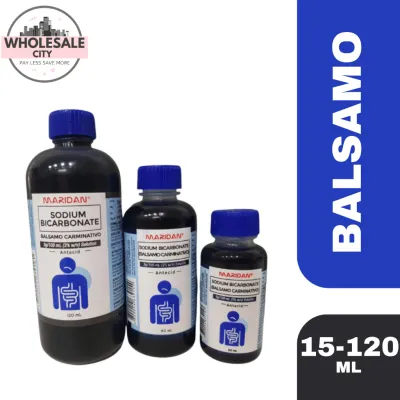
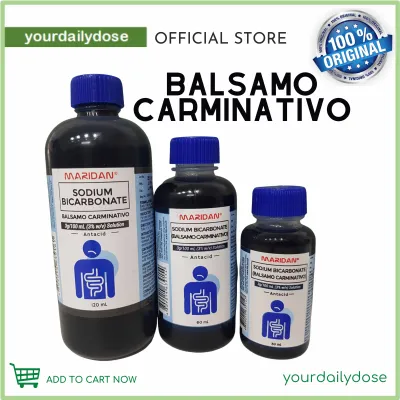
Prices are valid at publication and may change. Please refer to the product page for the latest price.
The physical act of massage combined with the mild warming effect of a safe balm can help stimulate circulation and encourage the movement of trapped gas through the digestive tract. This sensory stimulation can also serve as an effective distraction for a fussy baby, helping to lower stress levels for both the infant and the caregiver. However, the very properties that make these balms aromatic and warming present unique physiological risks to infants that must be carefully managed.
An infant’s digestive system is still highly immature during the first few months of life, which is why issues like gas, bloating, and colic are incredibly common. Because their bodies are still adapting to processing milk, gas bubbles can easily become trapped, causing sudden discomfort and crying. While topical balms can offer a comforting sensory experience, they do not address the underlying physiological development of the digestive tract, which is why they should be viewed as supportive comfort measures rather than primary treatments.
A baby’s skin is up to thirty percent thinner than adult skin, meaning topical substances are absorbed much more rapidly and deeply into the bloodstream. Additionally, the ratio of skin surface area to body weight in infants is much higher than in adults, which significantly increases the systemic exposure to any topically applied chemical or oil. This high permeability means that ingredients that are perfectly safe for adult skin can quickly become toxic or irritating when applied to an infant.
Respiratory sensitivity is another critical factor when introducing aromatic balms to a baby’s environment. Strong scents, volatile organic compounds, and intense vapors can easily irritate an infant’s developing airways, leading to coughing, congestion, or even bronchospasms in sensitive babies. This is why adult-strength formulations, which often rely on high concentrations of volatile oils, are entirely unsuitable and potentially dangerous for young children.
Given these physiological differences, parents should never assume a traditional remedy is safe simply because it is widely available or has been used historically. Before introducing any topical carminative product to address symptoms of colic, gas, or persistent fussiness, obtaining professional pediatric advice is a vital first step. A pediatrician can help rule out underlying medical conditions that require targeted treatment rather than topical comfort measures.
Essential Selection Criteria for Baby Balms
When shopping for a baby carminative balm in local pharmacies, supermarkets, or online marketplaces, parents must look for specific indicators of safety and quality on the product packaging. The first and most critical step is to verify the manufacturer’s explicit age and weight guidelines. A product that is safe for a toddler of twelve months may contain ingredients that are too harsh for a newborn or a three-month-old infant, making age-specific labeling non-negotiable.

Always prioritize products that carry clear, verifiable labels indicating they are hypoallergenic, dermatologically tested, and formulated specifically for pediatric use. These designations suggest that the product has undergone standardized testing to minimize the risk of skin irritation and allergic reactions. However, because labeling terms can sometimes be used loosely in marketing, parents should look for reputable brands that provide transparent ingredient lists and clear manufacturing details.
In the tropical climate of the Philippines, high temperatures and humidity can accelerate the degradation of natural ingredients in skincare products. This makes checking the expiration date and shelf-life symbols on the packaging absolutely critical before purchase. Additionally, look for clearly printed batch codes or lot numbers, which are essential for tracking product quality and verifying that the item is not part of any active manufacturer recalls.
Packaging safety and hygiene features are equally important when selecting a balm. Choose products housed in secure, hygienic containers that prevent contamination during use, such as tubes or pump dispensers, or jars with secure, tamper-evident seals. A tamper-evident seal ensures the product has not been opened, diluted, or contaminated during transit or storage, which is especially crucial when purchasing from third-party sellers on ecommerce platforms.
Finally, always confirm that the carminative balm is registered with the Food and Drug Administration (FDA) of the Philippines. Local registration indicates that the product has met national safety, quality, and labeling standards before being offered to the public. You can verify this by checking the packaging for an FDA registration number or searching the official government database, helping you avoid counterfeit, unregistered, or substandard products that may contain harmful contaminants.
Ingredients to Prioritize and Avoid
Decoding the ingredient list on a baby balm is the most reliable way to ensure its safety. Safe pediatric balms typically utilize gentle, nourishing base ingredients that protect the skin barrier while delivering mild soothing benefits. Look for high-quality emollients such as sunflower seed oil, coconut oil, shea butter, or jojoba oil, which mimic the skin’s natural lipids and provide a smooth glide for massage without clogging delicate pores.
It is important to understand that “natural” does not automatically mean safe when it comes to infant skincare. Many natural essential oils are highly concentrated and contain volatile organic compounds that can easily sensitize a baby’s skin or irritate their respiratory tract. Even botanical extracts that are beneficial for adults can trigger allergic contact dermatitis in infants due to their highly permeable skin barrier, making strict dilution and careful ingredient selection essential.
When it comes to active aromatic ingredients, extreme caution is required. While mild extracts of chamomile, lavender, or very low concentrations of ginger are often used for their calming properties, many traditional carminative ingredients must be avoided or strictly limited. Ingredients like camphor, menthol, and high concentrations of eucalyptus or peppermint oil should never be used on infants or young children. These substances can cause severe respiratory distress, skin irritation, or localized burning sensations on delicate skin.
Synthetic fragrances and artificial colorants are common culprits behind contact dermatitis and allergic reactions in babies. Manufacturers often add these to make products smell appealing or look distinct, but they offer no therapeutic benefit and increase the risk of skin sensitization. Parents should opt for fragrance-free formulations or those that derive their very mild scent exclusively from highly diluted, baby-safe botanical extracts.
Additionally, check the label for common preservatives and stabilizers that might irritate sensitive skin. Parabens, phthalates, mineral oils, and petrolatum are often excluded from modern pediatric formulations to minimize the chemical load on a baby’s developing system. By selecting a balm with a short, transparent ingredient list composed of recognizable, gentle plant-based oils and mild botanicals, you significantly reduce the likelihood of an adverse reaction.
Evaluating Carminative Balms Available in the Philippines
In the Philippines, parents often choose between traditional herbal balms, which have been used for generations, and modern pediatric-formulated balms. Traditional options, often referred to as balsamo carminativo, frequently rely on time-tested recipes but may lack detailed ingredient concentrations or standardized manufacturing processes. Modern pediatric balms, on the other hand, are specifically engineered to meet contemporary safety standards, offering precise ingredient transparency and controlled, low-dose formulations.
To make an informed choice, parents must carefully compare these categories by examining the product labels for exact ingredient percentages and clear safety warnings. If a traditional balm does not list its full ingredients or fails to specify the concentration of active oils, it is safer to choose a modern, pediatric-specific alternative. Transparency in labeling is a key indicator of a manufacturer’s commitment to infant safety and regulatory compliance.
When purchasing carminative balms, whether from physical pharmacies in your local neighborhood or through online marketplaces, verifying product authenticity is paramount. Look for clear batch numbers, manufacturing dates, and expiration dates printed directly on the container or outer box. Avoid purchasing products with smudged print, broken seals, or packaging that looks altered, as these can be signs of counterfeit goods or expired stock that has been repackaged.
To finalize your shortlist, prepare a few specific questions to ask your pediatrician during your baby’s next wellness check. Ask if a carminative balm is appropriate for your baby’s current developmental stage, whether they recommend a specific base oil for your baby’s skin type, and if there are any particular ingredients you should avoid based on your baby’s health history. This personalized professional guidance ensures that your choice aligns perfectly with your infant’s unique needs.
Safe Application and Storage Practices
Even the safest, most gently formulated carminative balm can cause issues if applied incorrectly. Safe application begins with targeting the right areas of the body while strictly avoiding sensitive zones. Gentle massage on the baby’s abdomen, back, or the soles of the feet can help soothe discomfort, but you must never apply balm to the face, nostrils, hands (which babies frequently put in their mouths), or any areas with broken, irritated, or sunburnt skin.
When applying the balm to your baby’s abdomen, using a gentle, structured massage technique can significantly enhance the soothing effect. Use very light pressure and move your fingers in a clockwise direction, following the natural path of your baby’s colon to help guide trapped gas bubbles outward. This physical manipulation, combined with the lubricating glide of a safe balm, is often the primary driver of relief, making a heavy application of the product unnecessary.
Before applying any new balm to your baby’s body, performing a patch test is an essential safety step to rule out localized skin sensitivity. Apply a tiny, pea-sized amount of the balm to a small, clean area of your baby’s skin, such as the inner forearm or the side of the thigh. Monitor the area closely for twenty-four hours, looking for any signs of redness, swelling, tiny bumps, or itching; if any reaction occurs, wash the area immediately with mild soap and water, and do not use the product again.
Proper storage is also critical to maintaining the safety and efficacy of the balm over time. Store the container in a cool, dry place away from direct sunlight, high humidity, and heat sources, which are common in tropical climates like the Philippines. Exposure to heat and light can cause natural oils to go rancid, break down active ingredients, or cause the emulsion to separate, rendering the product ineffective or irritating to the skin. Always ensure the lid is tightly sealed after every use to prevent contamination and evaporation.
Finally, parents must remain vigilant for any physical signs that indicate the product should be discontinued immediately. If you notice your baby developing skin redness, hives, a persistent rash, or showing signs of respiratory discomfort such as rapid breathing, coughing, or wheezing after application, wash the balm off immediately. Seek professional medical advice promptly to address the reaction and ensure your baby’s safety.
Frequently Asked Questions (FAQ)
Can I use adult carminative balm on my baby if I dilute it?
No, you should never use adult carminative balms on babies, even if you attempt to dilute them at home. Adult formulations contain much higher concentrations of active ingredients, such as menthol, camphor, and methyl salicylate, which can be highly toxic to infants even in small amounts. Home dilution is highly imprecise and cannot guarantee a safe, uniform concentration, posing a severe risk of chemical burns, skin absorption toxicity, or acute respiratory distress.
How often can I apply carminative balm to my baby?
You should always follow the specific application frequency and dosage instructions provided by the manufacturer on the product label. Generally, pediatric balms are designed for occasional use during periods of fussiness or gas, rather than continuous daily application. Over-application can lead to skin irritation, clogged pores, or excessive inhalation of aromatic vapors; if your baby requires frequent soothing, consult your pediatrician to address the root cause of their discomfort.
Does carminative balm cure colic?
No, carminative balms do not cure colic or resolve underlying digestive disorders. Colic is a complex, temporary developmental stage characterized by excessive crying, and its exact causes are not fully understood. While a gentle massage with a safe baby balm can provide temporary comfort, sensory distraction, and soothing warmth, it is not a medical cure. If your baby experiences persistent crying, fever, vomiting, or severe digestive distress, seek professional medical evaluation immediately.
Community discussion
Share your experience or ask a question. Comments are reviewed before publication.