
Selecting the safest baby wipes for newborn baby care in the Philippines requires looking beyond eye-catching brand logos and focusing entirely on ingredient lists. Because newborn skin is up to 30% thinner than adult skin, it is highly susceptible to chemical irritation, friction, and environmental moisture. In the warm, humid climate of the Philippines, diaper rash and sweat-related skin issues can develop rapidly, making a gentle wiping routine essential.
There is no single “safest” brand that works universally for every infant, as individual skin reactivity varies. Pediatricians generally recommend using wipes with minimal ingredients—specifically 99% pure water wipes or products that are strictly fragrance-free and hypoallergenic. To ensure maximum safety, parents should verify the specific product line’s ingredient list on the packaging rather than relying solely on brand reputation, prioritizing formulations that are dermatologically tested and pH-balanced to support the skin’s natural protective barrier.
Essential Safety Criteria for Newborn Skin
To evaluate the safety of newborn wipes, caregivers must understand the biological needs of a newborn’s developing skin barrier. At birth, an infant’s skin has a neutral pH, but it quickly transitions to a slightly acidic level (around pH 5.5) over the first few weeks of life. This acidic environment, known as the acid mantle, serves as the first line of defense against harmful bacteria, yeast, and environmental irritants. Using wipes with an incorrect pH can disrupt this barrier, leading to dryness, inflammation, and increased susceptibility to diaper dermatitis.
Products mentioned in this guide
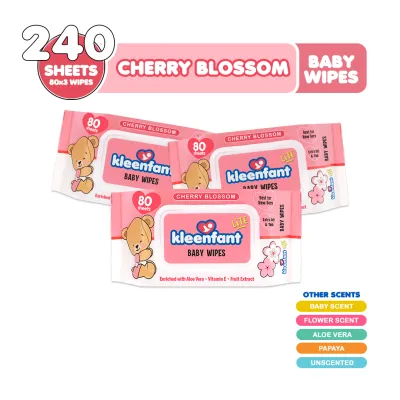
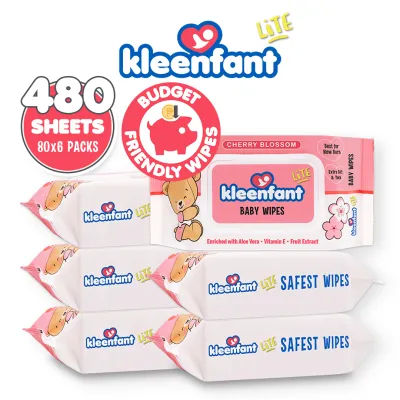
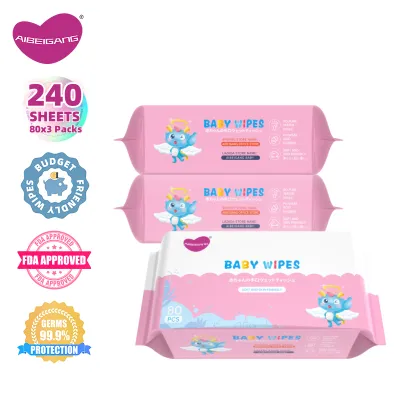

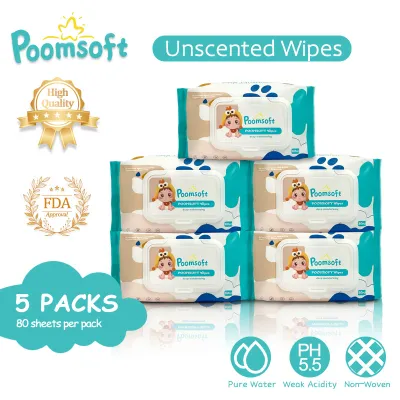
Prices are valid at publication and may change. Please refer to the product page for the latest price.
The physical characteristics of the wipe material are just as critical as the liquid formulation. Wipes should feature a high thickness, often measured in grams per square meter (GSM), to provide a soft, cushiony barrier between your hand and the baby’s delicate skin. A thicker wipe prevents tearing during use and minimizes the mechanical friction required to clean sticky stools. Smooth or gently embossed textures are ideal, as they lift waste efficiently without requiring aggressive rubbing, which can cause micro-tears in the stratum corneum.
Clinical and dermatological testing claims must be verified carefully. While terms like “gentle,” “pure,” and “natural” are common on packaging, they are largely unregulated marketing terms that do not guarantee safety. Parents should look for explicit labels indicating that the product has undergone dermatological or pediatric testing, and check for recognized clinical endorsements. In the tropical Philippine climate, where sweat and high humidity can worsen skin friction, verifying these structural and chemical safety standards is a vital step in preventing painful diaper rashes.
Comparing Popular Baby Wipe Categories
Rather than declaring a single winning brand, it is most practical to compare the three primary categories of baby wipes available in supermarkets, local pharmacies, and online marketplaces. Each category serves a distinct purpose and carries specific advantages and trade-offs for newborn care.

99% Water-Based Wipes
Water-based wipes are formulated to mimic the traditional recommendation of using plain water and cotton balls. These products typically consist of 99% or more purified water, combined with a minimal preservative system or a single drop of fruit extract, such as grapefruit seed extract, to maintain freshness.
- Pros: This category offers the lowest risk of chemical irritation, making it highly suitable for extremely sensitive skin and the initial cleanup of sticky meconium stools during the first days of life.
- Cons: Because they lack active cleaning agents or surfactants, water-based wipes may require more sheets per diaper change to clean oily or highly adhesive stools, which can inadvertently increase skin friction.
- Safety Warning: Pure water in a sealed, warm environment is highly susceptible to bacterial and mold growth, especially in the tropical heat of the Philippines. Therefore, these wipes must contain a mild, safe preservative. Caregivers should inspect the label to verify which preservative is used and ensure the pack is kept tightly sealed and away from direct sunlight.
Hypoallergenic and Fragrance-Free Wipes
Hypoallergenic and fragrance-free wipes are standard sensitive-skin wipes formulated specifically without common irritants like synthetic perfumes, drying alcohols, and parabens. They often incorporate mild, non-ionic surfactants to assist in breaking down waste.
- Pros: These wipes are highly effective at cleaning heavy or sticky diaper messes with minimal physical effort, reducing the need for repetitive wiping and lowering friction risk.
- Cons: They contain a slightly longer list of synthetic ingredients than pure water wipes, which may occasionally trigger reactions in babies with highly reactive skin conditions.
- Safety Warning: The term "hypoallergenic" indicates that the formulation contains fewer known allergens, but it does not mean zero risk of an allergic reaction. Parents must still read the label to ensure there are no specific ingredients that their baby might be sensitive to, and monitor the skin after the first few uses.
Plant-Based and Natural Extract Wipes
These wipes utilize biodegradable base materials, such as bamboo or wood pulp, and are infused with botanical extracts like aloe vera, chamomile, or calendula, which are marketed for their soothing and anti-inflammatory properties.
- Pros: They are an environmentally conscious choice due to their compostable or biodegradable fibers, and they can provide a pleasant, soothing sensation on healthy skin.
- Cons: Botanical extracts and essential oils are complex chemical mixtures that can act as potent contact allergens, particularly on a newborn's immature or compromised skin barrier.
- Safety Warning: "Natural" does not automatically translate to "safe" for a newborn. Many plant extracts can cause allergic contact dermatitis. It is generally recommended to reserve botanical-infused wipes for older infants or to use them only if the specific product has been clinically tested and certified for newborn use.
Harmful Ingredients to Avoid on the Label
When shopping for newborn baby wipes, caregivers should always turn the package over to read the International Nomenclature of Cosmetic Ingredients (INCI) list. Front-of-pack labels can be misleading, sometimes highlighting what is excluded while omitting trace ingredients that could irritate sensitive skin. Below is a checklist of ingredients to avoid:
- Drying Alcohols: Avoid ingredients listed as ethanol, isopropyl alcohol, or alcohol denat. These substances strip the skin of its natural lipids, leading to severe dryness, cracking, and a burning sensation on irritated skin. (Note that fatty alcohols like cetearyl alcohol are emollients and are generally safe, though minimal ingredient lists are still preferred for newborns).
- Synthetic Fragrances and Phthalates: Often listed simply as "Parfum" or "Fragrance," these terms can mask dozens of undisclosed chemical compounds. Fragrances are among the leading causes of pediatric contact dermatitis and should be avoided entirely in newborn care.
- Parabens and Formaldehyde-Releasing Preservatives: Ingredients such as methylparaben, propylparaben, DMDM hydantoin, and imidazolidinyl urea are used to extend shelf life but are linked to skin sensitization and potential endocrine concerns. Look for alternative, mild food-grade preservative systems.
- Harsh Surfactants: Avoid Sodium Lauryl Sulfate (SLS) and other strong detergents that can strip the skin's natural moisture barrier and cause cumulative irritation with frequent daily use.
- Isothiazolinones: Methylisothiazolinone (MI) and Methylchloroisothiazolinone (MCI) are powerful preservatives that have been widely recognized as strong contact allergens. They should not be present in leave-on products like baby wipes.
Decision Guide: Which Wipe Type Fits Your Baby?
Choosing the right baby wipes for newborn baby care depends on your infant’s unique skin condition, your daily routine, and how their skin reacts during the first few weeks of life. Use this conditional framework to guide your purchase:
- Choose 99% Water Wipes if: Your newborn has extremely sensitive skin, diagnosed eczema, or persistent redness, or if you are cleaning the very first meconium stools. These wipes provide the gentlest touch with the lowest risk of chemical interaction.
- Choose Hypoallergenic/Fragrance-Free Wipes if: You need a practical, everyday wipe that balances effective cleaning power for messy, sticky stools with a low risk of irritation. These are ideal for quick cleanups on the go.
- Verify First or Avoid if: The product contains botanical extracts, essential oils, or undisclosed "fragrance," especially if your baby has a known allergy or a compromised skin barrier. Always check the ingredient list to ensure no harsh preservatives are present.
Regardless of the category you choose, it is highly recommended to purchase a single, small travel pack to test on your baby’s skin before committing to bulk purchases from online stores, local pharmacies, or supermarkets. This prevents waste and ensures you can easily switch options if your baby shows any signs of sensitivity.
Safe Wiping Practices to Prevent Diaper Rash
Even the safest, most premium wipe can cause irritation if used incorrectly. Establishing proper wiping techniques is essential for protecting your newborn’s skin barrier and preventing painful diaper rashes, especially in the warm and humid Philippine climate.
- Wipe Front to Back: Always wipe from the front to the back, particularly for baby girls. This practice prevents the spread of fecal bacteria to the urethra, significantly reducing the risk of urinary tract infections.
- Pat Gently, Do Not Rub: Avoid dragging or rubbing the wipe across the skin. Instead, use a gentle patting motion to lift waste. Aggressive friction can strip away the protective outer layer of the skin, leading to raw, red patches.
- Allow the Skin to Air Dry Completely: Before putting on a fresh diaper, let your baby's skin air dry for a few moments. Putting a diaper on damp skin traps moisture, which can lead to skin maceration and create an ideal environment for yeast infections to develop. This step is especially crucial in high-humidity regions.
- Apply a Barrier Cream: If you notice any mild redness or irritation, apply a thin layer of a zinc oxide-based or petroleum-based barrier cream to protect the skin from acidic urine and stool.
- Know When to Stop: If your baby develops a severe diaper rash, bleeding, skin peeling, or pustules, stop using wet wipes immediately. Switch to using warm water and soft cotton balls, and consult a pediatrician or qualified healthcare professional for a proper diagnosis and treatment plan.
Frequently Asked Questions (FAQ)
Can I use regular wet wipes for a newborn?
No, you should not use regular household, facial, or antibacterial wet wipes on a newborn. These products are formulated for tougher adult skin or surfaces and often contain high concentrations of drying alcohols, synthetic fragrances, and harsh preservatives that can quickly damage a newborn’s delicate skin barrier.
Are antibacterial wipes safe for newborn skin?
Antibacterial wipes are not safe or necessary for routine newborn diaper changes. They contain active sanitizing agents designed to kill bacteria on surfaces or hands, which can cause severe chemical irritation, dryness, or even chemical burns on highly sensitive infant skin, while also disrupting the skin’s natural microbiome.
How do I perform a patch test for a new baby wipe?
To perform a patch test, gently wipe a small, clean area on your baby’s outer thigh or arm with the new wipe. Wait 24 hours and monitor the area closely for any signs of redness, swelling, tiny bumps, or dryness. If no reaction occurs, the wipe is generally safe to use on the diaper area.

Community discussion
Share your experience or ask a question. Comments are reviewed before publication.