
In the warm and humid climate of the Philippines, keeping children dry and comfortable is a constant priority for parents. High temperatures and tropical humidity frequently lead to sweating, chafing, and prickly heat, known locally as bungang-araw. To manage this moisture, many families rely on a traditional dusting of powder, often referred to locally as polbo powder for kids. However, modern pediatric guidelines have shifted significantly regarding what makes a powder safe for children. Selecting the right product requires a close look at the ingredient list, as traditional formulations may carry health and respiratory risks that parents must actively avoid.
Choosing a safe product means understanding both what goes onto your child’s skin and what might be accidentally inhaled during application. Delicate young skin has a thinner barrier than adult skin, making it highly sensitive to harsh chemicals, synthetic fragrances, and artificial additives. At the same time, a child’s developing respiratory system is incredibly vulnerable to airborne particles. By focusing on ingredient transparency and selecting modern, plant-based alternatives, parents can safely manage moisture without compromising their child’s long-term health.
Why Ingredient Safety Matters in Baby Powder
For decades, traditional baby powders relied heavily on talc as their primary ingredient. Talc is a naturally occurring mineral composed of magnesium, silicon, and oxygen, highly valued for its ability to absorb moisture and reduce friction on the skin. However, talc deposits in the earth are frequently located in close proximity to asbestos, a known carcinogen. During the mining process, there is a persistent risk of asbestos cross-contamination. Because asbestos fibers are highly toxic when inhaled, the presence of even trace amounts in cosmetic talcum powder poses severe health risks.
Products mentioned in this guide
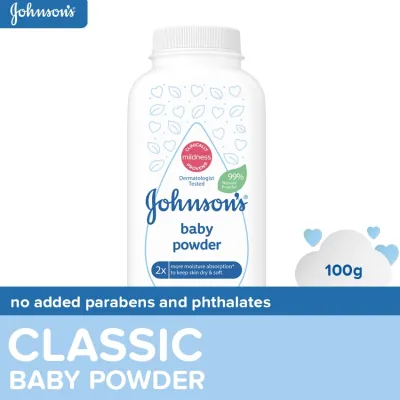
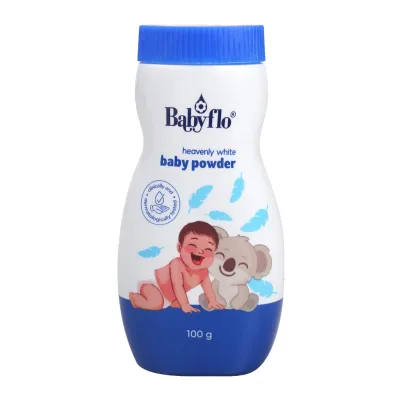
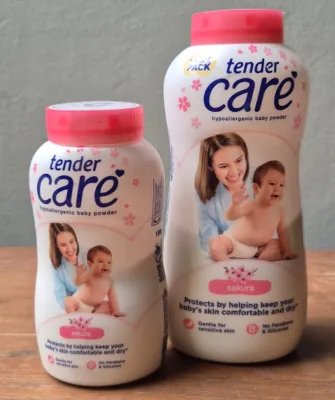
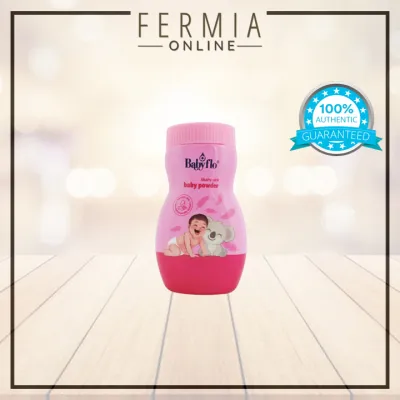
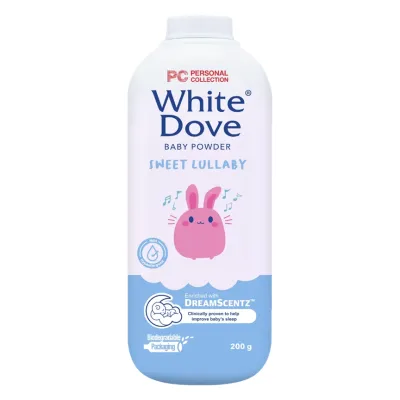
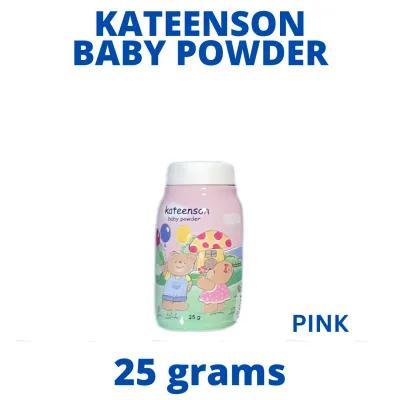
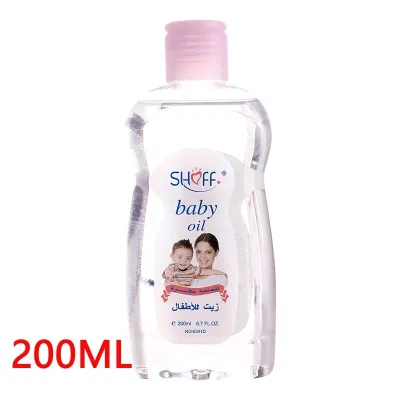
Prices are valid at publication and may change. Please refer to the product page for the latest price.
Beyond the risk of contamination, the physical properties of talcum powder present a direct threat to a child’s respiratory system. Talc particles are exceptionally fine and easily become airborne during application. When a child inhales these microscopic particles, they can travel deep into the lungs, causing acute respiratory irritation, coughing, chronic wheezing, or even chemical pneumonia. Over time, repeated exposure to inhaled talc can lead to serious, long-term pulmonary issues.
Because of these combined risks, the general pediatric consensus worldwide has shifted decisively away from talc-based products for infants and children. Pediatricians and dermatologists now strongly advise parents to completely avoid talcum powder in favor of safer, non-talc alternatives. This recommendation is particularly relevant in tropical climates like the Philippines, where the temptation to use powder daily to combat sweat and humidity is high.
In a humid environment, managing moisture is essential to prevent painful skin conditions, but the method used must be safe and breathable. When sweat mixes with traditional heavy powders, it can form a thick paste that clogs pores, traps bacteria, and actually worsens heat rash or diaper dermatitis. Safe moisture management requires ingredients that absorb sweat while allowing the skin to breathe naturally, without introducing toxic substances or inhalation hazards into the home environment.
Choosing the Safest Polbo Powder for Kids: Recommended Bases
When shopping for a safe polbo powder for kids, the first step is to ignore the front labels and flip the bottle over to inspect the active ingredients. The safest modern alternatives utilize natural, plant-based, or gentle mineral bases that effectively manage moisture while minimizing health risks.

Cornstarch-Based Powders
Cornstarch, derived from natural maize, is the most common and widely recommended alternative to talc. It features highly effective moisture-absorption properties, making it excellent for keeping a child’s skin dry during hot, humid Philippine afternoons. Because cornstarch particles are physically larger and heavier than talc particles, they do not remain suspended in the air as easily, which significantly reduces the risk of accidental inhalation. When selecting a cornstarch-based powder, look for labels indicating that the product uses finely milled, cosmetic-grade, or food-grade cornstarch to ensure it is free from impurities and gentle on sensitive skin.
Tapioca and Arrowroot Powders
Tapioca starch, extracted from the cassava root, and arrowroot powder are excellent plant-based alternatives for children with exceptionally delicate skin. These starches are incredibly lightweight and provide a silky, smooth texture that glides over the skin without clumping. Unlike heavier starches, tapioca and arrowroot absorb excess sweat while maintaining the skin’s natural moisture balance, preventing the dry, flaky patches that can occur with over-drying. They are highly suitable for toddlers and older kids who suffer from frequent skin friction or chafing from active play.
Oat and Kaolin Clay Blends
For children prone to eczema, dry skin, or severe prickly heat, powders formulated with colloidal oatmeal and mild kaolin clay offer outstanding soothing benefits. Colloidal oatmeal is renowned for its anti-inflammatory properties, helping to calm itching and reduce redness on irritated skin barriers. Kaolin clay, a very mild and natural mineral, provides gentle moisture control and helps soothe chafed areas without stripping the skin of its natural, protective lipids. These blends act as a therapeutic dusting rather than just a drying agent, helping to restore and protect the skin.
Regardless of which safe base you choose, always verify the manufacturer’s age recommendations and warnings on the specific product packaging before use. Because every child’s skin is unique, caregivers should perform a simple patch test before full-body application. Apply a tiny amount of the powder to a small, clean area on the child’s inner arm and monitor it for 24 hours. If any redness, swelling, or itching occurs, discontinue use immediately and consult a healthcare professional.
Harmful Ingredients and Additives to Avoid
To ensure a powder is completely safe for your child, you must be able to recognize potential irritants and toxins on the ingredient list. Many commercial products contain secondary additives that can trigger skin allergies or respiratory issues. Use this clear checklist of red-flag ingredients to avoid when shopping:
- Talc (Talcum Powder): Always check the label for terms like "talc," "talcum," or "magnesium silicate." If any of these are listed, do not purchase the product.
- Synthetic Fragrances and Phthalates: Artificial scents are a primary cause of contact dermatitis and skin irritation in young children. Phthalates, which are chemical plasticizers often used to make synthetic fragrances last longer, are suspected endocrine disruptors. Look for products explicitly labeled "fragrance-free" or "unscented" to minimize these risks.
- Parabens and Harsh Preservatives: Chemical preservatives such as methylparaben, propylparaben, or butylparaben are used to extend shelf life. However, because dry powder formulations naturally lack water, they do not require heavy preservation to prevent bacterial growth. Avoiding parabens helps protect your child from unnecessary exposure to potential endocrine-disrupting chemicals.
- Artificial Dyes and Colorants: Synthetic colors, often identified on labels by "CI" followed by a five-digit number, serve no functional purpose in baby powder. They only introduce unnecessary chemical compounds to your child's skin, which can easily irritate a compromised skin barrier or an active rash. Stick to naturally white or off-white powders.
Safe Application Practices to Prevent Inhalation Risks
Even if you choose a completely natural, plant-based powder, it is vital to remember that all loose powders carry a physical inhalation risk. Inhaling any fine particulate matter—including cornstarch, tapioca, or oatmeal—can irritate a child’s sensitive airways and trigger coughing or respiratory distress. Therefore, safe application practices are just as important as choosing the right ingredients.
Pediatric health organizations, including the American Academy of Pediatrics, strongly advise against shaking loose powders directly onto a child’s body or near their face. To completely eliminate the risk of creating an airborne dust cloud, always follow this safe, step-by-step application method:
- Maintain Distance: Ensure you are standing or sitting at a safe distance away from the child's face and breathing zone before opening the container.
- Dispense onto Your Hands: Shake a very small, controlled amount of the powder directly into your own palms first. Never shake the bottle directly over the child.
- Minimize Airborne Dust: Gently rub your palms together away from the child to distribute the powder and settle any loose, airborne particles.
- Apply Gently: Softly pat your hands onto the targeted areas of the child's skin, such as the neck folds, underarms, or back. Avoid rubbing vigorously, which can create friction and kick up dust.
Once you are finished, immediately close the container tightly. Store the powder bottle in a high cabinet or a locked drawer, completely out of the child’s reach. Never allow a baby, toddler, or child to play with the powder bottle, as accidental squeezing can release a massive, concentrated cloud of powder that can cause immediate suffocation or severe respiratory distress.
Caregivers must monitor their child closely during and after application. If your child begins to cough, sneeze, wheeze, or show any signs of breathing difficulty, stop using the product immediately and move them to fresh air. Additionally, if the child’s skin becomes red, raw, or macerated (soggy and broken within skin folds), discontinue use, keep the area clean and dry, and consult a pediatrician or qualified healthcare professional for a proper diagnosis and treatment plan.
How to Verify Product Safety and Authenticity in the Philippines
The local retail market in the Philippines features a wide variety of baby care products, but it also carries risks of counterfeit goods, unverified parallel imports, and expired stock. Using unverified or counterfeit skincare products on children can expose them to dangerous, unregulated chemicals. Parents must take active steps to verify the safety and authenticity of any powder they purchase.
First, always check for regulatory compliance. In the Philippines, safe and approved cosmetic products must be registered or notified with the Philippine Food and Drug Administration (FDA). Look for an official FDA registration or notification number printed on the packaging. You can easily verify this number by visiting the official, online Philippine FDA Verification Portal. If a product does not appear in the database or lacks a registration number on its label, it is best to avoid purchasing it.
Second, be highly selective about where you shop. When buying physically, stick to established national supermarkets, trusted major pharmacies, and authorized mother-and-baby specialty stores located inside reputable shopping malls. These retailers have strict supply chain controls and source their inventory directly from authorized distributors or manufacturers.
Third, exercise extreme caution when shopping on online marketplaces or e-commerce platforms. To avoid counterfeit products, always purchase directly from official brand flagship stores, which are typically marked with verified mall or official store badges. Avoid buying from random, unverified third-party sellers, especially those offering international imports at prices that seem unusually low compared to official retail rates.
Finally, perform a physical inspection of the product before use. Check for key red flags of counterfeit or compromised goods:
- Broken Safety Seals: Never use a bottle that has a torn, loose, or missing safety seal.
- Faded or Blurry Printing: Counterfeit products often have low-quality packaging with blurry text, misspelled words, or smeared ink.
- Unusual Odors: If the powder has a strong chemical smell, a sour odor, or smells completely different from previous bottles of the same brand, do not use it.
- Missing Dates: Ensure the manufacture date and expiration date are clearly printed on the bottle, and never apply expired products to a child's skin.
Frequently Asked Questions (FAQ)
Is it safe to use baby powder on a newborn's face?
No, it is highly discouraged to apply any loose powder near a newborn’s face, nose, or eyes. A newborn’s airways are incredibly small and delicate, and even a tiny amount of inhaled powder can cause severe respiratory irritation or distress. Additionally, loose powder can easily get into their eyes, leading to dryness and irritation. To clean or manage moisture on a newborn’s face, use a soft, damp cloth or consult a pediatrician for safe, liquid-based skincare recommendations.
Can I use regular kitchen cornstarch for my baby?
While kitchen cornstarch shares the same base ingredient as cornstarch-based baby powders, it is not recommended for use on a baby’s skin. Kitchen cornstarch is not milled to the ultra-fine, cosmetic-grade standard required for delicate skin, which means it can feel abrasive and cause friction. Furthermore, kitchen-grade starch is processed and packaged for cooking, not for topical application, meaning it does not undergo the same sterile, cosmetic-safety testing and may contain trace contaminants or lack skin-soothing additives.
What is the best alternative to powder for preventing diaper rash?
The most effective and pediatrician-recommended alternative to loose powder for preventing diaper rash is a thick barrier cream or ointment containing zinc oxide or petroleum jelly. These creams create a physical, waterproof shield on the skin, protecting it from the irritating moisture of wet diapers and friction. Unlike loose powders, barrier creams pose absolutely zero inhalation risk, making them a much safer choice for daily diaper area care.
Community discussion
Share your experience or ask a question. Comments are reviewed before publication.