
Quick Answer: Which Material Wins for Active Toddlers?
For an active 3-year-old, polyphenylsulfone (PPSU) and food-grade silicone generally offer the most reliable balance of safety, impact resistance, and long-term durability. At this developmental stage, toddlers are highly independent and constantly on the move, meaning their bottles are frequently subjected to drops, tosses, and rough handling. PPSU provides the shatterproof safety of plastic combined with a high-temperature resilience that rivals glass, while food-grade silicone offers a soft, shock-absorbing grip that is virtually indestructible.
While glass is celebrated for its chemical purity and resistance to odors, its weight and tendency to shatter make it a less practical choice for unsupervised toddler use. Standard plastic (polypropylene) is highly affordable and lightweight, but it degrades and scratches much faster under repeated sterilization and daily wear. Ultimately, your choice should align with your child’s physical handling habits, your preferred sterilization routine, and where your child stands in their transition toward open cups.
What Makes a Milk Bottle Safe and Durable for a 3-Year-Old?
Selecting a milk bottle for a three-year-old requires a different set of priorities than choosing one for a newborn. At three years of age, children have developed significant hand strength and coordination, yet they still lack the refined motor control to prevent accidental drops. A bottle that cannot survive a fall from a high chair or a dining table onto a hard floor poses immediate safety risks and financial inconveniences.
Products mentioned in this guide
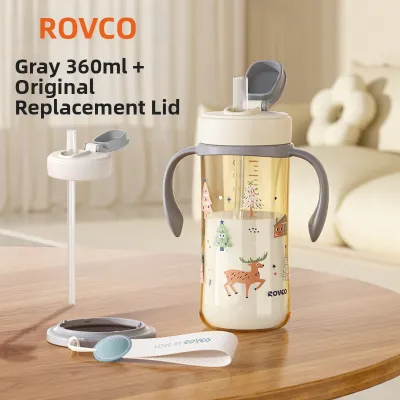
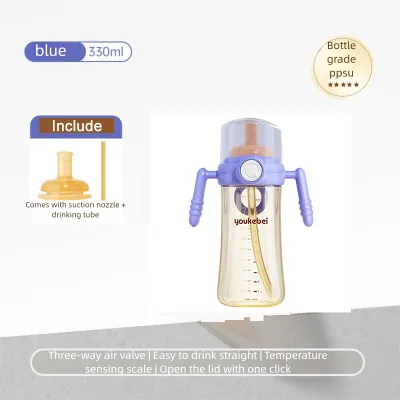
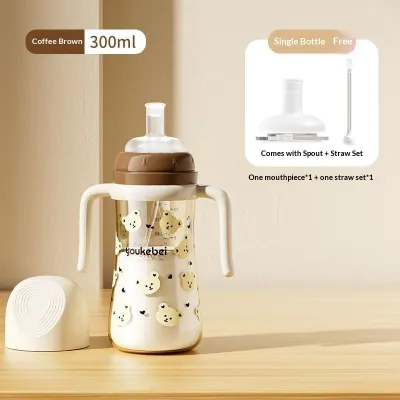
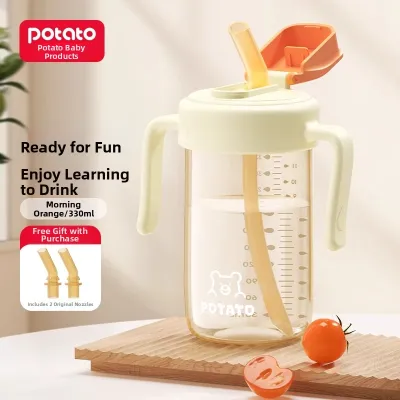
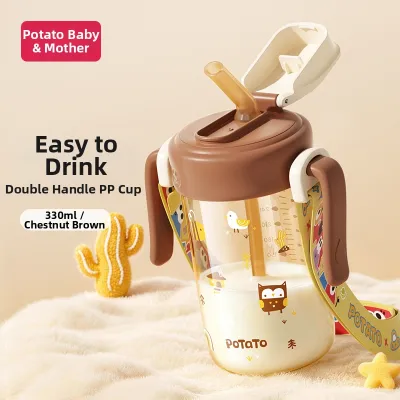
Prices are valid at publication and may change. Please refer to the product page for the latest price.

Drop Resistance and Shatterproof Qualities
In many households, especially in tropical regions like the Philippines where hard ceramic tiles or polished concrete floors are common, drop resistance is a primary safety concern. When a bottle drops, a fracture can create sharp edges or micro-shards. For an active toddler who likes to carry their drink around the play area, a completely shatterproof material is essential to prevent cuts and physical injuries.
Weight and Grip
Toddlers value autonomy and prefer to hold their own drinks during meals or play. A bottle that is too heavy can cause hand fatigue, leading to more frequent drops and spills. Lightweight materials allow your child to drink comfortably while walking or sitting, supporting their developmental milestone of self-feeding without unnecessary physical strain.
Chemical Safety and Heat Tolerance
Repeated washing and sterilization can cause certain materials to break down over time. It is crucial to verify that any bottle you select is certified BPA-free and BPS-free by checking the manufacturer’s packaging. The material must also withstand high temperatures without warping, clouding, or leaching chemical compounds into the milk, especially if you use steam or UV sterilizers regularly.
Climate Considerations
In highly humid environments, moisture retention is a constant challenge. Milk residues left in hard-to-reach crevices can quickly encourage microbial growth, mold, and persistent sour odors. The ideal toddler bottle material should dry rapidly, resist grease absorption, and feature a simple design that allows air to circulate freely during the drying process.
Comparing the 4 Materials: Plastic, Glass, Silicone, and PPSU
Each bottle material has distinct physical properties that affect how it performs in a busy household. Understanding these differences helps you match the material to your toddler’s specific habits and your daily cleaning routine.
Standard Plastic (Polypropylene / PP)
Standard plastic bottles, typically made from polypropylene (PP), are a staple in many households due to their accessibility and low cost. These bottles are incredibly lightweight, making them easy for a three-year-old to carry around during outdoor play or family trips. Because PP is flexible, these bottles will not shatter when dropped on hard surfaces, offering peace of mind during active playtimes.
However, PP is a relatively soft plastic, which makes it highly susceptible to micro-scratches from stiff bottle brushes or abrasive sponges. Over time, these tiny scratches can harbor milk fats, proteins, and bacteria, making the bottle difficult to sanitize thoroughly. Additionally, standard plastic tends to warp, discolor, or develop a cloudy appearance after repeated exposure to high-heat sterilization or hot water.
When choosing PP, always inspect the packaging to verify that the product is labeled BPA-free. Because PP degrades faster than premium materials, you should regularly inspect the bottle’s interior under a bright light. If you notice persistent odors, deep scratches, or a cloudy texture, the bottle should be discarded and replaced to maintain hygiene.
Glass
Glass is widely regarded as the gold standard for material purity because it does not contain synthetic chemicals that could leach into warm milk. It is completely scratch-resistant, does not absorb odors, and does not retain grease or stains from colored juices or milk fats. This makes glass exceptionally easy to clean and sanitize, ensuring a highly hygienic feeding vessel that can theoretically last for years if handled carefully.
Despite these benefits, glass is often impractical for an active three-year-old. Glass bottles are heavy, which can make them uncomfortable for a toddler to hold single-handedly for extended periods. More importantly, glass poses a significant safety hazard; a single drop onto ceramic tiles or outdoor pavement can shatter the bottle into dangerous fragments, creating an immediate hazard for barefoot toddlers.
If you prefer glass for its purity, it is best used under direct caregiver supervision while the child is seated safely at a dining table. To mitigate the risk of breakage, look for glass bottles equipped with thick, shock-absorbing silicone sleeves. Always ensure the sleeve is removed periodically during washing to prevent moisture from trapping underneath, which can lead to mold growth in warm climates.
Silicone
Food-grade silicone has gained popularity as a modern, highly durable alternative to traditional materials. Silicone bottles are soft, pliable, and naturally slip-resistant, providing an excellent tactile grip for small hands. The material is incredibly resilient to physical impacts; it will simply bounce when dropped, eliminating any risk of shattering or cracking.
On the downside, the flexible nature of silicone can sometimes be a disadvantage. An energetic three-year-old might squeeze the soft body of the bottle too hard, causing milk to squirt forcefully out of the nipple or collar, leading to messy spills. Silicone also has a slightly porous surface compared to glass or hard plastics, meaning it can absorb soapy smells or strong food odors if it is not dried promptly in a well-ventilated space.
When shopping for silicone bottles, verify that the label specifies “100% food-grade” or “medical-grade” silicone. To prevent accidental squeezing incidents, look for designs that incorporate a rigid plastic collar or a reinforced base. These structural elements provide stability when the bottle is resting on a table and help the toddler hold the bottle without compressing the liquid inside.
PPSU (Polyphenylsulfone)
PPSU is a high-performance, medical-grade thermoplastic that has become a favorite among parents seeking the ultimate combination of safety and durability. It is naturally amber-tinted and exceptionally tough, resisting impact damage even when dropped repeatedly on hard surfaces. PPSU does not absorb odors or stains, and its hard surface is highly resistant to scratching, giving it a lifespan that far exceeds standard PP plastic.
The standout feature of PPSU is its extreme thermal stability. It can withstand repeated, high-heat sterilization cycles—whether through boiling, steam, or UV sterilizers—without warping, degrading, or releasing harmful chemicals. This makes it an incredibly safe and long-lasting investment for parents who prioritize rigorous hygiene routines.
The primary drawback of PPSU is its premium price point. PPSU bottles are significantly more expensive than standard plastic or glass options, representing a larger upfront investment. However, because a single PPSU bottle can often outlast multiple PP bottles, it frequently proves to be more cost-effective over time. Before sterilizing, always verify the exact temperature limits printed on the manufacturer’s packaging, as specific designs can vary slightly.
Material Comparison at a Glance
This comparison matrix summarizes how each material performs across key criteria to help you make an efficient decision for your toddler.
| Material | Drop Resistance | Weight | Heat Tolerance (General Guidance) | Best For |
|---|---|---|---|---|
| Standard Plastic (PP) | High (Shatterproof) | Extremely Lightweight | Moderate (Verify manufacturer label) | Budget-conscious households and temporary travel use |
| Glass | Low (Fragile) | Heavy | High (Verify manufacturer label) | Supervised feeding and maximum chemical purity |
| Silicone | Excellent (Shock-absorbing) | Lightweight to Moderate | High (Verify manufacturer label) | Toddlers who prefer a soft grip and drop bottles often |
| PPSU | Excellent (Shatterproof) | Lightweight | Very High (Verify manufacturer label) | Long-term daily use, high-heat sterilization, and active toddlers |
Decision Framework: Which Bottle Fits Your Toddler?
To choose the best bottle for your household, assess your toddler’s daily habits, your home environment, and your sterilization preferences using these practical scenarios.
- Choose PPSU if you want a premium, lightweight, and highly durable bottle that can withstand frequent drops on hard floors and undergo daily high-heat sterilization without degrading. This is ideal for active toddlers who drink independently throughout the day.
- Choose Silicone if your toddler prefers a soft, squishy texture that is easy to grip, and you want a bottle that is entirely bounce-proof. Ensure you have a dry, well-ventilated area in your kitchen to air-dry the silicone parts thoroughly to prevent odors.
- Choose Glass if you prioritize absolute material purity, want a bottle that is exceptionally easy to clean without scratching, and your child primarily drinks milk while seated and supervised at the dining table.
- Choose Standard Plastic (PP) if you need an affordable, lightweight backup bottle for travel or short outings, and you do not mind replacing the bottle at the first sign of wear or cloudiness.
Verify first if: Before making any purchase, always check the product’s age recommendation and ensure the nipple flow rate is appropriate for a three-year-old. At this stage, many toddlers transition to spout or straw attachments, so verify if the bottle brand offers compatible transition lids to support your child’s oral motor development.
Cleaning, Sterilization, and When to Replace
Maintaining your toddler’s bottles correctly ensures they remain hygienic and safe to use, especially in warm, tropical climates where high humidity can accelerate the growth of bacteria and mold.
Cleaning and Drying
After every use, disassemble all bottle components, including the collar, nipple, and silicone seals. Wash them thoroughly with mild dishwashing liquid and a soft-bristled brush to avoid scratching the interior surfaces. In humid environments, it is critical to place the washed parts on a clean drying rack in a well-ventilated, dry area. Avoid assembling the bottle while any components are still damp, as trapped moisture is a primary cause of mold and sour odors.
Sterilization
Always consult the manufacturer’s instructions for the approved sterilization methods. While some materials can handle boiling water or steam, others may warp or degrade under direct heat. If you use a UV sterilizer, check if your bottle material is compatible; standard PP can degrade faster under UV light, whereas materials like PPSU and silicone generally tolerate UV exposure much better. Never exceed the recommended sterilization times specified by the manufacturer.
Replacement Signs
Regardless of the material’s theoretical lifespan, you should inspect your toddler’s bottles weekly for signs of wear. Replace any bottle immediately if you notice deep scratches, cracks, persistent cloudiness, a sticky texture, or stubborn odors that do not disappear after a thorough wash. Nipples and silicone spouts should also be replaced if they show signs of thinning, tearing, or structural weakness.
Frequently Asked Questions (FAQ)
Can a 3-year-old still use a traditional baby bottle?
While a three-year-old is physically capable of using a traditional baby bottle, pediatric and dental guidelines generally recommend transitioning away from them by this age. Prolonged bottle use can impact oral motor development, alignment of the teeth, and speech patterns. Transitioning to open cups, straw cups, or specialized toddler spout cups is highly encouraged. If you have concerns about your child’s transition progress or oral development, consult a pediatrician or a pediatric dentist for personalized advice.
Are PPSU bottles completely scratch-proof?
Although PPSU is highly scratch-resistant compared to standard polypropylene plastic, it is not entirely scratch-proof. Rough handling, abrasive cleaning pads, or metal utensils can still scratch the surface. To maximize the lifespan of a PPSU bottle, always use soft silicone brushes or sponge cleaners, and avoid using harsh abrasive powders. If deep scratches do develop inside the bottle, it is best to replace it, as those grooves can become breeding grounds for bacteria.
Community discussion
Share your experience or ask a question. Comments are reviewed before publication.