
Storing breastmilk safely requires materials that protect your baby’s nutrition and health. While standard household ziplock bags are highly convenient for packing snacks or organizing small items, they are generally unsafe and unsuitable for storing expressed breastmilk. To preserve the immunological properties of breastmilk and protect your infant from chemical contamination, you must use bags specifically designed for breastmilk storage or verified, heavy-duty, food-grade bags that meet strict safety standards. Selecting the right storage option involves understanding material safety, structural integrity, and proper handling techniques.
In the tropical climate of the Philippines, where high humidity and warm ambient temperatures can accelerate bacterial growth, maintaining a strict hygienic routine is essential. Every step of the storage process, from selecting the bag to thawing the milk, must prioritize safety. This guide will help you navigate the differences between standard utility bags and specialized storage options, ensuring your expressed milk remains safe and nutritious for your baby.
Why Standard Sandwich Bags Are Unsafe for Breastmilk
Standard household sandwich bags are engineered for short-term, room-temperature, or refrigerated food storage, not for the demanding conditions of freezing, thawing, and warming breastmilk. One of the primary hazards of using these everyday plastic bags is chemical leaching. Many standard utility bags are made from low-density polyethylene (LDPE) or other plastics that may contain plasticizers, bisphenol A (BPA), bisphenol S (BPS), or phthalates. When these plastics are subjected to extreme temperature shifts—such as freezing at sub-zero temperatures or warming in hot water—their molecular structure can destabilize, causing harmful chemicals to migrate directly into the breastmilk. Because an infant’s developing system is highly sensitive to endocrine disruptors, even trace chemical exposure poses a significant health risk.
Products mentioned in this guide
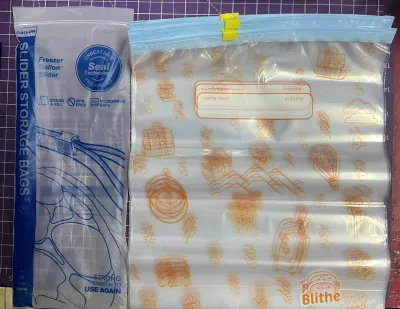
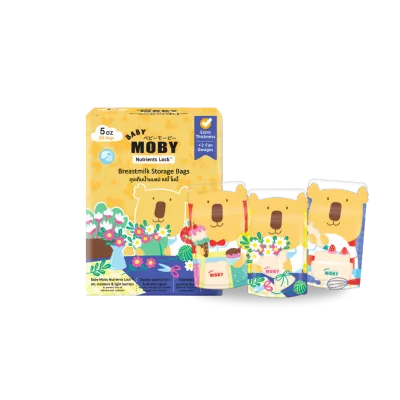
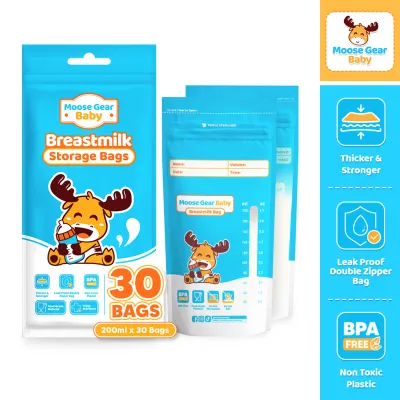
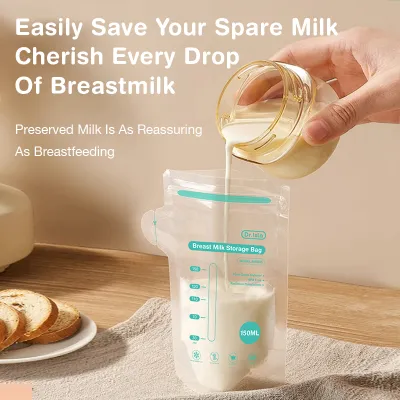
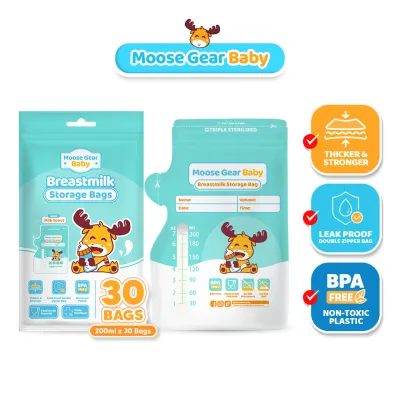
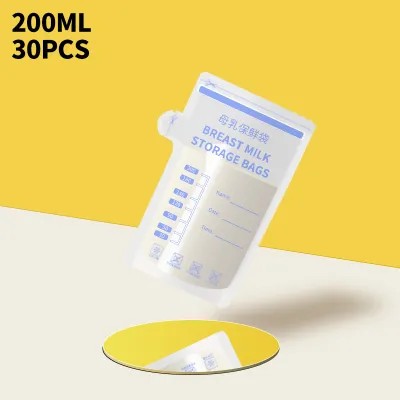
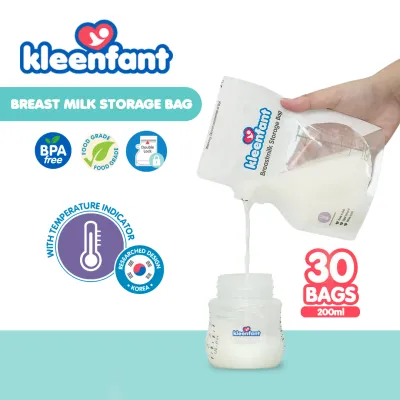
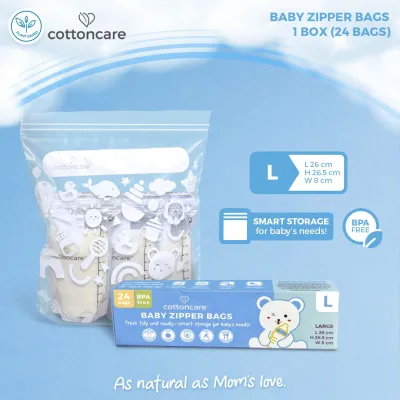
Prices are valid at publication and may change. Please refer to the product page for the latest price.
Beyond chemical concerns, standard sandwich bags lack the structural integrity required to protect liquid gold. These bags are typically very thin, making them highly susceptible to micro-tears and punctures during the freezing process. As liquid breastmilk freezes, it expands. This expansion puts immense pressure on the seams and walls of a thin plastic bag, often resulting in invisible cracks or outright splits. When the milk thaws, these structural failures lead to messy leaks, wasting valuable milk. More critically, these micro-tears create pathways for environmental pathogens and bacteria from your freezer to contaminate the milk, compromising its sterility and safety.
It is vital to distinguish between general food-safe plastics and the rigorous safety standards required for infant feeding. A plastic bag labeled as “safe for food” is not automatically safe for storing breastmilk. General food-grade bags are tested for dry or solid food contact at stable temperatures, whereas breastmilk storage requires materials certified to handle a highly complex biological fluid under extreme thermal stress. Infant feeding demands a level of purity and durability that standard household plastics simply cannot provide.
Essential Safety and Quality Criteria to Verify
When selecting storage bags, you must carefully inspect the product packaging and manufacturer documentation to verify specific safety and quality criteria. First and foremost, look for explicit labels indicating that the bags are “food-grade,” “BPA-free,” and “BPS-free.” Because chemical formulations can change, do not rely solely on a product’s name or marketing claims. Check for recognized food-contact safety symbols, such as the international wine glass and fork symbol, or statements of compliance with food safety authorities. These markings indicate that the manufacturer has subjected the material to testing for chemical migration.

Another critical factor is the thickness of the plastic, often measured in mils (thousandths of an inch) or microns. While manufacturers do not always print the exact mil rating on retail packaging, you can evaluate the physical durability by checking if the product is described as “heavy-duty” or specifically designed for freezing. A thicker bag provides a robust barrier against oxygen and moisture, which helps prevent freezer burn and preserves the delicate vitamins and antibodies in your breastmilk. If the plastic feels flimsy or stretches easily under light pressure, it is likely too thin for safe long-term freezing.
The closure mechanism is your primary defense against contamination and leaks. Evaluate the seal reliability by looking for double-zipper or click-lock designs. A double zipper provides two parallel tracks of protection, significantly reducing the risk of accidental opening due to pressure or handling. Some high-quality bags feature a tactile or visual color-change seal that confirms when the track is completely locked. This feature is particularly useful in preventing air exposure, which can oxidize the milk fats and alter the taste, sometimes causing babies to reject the thawed milk.
Additionally, you must understand the distinction between pre-sterilized bags and standard clean bags. Dedicated breastmilk storage bags are typically pre-sterilized using medical-grade methods (such as gamma irradiation) before they are sealed and packaged. This ensures that the inside of the bag is completely sterile and ready for immediate use without any prior washing. Standard multi-purpose ziplock bags, even those labeled food-grade, are clean but not sterile. If you choose to use multi-purpose bags, you must exercise extreme caution during handling to avoid introducing bacteria into the bag before filling it.
Dedicated Breastmilk Bags vs. Multi-Purpose Food-Grade Ziplocks
Deciding between dedicated breastmilk storage bags and high-quality, multi-purpose food-grade ziplock bags often comes down to a balance of convenience, features, and budget. Dedicated breastmilk bags are specifically engineered for lactating parents. They feature built-in design advantages that simplify the pumping and feeding process. For instance, most dedicated bags include integrated pouring spouts or tear-away corners that allow you to transfer milk into a bottle without spilling. They also feature accurate measurement lines, write-on labels that remain legible when wet, and self-standing gusseted bases that allow the bags to stand upright on your counter while you fill them.
On the other hand, high-quality, multi-purpose food-grade ziplock bags can be a highly cost-effective and space-efficient alternative, especially for parents with a high-volume milk supply. Standard food-grade freezer bags are often significantly less expensive per unit than specialized baby brands. If you are freezing large quantities of milk using the “lay flat” method—where bags are frozen flat on a tray to create thin, stackable blocks—multi-purpose freezer bags can save substantial space in a crowded freezer.
However, using multi-purpose bags involves clear trade-offs. They lack the specialized pouring spouts of dedicated bags, increasing the risk of spills during transfer. Their measurement markings may not be as precise for liquid ounces, requiring you to measure the milk in a bottle before pouring it into the bag. Furthermore, standard bags rarely have dedicated, textured labeling areas, meaning standard ink may smudge or rub off in the freezer. Thawing speed can also vary; dedicated breastmilk bags are designed to be thin enough to allow rapid, safe heat transfer during thawing, whereas some ultra-thick utility freezer bags may slow down the thawing process, extending the time your milk is exposed to room temperature.
How to Evaluate and Select Safe Brands
To ensure you are purchasing genuine, safe products, establish a practical framework for evaluating brands available in local supermarkets, baby boutiques, or online marketplaces. Start by reading the manufacturer’s detailed specifications. Avoid purchasing unverified, unbranded bulk packs from unknown third-party sellers on ecommerce platforms. These products often bypass quality control standards and may contain recycled plastics or industrial chemical residues. Stick to reputable, established brands that specialize in baby care or high-end food preservation.
When shopping, look for independent testing seals or compliance marks related to food-contact safety on the packaging. While you cannot verify laboratory reports yourself, you can check if the brand openly shares its safety certifications, material compositions, and manufacturing standards on its official website. A transparent manufacturer will readily state whether their products are made from food-grade polyethylene (PE) or polypropylene (PP) and will explicitly guarantee the absence of harmful plasticizers.
Always check for clear, comprehensive manufacturer instructions on the packaging. Reliable brands provide explicit guidelines regarding maximum fill lines, temperature limits for both freezing and warming, and recommended storage durations. If a product packaging lacks basic usage instructions, safety warnings, or manufacturer contact information, treat this as a major red flag.
Other warning signs of low-quality or unsafe bags include a strong, sweet, or acrid chemical odor upon opening the package. Genuine food-grade plastics should be virtually odorless. Flimsy, misaligned zipper tracks that require excessive force to close or pop open under light pressure are also indicators of poor manufacturing quality. If you encounter any of these issues, do not use the bags for breastmilk storage; instead, return them or repurpose them for non-food items.
Safe Handling, Sealing, and Freezing Practices
Selecting a safe bag is only the first step; maintaining the quality and safety of your breastmilk depends heavily on your handling, sealing, and freezing practices. Always wash your hands thoroughly with soap and water before handling storage bags or expressing milk.
When filling the bag, always leave adequate expansion space at the top. Water expands when frozen, and breastmilk is primarily water. If you fill a bag to its absolute brim, the expanding milk will rupture the seams or force the zipper open, leading to contamination and loss of milk. Most dedicated bags have a clear “max fill” line; if you are using multi-purpose bags, leave at least an inch of empty space below the zipper track.
Before sealing the bag, you must remove excess air. Trapped air accelerates oxidation, which degrades the essential fatty acids and nutrients in the milk and can cause a strong, soapy smell or off-flavor due to lipase activity. To remove air safely, gently flatten the portion of the bag above the liquid line using your fingers, sliding them upward toward the zipper before pressing the seal closed. Be careful not to squeeze the liquid itself, which can cause spills or contaminate the zipper track.
Proper labeling is non-negotiable. Use a permanent, waterproof marker to write the expression date, time, and the volume of milk on the designated label area. Always write this information before filling the bag to avoid puncturing the plastic with the pen tip. If your baby attends daycare, include their full name as well.
Finally, establish clear stop-use conditions to protect your infant’s health. If you notice that a bag has developed stress marks (white, stretched lines in the plastic), a compromised seal, or visible leaks during the thawing process, discard the bag and the milk immediately. Never attempt to tape or reseal a leaking bag. If you ever have concerns about the appearance, smell, or safety of your stored milk, stop use and consult a qualified healthcare professional, such as a pediatrician or a certified lactation consultant, for guidance.
Frequently Asked Questions (FAQ)
Can you reuse ziplock bags for breastmilk storage?
No, you should never reuse plastic ziplock bags or dedicated breastmilk storage bags. These products are strictly designed and manufactured for single-use only. Washing and sterilizing plastic bags causes the material to degrade rapidly. The heat from boiling, steaming, or chemical sterilizers can break down the plastic polymers, increasing the risk of chemical leaching during subsequent uses. Furthermore, microscopic scratches inevitably form on the inner plastic surface during use and cleaning. These tiny crevices become breeding grounds for bacteria and biofilm that cannot be effectively cleaned or sterilized, posing a severe contamination risk to your baby. Always discard used plastic storage bags immediately after feeding.
Are silicone storage bags a safe alternative to plastic ziplocks?
Yes, food-grade silicone storage bags are an excellent, eco-friendly, and reusable alternative to single-use plastic ziplocks. To ensure safety, verify that the bags are made from 100% platinum-cured, food-grade silicone, which is free from BPA, BPS, phthalates, and PVC. Unlike plastic, high-quality silicone can withstand extreme temperatures without degrading, making it safe for freezing, boiling, and steam sterilization. However, reusable silicone bags require a commitment to strict hygiene. You must thoroughly wash them in warm, soapy water, ensure all crevices and corners are completely clean, and sterilize them between every single use. When freezing breastmilk in silicone, ensure the container is designed with a leak-proof, secure sealing bar or mechanism, and follow the manufacturer’s instructions for safe thawing and warming.
Community discussion
Share your experience or ask a question. Comments are reviewed before publication.