
Creating a safe and comfortable sleep environment is one of the most critical responsibilities for parents, yet navigating the transition from a bare crib to a fully dressed bed can be confusing. Many parents eagerly look forward to purchasing a baby comforter and pillow set to match their nursery decor or to make their little one’s bed feel cozy. However, introducing these items too early poses severe, life-threatening risks to an infant. The general consensus among pediatric experts is that a baby’s sleep space must remain completely free of soft bedding, including pillows and comforters, during their first year of life. Understanding the physiological reasons behind these safety guidelines and recognizing the developmental milestones that indicate readiness are essential steps in keeping your child safe while they sleep.
Understanding the Risks: Why Soft Bedding Is Unsafe for Infants
During the first year of life, an infant’s physical development is highly vulnerable, making ordinary bedding items extremely hazardous. Infants have relatively large heads, short necks, and weak neck muscles, which limits their ability to lift or turn their heads if their airway becomes obstructed. If a soft pillow or a heavy comforter covers a baby’s face, they lack the motor skills and muscle strength required to push the object away or reposition themselves to breathe. This can lead to rapid suffocation or entrapment, where the baby becomes wedged between the mattress and a soft object, compressing their delicate airway.
Furthermore, soft bedding is a primary contributor to Sudden Infant Death Syndrome (SIDS) and other sleep-related infant deaths. When an infant’s face is pressed against a soft surface, such as a plush pillow or a thick comforter, they can experience “rebreathing.” This occurs when the baby breathes in their own exhaled carbon dioxide, which is trapped in the soft fabric, leading to a critical drop in oxygen levels and eventual suffocation. Loose blankets can also easily bunch up around an infant’s nose and mouth during normal sleep movements, creating an invisible but deadly barrier to fresh air.
Products mentioned in this guide

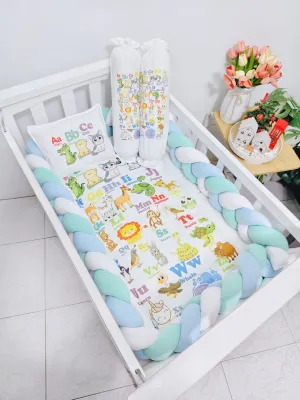
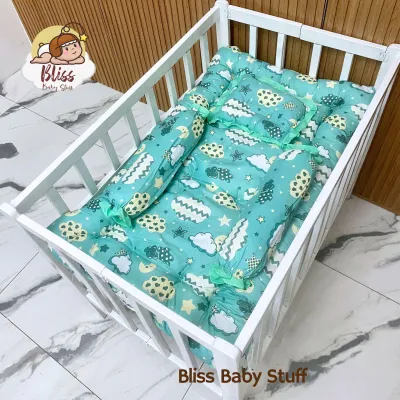
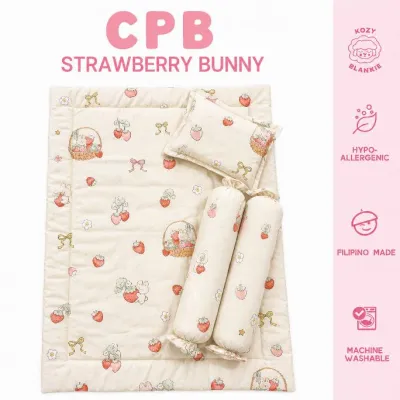
Prices are valid at publication and may change. Please refer to the product page for the latest price.
To prevent these tragic occurrences, pediatric health organizations worldwide advocate for the “bare is best” rule. A safe infant sleep environment consists solely of a firm, flat mattress covered by a tightly fitted sheet, with no other items in the crib. This means parents must completely exclude pillows, comforters, quilts, sheepskins, stuffed animals, and crib bumpers from the sleep area. The mattress must be firm enough that it does not indent when the baby lies on it, ensuring that their airway remains open and unobstructed regardless of their sleeping position.
Many manufacturers market specialized products as “breathable,” “anti-suffocation,” or “ergonomic” pillows and comforters designed for infants. However, parents should exercise extreme caution, as these marketing claims are often not backed by rigorous medical evidence. Even if a fabric is marketed as breathable, the physical presence of a pillow or comforter in an infant’s crib still introduces unnecessary risks of entrapment, airway obstruction, and overheating. Until a child reaches the appropriate developmental age, these items have no place in their bed, regardless of any safety labels or commercial promises.
When Is the Right Time? Age Thresholds and Developmental Milestones
Determining when to safely introduce a baby comforter and pillow set requires looking beyond age alone to assess your child’s physical capabilities. While most pediatric guidelines agree that soft bedding should never be introduced before a child reaches 12 months of age, many experts recommend waiting until 18 to 24 months, or even until the toddler transitions from a crib to a toddler bed. At 12 months, the risk of SIDS decreases significantly, but the risk of accidental suffocation or strangulation from loose bedding remains a concern if the child is not physically ready to navigate these objects.

Physical milestones are far more reliable indicators of readiness than a calendar date. Before you introduce a pillow or comforter, your toddler must demonstrate robust motor skills and spatial awareness. Key milestones include the ability to roll over confidently in both directions (from back to stomach and stomach to back), sit up independently, and easily push objects away from their face. Additionally, if your child is still sleeping in a crib, introducing a pillow or a thick comforter can actually pose a climbing hazard; active toddlers may use these items as steps to help them climb out of the crib, leading to dangerous falls.
Every child develops at their own pace, meaning that one toddler may be ready for a pillow at 15 months while another may sleep more safely without one until they are two years old. Observe how your child moves during sleep. If they are highly active, constantly rotating, and shifting positions throughout the night, loose bedding is more likely to wrap around them or cover their face, suggesting they are not yet ready. Conversely, a toddler who sleeps relatively still and has transitioned to a toddler bed is generally a better candidate for a lightweight bedding set.
Because individual growth and health profiles vary, it is always best to consult your pediatrician before making changes to your child’s sleep environment. A pediatrician can provide personalized guidance based on your child’s specific developmental progress, respiratory health, and physical strength. This is especially important for children with developmental delays, low muscle tone, or respiratory conditions like asthma, where the introduction of soft bedding could carry elevated risks that require professional evaluation.
Choosing a Safe Baby Comforter and Pillow Set for Your Toddler
Once your child has met the necessary developmental milestones and reached a safe age, selecting the right baby comforter and pillow set involves careful consideration of materials, sizes, and construction. The bedding you choose for a toddler must be vastly different from adult bedding, focusing primarily on safety, breathability, and ease of maintenance.
Pillow Selection
When introducing a pillow, avoid standard adult-sized pillows, which are too thick and can strain a toddler’s developing neck and spine. Instead, look for a specialized toddler pillow that is small, firm, and flat. A typical toddler pillow measures approximately 30 by 40 centimeters and has a thickness of no more than 5 to 7 centimeters. The pillow should be firm enough that it regains its shape quickly when pressed; if your child’s head sinks deeply into the pillow, it is too soft and poses a safety risk. Additionally, ensure the pillow does not contain loose fillings, such as feathers, down, or foam beads, which can escape through worn seams and present severe choking or inhalation hazards.
Comforter Selection
For the comforter, material choice is crucial, particularly in the tropical and highly humid climate of the Philippines. Heavy, thick, or synthetic polyester comforters can trap heat and moisture, leading to severe discomfort, heat rashes, and dangerous overheating—which remains a risk factor for sleep disturbances. Instead, opt for lightweight, breathable fabrics such as organic cotton, bamboo, or muslin. These natural fibers allow air to circulate freely, helping to regulate your toddler’s body temperature throughout the night. A lightweight quilt or a single-layer muslin comforter is usually sufficient to keep your child comfortable without exposing them to excess bulk.
Safety Checks
Before placing any new bedding in your child’s bed, perform a thorough physical inspection:
- Check for loose threads and seams: Inspect the entire perimeter of the pillow and comforter. Loose threads can easily wrap around a child's fingers or toes, cutting off circulation (a condition known as hair tourniquet syndrome).
- Remove decorative hazards: Avoid bedding with ribbons, long strings, tassels, or buttons. These decorative elements can easily detach and become choking hazards, or wrap around your child's neck, posing a strangulation risk.
- Verify fit and dimensions: Ensure the comforter is appropriately sized for a toddler bed or crib mattress. Excessively large comforters can bunch up, increasing the risk of your child getting tangled or covered.
- Review manufacturer care labels: Always check the manufacturer's care instructions and safety certifications. Choose machine-washable bedding that can withstand frequent washing at high temperatures to eliminate dust mites and allergens, which is vital for maintaining a healthy sleep environment.
Setting Up a Safe Sleep Environment After the Transition
Introducing a baby comforter and pillow set is a significant transition, and how you arrange the sleep environment plays a vital role in keeping your toddler safe. Proper placement of these items ensures that your child enjoys the comfort of their new bedding without unnecessary exposure to hazards.
Bed Arrangement
Position the toddler pillow flat at the very head of the bed, ensuring it lies flat against the mattress and is not propped up at an angle against the bedframe or wall. When placing the comforter, lay it across the lower half of the bed. Teach your toddler to pull the comforter up only to their chest, leaving their arms and head free. Avoid tucking the comforter in too tightly, as this can restrict your child’s natural movement and cause frustration or panic if they feel trapped. The bedding should always be loose enough that your child can easily push it away if they feel too warm or restricted.
Room Conditions
In a tropical environment like the Philippines, maintaining optimal room conditions is essential to prevent overheating when introducing a comforter. Keep the nursery well-ventilated. If you use a ceiling fan or a stand fan, ensure the airflow circulates the air throughout the room rather than blowing directly onto your child’s face, which can dry out their nasal passages. If you use air conditioning, set it to a comfortable, moderate temperature (typically between 24 and 26 degrees Celsius) and ensure the bedding materials match this climate. A lightweight cotton comforter is ideal for air-conditioned rooms, while a simple muslin sheet may be better on warmer, fan-cooled nights.
Monitoring and Adjustment
During the first few weeks after introducing the new bedding, monitor your toddler’s sleep closely. Check on them periodically to observe how they interact with the pillow and comforter. Look for indicators that the setup may not be working:
- Frequent tossing and turning: If your child is constantly kicking off the comforter or moving away from the pillow, they may find the items uncomfortable, or the room may be too warm.
- Sweating or flushed skin: Damp hair, a sweaty chest, or flushed cheeks are clear signs of overheating. If you notice these, remove the comforter immediately and opt for a lighter layer.
- Tangling: If you find your child twisted in the comforter or with the pillow covering their face, remove the items. This behavior indicates that they may not yet possess the spatial awareness or motor control needed for loose bedding, and you should postpone their use for a few more months.
Additionally, keep the rest of the toddler bed free of clutter. Introducing a comforter and pillow does not mean it is safe to fill the bed with large stuffed animals, heavy blankets, or decorative cushions. Keep the sleep space simple, clean, and dedicated solely to restful, safe sleep.
Frequently Asked Questions (FAQ)
Can I use a rolled-up blanket or nursing pillow instead of a regular pillow for my baby?
No, you should never use makeshift pillows, rolled-up blankets, or nursing pillows as sleep positioning aids or head supports for an infant. These items are highly dangerous when placed in a crib. Nursing pillows are designed specifically for supervised feeding sessions and have a curved, plush shape that can easily trap an infant’s head if they roll or tilt sideways. Similarly, rolled-up blankets can easily unravel, creating loose fabric that can cover a baby’s face, or they can act as a wedge that forces the baby into a position where their airway is compromised. Until your child reaches the safe developmental milestones and age thresholds for a proper toddler pillow, the only safe sleep surface is a flat, firm mattress free of all elevated supports.
What should I do if my toddler keeps kicking off the comforter at night?
If your toddler active-sleeps and constantly kicks off their comforter, forcing them to use it is neither practical nor safe. Instead, the best solution is to use a wearable blanket or a toddler-sized sleep sack. Wearable blankets are designed to fit securely around your child’s shoulders or torso, providing consistent warmth without the risk of loose fabric shifting, covering their face, or causing them to trip. In the Philippines, look for lightweight sleep sacks made from breathable cotton or bamboo with a low thermal overall grade (TOG) rating, such as 0.5 TOG. This ensures your toddler stays comfortably warm in air-conditioned rooms without the risk of overheating or getting tangled in loose bedding.

Community discussion
Share your experience or ask a question. Comments are reviewed before publication.