
In tropical environments where mosquito-borne diseases like dengue are a constant concern, protecting young infants from bites is a top priority for caregivers. However, a baby’s delicate skin and developing system require a highly cautious approach to chemical exposure.
For infants under 2 months old, chemical mosquito repellents are not safe to use; physical barriers are the only recommended defense. For babies between 2 months and 2 years old, certain active ingredients like low-concentration DEET, Picaridin, or IR3535 are generally considered suitable, provided you carefully verify the exact concentration limits, age restrictions, and application instructions on the product label. Conversely, ingredients like Oil of Lemon Eucalyptus (OLE) or synthesized PMD must be avoided entirely for children under 3 years old.
Before applying any repellent to your child’s skin, it is essential to understand how these active ingredients function, how to read product labels, and how to apply them safely to minimize risks.
Products mentioned in this guide
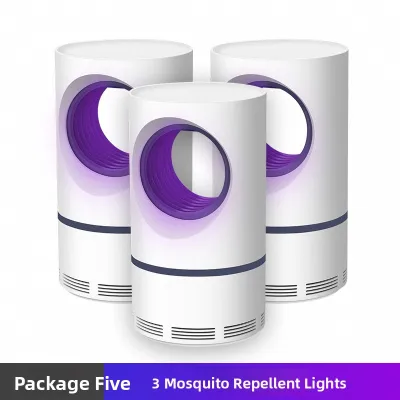
Prices are valid at publication and may change. Please refer to the product page for the latest price.
Age-Based Safety Rules for Baby Mosquito Repellents
During the first few weeks of life, a newborn’s skin barrier is still developing, making it thinner and far more permeable than adult skin. Because of this high permeability and the baby’s small body mass, topically applied chemicals are absorbed into the bloodstream much more easily. For this reason, health authorities and pediatric societies agree that you should never apply any chemical anti mosquito repellent to a baby under 2 months old. During this early stage, physical barriers like fine mesh netting and protective clothing are the only safe methods of defense.
Once your baby reaches 2 months of age, their skin barrier has matured slightly, allowing for the cautious use of specific approved chemical repellents. However, this transition does not mean all commercial repellents are safe. Caregivers must carefully verify the active ingredient, its concentration, and the manufacturer’s age guidelines printed on the packaging. Consulting your pediatrician before introducing any new topical product to your infant is always the safest course of action.
As infants grow into toddlers, their natural curiosity and hand-to-mouth behaviors introduce new safety risks. Toddlers frequently rub their eyes, put their fingers in their mouths, and touch everything in their reach. If a repellent is applied to their hands or forearms, they can easily ingest the chemicals or transfer them to highly sensitive mucous membranes.
To prevent accidental poisoning or severe eye irritation, caregivers must maintain strict supervision over toddlers when repellents are in use. Store all repellent bottles completely out of reach of children, and never allow a toddler to handle or apply the product themselves.
Common Active Ingredients: What to Check on the Label
When shopping for an anti mosquito repellent, the most critical step is locating and reading the “Active Ingredients” section, which is typically found on the back or side panel of the packaging. This section lists the chemical compounds responsible for repelling insects, along with their exact percentages. Understanding these ingredients allows you to bypass marketing claims and make an informed decision based on pediatric safety guidelines.

Several active ingredients are commonly found in commercial repellents, each with distinct safety profiles for young children:
- DEET (N,N-Diethyl-meta-toluamide): DEET is one of the most widely studied repellents available. For babies over 2 months old, pediatric guidelines generally recommend using products with a low concentration of DEET, typically between 10% and 30%. Lower concentrations do not make the product less effective; they simply mean the protection lasts for a shorter duration, reducing the risk of prolonged chemical exposure on your baby's skin.
- Picaridin (Icaridin): This synthetic ingredient is modeled after a compound naturally found in black pepper plants. It is often favored by parents because it is virtually odorless, non-greasy, and less likely to irritate sensitive skin compared to DEET. Check the product packaging to ensure the specific formulation is approved for infants over 2 months of age.
- IR3535 (Ethyl butylacetylaminopropionate): Another synthetic option, IR3535 is known for its mildness and is commonly used in family-friendly formulations. Always verify the age limits and concentration levels on the label before applying it to your child.
- Oil of Lemon Eucalyptus (OLE) / PMD: While this ingredient is derived from natural sources, synthesized PMD and natural OLE are highly concentrated and can cause severe eye irritation. Major health organizations advise against using OLE or PMD on children under 3 years of age. It is crucial not to confuse OLE with pure lemon eucalyptus essential oil, though neither is recommended for infants.
Many parents assume that “natural” or “plant-based” labels automatically guarantee safety for infants. In reality, botanical ingredients like citronella, lemongrass, peppermint, and eucalyptus oils are not subject to the same rigorous safety and efficacy testing as synthetic active ingredients. These natural oils contain highly volatile compounds that can cause allergic contact dermatitis, skin sensitization, and respiratory irritation in young babies.
Before using any botanical repellent, check the product label for specific age restrictions and consult your pediatrician to ensure it is appropriate for your baby’s skin.
Step-by-Step Guide to Safe Application
To minimize chemical exposure and prevent skin irritation, the method of application is just as important as the ingredient you choose. Follow these steps to ensure safe application:
- Spray on adult hands first: Never spray an aerosol or pump repellent directly onto your baby's face or body. Instead, spray a small amount of the product into your own palms first, then gently rub it onto the baby's exposed skin. This method prevents the baby from inhaling the airborne mist and gives you precise control over where the chemical is applied.
- Avoid sensitive zones: Carefully apply the repellent only to the outside of your baby's clothing and to exposed skin. Strictly avoid applying the product to the baby's hands, as they are likely to put their fingers in their mouths. Keep the product away from the eyes, mouth, nose, ears, and any areas with cuts, scrapes, or irritated skin.
- Apply in a well-ventilated area: Always apply repellents outdoors or in an open, airy room. Applying sprays in confined indoor spaces can cause the chemical vapors to accumulate, increasing the risk of inhalation and respiratory irritation for both you and your baby.
- Wash skin and clothing after use: When you and your baby return indoors, wash the treated skin thoroughly with mild baby soap and warm water to remove any chemical residue. Additionally, wash any treated clothing before your baby wears it again to prevent cumulative exposure.
Physical Barriers and Environmental Prevention
In warm, humid climates like the Philippines, where mosquito populations thrive year-round, physical barriers and environmental controls serve as your primary and safest line of defense. Because these methods require no chemical application, they carry zero risk of skin irritation or systemic absorption, making them ideal for newborns and infants alike.
Using a fine-mesh mosquito net, locally known as a kulambo, is highly effective for protecting sleeping babies. Ensure your baby’s crib, playpen, and stroller are fitted with secure, breathable netting whenever they are resting.
When dressing your baby for outdoor trips, opt for lightweight, breathable, long-sleeved shirts and long pants. Loose-fitting clothing prevents mosquitoes from biting through the fabric to reach the skin. Choosing light-colored clothing is also beneficial, as dark colors tend to attract mosquitoes.
Controlling the environment around your home is equally vital for reducing exposure. Mosquitoes that carry dengue breed in clean, stagnant water, which can accumulate quickly in tropical climates. Regularly inspect your surroundings and eliminate standing water in flower pot saucers, open water drums, clogged roof gutters, and discarded containers.
Indoors, ensure that window and door screens are intact and free of tears. Keep doors closed as much as possible, and use electric fans in rooms where your baby plays or sleeps. The constant air movement created by a fan makes it difficult for mosquitoes to fly and land, naturally keeping them away from your child.
Finally, plan your outdoor activities to minimize exposure during peak mosquito hours. Many mosquito species are most active during dawn and dusk. Keeping your baby indoors during these transition hours significantly reduces their chances of being bitten.
Recognizing Reactions and When to See a Doctor
Even when you use approved ingredients and follow safe application steps, a baby’s skin can occasionally react to topical products. Caregivers must remain vigilant and monitor their child’s skin closely after applying any repellent.
If you notice signs of skin irritation—such as redness, a localized rash, swelling, or persistent itching—stop using the product immediately. Take your baby to a sink or bath and wash the treated skin thoroughly with mild soap and cool water to remove all traces of the repellent.
Keep a close eye on the affected area over the next few hours. If the rash persists, spreads, or is accompanied by swelling of the face or difficulty breathing, seek emergency medical care immediately.
In addition to monitoring for skin reactions, keep a close watch for signs of mosquito-borne illnesses, especially if you live in or have visited an area with active dengue transmission. Symptoms of mosquito-borne infections in infants can be subtle and may include an unexplained fever, unusual lethargy, extreme fussiness, or a sudden body rash.
Because these infections can progress rapidly in young children, do not wait for symptoms to worsen. Consult a pediatrician or seek prompt medical evaluation at the first sign of unexplained illness.
Frequently Asked Questions (FAQ) (FAQ)
Can I use plant-based or essential oil repellents on my baby?
You should always check the product label and consult your pediatrician before using plant-based or essential oil repellents on a baby under 2 years old. Many of these botanical ingredients lack the rigorous safety and efficacy testing required for young infants. Additionally, natural essential oils contain volatile compounds that can cause skin sensitization, allergic contact dermatitis, or respiratory irritation on delicate baby skin.
Should I apply mosquito repellent under my baby's clothing?
No, you should never apply mosquito repellent under your baby’s clothing. Repellents are designed to be applied only to exposed skin and the exterior of clothing. Applying these products underneath garments traps the chemical active ingredients against the skin, which significantly increases skin absorption, heat retention, and the risk of localized skin irritation or systemic chemical exposure.
Community discussion
Share your experience or ask a question. Comments are reviewed before publication.