
In tropical environments like the Philippines, protecting infants from mosquito bites is a year-round priority. The seasonal rise in humidity and rainfall creates ideal breeding conditions for mosquitoes, making effective protection a critical health measure for families. However, a baby’s skin is highly sensitive, thin, and more permeable than adult skin, meaning that not all commercial repellents are safe for early childhood.
Parents must balance the necessity of preventing bites with the potential risks of chemical exposure. This guide clarifies which active ingredients are pediatrician-approved for infants under two years old, which must be strictly avoided, and how to apply these products safely to keep your little one protected.
Quick Guide: Safe and Unsafe Mosquito Repellent Ingredients for Infants
When protecting your baby from mosquitoes, age is the most critical factor. Chemical and topical repellents are not suitable for newborns, but specific ingredients are approved for older infants.
Products mentioned in this guide
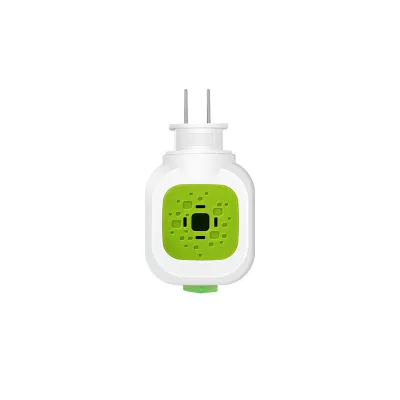
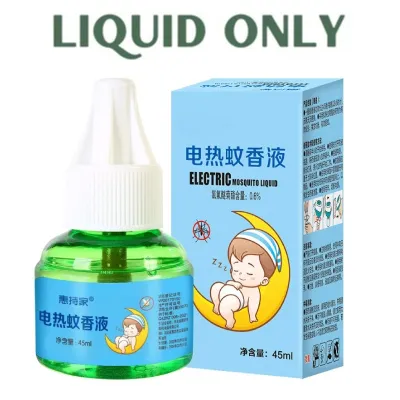
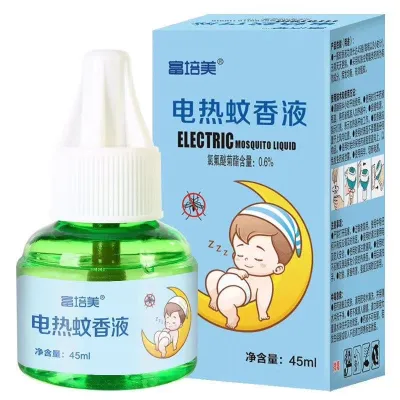
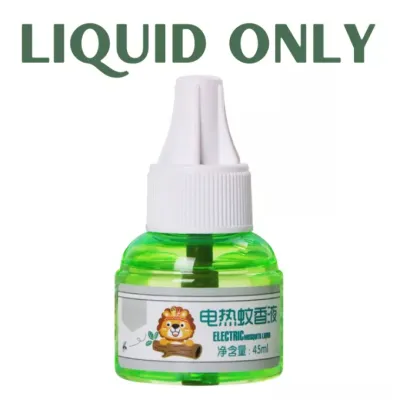
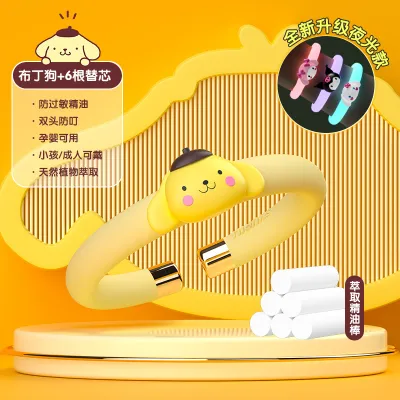
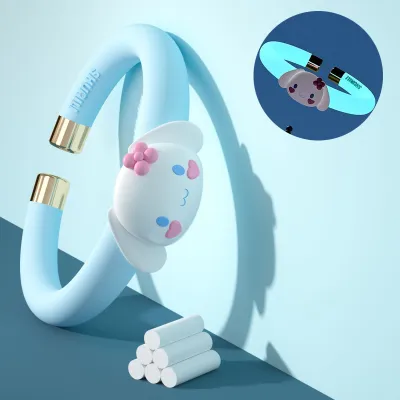
Prices are valid at publication and may change. Please refer to the product page for the latest price.
- Safe for babies 2 months and older: DEET (up to 30%), Picaridin (up to 20%), and IR3535. These active ingredients have undergone rigorous safety testing and are approved by major pediatric organizations when used according to manufacturer guidelines.
- Unsafe or not recommended under 2 years: Oil of Lemon Eucalyptus (OLE), PMD, unregulated essential oils (such as citronella, peppermint, or clove), and high-concentration DEET (above 30%).
- Under 2 months old: No chemical or topical repellents should be applied to the skin. Physical barriers, such as fine-mesh netting and protective clothing, are the only safe options for newborns.
Pediatrician-Approved Mosquito Repellent Ingredients for Babies
When reading ingredient labels on mosquito repellents, caregivers should look for specific, clinically tested active ingredients. In regions where high humidity and frequent rainfall create ideal breeding grounds for disease-carrying mosquitoes, choosing an approved ingredient ensures both reliable protection and dermatological safety.

DEET (N,N-Diethyl-meta-toluamide)
DEET remains one of the most extensively tested insect repellents available, backed by decades of safety data. For babies older than two months, pediatricians approve the use of DEET in concentrations between 10% and 30%.
It is a common misconception that higher concentrations of DEET are stronger or more effective at repelling insects. In reality, the concentration determines only the duration of protection. A 10% DEET formulation provides approximately two hours of protection, whereas a 30% formulation lasts for about six hours.
To minimize chemical exposure, select the lowest effective concentration based on how long your baby will be outdoors. For a short stroll in the afternoon, a lower concentration is preferable. Always verify the concentration on the product label before application.
Picaridin (Icaridin)
Picaridin is a synthetic ingredient modeled after a compound found in black pepper plants. It is widely recommended as a highly effective alternative to DEET and is approved for infants over two months of age at concentrations of 10% to 20%.
Picaridin offers several practical advantages for parents. It is virtually odorless, non-greasy, and does not carry the risk of damaging synthetic fabrics, plastics, or watch crystals, which can occur with DEET formulations.
Additionally, Picaridin is less likely to cause skin irritation, making it an excellent option for babies with sensitive skin. It provides comparable protection times to DEET at similar concentrations, offering reliable defense against biting insects.
IR3535
IR3535 (Ethyl butylacetylaminopropionate) is a synthetic amino acid-based repellent that is structurally similar to beta-alanine. Approved for babies over two months old, this ingredient is known for its excellent safety profile and gentle action on the skin.
This active ingredient is frequently formulated into milder, hypoallergenic insect repellents designed specifically for young children. It is well-tolerated by sensitive skin and carries a low risk of systemic absorption.
While highly effective, IR3535 may offer slightly shorter protection times against certain aggressive mosquito species compared to equivalent concentrations of DEET or Picaridin. Consequently, it may require more frequent reapplication if your child is outdoors for extended periods. Caregivers should consult the manufacturer’s label to determine the exact reapplication intervals.
Mosquito Repellent Ingredients to Avoid for Babies Under 2
Many products on store shelves are marketed as “natural” or “baby-safe,” but they may contain active ingredients that pose health risks to infants. Understanding what to avoid is just as important as knowing what is safe.
Oil of Lemon Eucalyptus (OLE) and PMD
Oil of Lemon Eucalyptus (OLE) and its synthetic counterpart, para-menthane-3,8-diol (PMD), are popular ingredients in botanical insect repellents. While they are effective repellents, major international health and pediatric authorities explicitly advise against using OLE or PMD on children under three years of age.
This restriction is due to a lack of comprehensive safety data for younger age groups and a documented risk of severe eye and skin irritation.
It is crucial for parents to distinguish between OLE/PMD and pure lemon eucalyptus essential oil. Pure essential oils are unregulated, evaporate very quickly, and do not provide reliable protection against disease vectors, while still posing a risk of skin sensitization.
Unregulated Essential Oils and "Natural" Blends
Many products marketed as “natural” or “organic” rely on essential oils like citronella, lemongrass, peppermint, rosemary, and cedarwood. While appealing to parents seeking mild alternatives, “natural” does not inherently mean safe or effective for infant skin.
Unregulated essential oils can cause allergic contact dermatitis, localized skin irritation, and respiratory issues when inhaled. A baby’s skin barrier is delicate, making it highly susceptible to reactions from concentrated botanical oils.
Furthermore, these botanical oils are highly volatile, meaning they evaporate rapidly from the skin. They typically provide only 20 to 30 minutes of protection, leaving the baby vulnerable to mosquito bites shortly after application. In regions where mosquito-borne illnesses are endemic, relying on these short-acting mixtures can expose your child to unnecessary health risks.
High-Concentration DEET and Combination Sunscreen-Repellents
Repellents containing more than 30% DEET should never be used on babies or young children. High concentrations increase the risk of systemic absorption through the skin, which can lead to adverse neurological or dermatological reactions.
Additionally, caregivers must avoid combination sunscreen-repellent products. Sunscreen requires generous and frequent reapplication—typically every two hours, or more often when sweating or playing in water.
Applying a combination product this frequently leads to an unsafe buildup of active repellent ingredients on the baby’s skin. Instead, purchase separate products. Apply the sunscreen first, allow it to absorb fully into the skin for 15 to 20 minutes, and then apply the mosquito repellent over it.
How to Safely Choose and Apply Mosquito Repellent on Infants
Applying insect repellent to an infant requires specific precautions to prevent accidental ingestion, inhalation, or skin irritation. Always prioritize the manufacturer’s specific instructions on the product packaging.
- Label Verification: Before purchasing any mosquito repellent, inspect the packaging carefully. Ensure the product is registered with local health authorities, such as the Food and Drug Administration of the Philippines, or international equivalents. Look for a clear list of active ingredients and their exact percentages.
- The Adult-First Method: Never spray an insect repellent directly onto a baby's face or body. This minimizes the risk of accidental inhalation or eye contact. Instead, spray the product onto your own hands first, rub them together, and then gently pat or rub the repellent onto your baby's exposed skin and clothing.
- Exclusion Zones: When applying repellent, avoid the baby's hands entirely. Infants frequently place their hands, fingers, and toys into their mouths, which can lead to accidental ingestion of the chemical active ingredients. Do not apply repellent near the eyes, mouth, nose, or on any cuts, scrapes, or irritated skin. Additionally, do not apply repellent under clothing; only apply it to exposed skin areas and the outside of garments.
- Monitoring and Removal: Keep a close eye on your baby's skin after application. If you notice any redness, swelling, or a rash, discontinue use immediately. Wash the skin thoroughly with mild soap and water to remove the product, and consult a pediatrician. Once your baby is safely back indoors, wash all treated skin with soap and water, and launder the treated clothing before it is worn again.
Non-Chemical Mosquito Protection for Newborns and Young Infants
For newborns and infants under two months of age, chemical repellents are not safe. Physical barriers and environmental modifications are the primary line of defense, and they also serve as excellent supplementary protection for older babies.
- Physical Barriers: Utilize fine-mesh mosquito netting over strollers, infant car seats, bassinets, and cribs. Ensure the netting is pulled taut and does not drape closely enough to the baby's face to pose a suffocation hazard.
- Clothing: Dress your baby in loose-fitting, light-colored clothing. Tight fabrics can allow mosquitoes to bite directly through to the skin, while dark colors tend to attract mosquitoes. Ensure the clothing covers the arms and legs completely.
- Environmental Control: Eliminate standing water around your home, including in flower pots, buckets, and drainage gutters, as these are primary breeding sites for mosquitoes. Install tight-fitting screens on windows and doors. Utilizing an electric fan in the baby's room can also help, as mosquitoes are weak flyers and struggle to navigate strong air currents.
- Timing: Limit outdoor activities during peak mosquito biting times. Many mosquito species are typically most active during dawn and dusk, so planning indoor activities during these hours can significantly reduce bite risks.
Frequently Asked Questions (FAQ)
Are mosquito repellent patches, stickers, or wristbands safe and effective for babies?
While mosquito repellent patches, stickers, and wristbands are popular due to their convenience and lack of direct skin contact, they are generally not recommended as a primary defense. These spatial repellents rely on essential oils that create a localized vapor barrier, which is easily disrupted by wind, humidity, or movement. Consequently, they leave most of the baby’s body unprotected. Furthermore, these small accessories pose a significant choking hazard. Curious babies can easily peel off stickers or patches and place them in their mouths. For reliable protection, stick to pediatrician-approved topical repellents or physical nets.
What should I do if my baby accidentally gets repellent in their eyes or mouth?
If repellent accidentally comes into contact with your baby’s eyes, immediately flush them gently with lukewarm water for 10 to 15 minutes. Hold the eyelid open gently to ensure thorough rinsing, and contact a pediatrician if redness or irritation persists. If the baby ingests repellent or puts their hands in their mouth shortly after application, wipe their mouth clean with a damp cloth and offer a small amount of water or milk to rinse the taste. Contact a local poison control center or seek medical attention immediately. Do not attempt to induce vomiting unless explicitly instructed to do so by a medical professional.
Community discussion
Share your experience or ask a question. Comments are reviewed before publication.