
Protecting a baby under two years old from mosquito bites is a top priority for parents, especially in tropical climates like the Philippines where mosquito-borne illnesses such as dengue are a constant concern. However, because an infant’s skin is thinner, more sensitive, and more absorbent than adult skin, choosing a mosquito repellent requires extreme caution. The safest approach is to prioritize physical barriers for infants under six months and carefully verify the active ingredients, concentrations, and age labels on any topical repellent used for older babies.
Identifying Common Mosquito Repellent Ingredients
When shopping for a mosquito repellent, you will generally encounter two main categories of active ingredients: synthetic chemical compounds and plant-based oils. Synthetic ingredients include DEET, picaridin, and IR3535, which are widely studied for their ability to disrupt a mosquito’s sensing mechanisms. Plant-based options often feature essential oils such as citronella, lemongrass, peppermint, or oil of lemon eucalyptus (OLE).
It is vital to look past the front-of-package marketing and read the active ingredients list on the back label. Marketing terms like “all-natural,” “organic,” or “green” can be misleading, as they do not automatically mean a product is safe or non-irritating for a baby’s delicate skin. Some natural plant oils can be highly sensitizing and may trigger allergic reactions or skin irritation just as easily as synthetic chemicals if formulated incorrectly.
Products mentioned in this guide
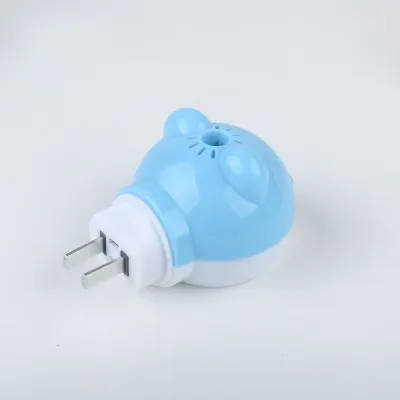
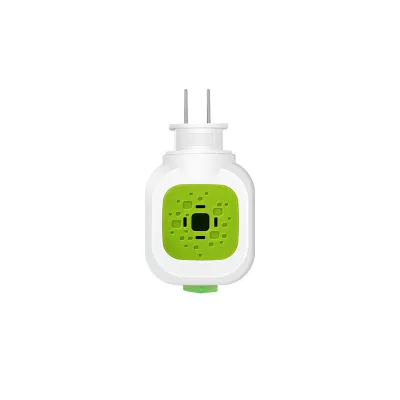
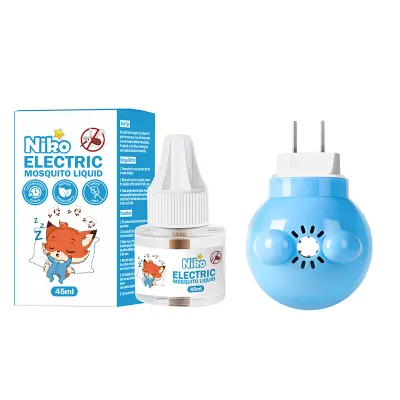
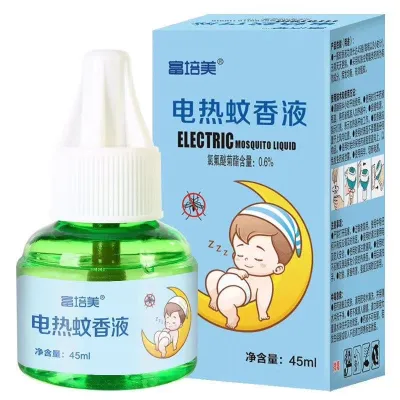
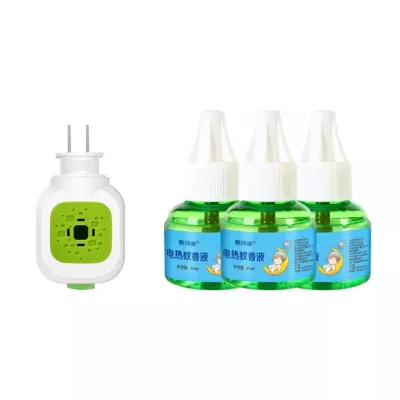
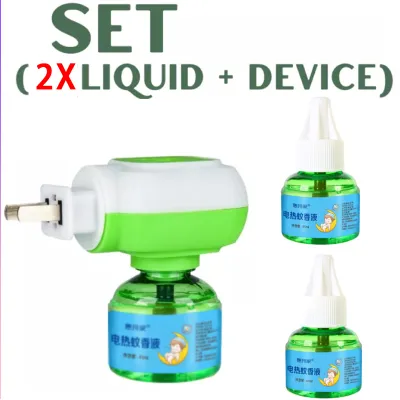
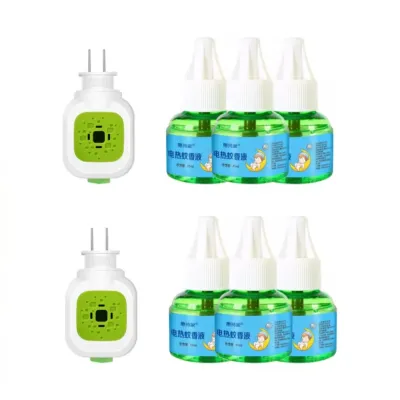
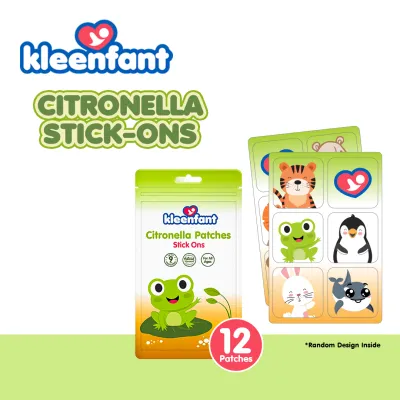
Prices are valid at publication and may change. Please refer to the product page for the latest price.
Furthermore, certain natural ingredients carry strict age restrictions that surprise many parents. For instance, oil of lemon eucalyptus (OLE) and its synthetic equivalent PMD are widely advised against for children under three years old. Understanding these distinctions helps you filter out products that are inappropriate for a child under two, regardless of how appealing the “natural” branding might seem.
Verifying Age Restrictions and Safety Labels
Before applying any topical repellent to your baby, you must verify the manufacturer’s explicit age recommendations on the packaging. Many regulatory bodies and pediatric associations advise against using any topical chemical repellents on infants under two months of age. For babies older than two months, the suitability of an ingredient depends heavily on its concentration and the specific formulation.

When evaluating a product, look for the exact percentage of the active ingredient rather than relying on vague claims like “baby-safe” or “ultra-gentle.” For example, if you and your pediatrician decide to use a DEET-based product, guidelines generally recommend using a low concentration (typically 10% to 30% depending on local medical advice) and limiting the number of applications per day. Checking these percentages ensures you do not accidentally expose your baby to high-strength adult formulas.
Because guidelines can vary and infant health is highly individualized, always consult your pediatrician in the Philippines before introducing a new repellent. A local healthcare provider can offer personalized advice tailored to your baby’s developmental stage, skin history, and the specific mosquito risks in your neighborhood. They can help you weigh the protective benefits against any potential skin sensitivity risks.
Recognizing Ingredients That Require Caution
Some ingredients require a high degree of caution or should be avoided entirely for babies under two. Undisclosed or highly concentrated essential oils pose a significant risk. Because essential oils are highly volatile, applying them undiluted or in high concentrations can cause severe skin sensitization, chemical burns, or respiratory discomfort in young infants who breathe in the strong vapors.
You should also exercise caution with products that combine sunscreen and insect repellent. While these combination products might seem convenient for a day out in the sun, they are generally not recommended for infants. Sunscreen typically needs to be reapplied every two hours, whereas insect repellent should be applied sparingly and much less frequently; combining them can lead to an accidental over-application of the repellent ingredients.
Always monitor your baby’s skin closely after applying any new product. Look for observable signs of irritation, such as redness, swelling, small bumps, or if your baby begins scratching or rubbing the area. If you notice any of these signs, immediately stop using the product, wash the skin thoroughly with mild soap and cool water, and contact your pediatrician if the irritation does not subside.
Combining Repellents With Physical Protection
Given the ingredient limitations for babies under two, physical barriers should always serve as your primary line of defense against mosquitoes. In the warm and humid climate of the Philippines, dressing your baby in lightweight, loose-fitting, and breathable long-sleeved shirts and long pants provides excellent protection without causing overheating. Light-colored clothing is preferable, as mosquitoes are often attracted to darker colors.
Another highly effective strategy is applying physical barriers to your baby’s gear rather than their skin. Using a fine-mesh mosquito net over cribs, strollers, playpens, and infant carriers keeps insects at bay without any chemical exposure. If you choose to use a repellent, you can apply it to the outside of the stroller fabric or the baby’s clothing (ensuring it dries completely before putting it on the baby) rather than directly on their skin.
At home, minimizing mosquito exposure through environmental controls reduces the need for topical products altogether. Ensure that window and door screens are intact and free of holes, and use standing fans to create a breeze, as mosquitoes are weak fliers and struggle to land in moving air. Regularly inspect your surroundings to eliminate any standing water in flower pots, buckets, or drains where dengue-carrying mosquitoes like to breed.
Frequently Asked Questions (FAQ)
Can I dilute an adult mosquito repellent to make it safe for my baby?
No, you should never attempt to dilute an adult mosquito repellent to make it suitable for a baby. Commercial repellents are carefully formulated chemical mixtures, and adding water, lotion, or oils at home can cause the active ingredients to separate or pool unevenly. This results in some patches of skin receiving no protection while other areas are exposed to dangerously high, concentrated doses of the chemical. Always rely on manufacturer-formulated products that are explicitly tested, labeled, and certified for your baby’s specific age group.
Are mosquito repellent patches, stickers, or bracelets safe for infants?
Repellent patches, stickers, and bracelets can be useful non-skin-contact alternatives, but they require strict caregiver supervision. Many of these accessories rely on highly concentrated essential oils like citronella to create a vapor barrier, which can still cause skin irritation if they come into direct contact with your baby’s sensitive skin or eyes. Additionally, babies under two explore their world by putting objects in their mouths; a detachable sticker or bracelet poses a serious choking hazard if peeled off and swallowed. If you use these products, place them strictly out of your baby’s reach, such as on the back of their clothing or on the outer frame of a stroller, and monitor them constantly.
Community discussion
Share your experience or ask a question. Comments are reviewed before publication.