
Living in a tropical environment like the Philippines means dealing with high humidity, frequent rainfall, and a year-round presence of mosquitoes. For parents, protecting an infant from these pests is not just about preventing itchy bites; it is a critical step in shielding them from serious mosquito-borne diseases like dengue. However, a baby’s delicate, highly permeable skin requires a cautious approach. Finding a safe mosquito repellant for baby involves understanding which active ingredients are appropriate for your child’s specific developmental stage.
Quick Answer: General Age Guidelines for Baby Mosquito Repellents
When choosing a protective product, age is the most important factor to consider. For newborns and infants under 2 months old, chemical and plant-based repellents should never be applied directly to the skin; physical barriers are the only safe option. Once a baby reaches 2 months of age, synthetic ingredients such as DEET and Picaridin are widely recognized as safe and effective when used according to the manufacturer’s instructions.
Conversely, Oil of Lemon Eucalyptus (OLE) and its synthetic derivative PMD should be avoided entirely for children under 3 years old. Because every child’s skin is unique, always consult a pediatrician before introducing a new repellent, especially if your baby has sensitive skin, eczema, or an underlying health condition.
Products mentioned in this guide
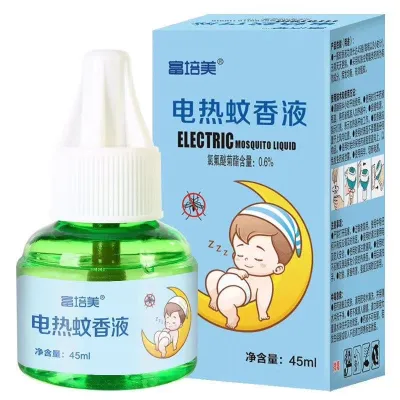
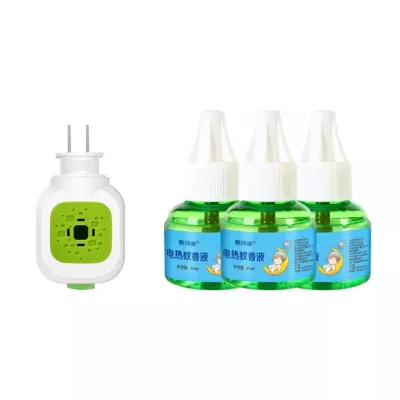
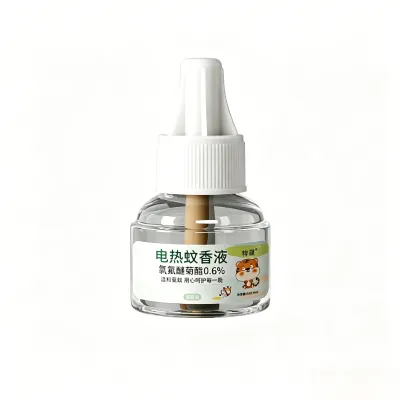
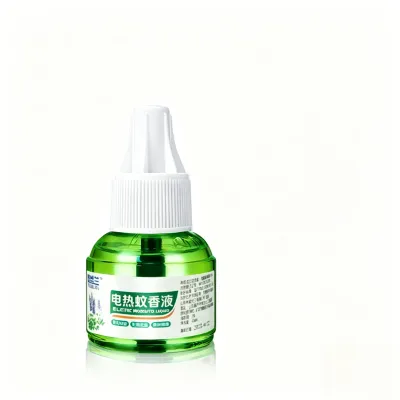
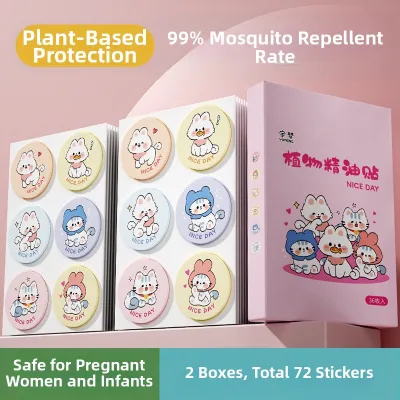
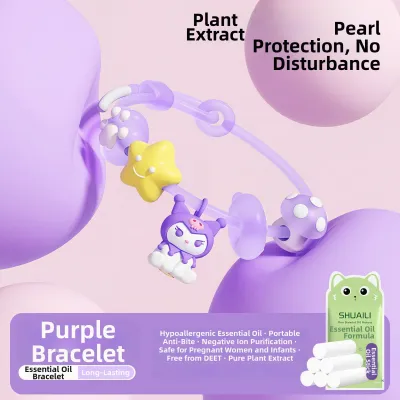
Prices are valid at publication and may change. Please refer to the product page for the latest price.
Common Active Ingredients in Mosquito Repellant for Baby: Safety Profiles and Age Limits
Commercial repellents rely on specific active ingredients to keep insects at bay. Understanding how these chemicals behave on delicate skin helps you make an informed and safe choice.

DEET and Picaridin
DEET (N,N-diethyl-meta-toluamide) and Picaridin (icaridin) are the two most thoroughly researched synthetic ingredients used to deter biting insects. They work by vaporizing on the skin, creating a sensory barrier that disrupts the mosquito’s ability to detect human sweat, lactic acid, and carbon dioxide. This interference prevents the insect from landing and biting.
Both ingredients are widely endorsed by pediatric health organizations as safe for infants who are 2 months of age and older. When purchasing a product, always check the label for the active ingredient concentration. It is a common misconception that a higher percentage of DEET or Picaridin makes the formula stronger or more effective. In reality, the concentration only determines how long the protection lasts. For example, a 10% concentration of DEET protects for about two hours, while a 30% concentration can last up to five hours. For short outdoor periods, such as a quick walk in the neighborhood or playtime in the yard, choose the lowest effective concentration to minimize unnecessary chemical exposure on your baby’s skin.
IR3535
IR3535 (Ethyl butylacetylaminopropionate) is another synthetic active ingredient frequently found in products marketed as gentle or family-friendly. Derived from a naturally occurring amino acid, beta-alanine, IR3535 is highly effective at repelling mosquitoes and ticks. It is generally considered safe for babies aged 2 months and older, though parents must always verify the specific manufacturer’s label instructions, as some formulations may have unique age limits.
One of the main advantages of IR3535 is its pleasant cosmetic profile. It is virtually odorless, feels less greasy on the skin than traditional DEET, and does not damage synthetic fabrics or plastics. However, it typically offers a slightly shorter duration of protection compared to equivalent concentrations of DEET, meaning it may require more frequent reapplication if you are spending extended periods outdoors in highly active mosquito zones.
Oil of Lemon Eucalyptus (OLE) and PMD
It is vital to distinguish between pure, unprocessed essential oil of lemon eucalyptus and the registered active ingredients known as OLE or PMD (para-menthane-3,8-diol). Pure essential oil is not chemically standardized and is not recommended as an effective insect repellent. In contrast, OLE and its synthetic counterpart PMD are refined, registered active ingredients that provide reliable protection against mosquitoes.
Despite their plant-derived origins, OLE and PMD carry a strict age restriction and must not be used on children under 3 years old. This limitation is due to a lack of comprehensive safety testing on younger infants, as well as the potential for these concentrated botanical compounds to cause skin irritation or respiratory sensitivities. Parents should read the active ingredient list on packaging carefully. Marketing terms like “botanical,” “natural,” or “herbal” can easily mislead consumers into thinking a product is mild enough for a newborn, when it may actually contain ingredients that are unsafe for toddlers under three.
Essential Oils and "Natural" Blends
Many parents naturally gravitate toward “natural” blends containing essential oils such as citronella, peppermint, lemongrass, rosemary, or soybean oil, assuming they are inherently safer than synthetic alternatives. However, natural does not automatically mean safe or gentle for a baby’s delicate system. Essential oils are highly concentrated chemical mixtures that can trigger allergic contact dermatitis, severe skin irritation, or respiratory distress when inhaled by infants.
Furthermore, these natural formulations typically offer very short protection times, often evaporating within 20 to 30 minutes of application. Because they do not provide long-lasting or highly reliable protection, major health authorities do not recommend essential oil blends as a primary defense against disease-carrying mosquitoes in areas where dengue is prevalent. If you choose to use a natural blend, verify that it is specifically labeled as safe for your baby’s age group and monitor their skin closely for any adverse reactions.
How to Safely Apply Repellents Based on Your Baby's Age
Applying insect repellent safely requires different strategies depending on how old your child is. Physical barriers and careful application techniques are essential to minimize health risks.
Under 2 Months: Rely on Physical Barriers
For newborns and infants under 2 months of age, chemical and botanical repellents are unsafe because their skin is thin, highly absorbent, and their internal metabolic pathways are still developing. Instead, parents must rely entirely on physical barriers to keep mosquitoes at bay.
Covering strollers, infant car seats, and baby carriers with fine mesh netting (such as a traditional kulambo or a specialized elasticized stroller net) is an incredibly effective way to create a physical shield. Ensure the netting is securely attached and does not drape directly onto the baby’s face or body to prevent any risk of suffocation or entanglement.
Additionally, dress your baby in loose-fitting, light-colored clothing that covers their arms and legs. Light colors are less attractive to mosquitoes and make it easier to spot any insects that manage to land on the fabric. In a warm climate like the Philippines, choose lightweight, breathable cotton fabrics to prevent the baby from overheating. Finally, plan your outdoor activities to avoid peak mosquito hours, which typically occur during dawn and dusk when local mosquito species are most active.
2 Months to 3 Years: Safe Application of Approved Ingredients
When applying approved active ingredients like DEET, Picaridin, or IR3535 to babies between 2 months and 3 years old, the method of application is just as important as the ingredient itself. Never spray a repellent directly onto a baby’s body or face, as this can lead to accidental inhalation or eye contact. Instead, spray the product onto your own hands first, then gently rub it onto the baby’s exposed skin, avoiding their face entirely.
Take extra care to avoid applying repellent to specific sensitive areas. These include the eyes, mouth, nose, ears, open cuts, scrapes, or irritated skin. Crucially, do not apply repellent to a baby’s hands or fingers. Infants constantly put their hands in their mouths and rub their eyes, which can easily lead to accidental chemical ingestion or painful eye irritation.
If you need to apply both sunscreen and insect repellent, always apply the sunscreen first. Allow the sunscreen to absorb fully into the skin for 15 to 20 minutes before applying the mosquito repellent over it. Avoid using combination sunscreen-repellent products, as sunscreen needs to be reapplied frequently, whereas repellent should be applied sparingly to prevent overexposure.
3 Years and Older: Broadening Your Options
Once a child reaches 3 years of age, their skin barrier and respiratory systems are more resilient, allowing you to expand your protective options. At this stage, products containing Oil of Lemon Eucalyptus (OLE) or PMD can be safely introduced, provided your child does not have specific skin sensitivities or allergies to these botanical compounds.
Even though your options have broadened, the fundamental safety rules of application still apply. You must continue to avoid applying repellent to the child’s hands, face, or damaged skin, and always apply the repellent over sunscreen rather than underneath it.
Additionally, establish a routine of washing the repellent off with soap and clean water as soon as your child comes back indoors. This simple step prevents the active ingredients from remaining on the skin unnecessarily overnight, minimizing the risk of cumulative skin irritation. Wash treated clothing before your child wears it again.
Essential Safety Precautions and When to Stop Use
Using mosquito repellents safely involves managing the surrounding environment, monitoring your baby for side effects, and knowing exactly how to respond if an adverse reaction occurs.
Environmental Safety To protect your baby’s respiratory health, never spray insect repellents in enclosed spaces, such as inside a vehicle, a small bedroom, or near food. Always apply sprays outdoors or in a well-ventilated area to allow the mist to disperse quickly. Furthermore, never apply repellent underneath clothing. Trapping the active ingredients between the fabric and your baby’s warm, humid skin can cause severe contact dermatitis and significantly increase chemical absorption into their bloodstream.
Monitoring and Side Effects After applying any repellent, monitor your baby’s skin and behavior closely. Mild side effects, such as localized redness or a slight dry patch, can sometimes occur and may simply require washing the area. However, you must watch for signs of a severe allergic reaction or systemic toxicity. These signs include hives, a widespread rash, blistering, swelling of the face or limbs, persistent coughing, wheezing, vomiting, or unusual lethargy.
Action Plan If you suspect your baby is having an adverse reaction to a repellent, immediately wash the treated skin thoroughly with mild soap and clean water to remove any remaining product. If the symptoms are severe, such as difficulty breathing, vomiting, or a rapidly spreading rash, seek emergency medical care immediately or contact a local poison control center. Always bring the product container with you to the clinic or hospital so the medical professionals can identify the exact active ingredient and concentration used.
Storage Always store insect repellents, including sprays, lotions, patches, and wipes, in a secure location out of reach of children. Many commercial repellents have bright packaging or pleasant scents that can attract toddlers, making safe storage a critical priority to prevent accidental ingestion or eye exposure.
Frequently Asked Questions (FAQ)
Can I spray mosquito repellent directly on my baby's clothes?
Yes, applying repellent to clothing can provide an extra layer of defense, but you must do so with caution. Always check the product label first to ensure the active ingredient is safe for fabrics, as some chemicals, like DEET, can damage synthetic fibers, plastics, and synthetic leather. Never spray clothing while your baby is wearing it, as this increases the risk of inhalation and skin irritation. Instead, spray the garments outdoors, allow them to dry completely, and then dress your baby.
Are citronella bracelets or patches safe for newborns?
While mosquito patches and bracelets are marketed as safe because they do not require direct skin application, they are not recommended for newborns. The highly concentrated essential oils, such as citronella, emitted by these products can cause respiratory irritation or trigger allergic reactions in an infant’s sensitive airway. Furthermore, these wearable items only offer highly localized protection, leaving the rest of the baby’s body exposed. For reliable protection against disease-carrying mosquitoes, physical netting remains a far safer and more effective choice for newborns.
What should I do if my baby accidentally ingests the repellent?
If your baby accidentally ingests insect repellent, act quickly but remain calm. Do not induce vomiting, as this can cause the chemicals to enter the lungs and cause severe respiratory damage. Instead, gently wipe the baby’s mouth with a damp cloth and offer a small sip of water or milk if the child is fully conscious and able to swallow. Immediately contact a poison control center or seek emergency medical attention, and be sure to bring the product container with you so the medical team knows exactly what was ingested.
Community discussion
Share your experience or ask a question. Comments are reviewed before publication.