
Protecting your baby from mosquito bites is a top priority, especially in tropical climates like the Philippines where dengue is a year-round concern. However, when searching for the right mosquito repellent baby options, parents quickly realize that what is safe for adults can be harmful to a developing infant. A baby’s skin is highly sensitive, and their internal organs are still maturing, meaning they absorb and process topical chemicals differently than adults do.
To keep your child safe, you must navigate a complex landscape of active ingredients, concentrations, and age-specific restrictions. While some chemical repellents are highly effective and safe for older infants, newborns require an entirely different approach focused on physical barriers. Understanding these distinctions is the key to preventing itchy bites and serious insect-borne diseases without exposing your baby to unnecessary chemical risks.
Core Safety Rules: Physical Protection vs. Chemical Repellents
For newborns and very young infants under two months of age, physical barriers are the only recommended and safe protection methods. During this early developmental stage, a baby’s skin is incredibly delicate and lacks the protective barrier function of older children. Applying any topical chemical repellent—even those marketed as natural or organic—is unsafe because their bodies cannot yet process these substances.
Products mentioned in this guide
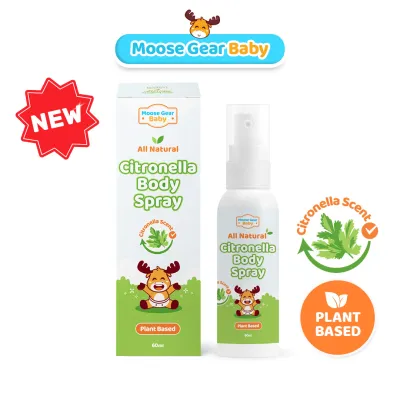
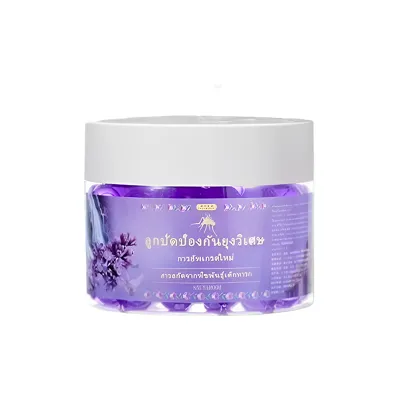
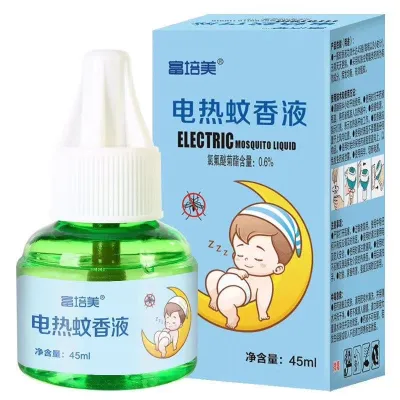
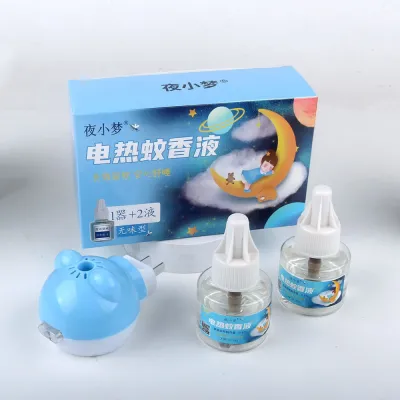
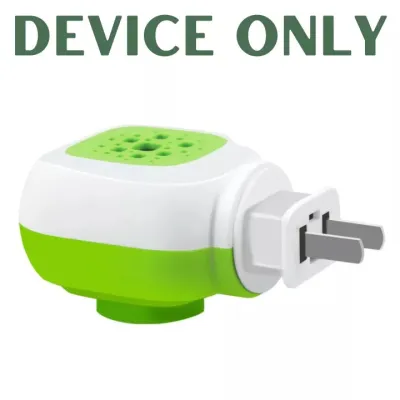
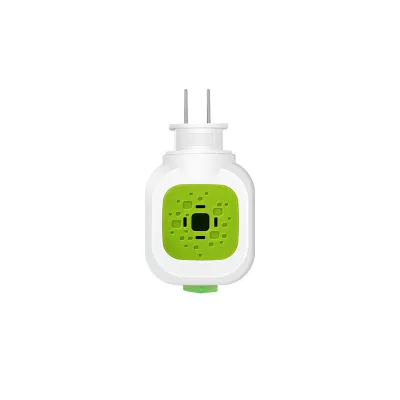
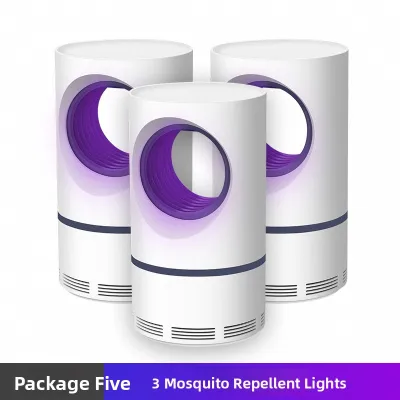
Prices are valid at publication and may change. Please refer to the product page for the latest price.
Instead of topical products, rely entirely on physical defense mechanisms to keep mosquitoes at bay. Dress your baby in lightweight, loose-fitting, long-sleeved shirts and long pants that cover as much skin as possible. In hot and humid tropical environments, choose breathable, tightly woven cotton fabrics to prevent overheating while maintaining a physical barrier. Additionally, use fine-mesh mosquito nets specifically designed for cribs, playpens, strollers, and infant carriers. Ensure the net is draped securely and does not sag near the baby’s face, providing a safe, chemical-free zone.
A baby’s skin is structurally different from adult skin, making age-specific guidelines critical. Their outer skin layer, the stratum corneum, is significantly thinner, which highly increases its permeability. Furthermore, infants have a much larger skin surface area relative to their body weight compared to adults. This means any chemical applied to their skin is absorbed more rapidly and in a higher relative concentration into their bloodstream. Because an infant’s liver and kidneys are still developing, their capacity to metabolize and excrete absorbed chemicals is limited, raising the risk of systemic toxicity.
Before introducing any new topical repellent to your baby’s skin, consult your pediatrician. This step is particularly vital if your child has pre-existing skin conditions, such as eczema, infant acne, or highly sensitive skin. A healthcare professional can provide personalized advice based on your baby’s health history and the local insect-borne disease risks in your area. If at any point the instructions on a product label conflict with your pediatrician’s advice, defer to the medical professional.
Choosing a Safe Mosquito Repellent Baby Product: Ingredients and Age Guidelines
DEET and Picaridin
DEET (N,N-Diethyl-meta-toluamide) and Picaridin (also known as Icaridin) are the gold standards of insect repellent active ingredients, widely recognized for their efficacy against disease-carrying mosquitoes. However, global pediatric consensus dictates that neither ingredient should ever be used on infants under two months of age. For babies older than two months, these ingredients are highly effective, but caregivers must pay close attention to concentration levels.

When selecting a DEET-based product for an older baby, look for concentrations between 10% and 30%. A lower concentration does not mean the product is less effective at repelling insects; rather, it simply means the protection lasts for a shorter duration. For example, a 10% DEET product generally protects for about two hours, while a 30% concentration can last up to five hours. For infants, choose the lowest concentration that covers the duration of their outdoor exposure to minimize chemical absorption. Avoid products with concentrations exceeding 30% on children, and always verify the manufacturer’s age warnings on the label, as some specific formulations may have higher age thresholds.
Picaridin is an excellent synthetic alternative to DEET, offering comparable protection with a lower risk of skin irritation. It is odorless, non-greasy, and does not damage synthetic fabrics or plastics. For babies over two months old, Picaridin concentrations of 10% to 20% are considered safe and effective. As with any chemical repellent, always verify the exact age suitability and application instructions on the specific product packaging before use, as inactive ingredients can sometimes alter the safety profile.
IR3535
IR3535 (Ethyl butylacetylaminopropionate) is a synthetic active ingredient structured similarly to the naturally occurring amino acid beta-alanine. It is renowned for its excellent safety profile and low toxicity, making it a popular ingredient in many family-friendly insect repellents. It provides reliable protection against mosquitoes, deer ticks, and biting flies.
While IR3535 is generally approved for use on infants aged two months and older, safety guidelines can vary significantly depending on the specific product formulation and local regulatory approvals. Parents must read the product documentation carefully to check for age and weight restrictions. Always verify that the IR3535 product is registered with local health authorities, such as the Food and Drug Administration (FDA) of the Philippines, to ensure it has undergone proper safety evaluations. If the product documentation does not explicitly state it is safe for infants of your child’s age, choose an alternative with clear, verified guidelines.
Oil of Lemon Eucalyptus (OLE) and PMD
Oil of Lemon Eucalyptus (OLE) and its synthetic counterpart, para-menthane-3,8-diol (PMD), are popular plant-derived active ingredients that offer strong protection against mosquitoes. However, they carry a strict and non-negotiable safety warning: they must never be used on children under three years of age.
This restriction is in place because OLE and PMD can cause severe eye irritation and have a higher potential to trigger respiratory issues and allergic skin reactions in young children. It is crucial to understand the difference between registered OLE/PMD products and pure, unregulated essential oils. Registered OLE products are highly refined and standardized to contain specific levels of PMD, whereas pure essential oils lack these standardized safety controls. Despite being plant-derived, the chemical intensity of OLE is too strong for a toddler’s developing respiratory system and delicate skin.
Natural Essential Oils (Citronella, Peppermint, and Others)
Many parents naturally gravitate toward repellents labeled ‘natural,’ ‘organic,’ or ‘plant-based,’ which frequently contain essential oils such as citronella, peppermint, lemongrass, eucalyptus, rosemary, or cedarwood. While these ingredients sound gentle, the label ‘natural’ does not automatically guarantee safety for babies.
Pure essential oils are highly concentrated plant extracts that can cause contact dermatitis, redness, swelling, and allergic reactions on an infant’s sensitive skin. Furthermore, because many plant-based repellents are classified as minimum-risk pesticides, they do not undergo the same rigorous safety and efficacy testing as registered chemical ingredients. Their protective effect is also highly volatile, often wearing off within 20 to 30 minutes, which tempts parents to reapply them frequently. This repeated application increases the risk of skin sensitization. If you choose to use a plant-based repellent, ensure it is specifically formulated and certified for babies, and always perform a patch test on a tiny, hidden area of the baby’s skin first to check for adverse reactions.
Safe Application Practices for Babies and Toddlers
Applying mosquito repellent to an active baby or toddler requires a careful, methodical approach to minimize the risks of accidental ingestion, inhalation, and eye irritation. Caregivers should never spray repellent directly onto a child’s body or face. The correct method is to spray or pour a small amount of the product onto your own hands first. Gently rub your palms together, and then manually pat or rub the repellent onto your baby’s exposed skin. This controlled application prevents the chemical mist from entering the baby’s airways or eyes.
There are several critical areas on a child’s body where repellent must never be applied. Avoid the baby’s hands and fingers entirely. Infants and toddlers frequently place their hands in their mouths and rub their eyes, which can quickly lead to accidental chemical ingestion or painful eye irritation. Additionally, do not apply repellent near the eyes, mouth, nose, or on any areas of skin that are irritated, sunburned, or have open cuts, scratches, or eczema patches.
When applying repellent, use only the minimum amount necessary to cover the exposed skin. Applying a thick, heavy layer does not increase the level of protection; it only increases the amount of chemical absorbed through the skin. Never apply chemical repellents under clothing. The fabric of tight clothes can trap the chemicals against the skin, creating a warm, moist environment that accelerates absorption and increases the risk of localized irritation.
Once your baby is safely back indoors and no longer at risk of mosquito bites, wash their treated skin thoroughly with mild baby soap and warm water. This step is essential to remove any residual active ingredients and prevent prolonged chemical exposure. If the repellent was applied over clothing, wash those garments before your child wears them again. If you are using a combination of sunscreen and insect repellent, always apply the sunscreen first, let it absorb completely for about 15 to 20 minutes, and then apply the insect repellent. Avoid combination sunscreen-repellent products, as sunscreen typically needs to be reapplied more frequently than repellent, which can lead to chemical overexposure. If product label instructions ever conflict with general guidelines or if the product is unidentified, stop use immediately and consult the manufacturer or a pediatric professional.
Monitoring for Side Effects and When to Seek Help
Despite taking every precaution, some babies may still experience adverse reactions to insect repellents. Caregivers must remain vigilant and monitor the child’s skin closely after application. Mild local irritation is the most common side effect and typically manifests as localized redness, a mild rash, minor swelling, or itching at the application site. If you observe any of these signs, immediately wash the area thoroughly with mild soap and water to remove the product, and discontinue using that specific repellent.
While severe systemic reactions are rare, they require immediate medical attention. Watch for symptoms of a severe allergic reaction or accidental ingestion, which include persistent vomiting, nausea, difficulty breathing, wheezing, widespread blistering, hives, or unusual lethargy and weakness. If a baby accidentally swallows repellent or gets a significant amount in their eyes, immediate action is necessary.
If your baby exhibits any severe symptoms, contact your pediatrician, visit the nearest emergency room, or contact the National Poison Management and Control Center immediately. When seeking medical help, always bring the exact product packaging and bottle with you. This allows healthcare professionals to quickly identify the active ingredients, concentration, and manufacturer details, ensuring they can administer the most effective and precise treatment.
Frequently Asked Questions (FAQ)
Can I use mosquito repellent on my baby's clothing instead of their skin?
Yes, applying mosquito repellent to your baby’s clothing is a highly effective way to minimize direct skin contact and reduce the risk of chemical absorption. However, you must check the product label to ensure the active ingredient is safe for fabrics. For example, high concentrations of DEET can damage, melt, or stain synthetic materials, plastics, and synthetic leather, whereas Picaridin is generally safe for all fabrics. Ensure the treated clothing is completely dry before putting it on your baby, and avoid applying repellent to areas of the clothing that your baby might chew, suck, or slobber on, such as cuffs, collars, or mittens.
Are mosquito repellent patches or stickers safe for newborns?
Mosquito repellent patches or stickers, which typically release volatile essential oils like citronella or peppermint, are generally not recommended for newborns. If stuck directly onto a baby’s delicate skin, the concentrated essential oils can cause localized allergic contact dermatitis. If placed on clothing, stroller frames, or cribs, these stickers present a severe choking hazard. Babies can easily peel them off and put them in their mouths. If you choose to use these patches on older infants, always place them completely out of the child’s reach—such as on the upper back of their clothing or the outer canopy of the stroller—and maintain constant caregiver supervision.
How often should I reapply repellent on my toddler?
You must strictly follow the reapplication intervals specified on the product’s manufacturer label. The duration of protection is determined by the active ingredient and its concentration, not by how much product you apply. In hot, humid tropical climates, heavy sweating or swimming will wash the repellent off, reducing its effectiveness. However, do not reapply the product more frequently than the label instructs, as this increases chemical exposure without boosting protection. If the protection window has passed but your child still needs defense, transition to physical barriers like long-sleeved clothing or move indoors.
Community discussion
Share your experience or ask a question. Comments are reviewed before publication.