
Which Mosquito Repellent Ingredients Are Safe for Babies?
Protecting your baby from mosquito bites is a top priority, especially in tropical climates like the Philippines where high humidity and seasonal rains create the perfect breeding ground for disease-carrying mosquitoes. However, when it comes to choosing a mosquito repellent baby product, there is no single ingredient that is universally safe for all developmental stages. A repellent that is safe for a toddler can pose serious health risks to a newborn.
Safety depends strictly on your baby’s exact age, the active ingredient used, and its concentration. Caregivers must always read the product label to verify the manufacturer’s minimum age requirements, application limits, and concentration guidelines before use. Because infant skin is highly sensitive and absorbs substances more readily than adult skin, it is highly recommended to consult your pediatrician before introducing any new chemical or plant-based repellent to your baby’s routine, particularly during peak dengue seasons.
Age-Specific Guide to Repellent Ingredients
Selecting the right protection requires matching the active ingredients in a repellent to your child’s specific age group. General guidelines can help you narrow down your choices, but they should never replace the specific safety warnings printed on product packaging or the personalized advice of your pediatrician.
Products mentioned in this guide
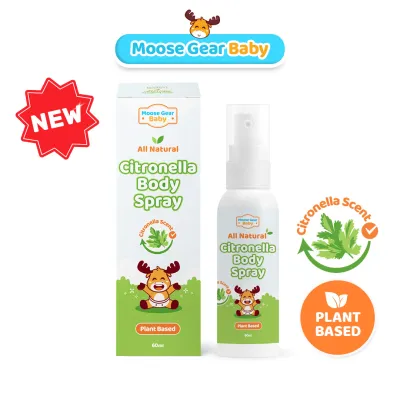
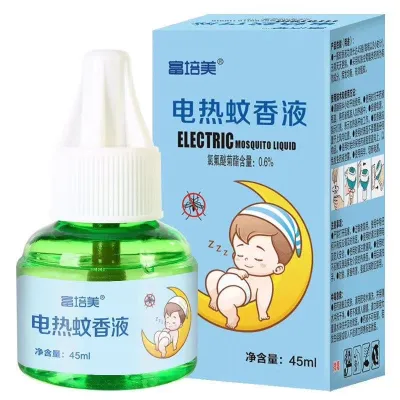
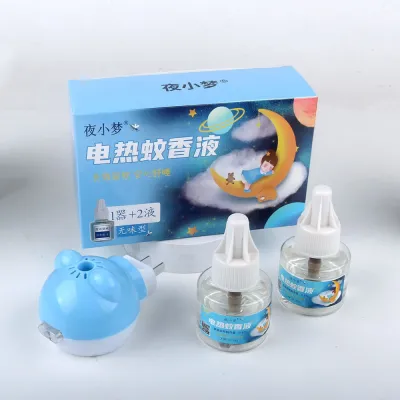
Prices are valid at publication and may change. Please refer to the product page for the latest price.

Newborns and Infants Under 2 Months
For newborns and infants under two months of age, topical mosquito repellents are not recommended. A young infant’s skin barrier is still developing, making it highly permeable and susceptible to absorbing chemicals that their developing liver and kidneys cannot easily process. Because of these physiological differences, most regulatory bodies and manufacturers explicitly restrict the use of chemical or plant-based topical repellents in this age group.
Instead of topical products, caregivers should rely entirely on physical barriers to protect newborns from bites. Draping a fine-mesh mosquito net, locally known as a kulambo, over your baby’s crib, playpen, or stroller is one of the most effective ways to block insects without exposing their skin to active ingredients. Ensure the netting is pulled taut and does not sag into the sleeping area to prevent any suffocation hazards.
When taking your infant outdoors, dress them in loose-fitting, lightweight, long-sleeved shirts and long pants. Choosing light-colored fabrics can make your baby less attractive to mosquitoes, which are naturally drawn to darker colors. Additionally, light clothing makes it much easier to spot any insects that land on your child before they have a chance to bite.
Reducing the mosquito population around your home is another crucial line of defense for newborns. Regularly inspect your surroundings and eliminate any standing water in flower pots, buckets, tires, or clogged gutters where mosquitoes breed. By combining physical barriers with environmental control, you can keep your youngest family members safe without relying on topical formulations.
Babies and Toddlers (2 Months to 3 Years)
Once your baby reaches two months of age, certain synthetic active ingredients become options for topical protection, provided they are formulated in concentrations appropriate for young children. When evaluating products, look for active ingredients that have been rigorously tested for pediatric safety, such as DEET, Picaridin, or IR3535. However, you must always check the product packaging to verify that the specific formulation is approved for babies over two months old.
When choosing a DEET-based product for this age bracket, international pediatric guidelines generally recommend selecting a concentration of 10% to 30%. A lower concentration does not mean the product is less effective; rather, it simply means the protection will last for a shorter period. For a brief afternoon walk in the neighborhood, a lower concentration is highly preferable to minimize the amount of active ingredient resting on your child’s skin.
Picaridin is another widely used active ingredient that is often recommended for babies over two months. It is synthetic, virtually odorless, and less likely to cause skin irritation compared to older chemical formulations. IR3535 is also approved for infants in many regions, offering a mild alternative that mimics natural amino acids, but parents must still verify the manufacturer’s age limits on the bottle.
In contrast, certain plant-based active ingredients carry surprisingly strict age restrictions. For example, Oil of Lemon Eucalyptus (OLE) and its synthetic equivalent, PMD (para-menthane-3,8-diol), are frequently not recommended for children under three years of age. Despite being marketed as “natural,” these ingredients can cause severe eye irritation and have not been fully cleared for safety in very young children, highlighting why “natural” does not always mean safe for babies.
Children 3 Years and Older
By the time your child reaches three years of age, their skin barrier is more mature, allowing for a wider variety of registered mosquito repellents. At this stage, children can typically use products containing standard concentrations of DEET, Picaridin, IR3535, or plant-derived options like Oil of Lemon Eucalyptus (OLE) and PMD, provided the product is explicitly labeled for pediatric use.
Even though older toddlers have more options, caregivers must still strictly adhere to the manufacturer’s concentration guidelines and daily application limits. Do not assume that an adult-strength repellent is safe for a three-year-old; always select formulations designed specifically for children. Avoid applying the product more frequently than the label directs, as over-application can lead to skin irritation or unnecessary systemic absorption.
A vital safety step for children of all ages is to wash the repellent off their skin once they return indoors. Use mild soap and warm water to thoroughly clean all treated areas, and place any treated clothing directly into the laundry. This practice prevents the active ingredients from remaining on your child’s skin overnight, reducing the risk of cumulative exposure and localized skin irritation.
Ingredients to Avoid or Use with Caution
When shopping for pest protection, parents must be highly cautious of products that combine sunscreen and mosquito repellent. While these combination products might seem convenient, they are highly discouraged by pediatric dermatologists and health organizations. Sunscreen must be reapplied frequently—typically every two hours or after swimming and sweating—whereas mosquito repellent should be applied sparingly and far less frequently. Using a combination product risks exposing your baby to excessive and potentially toxic levels of repellent ingredients.
You should also avoid unregistered “natural” blends, homemade remedies, and pure essential oils. Many well-meaning parents turn to DIY mixtures containing concentrated essential oils like citronella, peppermint, lemongrass, or tea tree oil, believing they are safer than synthetic chemicals. In reality, pure essential oils are highly concentrated chemical compounds that lack standardized safety testing for infant skin, and they can cause severe chemical burns, allergic contact dermatitis, or systemic toxicity if accidentally ingested or absorbed.
Additionally, exercise extreme caution when encountering products with undisclosed active ingredients or those lacking clear manufacturer safety warnings and age restrictions. In the Philippines, the market is filled with imported patches, clips, and lotions that may not carry clear English labeling or regulatory approval. If a product does not clearly state its active ingredients, concentration percentages, and the minimum age for safe use, do not apply it to your child.
How to Apply Repellent Safely on Babies
The way you apply mosquito repellent is just as important as the ingredients it contains. To minimize the risk of accidental ingestion, inhalation, or eye contact, never spray a repellent directly onto your baby’s face or body. Instead, spray or pour a small amount of the product into your own hands first, rub your palms together, and then gently pat or rub the repellent onto your baby’s exposed skin.
When applying the product, completely avoid your baby’s hands and fingers. Infants constantly put their hands in their mouths and rub their eyes, which can easily lead to the accidental ingestion of repellent or severe eye irritation. Focus your application strictly on areas that are highly exposed to bites, such as the outer arms, legs, and the back of the neck, while completely avoiding the eye area, mouth, ears, and any existing cuts, scrapes, or irritated skin.
For babies with highly sensitive skin or conditions like eczema, applying repellent directly to their clothing rather than their skin can be an excellent alternative. You can apply a small amount of repellent to their pants, socks, hats, or stroller covers to keep pests at bay. Always check the product label first to ensure the active ingredient will not stain, discolor, or damage the specific fabrics you are treating.
Finally, close supervision is mandatory after you have applied any repellent to your child. Monitor your baby to ensure they do not touch the treated areas of their skin or clothing and then rub their face. Store all repellent bottles, sprays, and patches securely out of your child’s reach, preferably in a locked cabinet, to prevent accidental poisoning or chemical exposure.
Recognizing Side Effects and When to Stop Use
Even when you follow all safety guidelines, babies can still experience adverse reactions to mosquito repellents. Caregivers should monitor their child closely after application for mild signs of skin irritation or allergic reactions. These symptoms can include localized redness, a raised rash, hives, dry or peeling skin, or unusual fussiness and crying, which may indicate that the product is causing itching or burning.
If you suspect your baby is having an adverse reaction, immediately wash the repellent off their skin using mild, fragrance-free soap and cool water. Carefully remove all treated clothing and wash it thoroughly before letting your baby wear it again. Keep a close eye on the affected skin to see if the irritation subsides once the product has been completely removed.
There are several red-flag symptoms that require immediate medical attention. If your baby experiences severe swelling of the face, lips, or tongue, develops blisters on the application site, exhibits breathing difficulties or wheezing, becomes unusually lethargic, or starts vomiting persistently, stop using the product immediately and seek emergency medical help. These signs can indicate a severe systemic allergic reaction or chemical toxicity.
When seeking medical care, always bring the exact product packaging with you to the clinic or hospital. Having the bottle or tube on hand allows medical professionals to quickly identify the active ingredient, its concentration, and any potential inactive ingredients. This information is critical for helping doctors determine the most effective treatment plan for your baby.
Frequently Asked Questions (FAQ)
Can I use natural or plant-based mosquito repellents on my newborn?
No, you should not use natural or plant-based topical mosquito repellents on a newborn under two months of age. Although these products are often marketed as gentle, natural ingredients like essential oils can still cause severe skin irritation, chemical burns, or allergic reactions on a newborn’s highly sensitive and permeable skin. For infants in this age group, physical barriers like fine-mesh netting and protective, long-sleeved clothing are the safest and most effective options.
Is it safe to use mosquito repellent on a baby's clothing instead of skin?
Yes, applying mosquito repellent to your baby’s clothing, hats, and stroller covers is a highly effective and safe alternative, especially for infants with sensitive skin or eczema. This method minimizes direct skin contact while still creating a protective barrier against insects. Always read the product label first to confirm that the active ingredient is safe for fabrics and will not cause staining, and avoid applying repellent to areas of the clothing that your baby might suck on or chew.
How often should I reapply mosquito repellent on my baby?
You must strictly follow the specific reapplication intervals stated on your product’s packaging, as different active ingredients and concentrations have vastly different durations of effectiveness. While hot and humid conditions in the Philippines can cause babies to sweat, which may reduce the repellent’s longevity, you should never reapply the product more frequently than the manufacturer recommends. Over-application significantly increases the risk of skin irritation and harmful chemical absorption through your baby’s skin.
Community discussion
Share your experience or ask a question. Comments are reviewed before publication.