
Physical barriers and out-of-reach mechanical traps form the safest baseline for protecting newborns and infants under one year old from mosquito bites. Because a baby’s respiratory system, immune system, and skin are still developing, chemical-based mosquito killers, aerosol sprays, and continuous plug-in vaporizers can introduce unnecessary health risks into the nursery. To keep your little one safe, caregivers must prioritize non-chemical prevention methods, carefully inspect product labels for age-specific warnings, and maintain a clean, mosquito-resistant home environment.
In tropical regions like the Philippines, where high humidity and warm temperatures create ideal breeding grounds for mosquitoes year-round, pest control is a constant necessity. However, the urge to eliminate pests must always be balanced with the strict safety requirements of an infant’s environment. By understanding the mechanisms behind different mosquito control options, you can establish a multi-layered defense system that keeps your baby comfortable without exposing them to harmful airborne irritants or physical hazards.
Physical and Mechanical Mosquito Control Options
When planning nursery pest control, physical and mechanical barriers should always be your first line of defense. These methods physically prevent mosquitoes from reaching your baby, eliminating the need for chemical active ingredients that could irritate sensitive airways or delicate skin.
Products mentioned in this guide
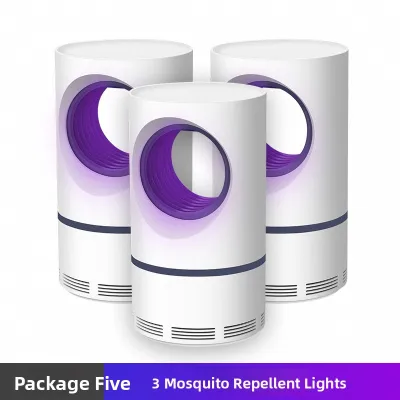
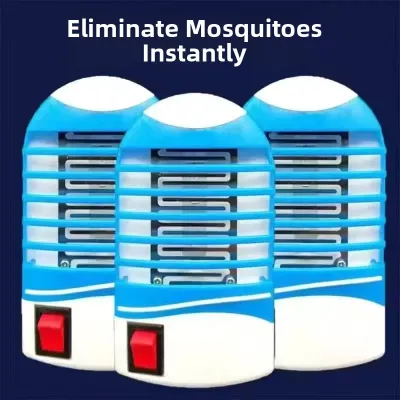
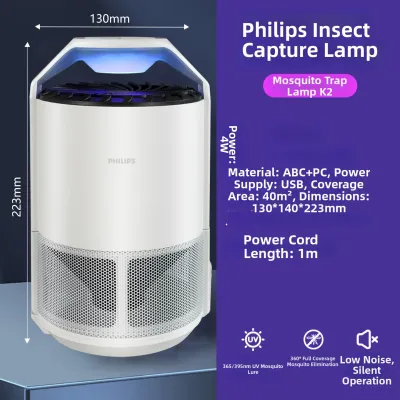
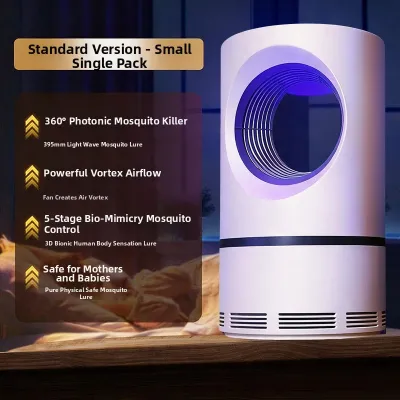
Prices are valid at publication and may change. Please refer to the product page for the latest price.
Mosquito nets and crib tents are highly effective physical barriers, but they require careful selection and installation to ensure complete safety. When choosing a net, verify that the mesh is fine enough to block tiny insects while still allowing optimal airflow to prevent overheating. The net must be securely anchored to the crib frame or a ceiling mount, keeping it completely taut. Loose, sagging netting poses a serious risk of suffocation or entanglement if a rolling or crawling baby pulls the fabric into the crib. Regularly inspect the netting for any tears, loose threads, or failing seams, and ensure that no decorative ties or cords hang down within your baby’s reach.
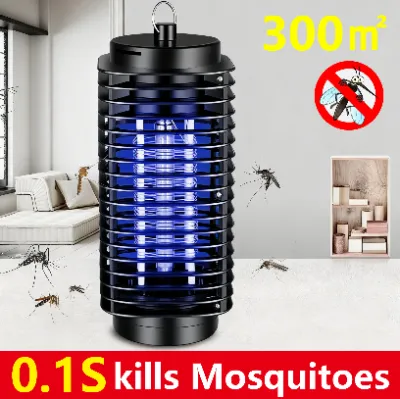
UV light and suction traps offer a safe mechanical alternative for active pest control in the nursery. These devices use ultraviolet light to attract mosquitoes and a quiet fan to pull them into a retaining cage where they dehydrate. Because they do not release chemical vapors or smoke, they are highly suitable for infant rooms. However, caregivers must prioritize electrical safety when positioning these devices. Place the trap on a high, stable shelf or mount it securely on a wall completely out of your baby’s reach. Ensure that all power cords are safely tucked away and cannot be pulled by a crawling infant or an older sibling. Additionally, inspect the device to ensure there are no small, detachable parts that could become choking hazards if dropped.
Electric mosquito swatters are excellent tools for clearing a room before you bring your baby inside, but they must be handled and stored with extreme caution. Establish a strict storage protocol, keeping the swatter in a high cabinet or a locked drawer when not in use. This prevents accidental shocks, burns, or unintended activation by older children. Never use an electric swatter directly over or near an occupied crib; the sudden zapping sound and tiny sparks can startle a sleeping infant, and the physical impact can disperse microscopic insect fragments into the air near your baby’s breathing zone.
Evaluating Chemical and Natural Mosquito Products
While chemical sprays, vaporizers, and natural repellents are widely available, they require rigorous evaluation before they are introduced to any space occupied by an infant. Caregivers must learn to look past marketing claims and carefully analyze product labels to understand the true safety boundaries of these items.

Decoding product labels is a critical step in protecting your baby. Never assume a mosquito killer is safe simply because the packaging features a cartoon baby or terms like “gentle” or “family-friendly.” Turn the package over and look for explicit age restrictions, active ingredient concentrations, and nursery-specific usage instructions. Many common chemical repellents and vaporizers contain active ingredients that are not recommended for infants under two months of age, and some formulations carry warnings against use in enclosed spaces. If a product label does not explicitly state that it is safe for use around newborns or infants, or if the instructions are vague, it is best to avoid using it in the nursery.
The application boundaries of chemical products must be strictly respected. Aerosol sprays, mosquito coils, and plug-in liquid vaporizers release fine mists, smoke, or chemical vapors into the air. Mosquito coils are particularly hazardous for infants; the smoke they emit contains fine particulate matter and combustion byproducts that can severely irritate a baby’s developing lungs and trigger respiratory distress. If you must use a chemical aerosol spray to clear a nursery, do so hours before your baby enters the room. Spray the space, close the door to let the product work, and then thoroughly ventilate the room by opening windows and running fans to ensure the air is completely fresh before laying your baby down to sleep.
There is a common misconception that “natural” or plant-based mosquito products are automatically safe for babies. Many parents turn to essential oils, such as citronella, eucalyptus, lemongrass, or peppermint, believing they are harmless alternatives to synthetic chemicals. However, concentrated essential oils are potent organic compounds that can act as strong respiratory irritants and skin sensitizers for young infants. Diffusing concentrated oils in a small, enclosed nursery can overwhelm a baby’s sensitive respiratory tract. Furthermore, topical natural patches or stickers must be used with caution; always place them on the outside of the crib or on the baby’s clothing where they cannot be reached, peeled off, or accidentally placed in the mouth, posing a choking or ingestion hazard.
Environmental Controls for a Mosquito-Free Nursery
Proactive room modifications and environmental controls are highly effective ways to reduce mosquito presence without relying on active killing devices. By making simple adjustments to your home, you can prevent pests from entering the nursery in the first place.
Installing and maintaining fine mesh window screens is one of the most practical steps you can take. Ensure that all windows and doors leading into the nursery are fitted with high-quality, tight-fitting screens. Regularly inspect these screens for tiny tears, holes, or gaps along the frames where mosquitoes could slip through. Even a tiny opening can allow pests to enter, so repair any damage immediately using screen patch kits or replacement mesh.
Eliminating hidden standing water sources in and around your home is crucial for long-term mosquito control. Mosquitoes require only a tiny amount of stagnant water to lay their eggs and multiply. Regularly inspect the nursery and adjacent areas for potential water collection points. Empty and scrub flowerpot saucers, pet water bowls, buckets, and the drip trays under air conditioning units or dish drainers at least once a week. If you live in a humid, tropical climate, pay close attention to bathroom drains and utility areas, ensuring they are kept dry and clean.
Managing room airflow is another simple yet highly effective natural deterrent. Mosquitoes are weak fliers and struggle to navigate in moving air. Using a standard ceiling fan or a floor fan on a low-to-medium setting can disrupt their flight patterns, making it difficult for them to land on or bite your baby. When positioning a fan, ensure that the air circulates gently throughout the room rather than blowing directly on the infant. Direct, strong airflow can cause dry eyes, irritate the baby’s nasal passages, or cause them to chill, so find a balanced setting that keeps the air moving comfortably.
Warning Signs and When to Stop Using a Product
Even when you take every precaution, a baby may still react negatively to a pest control product. Caregivers must remain vigilant and know how to recognize the early warning signs of respiratory or skin irritation.
Watch closely for signs of respiratory irritation or distress whenever a new mosquito control method is introduced near your baby. These signs include persistent coughing, wheezing, rapid or shallow breathing, grunting sounds, or nasal flaring (where the nostrils widen with each breath). If you observe any of these symptoms, or if your baby seems unusually fussy or lethargic after a product is used, immediately remove them from the room into a fresh-air environment.
Skin reactions are another common indicator of sensitivity. Regularly inspect your baby’s skin for unexplained rashes, redness, hives, or dry, itchy patches. Infant skin is significantly thinner and more permeable than adult skin, making it highly susceptible to contact dermatitis from chemical residues, localized sprays, or concentrated essential oils.
If you suspect your baby has been adversely affected by a mosquito control product, take immediate action. Move the baby to a well-ventilated area or outdoors for fresh air. If a topical product or spray residue has touched their skin, gently wash the area with mild baby soap and lukewarm water to remove any remaining product. Open all windows and doors in the nursery to thoroughly flush out any lingering vapors or scents. Never attempt to treat respiratory distress or severe skin reactions with home remedies. Consult a pediatrician or seek professional medical care immediately, and be sure to bring the product packaging with you so the healthcare provider can identify the active ingredients and recommend the appropriate treatment.
Frequently Asked Questions (FAQ)
Can I use plug-in liquid mosquito repellents in a baby's room?
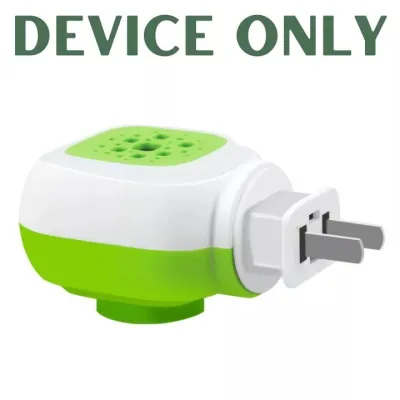
Continuous plug-in liquid vaporizers generally rely on chemical active ingredients, such as pyrethroids, which disperse into the air to repel or kill insects. Because these chemicals remain suspended in the air, they are not recommended for continuous use in a closed nursery while an infant is sleeping. If you choose to use a plug-in device, you must carefully check the manufacturer’s age limits on the packaging, place the device as far away from the crib as possible, and ensure continuous cross-ventilation so the vapors do not concentrate. A safer alternative is to plug the device in to clear the room several hours before bedtime, then unplug it and thoroughly ventilate the nursery before bringing your baby in to sleep.
Are ultrasonic mosquito repellents safe for infants?
Ultrasonic pest repellers emit high-frequency sound waves designed to drive insects away without using chemicals. While these devices do not release harmful vapors or pose a chemical risk, their effectiveness is widely debated, and there is limited independent scientific evidence proving they reliably repel mosquitoes. From a safety perspective, some high-frequency sounds, though completely inaudible to adults, may still be perceived by sensitive infant ears and could potentially disrupt their sleep patterns. If you decide to try an ultrasonic device, verify that it carries independent electrical safety certifications on the packaging, monitor your baby’s sleep and behavior closely for any signs of disturbance, and do not rely on it as your sole method of mosquito protection.
Community discussion
Share your experience or ask a question. Comments are reviewed before publication.