
Protecting your baby from mosquito bites is a top priority, especially in tropical climates like the Philippines where mosquito-borne illnesses such as dengue are a constant concern. However, finding the right balance between preventing bites and protecting your baby’s delicate skin from harsh chemicals can feel overwhelming. The key is understanding that a baby’s skin absorbs topical products much more easily than adult skin, requiring a highly tailored approach based on their exact age.
Before applying any repellent, it is essential to recognize that infant skin and developing metabolic systems process chemicals differently. What is perfectly safe for an adult or older child can cause irritation or systemic issues in a newborn. Consulting your pediatrician before introducing any new chemical product to your baby’s routine is always the safest first step.
Age-Based Guidelines for Repellent Ingredients
A baby’s age is the most critical factor when choosing a mosquito repellent. During the first few months of life, an infant’s skin barrier is still developing, making it highly permeable to topical substances. Additionally, their liver and kidneys are not yet fully mature, which limits their ability to break down and clear chemicals that enter the bloodstream.
Products mentioned in this guide
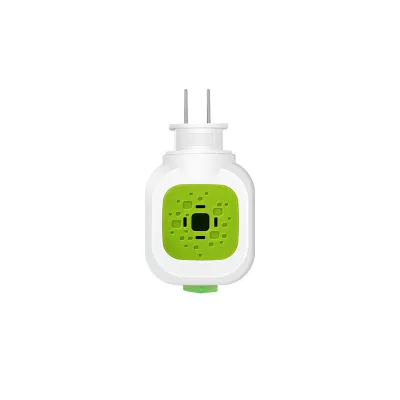
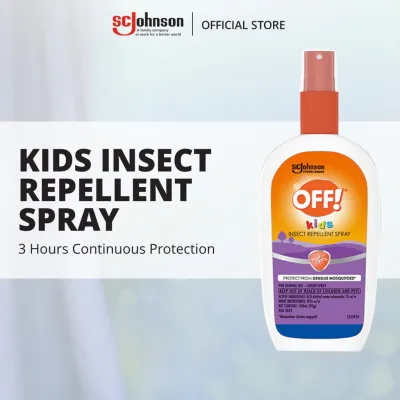
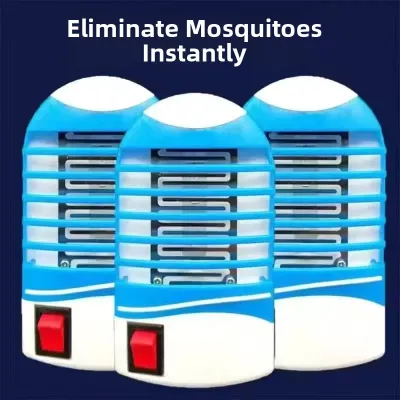
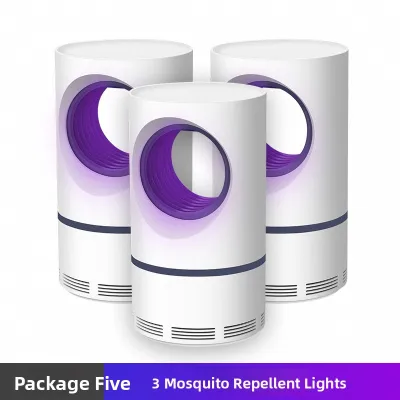
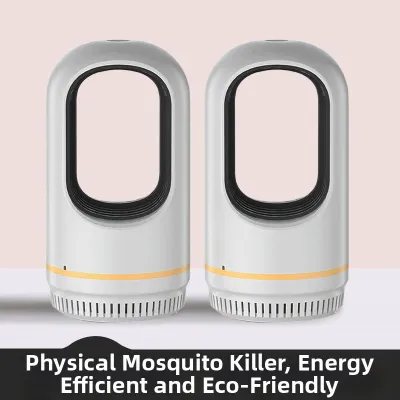
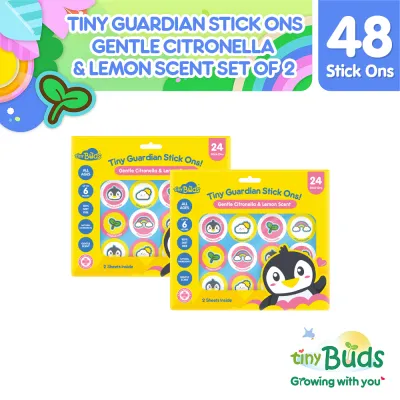
Prices are valid at publication and may change. Please refer to the product page for the latest price.
Because of these physiological differences, pediatric guidelines establish strict age thresholds for various active ingredients. Parents should always read product labels carefully to verify age restrictions, concentration limits, and specific application instructions. If you ever notice signs of an adverse reaction, such as redness, swelling, or a rash, stop using the product immediately, wash the skin with mild soap and water, and seek medical advice.
Newborns and Infants Under 2 Months
For newborns and infants under two months of age, the medical consensus is clear: do not use any chemical or topical mosquito repellents. At this tender stage, the risks of chemical absorption through the skin and respiratory irritation from scented products far outweigh the potential benefits of topical protection.
Instead of chemical barriers, parents must rely entirely on physical protection to keep mosquitoes at bay. When taking your newborn outdoors, dress them in lightweight, loose-fitting clothing that covers their arms and legs. Choose light colors, as mosquitoes are naturally attracted to darker shades.
Utilizing physical barriers in your baby’s environment is highly effective. Drape a finely meshed mosquito net securely over your baby’s stroller, carrier, or bassinet when outdoors or in rooms without screens. Ensure the netting is pulled taut and does not drape close enough to the baby’s face to pose a suffocation hazard.
Babies from 2 Months to 2 Years
Once your baby reaches two months of age, certain registered chemical repellents can be cautiously introduced. Pediatric associations generally recognize low concentrations of DEET and Picaridin as acceptable options for this age group. However, it is vital to verify the exact concentration limits recommended by local health authorities and your pediatrician before purchase.
While many parents assume that “natural” or plant-based ingredients are inherently safer, this is not always the case. For example, Oil of Lemon Eucalyptus (OLE) and its synthetic equivalent, PMD, are strictly restricted for children under three years of age. These ingredients can cause severe skin irritation and have not been thoroughly tested for safety in very young infants.
Before applying any new repellent to your baby’s skin, always perform a patch test. Apply a tiny dot of the product to a small, clean area on your baby’s inner arm or leg and monitor it closely for 24 hours. If any redness, bumps, or signs of discomfort develop, do not use the product and consult your pediatrician for alternative recommendations.
Toddlers and Children Over 2 Years
As your baby transitions into toddlerhood, their skin barrier becomes more robust, and their bodies are better equipped to handle a wider variety of repellent options. While you have more flexibility in choosing products, you should still select the lowest effective concentration of active ingredients that matches your outdoor exposure time.
Avoid high-concentration formulas designed for deep-woods camping, as well as combination products that mix sunscreen with insect repellent. Toddlers are highly active and frequently rub their eyes, nose, and mouth. High concentrations increase the risk of accidental ingestion or eye irritation if they touch their skin and then touch their face.
Take the time to teach your toddler not to touch areas where repellent has been applied. Explain in simple terms that the lotion or spray is helping to keep the bugs away but should not be licked or rubbed into their eyes. Consistent parental supervision remains essential to ensure they do not accidentally ingest the product.
Evaluating Common Repellent Ingredients and Risks
When shopping for a baby mosquito repellent, the most important step is to turn the bottle over and read the active ingredient list. Do not rely solely on front-of-package marketing terms like “baby-safe” or “organic.” Look for the exact chemical name and the concentration percentage, which indicates how long the product will remain effective.

Understanding the potential side effects of common active ingredients helps you mitigate risks. For instance, DEET is highly effective but can cause skin irritation or damage synthetic fabrics if misapplied. Picaridin is generally less greasy and odorless, making it a popular alternative, but it can still cause eye irritation upon direct contact.
It is also important to distinguish between registered synthetic repellents and unregulated essential oil blends. Registered ingredients have undergone rigorous safety and efficacy testing to prove they actually repel mosquitoes without posing unreasonable risks. Unregulated blends often lack standardized concentrations, meaning their safety and effectiveness can vary wildly from bottle to bottle.
Safe Application Practices to Minimize Exposure
How you apply mosquito repellent is just as important as the ingredient you choose. Never spray a repellent directly onto your baby’s face or body, as this increases the risk of inhalation and eye contact. Instead, spray or squeeze a small amount of the product onto your own hands first, then gently rub it onto your baby’s exposed skin.
Be extremely careful to avoid your baby’s hands, eyes, mouth, and any areas with cuts, scrapes, or irritated skin. Because babies constantly put their hands in their mouths, applying repellent to their fingers or palms almost guarantees accidental ingestion. Focus application on areas like the outer arms, legs, and the back of the neck.
Once your outdoor activities are finished and you return indoors, make it a habit to wash the repellent off your baby’s skin. Use warm water and a mild baby soap to thoroughly cleanse the treated areas. This simple step prevents the active ingredients from sitting on their delicate skin overnight, minimizing the risk of cumulative irritation.
Non-Chemical Alternatives for Baby Mosquito Protection
Relying solely on topical chemicals is not the only way to protect your baby from mosquitoes. Implementing physical and environmental strategies around your home can dramatically reduce the risk of bites without any chemical exposure. These methods are highly effective and can be used for babies of all ages, including newborns.
Start by optimizing your baby’s immediate environment. Ensure that all windows and doors have tightly fitted screens without holes. If you live in a high-risk area, installing a mosquito net over your baby’s crib or play area provides an impenetrable physical barrier that keeps pests away during naps and nighttime sleep.
You can also manage the outdoor environment to minimize mosquito populations. Regularly inspect your yard or balcony and eliminate any standing water in flower pots, buckets, gutters, or toys, as these are prime breeding grounds for mosquitoes. Additionally, using an electric fan in the room where your baby plays can disrupt mosquito flight, as these insects are weak fliers and struggle to land in moving air.
Frequently Asked Questions (FAQ)
Can I use natural or plant-based essential oils on my baby?
While natural essential oils like citronella, lemongrass, or peppermint sound safe, they are often not recommended for infants. Many of these plant-based products lack standardized testing, meaning their concentration levels and purity are not strictly controlled. This inconsistency increases the risk of severe skin sensitization, allergic reactions, and even respiratory irritation from the strong, concentrated scents. Always consult your pediatrician before applying any essential oil blends to your baby’s skin or diffusing them in their immediate sleeping area.
Is it safe to use a combination sunscreen and mosquito repellent?
Using combination sunscreen and insect repellent products is generally discouraged for babies and young children. Sunscreen requires frequent reapplication—typically every two hours or after swimming and sweating—whereas mosquito repellent should be applied sparingly and much less frequently. Reapplying a combination product to maintain sun protection can easily lead to an unsafe overexposure to the active repellent chemicals. The safest method is to apply a baby-safe sunscreen first, allow it to absorb completely into the skin for about 15 to 20 minutes, and then apply a separate, age-appropriate mosquito repellent over it.
Community discussion
Share your experience or ask a question. Comments are reviewed before publication.