
When caring for a baby in a warm, tropical climate like the Philippines, keeping their skin comfortable is a daily priority. High humidity and heat often lead to minor irritations, sweat rashes, or dry patches, prompting many parents to seek out lightweight, cooling skincare solutions. A popular choice is the aftershots soothing gel, a product designed to provide immediate relief and hydration to delicate skin. However, before applying any new topical product to an infant, parents must understand what makes a formulation both safe and effective. The ideal baby soothing gel relies on simple, highly purified humectants and gentle botanical extracts while strictly avoiding harsh alcohols, synthetic fragrances, and strong preservatives that can compromise the delicate cutaneous barrier.
Why Baby Skin Requires Specialized Soothing Ingredients
Infant skin is fundamentally different from adult skin, possessing a unique physiology that makes it highly vulnerable to environmental stressors. During the first few years of life, a baby’s skin barrier is still developing. The stratum corneum—the outermost layer of the skin—is significantly thinner than that of an adult. This structural difference means that topical substances are absorbed much more rapidly and deeply into the underlying layers. Consequently, ingredients that might be perfectly harmless on adult skin can easily penetrate a baby’s skin, potentially causing localized irritation or adverse reactions.
Furthermore, infant skin has a higher rate of transepidermal water loss (TEWL), meaning it loses moisture much faster than mature skin. In the humid Philippine climate, this physiological trait creates a delicate balance. While the skin needs hydration, heavy, occlusive creams can trap sweat and heat, leading to prickly heat, locally known as bungang-araw. Lightweight, water-based soothing gels offer an excellent alternative by cooling the skin surface without blocking sweat glands. However, because these gels are water-rich, their formulation must be exceptionally clean to prevent irritation while still providing a robust moisture barrier.
Products mentioned in this guide
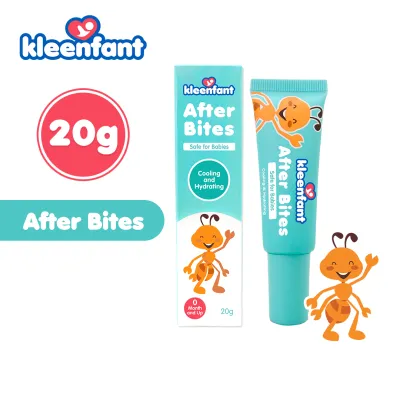
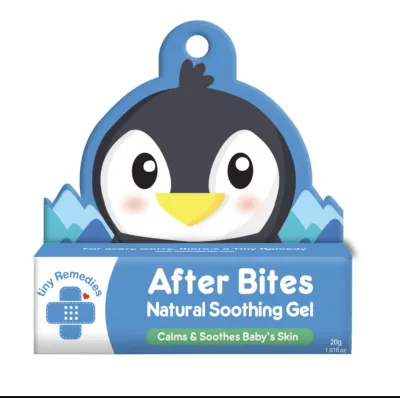
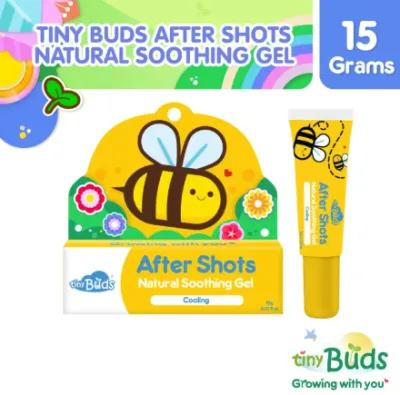
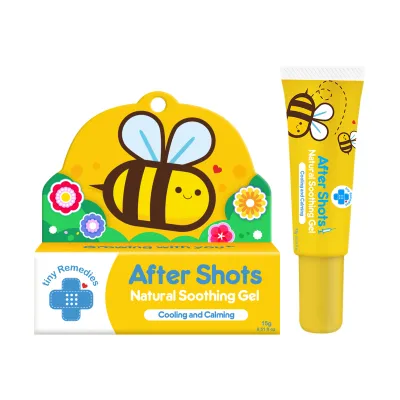
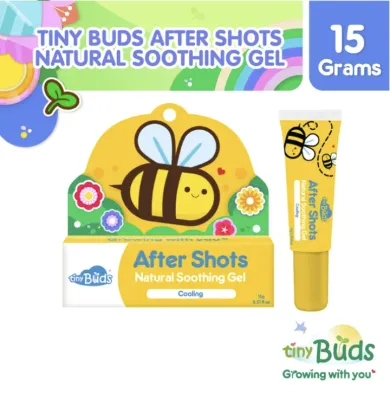
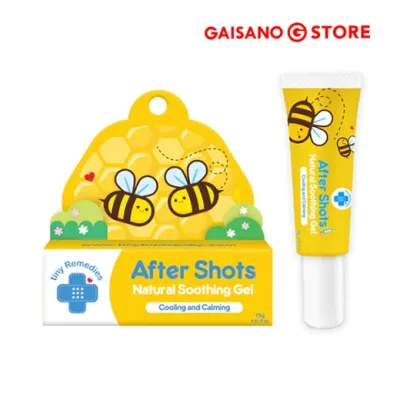
Prices are valid at publication and may change. Please refer to the product page for the latest price.
Parents must remember that while soothing gels are excellent for daily comfort and minor dryness, they are not medical treatments. If your baby exhibits a persistent rash, oozing lesions, severe eczema, or signs of infection such as warmth and swelling, you should bypass over-the-counter cosmetics. Always consult a pediatrician or a pediatric dermatologist for proper medical diagnosis and treatment plans.
Beneficial Ingredients to Look For in Aftershots Soothing Gel and Baby Care Products
When evaluating options like aftershots soothing gel or other infant-safe formulations, the key to efficacy lies in the simplicity and purity of the ingredients. A high-quality soothing gel should focus on two primary functions: instantly calming irritated skin and locking in essential moisture. Because babies cannot communicate their discomfort other than through fussiness, choosing a gel with proven, low-risk ingredients ensures that the application provides genuine relief rather than triggering further sensitivity.

Natural Soothers and Botanical Extracts
Botanical ingredients have a long history of use in skincare, but their inclusion in baby products requires strict quality control and careful selection.
- Purified Aloe Vera: Renowned for its instant cooling and anti-inflammatory properties, aloe vera is a staple in soothing gels. For baby products, it is vital to verify that the manufacturer uses purified or decolorized aloe vera leaf juice. Raw, unprocessed aloe contains aloin, a latex-like compound that can cause allergic contact dermatitis on sensitive skin.
- Calendula Officinalis: Derived from marigold flowers, calendula is highly regarded for its ability to soothe minor skin redness and support natural skin recovery. It is particularly helpful for comforting skin irritated by friction from diapers or clothing.
- Chamomile Extract (Matricaria Recutita): Chamomile contains active compounds like bisabolol, which help reduce skin sensitivity and provide a calming effect.
While these natural extracts offer excellent benefits, parents must understand that “natural” is not a synonym for “hypoallergenic.” Plant proteins can occasionally trigger individual sensitivities. When choosing a product, check the manufacturer’s documentation to ensure the botanical extracts are formulated at low, infant-safe concentrations rather than the higher potencies designed for adult skincare treatments.
Hydrators and Skin Barrier Supporters
Because gels evaporate quickly to deliver a cooling sensation, they must contain effective humectants and barrier-repair ingredients to prevent the skin from drying out once the water content dissipates.
- Glycerin: This classic humectant is highly compatible with human skin. It acts like a moisture magnet, drawing water from the environment into the outer layers of the skin to maintain optimal hydration levels.
- Panthenol (Pro-Vitamin B5): Panthenol is an outstanding ingredient for baby skin because it serves a dual purpose. It acts as both a humectant and an emollient, helping to soften the skin while reinforcing the lipid barrier and promoting minor skin repair.
- Ceramides: These are naturally occurring lipids that form the "mortar" between skin cells. Including ceramides in a soothing gel helps rebuild the baby's fragile skin barrier, preventing moisture loss and blocking environmental irritants.
- Colloidal Oatmeal: Widely recommended by dermatologists, finely ground colloidal oatmeal forms a protective, soothing film over the skin, locking in moisture and relieving itchiness caused by dryness.
By combining these lightweight hydrators, a well-formulated gel ensures that the skin remains deeply hydrated and protected long after the initial cooling sensation has worn off.
Ingredients to Avoid or Check Carefully
Just as important as what goes into a baby soothing gel is what is left out. The ingredient list on the back of the bottle is your best defense against products that could disrupt your baby’s delicate skin barrier. Many ingredients that are perfectly acceptable in adult cosmetics can cause immediate stinging, redness, or long-term sensitization in infants.
Synthetic Fragrances and Essential Oils
The sensory appeal of a sweet-smelling baby product is a common marketing tactic, but added scents are among the leading causes of cosmetic allergic contact dermatitis.
- Synthetic Fragrances: If you see the terms "Fragrance," "Parfum," or "Aroma" on an ingredient list, it is best to avoid the product. These terms are often proprietary blends that can hide dozens of individual chemical compounds, including phthalates and synthetic allergens, which can irritate a baby's respiratory system as well as their skin.
- Essential Oils: Parents often assume that essential oils like lavender, tea tree, eucalyptus, or citrus oils are safe because they are plant-derived. In reality, these oils contain highly concentrated volatile organic compounds. Citrus oils can cause photosensitivity when exposed to sunlight, while peppermint and eucalyptus oils contain menthol and cineole, which can be far too intense and irritating for an infant's skin and airways. Unless an essential oil is explicitly formulated, diluted, and clinically tested for infant use under strict pediatric supervision, it should be avoided.
Harsh Preservatives and Drying Alcohols
Water-based formulations like soothing gels require preservatives to prevent the growth of harmful bacteria, mold, and yeast. However, the choice of preservative system matters immensely for baby skin safety.
- Drying Alcohols: Ingredients such as denatured alcohol, alcohol denat., ethanol, or isopropyl alcohol are sometimes added to adult gels to make them dry faster and feel cooler. On baby skin, these alcohols strip away the fragile natural lipid barrier, leading to severe dryness, peeling, and a painful stinging sensation upon application.
- Harsh Preservatives: Traditional preservatives like parabens, formaldehyde releasers (such as DMDM hydantoin or imidazolidinyl urea), and methylisothiazolinone (MIT) have been associated with skin sensitization and contact allergies. When evaluating a soothing gel, look for modern, gentle food-grade preservation systems or those certified for sensitive infant skincare, and verify the manufacturer's safety standards on the packaging.
How to Evaluate a Soothing Gel Before Purchasing
Selecting the right product requires a systematic approach to ensure safety and compatibility. Whether you are considering aftershots soothing gel or another brand available in the Philippines, following these steps will help protect your baby’s skin.
- Step 1: Read and Decode the Label: Do not rely solely on front-of-package marketing claims like "natural" or "organic." Instead, flip the bottle over and read the ingredients list. Look for explicit, verified designations such as "dermatologist-tested," "pediatrician-tested," "hypoallergenic," and "fragrance-free." Keep in mind that "unscented" is not the same as "fragrance-free"; unscented products may contain masking fragrances to hide the chemical smell of other ingredients.
- Step 2: Perform a Patch Test: Before applying any new gel to your baby's face or body, perform a localized patch test. Apply a pea-sized amount of the gel to a clean, small area of skin, such as the inner forearm or behind the ear. Monitor the site closely for 24 hours. Look for any signs of redness, swelling, tiny bumps, or itching. If no reaction occurs, the product is generally considered safe for wider application.
- Step 3: Establish Stop-Use Conditions: If your baby develops any localized redness, hives, swelling, or shows signs of discomfort (such as scratching or fussiness) after application, wash the area gently with lukewarm water immediately. Discontinue using the product and consult a healthcare professional. Never attempt to "push through" a skin reaction, as repeated exposure can worsen sensitization.
- Step 4: Check Expiry Dates and Storage Guidelines: Because baby soothing gels contain high water content and gentler preservative systems, they are more susceptible to microbial contamination over time. Always check the expiration date and the Period After Opening (PAO) symbol (a tiny open jar icon indicating the number of months the product is safe to use after opening). Store the gel in a cool, dry place away from direct sunlight, and ensure the cap is tightly sealed after every use to prevent bacterial contamination.
Frequently Asked Questions (FAQ)
Can I use adult soothing gel on my baby?
No, you should avoid using adult soothing gels on infants. Adult formulations frequently contain higher concentrations of active ingredients, drying alcohols, synthetic fragrances, and strong preservatives that can easily penetrate and damage a baby’s thin skin barrier. Always select products that are explicitly formulated, tested, and labeled for infant use.
How often should I apply soothing gel to my baby's skin?
The frequency of application depends on your baby’s specific skin needs and the manufacturer’s instructions. For general hydration or cooling after outdoor play in warm weather, applying a thin layer once or twice a day is usually sufficient. Avoid over-application, as excessive product buildup can trap sweat and dust, potentially leading to clogged pores or minor irritation.
What should I do if my baby reacts to a new soothing gel?
If your baby experiences an adverse reaction, stop using the product immediately. Gently wash the affected skin with lukewarm water and a mild, soap-free cleanser to remove any remaining residue. Do not apply other cosmetic products or home remedies to the irritated area. If the redness, swelling, or rash does not improve within 24 hours, or if your baby seems in pain, seek advice from a pediatrician.

Community discussion
Share your experience or ask a question. Comments are reviewed before publication.