
Choosing the right toddler formula for your child between the ages of 1 and 3 is a highly personal decision that depends on your toddler’s unique dietary gaps, taste preferences, and your family’s budget. While many parents search for a single, universally superior brand, the reality is that the ideal formula is the one that complements your child’s solid food intake and is well-tolerated by their digestive system.
When comparing S26 Progress, Nido, and Enfagrow for the 1 to 3 years old age bracket, you are looking at three distinct formulation philosophies. Unless your pediatrician has prescribed a specific therapeutic milk, your selection process will largely rely on careful label reading, cost-per-serving calculations, and observing how your child reacts to the taste and texture.
As a quick guide, Nido toddler variants are widely recognized for their rich, full-cream taste and caloric density, making them popular for active toddlers or picky eaters. Enfagrow toddler options often emphasize specific brain-supporting micronutrients like DHA on their packaging. Meanwhile, S26 Progress focuses on a highly structured, balanced macronutrient profile designed to mimic a complete nutritional baseline.
Products mentioned in this guide
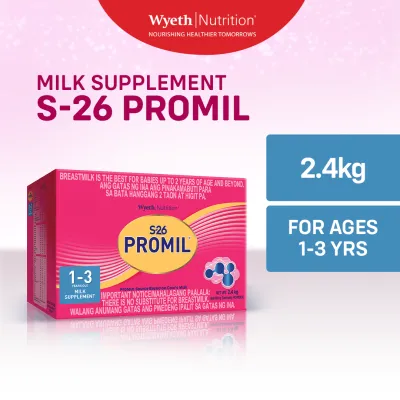
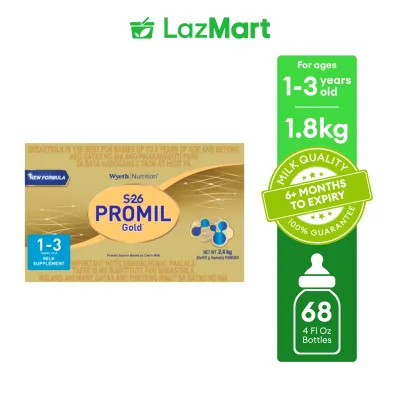
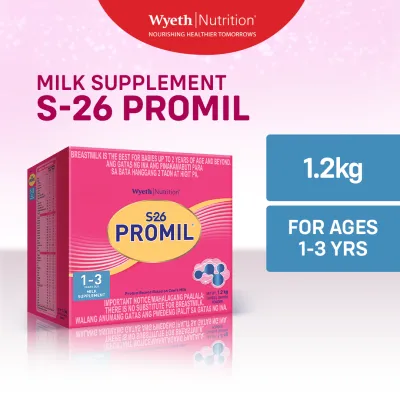


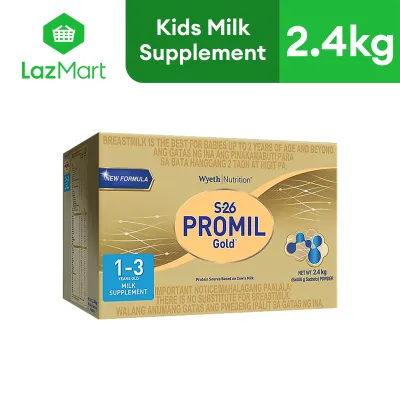
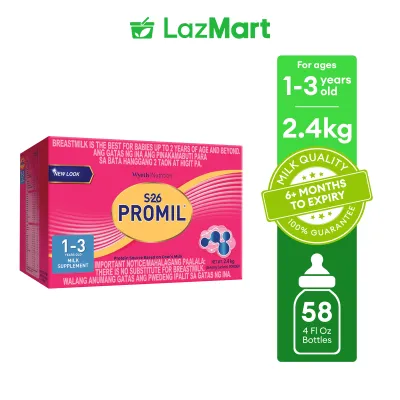

Prices are valid at publication and may change. Please refer to the product page for the latest price.
Understanding the Core Positioning of Each Brand
To make an informed choice, it helps to understand how each manufacturer positions these products in the market. Each brand targets slightly different parental priorities and nutritional philosophies, which is reflected in their ingredient lists and marketing focuses.
S26 Progress, particularly the variant designed for toddlers aged 1 to 3 years old, is formulated with a focus on balanced macronutrients and a comprehensive blend of vitamins and minerals. The brand often emphasizes scientific research in its formulation, aiming to provide a structured transition from infant formula to toddlerhood. It is designed to support overall growth without overemphasizing any single nutrient.
Nido, specifically its toddler variants like Nido 1+, is positioned as a nutrient-fortified milk that retains a rich, full-cream dairy taste. Because it is built on a full-cream milk base, it naturally appeals to toddlers who prefer a creamier, more traditional milk flavor. It is often positioned as an accessible, high-calorie option to support the high energy demands of rapidly growing toddlers.
Enfagrow, in its toddler stages, heavily emphasizes cognitive development and immune support in its branding. The formulation typically highlights specific levels of Docosahexaenoic Acid (DHA) alongside other micronutrients like iron and zinc. This brand is often chosen by parents who want to ensure their child receives a concentrated source of specific brain-supporting nutrients during these critical years of cognitive growth.
Always verify the exact details on the physical packaging, as formulations can update over time. A powder formulation sold in one region might differ slightly from a liquid variant or an imported version, so checking the local label is essential for accuracy.
Key Nutritional Specs to Check on the Label
Relying on front-of-pack marketing claims can sometimes obscure the actual nutritional value of a formula. To make a true comparison, you must turn the tin around and examine the nutritional information panel and the ingredient list.

Start by checking the serving size, which is usually listed in grams, and the recommended number of scoops per serving. Different brands use different scoop sizes, meaning that a single serving of one brand might require more powder than another. Comparing nutrients per 100 grams or per 100 kilocalories, rather than just per serving, provides a much more accurate side-by-side comparison.
Another critical factor to examine is the source of carbohydrates and the presence of added sugars. While lactose is the naturally occurring sugar in breast milk and standard dairy, some toddler formulas include added sweeteners like sucrose, corn syrup solids, or maltodextrin to enhance taste. Checking the ingredient list will help you identify whether the sweetness comes naturally from milk or from added sugars.
If your toddler has a history of digestive sensitivities, skin rashes, or suspected allergies, consult a pediatrician before introducing these standard cow’s milk formulas, which are not suitable for children with diagnosed cow’s milk protein allergy.
Comparing Macronutrients and Caloric Density
Toddlers aged 1 to 3 years old should get the majority of their nutrition from a diverse diet of solid foods, with milk serving as a nutritional safety net. When evaluating macronutrients, look closely at the protein content per serving to ensure it complements your child’s meals. Excessive protein intake from formula can place unnecessary strain on a toddler’s developing kidneys, so a balanced, moderate protein level is generally preferred.
The fat profile and total caloric density are equally important, especially if you have a highly active child or a picky eater who struggles to maintain weight. Compare the total calories per prepared serving across S26 Progress, Nido, and Enfagrow. A formula with a higher fat content or a full-cream base may provide the concentrated energy a picky eater needs, while a more moderate fat profile might suit a child who already eats robust, balanced meals.
Carbohydrate sources should also be evaluated in relation to your child’s daily sugar intake. Choosing a formula that relies primarily on lactose rather than added sucrose can help prevent a preference for overly sweet tastes and support better long-term dental health, as added sugars in bedtime bottles can contribute to tooth decay.
Evaluating Micronutrients: Iron, Calcium, and DHA
Micronutrients play a vital role in supporting your toddler’s rapid physical and cognitive development. Calcium and Vitamin D are essential partners in building strong bones and teeth during this active growth phase. When reading the labels, compare how much of the daily recommended intake for these nutrients is met by a standard daily serving of each brand, keeping in mind that Vitamin D is necessary for the body to absorb calcium effectively.
Iron is another critical micronutrient to monitor, as toddlers transitioning away from iron-fortified infant formulas or breast milk are at a higher risk of iron deficiency. Check the iron levels on the labels of S26 Progress, Nido, and Enfagrow, which is particularly important if your toddler does not regularly consume iron-rich solid foods like red meat or beans.
DHA and ARA are polyunsaturated fatty acids that are highly marketed for brain and eye development. While many toddler formulas highlight these ingredients, the actual amounts can vary significantly between brands. Verify the exact milligrams of DHA per serving on the label, but remember that dietary DHA can also be obtained from natural food sources like fatty fish and eggs, and the body’s absorption of these fatty acids depends on the overall dietary fat intake.
Assessing Taste, Mixability, and Digestibility
Even the most nutritionally advanced formula is of no use if your toddler refuses to drink it. Taste is a major deciding factor, as toddlers quickly develop strong flavor preferences. Nido’s full-cream profile tends to be highly palatable and sweet, which appeals to many children, while S26 Progress and Enfagrow may have distinct tastes due to their specific mineral and DHA concentrations. If your child is sensitive to metallic or fishy undertones, they may prefer a simpler, creamier milk flavor.
Mixability is a practical consideration for daily preparation, especially in warm, humid tropical climates where moisture can easily compromise powder quality. When preparing the milk, observe how easily the powder dissolves in warm water. Some formulas dissolve smoothly with minimal shaking, while others may clump or leave a sticky residue at the bottom of the bottle or cup. Clumping not only makes cleaning more difficult but can also lead to an inconsistent nutrient delivery if the powder does not fully integrate.
Digestibility is the ultimate test of suitability for any toddler formula. After introducing a new brand, closely monitor your child for observable signs of digestive comfort or discomfort. Normal, soft bowel movements and a lack of excessive gas or bloating indicate that the formula agrees with their digestive system. If you notice persistent diarrhea, constipation, or unusual fussiness, stop using the formula and consult your pediatrician.
Calculating True Price and Value
The upfront price of a tin of formula can be misleading, as packaging sizes and serving recommendations vary widely. To find the true cost of feeding your toddler, you need to calculate the cost per serving. You can do this by dividing the total retail price of the package by the number of servings it yields, which is calculated by dividing the total net weight by the weight of a single serving’s powder requirement.
Packaging formats also play a significant role in long-term household budgeting. Many brands offer different sizes, such as smaller 400-gram tins, larger 900-gram tins, or economical cardboard box refill packs. While larger tins or refill packs often present a lower cost per gram, they must be stored properly in airtight containers to protect the powder from tropical humidity and pests. If your child is still trialing a brand, starting with the smallest available size is a safer financial choice.
To ensure you are buying genuine, safe products, always purchase toddler formula from authorized online stores, official brand outlets, or reputable local supermarkets. Counterfeit or improperly stored milk powder can pose serious health risks to your child. Avoid buying from unverified third-party sellers on online marketplaces where proper storage temperature and product authenticity cannot be guaranteed.
Decision Framework: Which Formula Fits Your Child?
Choosing between S26 Progress, Nido, and Enfagrow does not require finding a universal winner, but rather identifying which profile aligns best with your toddler’s lifestyle and your family’s needs. By evaluating your child’s diet and your budget, you can make a structured decision.
You might choose S26 Progress if you are looking for a highly structured, scientifically balanced macronutrient profile that serves as a reliable baseline. This option is suitable for parents who want a comprehensive vitamin and mineral blend and whose toddlers readily accept its specific taste profile without requiring extra sweetness.
You might lean toward Nido if your toddler is a picky eater who needs a calorie-dense, creamier milk to help meet their daily energy requirements. Its rich, full-cream taste is often highly accepted by children who reject other formulas, and its pricing structure generally offers excellent value for families looking to manage monthly grocery expenses.
You might select Enfagrow if you want to prioritize specific, label-stated micronutrients like DHA and are comfortable with a higher price per serving. This is a common choice for parents who want to supplement their child’s diet with targeted cognitive and immune-supporting nutrients and whose toddlers do not mind the distinct taste that sometimes accompanies DHA-fortified milks.
If your child shows persistent signs of digestive distress or skin irritation, consult a qualified pediatrician who can recommend a specialized, hypoallergenic, or lactose-free alternative.
Frequently Asked Questions (FAQ)
Can I mix S26, Nido, and Enfagrow together in one bottle?
It is highly recommended that you do not mix different formula brands or stages together in a single bottle. Each brand is designed with a specific scoop size and powder-to-water ratio to ensure the resulting liquid has the correct osmolality and nutrient concentration. Mixing them can easily lead to improper dilution, making the milk either too concentrated or too watery. This imbalance can put an unnecessary strain on your toddler’s developing kidneys and lead to digestive issues like constipation or diarrhea. If you are transitioning your child from one brand to another, it is safer to alternate complete bottles of the old and new formulas gradually rather than mixing them in the same cup.
When should I transition my toddler from formula to fresh milk?
Most pediatric guidelines suggest that healthy toddlers can begin transitioning to pasteurized whole cow’s milk around 12 months of age, provided they are eating a balanced diet of solid foods. Formula is often continued past this age for toddlers who are picky eaters, as it provides a convenient safety net for vitamins and minerals they might miss from meals. If your child is growing well, gaining weight consistently, and eating a wide variety of fruits, vegetables, proteins, and grains, they may be ready to transition to fresh milk. Always consult your pediatrician before making the switch to ensure your child does not have specific nutritional deficiencies or growth concerns that require the continued support of a fortified toddler formula.
Community discussion
Share your experience or ask a question. Comments are reviewed before publication.