
Quick Answer: Is the S1 Pro the Right Breast Pump for You?
Choosing a breast pump is a highly personal decision that depends entirely on your daily routine, feeding goals, and lifestyle. Whether you are an exclusive pumper, preparing to return to an office in a busy business district, or simply looking for occasional relief, the right device should integrate seamlessly into your day.
The S1 Pro is designed to offer a balance of robust suction and portability, making it a popular consideration for many mothers. When evaluating this model, your primary decision factors will likely revolve around suction customization, physical portability, and your overall budget in ₱.
Because product features and package inclusions can vary by region, we highly recommend verifying the exact specifications of the S1 Pro on the manufacturer’s official website before making your purchase. This ensures you receive the precise motor type, accessories, and warranty coverage suitable for your needs.
Products mentioned in this guide
![[NEW ARRIVAL] eufy by Anker S1 Pro Heated Wearable Breast Pump (Pain-Relief HeatFlow) | Hands-Free Slim In-Bra Hospital-Grade Suction | Wireless Charging Case App-Controlled](https://img.lazcdn.com/g/p/6ffbfa97fd158179f9b06e56bdf4c605.png_400x400q80.png_.webp)
![[NEW ARRIVAL] eufy by Anker S1 PRO Heated Wearable Breast Pump (Pain-Relief HeatFlow) | Hands-Free Slim In-Bra Hospital-Grade Suction | Wireless Charging Case App-Controlled](https://img.lazcdn.com/g/p/945594492092a0da2abf504070c1c0cb.png_400x400q80.png_.webp)
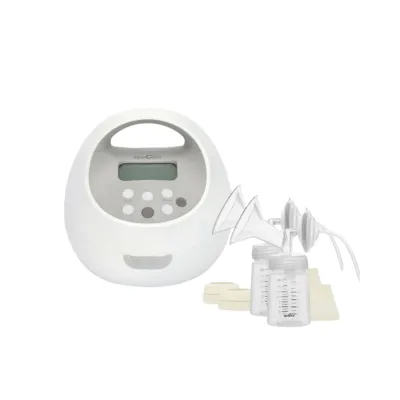
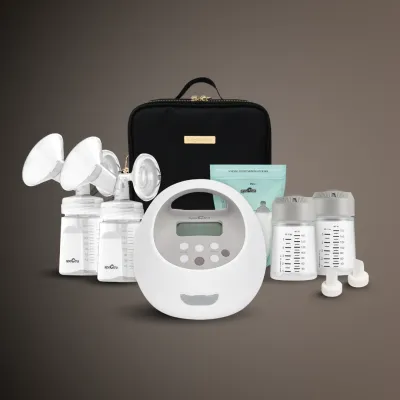
Prices are valid at publication and may change. Please refer to the product page for the latest price.
Understanding the S1 Pro Breast Pump Specifications
To make an informed investment, you must understand how to read and verify the technical specifications of the S1 Pro. Rather than relying on general descriptions, checking the official product manual or manufacturer label will give you a clear picture of what the device can actually do.

Start by verifying the motor configuration to confirm if the system supports double pumping or is limited to single pumping. Double electric pumping is generally preferred by busy mothers as it allows you to express milk from both breasts simultaneously, significantly cutting down your pumping time.
Next, look closely at the suction levels and cycle settings. A versatile pump should offer adjustable vacuum strength and cycle speeds, allowing you to mimic a baby’s natural nursing pattern. Check if the S1 Pro features a distinct stimulation or massage mode alongside its standard expression mode.
Power options are another critical specification to verify, especially in the Philippines where tropical weather or maintenance can lead to unexpected power interruptions. Check whether the model features a built-in rechargeable battery, how long a full charge lasts, and if it utilizes a standard USB charging port or a proprietary adapter.
Additionally, confirm whether the S1 Pro is a closed-system or open-system pump. A closed system utilizes a physical barrier, such as a silicone diaphragm, to prevent milk and moisture from entering the tubing and motor. This design is crucial for maintaining hygiene and preventing mold growth, particularly in highly humid environments.
Finally, check the flange sizing options included in the package. An improperly sized flange can cause friction, pain, and reduced milk output. You should also verify if the pump connectors are compatible with standard wide-neck or narrow-neck baby bottles to avoid the hassle of transferring milk between different containers.
Essential Dimensions for Comparing Breast Pumps
When comparing the S1 Pro to other popular models available in the market, establishing a consistent evaluation framework helps you look past marketing claims and focus on practical usability.
Suction and Comfort Do not assume that higher suction strength automatically leads to more milk. Comfort is essential for triggering the letdown reflex, so you should evaluate how finely you can adjust the vacuum levels. Check the user manual to see if the transition between massage and expression modes is gradual and comfortable for sensitive skin.
Portability and Design Consider where you will be pumping most frequently. If you commute daily through heavy traffic or need to move around your home while caring for a toddler, a heavy, bulky motor unit can be highly inconvenient. Compare the physical weight, overall footprint, and whether the pump requires a flat surface to operate safely.
Noise Level and Discretion A loud, vibrating motor can make pumping in a shared office space or next to a sleeping baby highly stressful. Look for manufacturer decibel ratings or search for verified user feedback regarding the noise level of the pump. A quiet, low-vibration motor allows you to express milk discreetly without drawing unwanted attention.
Cleaning and Maintenance In a warm, tropical climate, breast milk residue can spoil rapidly, making thorough cleaning non-negotiable. Evaluate the number of individual parts that must be disassembled, washed, and sterilized after each use. Pumps with fewer parts, simple valve designs, and easy-to-dry components will save you valuable time and effort throughout the day.
S1 Pro vs. Other Popular Pump Categories
To help you contextualize where the S1 Pro fits in the wider market, it is helpful to compare it against the three primary categories of breast pumps using realistic, condition-based scenarios.
S1 Pro vs. Hospital-Grade Pumps Hospital-grade pumps are heavy-duty machines designed for clinical settings, featuring exceptionally durable motors and highly consistent suction profiles. They are often rented to help mothers establish a milk supply in the early days or to support premature infants. While the S1 Pro offers robust personal-use suction, hospital-grade pumps are typically much larger, heavier, and less portable, making them less practical for daily commuting or travel.
S1 Pro vs. Wearable Pumps Wearable, hands-free pumps fit entirely inside your nursing bra without external tubes or wires, offering maximum physical freedom. However, this convenience often comes with trade-offs, such as smaller milk collection capacities and more complex parts to clean. The S1 Pro, with its traditional tubing and bottle setup, may restrict your movement during a session, but it often provides more precise suction adjustments and a more straightforward cleaning process.
S1 Pro vs. Manual Pumps Manual pumps require no electricity or batteries, relying entirely on your hand coordination to create suction. They are highly affordable, completely silent, and lightweight, making them excellent backup options for your diaper bag. However, for exclusive pumping or frequent daily use, a manual pump can cause hand fatigue, whereas an electric pump like the S1 Pro automates the process to save you time and physical effort.
Decision Framework: Which Pump Matches Your Lifestyle?
To finalize your decision, match your daily routine and specific physical needs against the unique characteristics of each pump type.
Choose the S1 Pro if:
- You need a reliable, daily-use electric pump that balances strong, adjustable suction with moderate portability.
- You primarily pump at a fixed desk, in a dedicated lactation room, or at home where you can easily set down the motor unit.
- You have verified that the S1 Pro specifications, flange sizes, and bottle compatibility align with your personal preferences.
Choose a Wearable Model if:
- Your daily routine requires constant movement, multitasking, or chasing after older children.
- You need to pump discreetly in public spaces or during active work tasks where visible bottles and tubing are impractical.
- You are comfortable managing slightly more complex cleaning steps in exchange for hands-free convenience.
Choose a Hospital-Grade Rental if:
- You are actively working with a healthcare professional to build a milk supply for a premature baby or multiples.
- You are experiencing severe supply challenges that require specialized, clinical-grade suction patterns under professional guidance.
Verify First if:
- You experience persistent nipple pain, elastic tissue, or physical discomfort during pumping, as you may need specialized flange inserts or a different suction mechanism.
- You plan to seek reimbursement or coverage, in which case you must verify the exact documentation requirements with your provider in the Philippines before making a purchase.
Frequently Asked Questions (FAQ)
How do I know if a breast pump is covered by my HMO or insurance in the Philippines?
Maternity benefits and medical equipment coverage vary significantly among local health maintenance organizations (HMOs) and private insurance providers. To verify if a breast pump is covered, contact your provider’s customer service hotline directly. Ask whether they offer reimbursement or direct provision for breastfeeding essentials, and confirm if you need to submit a formal doctor’s prescription, a medical certificate of necessity, or an official receipt from an authorized local distributor.
What should I do if the S1 Pro suction feels too weak or uncomfortable?
If you experience weak suction, perform a physical check of all pump components according to the user manual. Ensure that the silicone valves are free of tears, the tubing is securely connected without any moisture or air leaks, and the backflow protectors are properly assembled. If the suction is uncomfortable or causing pain, verify that your flange size matches your nipple measurements. If pain, skin irritation, or tissue damage persists, stop using the pump immediately and consult a certified lactation consultant or your healthcare provider.
Community discussion
Share your experience or ask a question. Comments are reviewed before publication.