
Choosing the right formula milk for your child among S-26, Nido, NAN, and Enfagrow depends entirely on your child’s developmental stage, digestive tolerance, and your pediatrician’s specific recommendations. There is no single brand that suits every child, as each product line offers distinct formulations designed to address different nutritional priorities and age groups. By learning how to read ingredient labels, calculate the cost per serving, and observe your child’s physical response, you can confidently select a formula that supports their growth and fits your household budget.
Quick Answer: How to Choose Between S-26, Nido, NAN, and Enfagrow
When standing in the baby care aisle of a supermarket in the Philippines, the array of options can feel overwhelming. To simplify your decision, start by identifying your child’s current age and any specific digestive needs. For instance, some brands focus heavily on specialized protein structures for sensitive tummies, while others target active toddlers with fortified micronutrients.
A practical decision-making framework involves three main steps:
Products mentioned in this guide
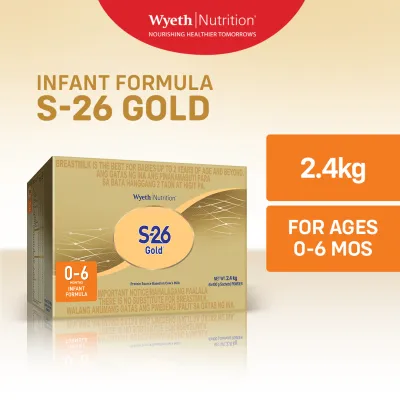

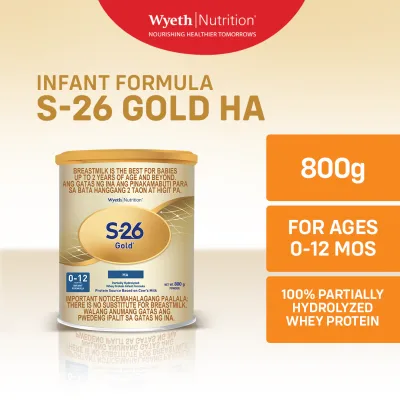

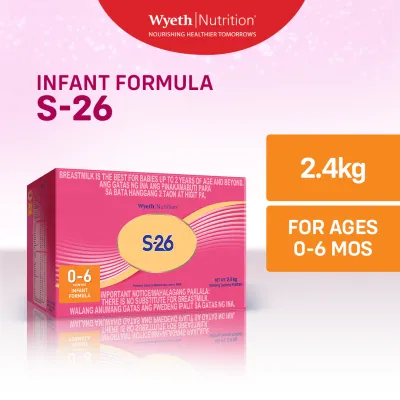
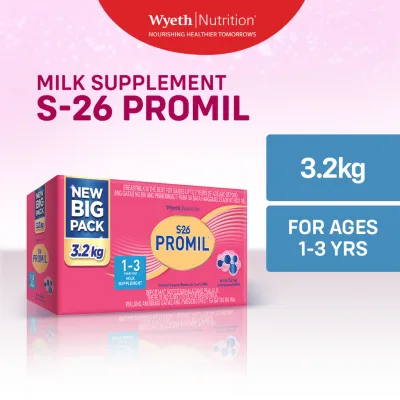

Prices are valid at publication and may change. Please refer to the product page for the latest price.
- Consult your pediatrician: Always make your child's doctor the primary guide for any formula selection or brand transition.
- Check the label claims: Match the specific nutrients highlighted on the packaging with your child's developmental goals, such as brain development or digestive support.
- Evaluate your household budget: Compare the long-term cost of different tin sizes, as formula feeding is a daily, multi-month commitment.
Ultimately, the most suitable formula is the one your child digests comfortably without adverse reactions, and which aligns with professional medical advice.
Evaluating Nutritional Profiles and Ingredient Labels
To make an informed comparison, you must look beyond the front packaging and examine the nutritional information panel and ingredient list on the back of the tin. This is where you can verify the presence and concentrations of key ingredients that support your child’s development.

Start by checking for essential fatty acids and dietary fibers:
- DHA and ARA: These are omega-3 and omega-6 fatty acids commonly included in infant and toddler formulas to support brain and visual development.
- Prebiotics and Probiotics: Look for ingredients like galacto-oligosaccharides (GOS), fructo-oligosaccharides (FOS), or specific live bacteria cultures. These components help foster a healthy gut microbiome, which is crucial for your child's immune system.
Next, examine the protein source and structure. Standard formulas use intact cow’s milk proteins, which are perfectly fine for most healthy babies. However, if your child experiences mild gas or fussiness, your pediatrician might suggest looking for formulas containing partially hydrolyzed proteins. These proteins are broken down into smaller pieces, making them easier for a developing digestive system to process.
Finally, pay close attention to the carbohydrate sources in toddler formulas (often labeled as Stage 3 or Stage 4). Check the ingredient list for added sugars, sucrose, or artificial flavorings. Opting for formulas that rely primarily on lactose rather than corn syrup solids or sucrose helps establish healthy dietary habits early on and protects developing teeth.
Navigating Age Stages and Formula Transitions
Formula brands categorize their products into distinct stages to match a child’s changing nutritional requirements as they grow. Understanding these stages is essential to ensure your child receives the correct balance of proteins, fats, and micronutrients.
While exact labeling can vary slightly by brand, the standard age brackets generally follow this structure:
- Stage 1 (Infant Formula): Designed for newborns from birth up to 6 months. These formulas are highly regulated to mimic the nutritional profile of breast milk as closely as possible.
- Stage 2 (Follow-on Formula): Formulated for infants from 6 to 12 months. This stage accommodates the introduction of solid foods and contains adjusted levels of iron and protein.
- Stage 3 (Toddler Milk): Intended for children aged 1 to 3 years. These products are fortified with vitamins and minerals to complement an increasingly varied solid food diet.
- Stage 4 (Preschool Milk): Designed for children aged 3 years and older, supporting their active growth and cognitive development during early school years.
Transitioning to a new stage or switching brands requires careful observation. Signs that your child might be ready for a transition, or conversely, that a formula might not suit them, include changes in stool consistency, unusual fussiness after feeding, or skin rashes.
To minimize the risk of digestive upset during a transition, implement a gradual introduction plan over several days:
- Day 1 to 3: Replace one feed per day with the new formula, keeping all other feeds with the current formula.
- Day 4 to 6: Replace two feeds per day with the new formula.
- Day 7 onwards: Complete the transition by offering only the new formula, provided your child shows no signs of discomfort.
Comparing Price, Sizing, and Accessibility in the Philippines
In the Philippines, managing the household budget is a key aspect of choosing a formula brand. Because prices can vary significantly between premium lines and everyday options, calculating the actual cost per serving is more reliable than simply comparing the price of a single tin.
To calculate the cost-effectiveness of a formula, use this simple method:
- Note the retail price in ₱ and the net weight in grams printed on the tin.
- Check the preparation instructions to find the weight of a single scoop (usually around 4 to 5 grams) and the number of scoops required per bottle.
- Divide the total net weight of the tin by the weight of a single serving to determine the total number of servings per tin.
- Divide the retail price by the total number of servings to find the cost per serving.
Accessibility is another practical factor. While major supermarkets in urban centers usually stock a wide range of S-26, Nido, NAN, and Enfagrow products, regional availability can fluctuate. Purchasing from official flagship stores on major e-commerce platforms can offer convenience, especially during rainy seasons or when busy schedules make store visits difficult.
When buying formula online, safety and authenticity must be your top priorities. High humidity and tropical temperatures in the Philippines can compromise poorly stored products. Always verify that you are purchasing from an authorized digital distributor. Upon delivery, inspect the tin thoroughly: ensure the safety seal is completely intact, check that the expiration date is clearly printed and far in the future, and reject any packages with deep dents or signs of moisture damage.
Decision Framework: Matching the Formula to Your Child's Needs
To finalize your choice, it helps to use a structured decision framework based on your child’s specific situation and your family’s practical needs.
Consider these conditional guidelines to help narrow down your options:
- Prioritizing specialized digestion: If your child has a sensitive stomach prone to gas or mild colic, look for product lines within the NAN or S-26 portfolios that feature partially hydrolyzed proteins or specific probiotic strains, as recommended by your doctor.
- Focusing on toddler nutrition on a budget: If you are transitioning a healthy toddler over the age of one who already eats a balanced solid diet, Nido offers widely accessible options that provide essential micronutrients at a highly competitive price point.
- Seeking advanced nutrient profiles: If your primary goal is a high concentration of brain-supportive nutrients like DHA and sphingomyelin, examine the premium tiers of Enfagrow or S-26, comparing their labels to see which fits your pediatrician's advice.
Regardless of the brand you choose, monitor your child for positive signs of formula tolerance. A well-tolerated formula results in steady, age-appropriate weight gain, comfortable feeding sessions without excessive crying, and regular, soft stool patterns.
Conversely, you must be aware of clear stop conditions. Immediately discontinue use and consult your pediatrician if your child exhibits signs of an adverse reaction, such as persistent vomiting, severe diarrhea, blood in the stool, unexplained skin rashes, or extreme irritability after feeding.
Safe Preparation and Storage Practices for Any Brand
No matter which brand you select, safe preparation and storage are critical to protecting your child from foodborne illnesses, especially in warm, humid tropical climates.
Always adhere to these fundamental preparation steps:
- Hygiene first: Wash your hands thoroughly with soap and water before handling any feeding equipment. Sterilize all bottles, nipples, and caps in boiling water or a dedicated sterilizer before use.
- Follow the label exactly: Use only the scoop provided in the specific tin you are opening. Mixing ratios vary between brands and even between different stages of the same brand. Adding too much or too little powder can lead to dehydration or malnutrition.
- Water safety: Use clean, safe drinking water that has been boiled and allowed to cool to the temperature recommended on the product label.
Proper storage is equally vital. Once prepared, a bottle of formula should ideally be consumed immediately. If not used right away, store the prepared bottle in the refrigerator and discard any unused portion within 24 hours. Never leave prepared formula at room temperature for more than two hours—or one hour in hot weather—as bacteria can multiply rapidly in warm conditions. Keep opened tins in a cool, dry place, and use the powder within the timeframe specified on the label, usually four weeks.
Frequently Asked Questions (FAQ)
Can I mix S-26 and Nido in the same bottle?
No, you should not mix different formula brands or stages in the same bottle unless explicitly instructed to do so by your pediatrician. Each brand is scientifically formulated with a precise balance of nutrients, proteins, and minerals. Mixing them can alter the intended nutrient concentration and osmolarity of the feed, which can strain your child’s developing kidneys and cause digestive distress.
How do I know if my child is allergic to a specific formula?
An allergic reaction, such as a cow’s milk protein allergy, typically manifests through clear physical symptoms. Watch for signs like hives, swelling, persistent vomiting, severe diarrhea, excessive fussiness or colic-like crying after feeds, and blood or mucus in the stool. If you observe any of these symptoms, stop using the formula immediately and seek professional medical evaluation from your pediatrician.
Is it safe to buy formula milk from online shops?
Yes, it is safe to buy formula online, provided you purchase exclusively from official brand stores, authorized distributors, or reputable online pharmacies. Avoid third-party sellers with unverified reviews. When your order arrives, inspect the packaging carefully: the tin must have an intact safety seal, no deep dents, and a clear, valid expiration date. If the packaging appears compromised, do not feed the formula to your child.
Community discussion
Share your experience or ask a question. Comments are reviewed before publication.