
Choosing the right stage 3 formula for your growing toddler can feel overwhelming when standing in the milk aisle of a local supermarket in the Philippines. With options like S-26 Promil Gold 3 Plus, Nido 3, and Enfagrow A+ 3, parents are faced with distinct marketing claims ranging from cognitive development to immune support. There is no single “best” formula for every child, as the ideal choice depends entirely on your toddler’s unique dietary gaps, digestive tolerance, and your family’s monthly budget.
To help you navigate this decision, it is useful to understand the general market positioning of each brand as a starting point for your own label checks. S-26 Promil Gold 3 Plus is widely recognized for its focus on specialized nutrient profiles, particularly those associated with cognitive development. Nido 3 is frequently chosen by families looking for general growth support, bone health nutrients, and budget-friendly daily serving costs. Enfagrow A+ 3 is often highlighted for its targeted levels of brain-support ingredients. Before making any switch, always consult your pediatrician, especially if your toddler has a history of food allergies, digestive sensitivities, or specific medical needs.
How to Compare Nutritional Labels for Stage 3 Formulas
When comparing S-26 Promil Gold 3 Plus, Nido 3, and Enfagrow A+ 3, the most reliable tool at your disposal is the nutrition facts panel printed on the back of each tin. Because formulations can change and vary by region, relying on current packaging labels ensures you have the most accurate information for your toddler.
Products mentioned in this guide


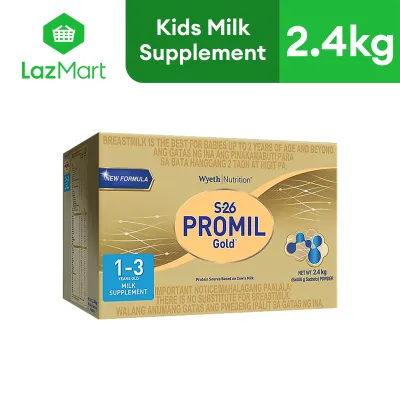



Prices are valid at publication and may change. Please refer to the product page for the latest price.
Brain and Eye Development To evaluate support for cognitive and visual development, locate the specific values for Docosahexaenoic Acid (DHA), Arachidonic Acid (ARA), lutein, and choline. Do not simply look for their presence; compare the actual milligrams per serving or per 100 grams of powder across the three brands. Some premium formulations may offer higher concentrations of DHA, while others balance it with lutein and choline to support overall brain-eye pathways. Keep in mind that these nutrients work alongside the healthy fats your toddler receives from solid foods like fish and eggs.
Bone and Muscle Growth As toddlers become highly active, running around in the tropical heat, their skeletal systems require robust support. Check the calcium, vitamin D, and protein content per serving on each label. Vitamin D is essential because it aids in the absorption of calcium, which is critical for developing strong bones and teeth. Ensure that the protein source and concentration align with your pediatrician’s recommendations, especially since excessive protein intake from multiple dairy sources can sometimes strain a toddler’s developing kidneys.
Immune and Gut Health A toddler’s digestive tract is a major component of their immune system. When examining the ingredient lists of S-26 Promil Gold 3 Plus, Nido 3, and Enfagrow A+ 3, look for prebiotics (such as oligofructose, fructooligosaccharides or FOS, and galactooligosaccharides or GOS) and probiotics (active bacterial cultures like Lactobacillus or Bifidobacterium). These components help nourish beneficial gut bacteria, which can be particularly helpful in maintaining digestive comfort in humid climates where food-borne pathogens are a common concern.
Added Sugars and Flavorings Toddlers are highly sensitive to sweetness, and early exposure to added sugars can influence their taste preferences for life. Carefully inspect the ingredient list for added sweeteners such as sucrose, corn syrup solids, maltodextrin, or artificial flavorings like vanilla. While some level of carbohydrates is necessary for energy, choosing a formula with minimal or no added sucrose helps prevent tooth decay and supports healthier eating habits as your child transitions to a fully solid family diet.
Digestion and Tolerance Signals to Watch
Even the most nutritionally complete formula will not benefit your toddler if their digestive system cannot tolerate it. Every child’s gut microbiome is unique, meaning a brand that works perfectly for one toddler might cause discomfort for another.

Transitioning Symptoms When transitioning your toddler to a new stage 3 formula, such as moving from a stage 2 milk or switching between S-26 Promil Gold 3 Plus, Nido 3, or Enfagrow A+ 3, expect a brief adjustment period. It is normal to observe minor, temporary changes in stool consistency or frequency over the first week. However, warning signs that indicate the formula may not be suitable include severe constipation, persistent watery diarrhea, frequent vomiting, or a sudden refusal to drink the milk.
Allergy and Sensitivity Checks Keep a close eye on physical reactions that could signal a milk protein sensitivity or lactose intolerance. These symptoms often manifest as unexplained skin rashes, hives, eczema flare-ups, excessive abdominal gas, bloating, or extreme fussiness and crying shortly after feeding. Because these symptoms can also be triggered by environmental factors or new solid foods, keeping a daily food and symptom diary can help you isolate the cause.
When to Stop and Consult If you observe any severe adverse reactions, such as blood in the stool, persistent vomiting, rapid weight loss, or signs of dehydration (like fewer wet diapers or lethargy), stop using the formula immediately. Do not attempt to manage severe digestive distress by continuously switching brands on your own. Consult your pediatrician or a qualified healthcare professional right away to receive a proper diagnosis and a tailored feeding plan.
Calculating Value and Serving Costs
In the Philippines, managing household expenses is a priority for many families, making the cost of toddler milk a significant part of the monthly budget. However, comparing the upfront price of a tin can be highly misleading. To find the true economic value of S-26 Promil Gold 3 Plus, Nido 3, and Enfagrow A+ 3, you must calculate the cost per serving.
Cost Per Serving Calculation To determine the actual daily cost, do not look only at the retail price of the tin. Instead, locate the net weight (usually in grams) and find the “Servings Per Pack” or “Servings Per Tin” listed on the nutrition facts label. Divide the total retail price in Philippine Pesos (₱) by the number of servings. This simple calculation reveals how much you are actually paying for each prepared glass of milk, allowing for a fair comparison between premium and budget-friendly brands.
Scoop Size and Water Ratio The rate at which you consume a tin of formula depends heavily on the manufacturer’s preparation instructions. Different brands utilize different scoop sizes and powder-to-water ratios. For instance, one brand might require four scoops of powder per 200ml of water, while another might require five smaller or larger scoops for the same volume. A tin that appears cheaper upfront might have larger scoops, causing you to run out of powder much faster and ultimately increasing your monthly expenses.
Availability and Sizing Consider how and where you plan to purchase the formula. Check your local supermarkets, pharmacies, and authorized online marketplaces for different packaging options. Many brands offer larger tin sizes (such as 1.2kg or 1.8kg) or cardboard box refill packs, which typically provide a lower cost per gram than smaller 400g tins. Additionally, ensure the brand you select is consistently stocked in your area, as sudden supply shortages can force an abrupt and uncomfortable formula switch for your toddler.
Decision Framework: Choosing the Right Stage 3 Formula
Selecting the right stage 3 formula involves balancing your toddler’s nutritional needs, their digestive tolerance, and your family’s financial considerations. Use this structured framework to guide your final decision.
Choose S-26 Promil Gold 3 Plus if:
- Your primary goal is to provide a specific, premium nutrient profile that you have verified on the packaging label, particularly regarding cognitive and visual development ingredients like DHA, lutein, and choline.
- Your toddler has tried the formula and tolerates its specific taste, texture, and sweetness level without any signs of digestive discomfort.
- The calculated cost per serving fits comfortably within your family's long-term monthly budget.
Choose Nido 3 if:
- Your focus is on general growth, immune support, and bone-building nutrients like calcium and vitamin D to supplement a varied solid food diet.
- Your toddler prefers its distinct taste profile, which is widely accepted by many young children.
- You require a highly accessible option with a lower calculated cost per serving and flexible packaging sizes, such as budget-friendly refill pouches available in local stores.
Choose Enfagrow A+ 3 if:
- Your label verification confirms a preferred balance of targeted brain-development nutrients and prebiotics that align with your parenting goals.
- Your toddler shows excellent digestive tolerance, consistent stool patterns, and no signs of sensitivity to its specific formulation.
- You are comfortable investing in a premium-tier product and have verified its consistent availability in your preferred retail outlets.
Verify First if:
- Your toddler has a known history of cow's milk protein allergy, lactose intolerance, or chronic digestive issues, in which case specialized or hypoallergenic formulas may be required.
- You are unsure whether your toddler actually needs a stage 3 formula, especially if they are already consuming a highly diverse, nutrient-rich solid food diet that meets their daily requirements. Always seek professional medical advice to assess your child's specific nutritional status before introducing or changing any growing-up milk.
Frequently Asked Questions (FAQ)
Can I mix two different Stage 3 formula brands in one bottle?
Mixing two different brands, such as S-26 Promil Gold 3 Plus and Nido 3, in a single bottle is generally not recommended. Each manufacturer designs their formula with specific scoop sizes, powder densities, and water-to-powder ratios to ensure the resulting liquid has the correct concentration of nutrients and water. Mixing them can easily lead to an over-concentrated or under-concentrated feed, which can strain your toddler’s kidneys or cause digestive issues like constipation or dehydration. If you are transitioning between brands, it is safer to offer them in separate, alternating feeding sessions rather than blending them in one container. Always follow the exact preparation instructions printed on each specific tin.
How long should I wait to see if a new formula works for my toddler?
When introducing a new stage 3 formula, it typically takes about one to two weeks for a toddler’s digestive system to fully adjust to the new nutrient levels and protein structures. During this transition period, monitor your child’s stool consistency, gas levels, and overall mood. If you observe mild, temporary changes that gradually resolve, the formula is likely a good fit. However, if your toddler exhibits immediate warning signs such as severe vomiting, persistent diarrhea, painful constipation, or skin rashes, you should stop using the new formula immediately and consult your pediatrician.
Is Stage 3 formula necessary if my toddler eats a balanced solid diet?
Stage 3 formulas, also known as growing-up milks, are formulated to supplement a toddler’s diet rather than serve as their primary source of nutrition. If your toddler is an active, healthy eater who consumes a wide variety of solid foods—including fruits, vegetables, grains, meats, and dairy—they may already be meeting their daily nutritional requirements. In such cases, plain whole cow’s milk or water may be sufficient. However, if your toddler is a picky eater or has specific dietary gaps, a stage 3 formula can act as a helpful nutritional safety net. Discuss your toddler’s daily food intake with a pediatrician to determine if a supplement is necessary.
Community discussion
Share your experience or ask a question. Comments are reviewed before publication.