
Choosing the right milk for your toddler is one of the most frequent decisions you will face as a parent. Between the ages of 1 and 3, toddlers undergo rapid physical and cognitive development, requiring a steady intake of essential nutrients to support their active daily lives. In the Philippines, where warm tropical weather demands constant hydration and consistent energy, finding a formula that your child accepts and digests well is crucial. Walking down the baby care aisle of any local supermarket reveals a wide array of options, with S-26 Progress, Nido FortiGrow, NAN Optipro 3, and Enfagrow A+ standing out as some of the most prominent names.
However, there is no single “best” toddler formula that fits every child universally. The ideal choice for your family depends on a combination of your toddler’s unique digestive tolerance, their taste preferences, and your household budget. While eye-catching packaging and television commercials highlight specific benefits, the most reliable way to compare these options is to look past the marketing and analyze the actual nutritional panels and ingredient lists. By understanding what to look for on the label, you can make an informed decision that supports your child’s growth without overstretching your finances.
Understanding the Contenders: Brand Focus & Label Verification
To make an objective comparison, it helps to understand the general market positioning and focus of each brand. S-26 Progress has long been associated with cognitive and visual development. Its marketing often highlights a blend of nutrients designed to support brain connection and eye health, making it a popular choice for parents who prioritize early learning milestones.
Products mentioned in this guide
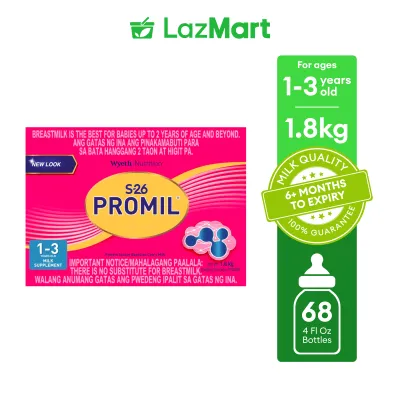
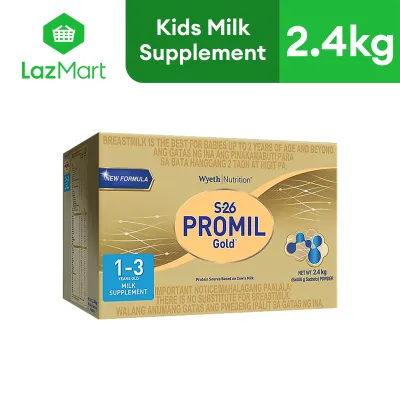
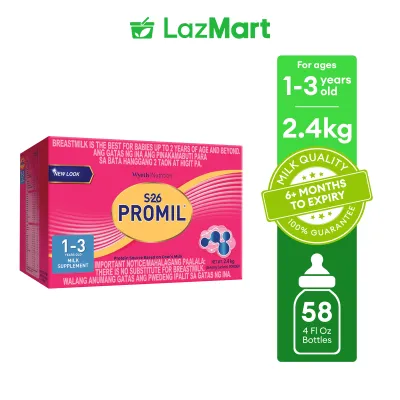
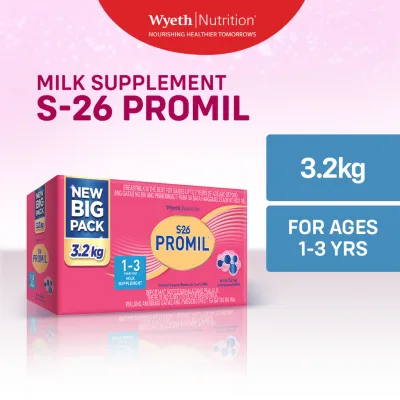


Prices are valid at publication and may change. Please refer to the product page for the latest price.
Nido FortiGrow, on the other hand, is widely positioned as a growth and immunity-focused milk. It is designed to support school-age children and active toddlers, emphasizing a combination of vitamins, minerals, and proteins that contribute to physical growth and immune defense. It is often viewed as a highly accessible and practical option for daily nutrition.
NAN Optipro 3 focuses heavily on digestive comfort and gut health. This brand typically highlights optimized protein quality, which is designed to be easy on a toddler’s developing digestive system. It often includes active cultures or prebiotics aimed at maintaining a healthy gut flora and reducing common digestive discomforts like gassiness or bloating.
Enfagrow A+ places a strong emphasis on brain development and cognitive support. Its marketing campaigns frequently center on high levels of DHA and other brain-support nutrients, positioning it as a premium option for parents who want to maximize their child’s cognitive potential during these critical formative years.
While these general positionings provide a helpful starting point, you must verify these claims by checking the actual ingredient list and nutritional panel on the specific tin or box available in your local store. Formulations can change over time, and manufacturers frequently update their recipes or introduce new variants. Always rely on the current product label rather than past advertisements or online reviews to ensure you know exactly what you are feeding your child.
Key Comparison Dimensions for Toddler Formula
To move beyond brand names and marketing slogans, parents need a structured way to evaluate these formulas. Comparing toddler milks effectively requires looking at three practical dimensions: the nutritional profile, child acceptance, and the actual cost per serving.

Nutritional Profile & Ingredient Checks
When examining the nutritional panel, start by looking at the macronutrient breakdown, which includes proteins, fats, and carbohydrates. Pay close attention to the carbohydrate sources listed in the ingredients. Some formulas use lactose as their primary carbohydrate, which mimics the natural sugar found in breast milk, while others may include added sugars such as sucrose, corn syrup solids, or maltodextrin to enhance flavor. In a tropical climate, where dental hygiene can be challenging and sweet preferences develop early, choosing a formula with minimal or no added sugars is highly beneficial for your toddler’s long-term health.
Next, look for specialized micronutrients and functional ingredients. If you are interested in brain development, compare the specific amounts of DHA, ARA, choline, and lutein listed on the labels. If gut health is a priority, check for the presence of prebiotics (such as galacto-oligosaccharides or fructo-oligosaccharides) and probiotics (active bacterial cultures). Keep in mind that the presence of these ingredients is only part of the equation; you should compare their actual amounts per 100 grams or per serving to see which brand offers the concentration you desire.
Finally, identify any potential allergens or ingredients that might trigger sensitivities. Standard toddler formulas are typically based on cow’s milk protein, which can be difficult for some children to digest. If your child has a diagnosed cow’s milk protein allergy or severe lactose intolerance, standard formulas are not suitable. Always stop using any formula immediately and consult a pediatrician if you observe signs of an allergic reaction, such as skin rashes, hives, chronic diarrhea, or vomiting.
Taste, Texture & Toddler Acceptance
A formula can have the most advanced nutritional profile on paper, but it will not benefit your child if they refuse to drink it. Toddlers are notoriously picky, and their taste preferences play a massive role in formula acceptance. The flavor profiles of these brands vary significantly; some have a natural, plain milk taste, while others are formulated with vanilla or honey flavors that appeal to sweet-loving toddlers.
Texture and solubility are also important practical considerations, especially in a humid climate. High humidity can cause opened milk powder to clump if not stored properly. When preparing a bottle, observe how easily the powder dissolves. Clumping not only makes preparation frustrating but can also lead to inconsistent nutrient delivery if thick residue is left at the bottom of the cup. Always follow the manufacturer’s instructions regarding water temperature, as using water that is too hot can destroy sensitive nutrients and probiotics, while water that is too cold may cause the powder to separate.
To avoid wasting money on a large tin that your child refuses to drink, plan a trial period. Purchase the smallest available box, pouch, or single-serve sachet first. This allows you to test your toddler’s acceptance of the taste, texture, and digestive tolerance before committing to a bulk purchase.
Value & Cost-Per-Serving Evaluation
Providing formula milk for a toddler is a recurring monthly expense that can impact your household budget. To compare the true cost of these brands, do not rely solely on the retail price of the tin. Instead, calculate the cost per serving to get an accurate financial comparison.
To find the cost per serving, divide the total price of the package by the total weight in grams, then multiply that number by the weight of a single serving (the number of grams per scoop multiplied by the number of scoops recommended for one feed). This calculation reveals the actual cost of each bottle or cup you prepare, allowing you to compare premium brands with budget-friendly options on an equal footing.
Additionally, consider the packaging formats available in local supermarkets and online marketplaces. Many brands offer refill pouches or boxed packs, which are generally more economical than rigid tin cans. If you choose to buy refill pouches, ensure you have a clean, airtight container to store the powder safely away from moisture and pests.
Finally, estimate your realistic monthly budget by multiplying the cost per serving by the number of feeds your toddler consumes daily (typically 2 to 3 servings for this age group) and then by 30 days. This will give you a clear picture of how each formula fits into your family’s ongoing expenses in Philippine Pesos (₱).
Decision Framework: Which Formula Fits Your Toddler?
To help you navigate these choices, consider this conditional decision framework based on your toddler’s specific needs and your family’s priorities:
- Choose S-26 Progress if: Your primary goal is to provide a formula that emphasizes cognitive and visual nutrients, your toddler readily accepts its specific taste profile, and your household budget comfortably accommodates a mid-to-premium price point.
- Choose Nido FortiGrow if: You are looking for a highly accessible, budget-friendly option focused on general physical growth and daily immunity support, and your toddler prefers a classic, slightly sweeter milk flavor.
- Choose NAN Optipro 3 if: Your child has mild digestive sensitivities, such as occasional gassiness or mild constipation, and you want a formula designed for gut comfort with optimized proteins, provided you are willing to pay a premium price.
- Choose Enfagrow A+ if: You prioritize premium brain-development marketing claims, your toddler enjoys the taste, and your monthly budget can easily sustain its higher price tier.
Before making any final decision, remember that standard toddler formulas are designed for healthy, typically developing children. If your child has a diagnosed medical condition, severe reflux, chronic digestive issues, or known food allergies, do not attempt to self-diagnose or switch formulas without professional guidance. Always consult a pediatrician to get a personalized recommendation tailored to your child’s medical history.
Transitioning & Monitoring Your Child's Response
When you decide to switch your toddler to a new formula, a gradual transition is the safest approach. A sudden change in milk can upset a toddler’s sensitive digestive tract, leading to temporary diarrhea, constipation, or fussiness. In a warm climate, digestive issues like diarrhea can quickly lead to dehydration, making a careful transition even more critical.
To transition safely, introduce the new formula slowly over a period of five to seven days. Start by replacing just one feed a day with the new formula, keeping the remaining feeds as the old formula. Every two days, replace another feed with the new formula until your child has fully transitioned. This gradual method gives your toddler’s digestive enzymes and gut bacteria time to adjust to the new protein and carbohydrate structures.
During and after the transition, closely monitor your child’s physical response. Signs of good tolerance include soft, formed stools passed without straining, consistent energy levels, normal sleep patterns, and clear skin. It is normal to observe minor changes in stool color or frequency during the first week, but these should stabilize quickly.
However, you must be aware of clear stop conditions. Immediately halt the new formula and seek medical advice from a pediatrician if your toddler exhibits signs of intolerance or an allergic reaction. These signs include severe or watery diarrhea, repeated vomiting, hives or red skin rashes, swelling of the face or lips, blood in the stool, or extreme, inconsolable fussiness after feeding.
Frequently Asked Questions (FAQ)
Can I mix two different toddler formula brands in one bottle?
Mixing two different formula powders in a single bottle or cup is generally discouraged. Each brand is formulated with a specific nutrient density, scoop size, and water-to-powder ratio designed to achieve a precise concentration (osmolarity). When you mix different powders, you risk altering this delicate balance, which can lead to over-concentration (straining your toddler’s kidneys and causing constipation) or under-concentration (diluting essential nutrients). If you are transitioning between brands, it is much safer to offer separate bottles of each formula at different times of the day rather than combining the powders in one serving.
When should I switch my toddler from formula to regular cow's milk?
According to general pediatric guidelines, pasteurized whole cow’s milk or UHT milk can be introduced to children after they reach 12 months of age, provided they are consuming a balanced diet of solid foods. However, many parents choose to continue using toddler formula up to age 3 to help bridge potential nutritional gaps, especially if the child is a picky eater or going through a phase of food refusal. Before completely replacing toddler formula with regular cow’s milk, consult your pediatrician to evaluate your child’s overall growth, weight gain, and solid food intake to ensure they are receiving adequate iron, vitamins, and minerals from their daily diet.
Community discussion
Share your experience or ask a question. Comments are reviewed before publication.