
Selecting the right toddler milk for a child aged 1 to 3 years old is a common crossroads for parents navigating the transition from infancy to early childhood. S-26 Gold, Nido, and Enfagrow represent three of the most prominent options available on supermarket shelves, each presenting a distinct approach to early childhood nutrition.
S-26 Gold is widely recognized for its focus on cognitive development and brain-support nutrients. Nido is positioned as a highly accessible, fortified milk powder designed for everyday growth and general nutritional support. Enfagrow typically emphasizes immune system reinforcement and digestive health blends.
Because toddler milk serves as a supplement to a solid-food diet rather than a complete meal replacement, the ideal choice depends on your child’s specific dietary gaps, taste preferences, and your household budget. Comparing these brands requires looking closely at their formulation focuses, reading nutrition labels carefully, and considering practical daily factors.
Products mentioned in this guide
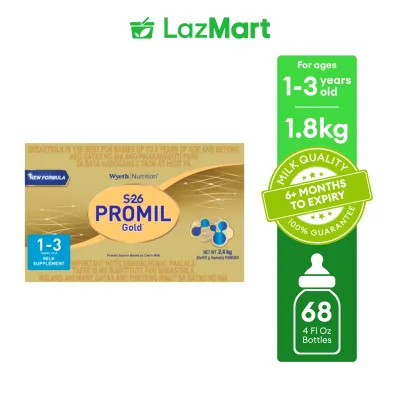


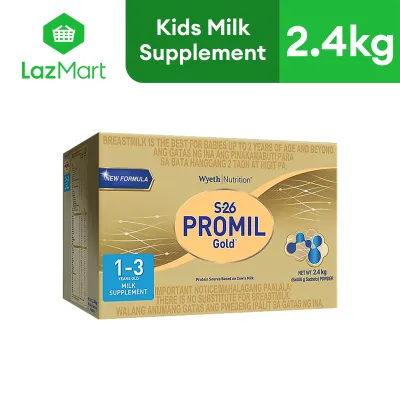
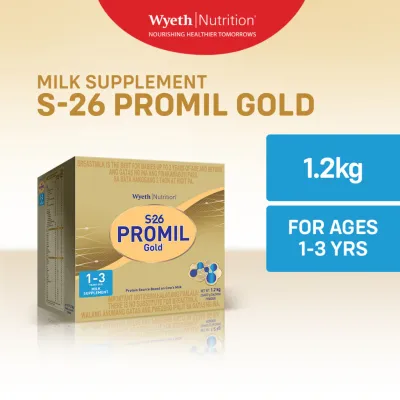

Prices are valid at publication and may change. Please refer to the product page for the latest price.
Defining Your Toddler's Nutritional Baseline (1-3 Years)
The period between 1 and 3 years of age marks a dramatic shift in a child’s developmental and nutritional needs. During this stage, toddlers transition from a diet dominated by breastmilk or infant formula to one where solid foods become their primary source of energy and essential nutrients. This transition can be challenging, as toddlers frequently experience phases of picky eating, fluctuating appetites, and rapid growth spurts.
Consequently, many children do not consume a perfectly balanced diet every day, leading to potential gaps in their nutritional intake. Pediatric guidelines highlight several common nutritional gaps during these formative years, particularly in micronutrients like iron, calcium, and vitamin D. Iron is critical for healthy brain development and oxygen transport, while calcium and vitamin D are essential for building strong bones and teeth.
Toddler milk formulas are specifically designed to bridge these nutritional gaps, acting as a safety net to ensure your child receives consistent levels of vital vitamins and minerals. However, it is crucial for parents to view toddler milk as a nutritional supplement rather than a complete meal replacement. Relying too heavily on liquid nutrition can inadvertently reduce a toddler’s appetite for solid foods, which are necessary for developing proper chewing skills and a diverse palate.
Brand Positioning and Formulation Focus
When walking down the baby care aisle, the marketing claims on milk cans can feel overwhelming. S-26 Gold, Nido, and Enfagrow each target specific developmental priorities to differentiate themselves in the market. S-26 Gold, produced by Wyeth, typically positions itself as a premium option with a strong emphasis on cognitive development. Its marketing and formulation focus heavily on brain-support nutrients, aiming to appeal to parents who prioritize cognitive milestones, memory, and visual development during these highly active learning years.

In contrast, Nido, a long-standing brand from Nestlé, positions itself as a practical, family-friendly option focused on everyday growth and general nutrition. Nido formulations are designed to offer broad-spectrum fortification, ensuring that active toddlers receive a balanced mix of essential vitamins and minerals to support their daily physical activities. This brand often emphasizes taste acceptance, making it a popular choice for parents of picky eaters who need a reliable, appealing milk option that fits seamlessly into a standard family budget.
Enfagrow, manufactured by Mead Johnson, generally centers its brand identity on immune support and digestive health. Its formulations frequently highlight specialized ingredient blends designed to support the gut microbiome and strengthen the body’s natural defenses. Because a significant portion of the immune system resides in the gut, Enfagrow aims to provide parents with peace of mind regarding their toddler’s resistance to common childhood illnesses and overall digestive comfort.
While these brand positions provide a helpful starting point, parents must verify the specific claims and formulation focuses on the actual packaging available in local stores. Manufacturers periodically update their recipes, introduce new product lines, or adjust nutrient ratios to align with updated pediatric research. Always inspect the physical label of the specific container you intend to purchase to ensure it matches your current expectations and developmental goals for your child.
How to Compare the Nutrition Facts Labels
To make an objective comparison, parents must look past front-of-pack marketing and examine the Nutrition Facts label on the back of the container. Start by evaluating the macronutrient profile, specifically the protein and fat ratios. Toddlers require a balanced intake of healthy fats to support rapid brain development and provide sustained energy for physical play. Compare the total fat and protein content per serving across the three brands to ensure the milk aligns with your child’s energy expenditure and growth patterns.
Next, compare the levels of essential micronutrients, particularly iron, calcium, and vitamin D. Look at the percentage of the daily recommended intake that each serving provides. If your toddler is a picky eater who avoids green leafy vegetables and meats, you may want to prioritize a formula with a higher percentage of iron. If your child does not consume much yogurt or cheese, a milk with robust calcium and vitamin D levels will be more beneficial. Comparing these percentages allows you to select a formula that directly targets your child’s specific dietary deficiencies.
Another critical step is identifying added sugars and artificial flavorings in the ingredient list. Ingredients are listed in descending order of weight, so pay close attention to the first few items. Look out for terms like sucrose, corn syrup solids, maltodextrin, or fructose. While some sugars occur naturally in milk (such as lactose), excessive added sugars can contribute to tooth decay, unhealthy weight gain, and a preference for overly sweet foods. Choosing a formula with minimal or no added sugars helps establish healthy eating habits early in life.
Finally, examine the label for specialized functional ingredients such as docosahexaenoic acid (DHA), arachidonic acid (ARA), prebiotics, and probiotics. DHA and ARA are omega-3 and omega-6 fatty acids associated with brain and eye development. Prebiotics (like GOS and FOS) and probiotics support a healthy gut microbiome, which can aid digestion and boost immunity. Note not just the presence of these ingredients, but their declared amounts per serving, as this will help you determine which brand offers the most substantial support for your specific developmental priorities.
Practical Considerations for Daily Use
Beyond nutritional content, practical day-to-day factors heavily influence how sustainable a milk brand is for your household. One key consideration is powder mixability and clumping. In the warm, humid tropical climate of the Philippines, milk powder can easily absorb moisture from the air, leading to clumping inside the container or difficulty dissolving in water. Some formulas dissolve smoothly in room-temperature water, while others require vigorous shaking or warm water to prevent residue from clogging the bottle nipple or cup spout. Reading local user reviews or conducting a small home test can help you gauge how easily each powder mixes during busy morning routines.
Taste acceptance is another major hurdle for parents of toddlers. Children at this age have highly sensitive taste buds and may reject a new milk due to its smell, sweetness, or texture. S-26 Gold, Nido, and Enfagrow each have distinct flavor profiles, ranging from creamy and mildly sweet to more distinct metallic undertones from high iron content. If you are transitioning your child from breastmilk or a previous formula, be prepared for a period of adjustment. Introducing the new milk gradually and maintaining a patient, pressure-free feeding environment can help ease the transition.
Household budget management requires calculating the true cost per serving rather than simply comparing the retail price of the tin or box. To do this, divide the total price of the package by the number of servings it yields, based on the manufacturer’s recommended scoop size and water ratio. A larger, more expensive tin may actually offer a lower cost per serving if it requires fewer scoops per glass. Factor in your toddler’s daily consumption—typically two to three glasses—to estimate the monthly cost of each brand.
Lastly, consider product availability and the reliability of your supply chain. It can be highly disruptive to run out of your toddler’s preferred milk only to find it out of stock at your local supermarket. Check the availability of S-26 Gold, Nido, and Enfagrow in physical grocery stores in your area, as well as on official e-commerce storefronts and authorized online marketplaces. Purchasing from authorized sellers ensures product authenticity and reduces the risk of buying counterfeit or improperly stored milk powder.
Decision Framework: Choosing the Right Fit
To simplify your decision, you can use a conditional framework that matches each brand’s strengths with your toddler’s specific needs and your family’s priorities. If your primary goal is to support cognitive development and you prefer a formula that highlights a comprehensive blend of brain-support nutrients like DHA, choline, and lutein on its label, S-26 Gold is a highly suitable candidate. This option is ideal for parents who want to focus on early learning milestones and visual development.
If your toddler prefers a familiar, creamy taste and you are looking for a reliable, cost-effective, fortified milk powder to support general growth and everyday energy, Nido is an excellent choice. It serves as a practical, widely accepted option that fits easily into a standard family budget while ensuring your child receives essential daily vitamins and minerals. This brand is particularly well-suited for active toddlers who already eat a relatively balanced solid-food diet but need a dependable nutritional safety net.
If your toddler has a sensitive stomach, experiences occasional digestive discomfort, or if you want to prioritize strengthening their natural defenses against common illnesses, Enfagrow is a strong option to consider. Its focus on immune-support and digestive blends, such as specialized prebiotics, makes it a preferred choice for parents who want to support gut health and overall physical resilience.
Regardless of which brand seems like the best fit on paper, it is essential to consult a pediatrician before making any major changes to your child’s diet. This is especially critical if your toddler has a history of food allergies, lactose intolerance, poor weight gain, or any underlying medical conditions. A qualified healthcare professional can provide personalized guidance based on your child’s growth chart and specific nutritional requirements, ensuring that your choice safely supports their long-term health and development.
Frequently Asked Questions (FAQ)
Is toddler formula necessary for a 1-3 year old?
According to general pediatric consensus, toddler formula is not strictly necessary for a healthy child who consumes a well-balanced diet. For toddlers who eat a wide variety of solid foods—including fruits, vegetables, proteins, and whole grains—whole cow’s milk is often sufficient to meet their daily calcium and vitamin D requirements. However, toddler formulas can be highly beneficial in specific scenarios. If your child is an extremely picky eater, has dietary restrictions, or is recovering from an illness that affected their appetite, these fortified milks provide a reliable way to prevent nutritional deficiencies. They serve as a practical supplement to ensure your child receives essential micronutrients like iron and zinc, which can be difficult to obtain in adequate amounts from a limited solid-food diet.
How do I safely switch my toddler from one brand to another?
When switching your toddler to a new milk brand, a gradual transition is the safest approach to prevent digestive upset or immediate taste rejection. Start by mixing the old and new milk powders over a period of five to seven days. On the first two days, prepare a bottle or cup using three-quarters of the old milk and one-quarter of the new milk. On days three and four, mix them in equal halves. By days five and six, use one-quarter of the old milk and three-quarters of the new milk, before transitioning completely to the new brand on day seven. During this transition, closely monitor your toddler for any observable signs of intolerance, such as loose stools, vomiting, excessive gas, skin rashes, or sudden irritability. If you observe any of these symptoms, stop the transition immediately and consult your pediatrician for guidance.
Community discussion
Share your experience or ask a question. Comments are reviewed before publication.