
Choosing the right infant formula for your newborn is one of the most significant decisions you will make during your baby’s first six months of life. With prominent options like S-26 Gold, NAN, and Enfagrow lining the shelves of local pharmacies and supermarkets, it is easy to feel overwhelmed by the array of choices and marketing claims. However, there is no single “best” formula that universally outperforms the rest for every single infant. The ideal choice for your baby depends entirely on their unique digestive tolerance, your pediatrician’s specific guidance, and your household’s logistical and financial needs.
To navigate this decision with confidence, you do not need to rely on vague promises of superior development or absolute safety. Instead, you can use a structured, objective framework to compare these brands based on verifiable facts. By learning how to read nutritional labels, calculate the true cost of feeding, and observe your baby’s physical cues, you can make an informed choice that supports your baby’s growth during this critical 0-6 month window.
Understanding the Core Differences in 0-6 Month Formulas
When comparing S-26 Gold, NAN, and Enfagrow, the first step is to look past the front-of-pack marketing and focus on the physical packaging’s back and side panels. This is where you will find the ingredient list and the guaranteed analysis table. These sections are highly regulated and provide the exact nutritional breakdown of what is inside the tin. Every infant formula legally sold in the Philippines must meet the strict baseline nutritional standards established by the Food and Drug Administration (FDA) for the 0-6 month age group. This means that regardless of the brand you choose, the formula is guaranteed to provide the essential vitamins, minerals, proteins, fats, and carbohydrates required to support your newborn’s baseline growth and development.
Products mentioned in this guide
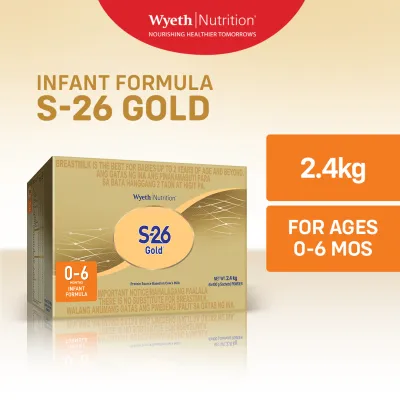
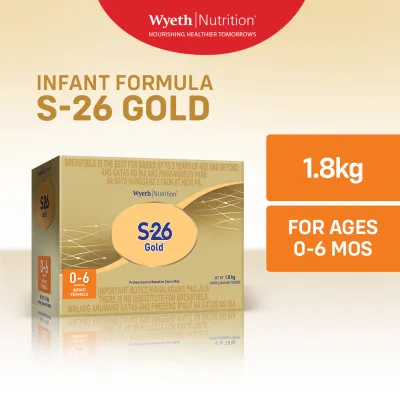
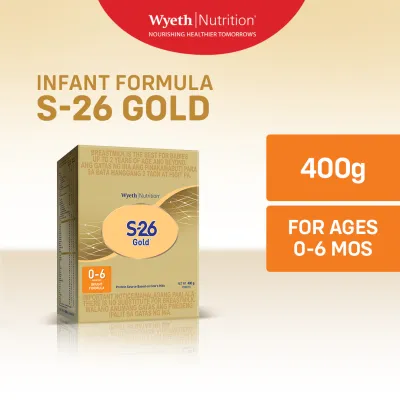
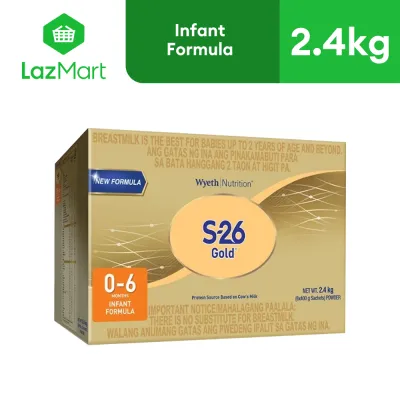
Prices are valid at publication and may change. Please refer to the product page for the latest price.
The differences among these brands lie primarily in their formulation philosophies, which are reflected in their specific ingredient selections and nutrient ratios. For example, manufacturers design their 0-6 month formulas with varying whey-to-casein protein ratios, distinct lipid (fat) blends, and different combinations of prebiotic fibers or optional micronutrients. S-26 Gold, NAN, and Enfagrow each approach these formulations differently to cater to different digestive needs and developmental focuses. To identify these differences, you must locate the ingredient list, which lists components in descending order of weight, and the nutritional information panel, which details the exact amount of each nutrient per 100 grams of powder or per 100 milliliters of prepared formula.
Comparing Key Nutritional Profiles on the Label
To make an objective comparison between S-26 Gold, NAN, and Enfagrow, you should evaluate specific nutritional markers directly from the product tins. This systematic approach allows you to see exactly how each brand structures its formula.

Protein Composition and Digestibility
The type and structure of protein in an infant formula play a critical role in how easily your baby can digest it. When examining the labels of S-26 Gold, NAN, and Enfagrow, look closely at the whey-to-casein ratio. Breast milk is whey-dominant, particularly in the early months, and many infant formulas aim to mimic this ratio (often around 60:40 or higher) to facilitate easier digestion. A higher whey content generally keeps the formula liquid longer in the stomach, which can help reduce the likelihood of mild spit-ups and digestive discomfort in some infants.
Additionally, you should check if the brand offers a variant featuring partially hydrolyzed proteins within their 0-6 month range. Partially hydrolyzed proteins are pre-broken down into smaller segments, making them easier for a newborn’s immature digestive system to process. If you notice your baby experiencing mild gas, fussiness, or colic, you might compare these gentle or sensitive variants across the brands. However, it is vital to remember that you should never switch your baby’s formula—especially when suspecting protein sensitivities, allergies, or severe digestive discomfort—without first consulting your pediatrician. A qualified healthcare provider can help determine if a specialized protein structure is truly necessary for your infant.
Added Nutrients and Prebiotics
Beyond the essential macronutrients, manufacturers often differentiate their premium lines, such as S-26 Gold, NAN, and Enfagrow, by adding specific functional ingredients. These typically include docosahexaenoic acid (DHA), arachidonic acid (ARA), lutein, and prebiotic fibers like galacto-oligosaccharides (GOS) and fructo-oligosaccharides (FOS). To compare these additives objectively, do not rely on front-of-pack claims like “high DHA.” Instead, turn the tin to the nutritional analysis panel and compare the exact milligram (mg) amounts of DHA and ARA per 100 kilocalories (kcal) or per 100 milliliters (mL) of prepared formula.
Prebiotics are another key area of variation. These non-digestible fibers serve as food for beneficial gut bacteria, supporting your baby’s developing digestive and immune systems. Look at the ingredient list to see which specific prebiotics are included and check the nutritional panel for their concentration. While these added ingredients are highly marketed, their clinical significance and actual impact on your specific baby’s development should always be discussed with your pediatrician. A healthcare professional can help you understand whether a higher concentration of a specific lipid or prebiotic blend aligns with your baby’s unique health profile.
Evaluating Price, Sizing, and Availability in the Philippines
Feeding an infant is a continuous daily expense, making financial sustainability and retail availability crucial factors in your decision. Because infant formulas are sold in various packaging sizes—ranging from small boxes to large tins—comparing the retail price directly can be misleading. To establish an accurate comparison, use a simple standardization formula: divide the retail price of the package by its net weight in grams, then multiply by 100. This gives you the cost per 100 grams of powder, allowing you to compare the value of a 400g box directly against an 800g or 900g tin across S-26 Gold, NAN, and Enfagrow.
Cost per 100g = (Retail Price in ₱ / Net Weight in Grams) x 100
In the Philippines, the tropical climate and high humidity also mean that proper storage is essential. Buying larger tins might offer a lower cost per 100 grams, but once opened, formula powder must typically be consumed within a specific timeframe (usually three to four weeks) to prevent spoilage and moisture absorption. If your newborn is mixed-fed or consumes smaller volumes, smaller packaging sizes may actually reduce waste and prove more economical in the long run.
Availability is another practical consideration. A formula is only good for your baby if you can reliably purchase it when needed. Check major local supermarkets, physical pharmacies, and authorized online mall flagship stores to see which brands are consistently in stock in your area. When purchasing online, always buy from official brand stores or authorized distributors. Avoid unauthorized third-party sellers on ecommerce platforms, as they may sell counterfeit, expired, or improperly stored products. In a tropical environment, exposure to extreme heat during transit or storage can degrade the nutritional quality of the formula and pose safety risks to your baby.
Decision Framework: Which Formula Should You Choose?
To choose the right formula for your 0-6 month old, you can use a conditional decision framework that balances label verification, local availability, and your baby’s observable physical responses.
You might choose S-26 Gold if:
- The specific nutrient profile, including its lipid and micronutrient levels verified on the label, aligns with your pediatrician's recommendation.
- Your baby tolerates the formula well, showing consistent weight gain, normal stool consistency, and minimal spit-up.
- The brand is readily available in your preferred local supermarkets or authorized online stores, fitting comfortably within your monthly household budget.
You might choose NAN if:
- The packaging indicates a protein composition, such as a specific whey-to-casein ratio or a partially hydrolyzed protein blend, that matches your baby's observed digestion patterns.
- Your pediatrician recommends a formulation focused on digestive comfort or gentle protein structures for your newborn.
- You can easily source the specific variant from reliable local pharmacies or official online distributors.
You might choose Enfagrow if:
- The verified prebiotic fibers or specific nutrient levels (such as DHA and ARA) printed on the tin align with your nutritional priorities for your baby's early development.
- Your baby shows excellent tolerance to the formulation, with no signs of persistent gas or fussiness.
- The product is consistently stocked in your immediate area, ensuring you never run out of supply unexpectedly.
Neither option may fit if:
- Your baby exhibits signs of a cow's milk protein allergy (CMPA), severe lactose intolerance, or persistent digestive distress. Common indicators include blood or mucus in the stool, excessive vomiting, chronic diarrhea, severe skin rashes, or inconsolable crying after feeding. If you observe any of these symptoms, stop using the formula immediately and consult your pediatrician. Your doctor will need to diagnose the underlying issue and may recommend a specialized hypoallergenic, extensively hydrolyzed, or amino acid-based formula that is clinically designed for sensitive infants.
Frequently Asked Questions (FAQ)
Can I mix S-26 Gold, NAN, and Enfagrow in the same bottle?
No, you should not mix different formula brands or product lines in a single bottle. Infant formula manufacturers design their products with precise balances of water, powder, and specific nutrients. Mixing different powders can alter the concentration of nutrients and minerals, potentially overloading your newborn’s immature kidneys or causing digestive issues. Always follow the exact preparation and scooping instructions printed on the specific tin you are currently using. If you need to transition your baby from one brand to another, consult your pediatrician for a safe, gradual transition plan.
How do I know if my 0-6 month old needs a different formula?
Your baby will communicate digestive discomfort through observable physical signs. If your infant experiences persistent diarrhea, frequent projectile vomiting, unusual skin rashes, extreme gassiness, or poor weight gain, these may be signs that the current formula is not suitable. However, you should never self-diagnose or abruptly switch formula brands on your own. Always seek professional medical advice from your pediatrician to rule out underlying health conditions and to receive a safe, structured recommendation for an alternative formula.
Community discussion
Share your experience or ask a question. Comments are reviewed before publication.