
Choosing the right formula milk for your baby in the Philippines can feel overwhelming given the sheer number of options on supermarket shelves. There is no single “best” formula milk for every child; the right choice depends entirely on your baby’s current age, digestive tolerance, and specific nutritional needs. While S-26, Nido, NAN, and Enfagrow are prominent brands, they often target different developmental stages and formulation goals. This guide provides a structured framework to help you decode product labels, compare actual ingredients, calculate true costs, and make a condition-based decision in consultation with your pediatrician.
Feeding decisions are highly personal and must always prioritize your baby’s unique developmental stage. What works exceptionally well for one infant might cause digestive discomfort for another. By learning how to analyze the information printed directly on the packaging, you can cut through marketing claims and focus on the actual nutritional profile that supports your child’s growth.
Identifying the Right Stage and Brand Focus
Before comparing specific nutritional features, you must verify the target age group and primary product line for each brand. Giving a child the wrong stage of formula can lead to nutritional deficiencies or place an unnecessary load on their developing kidneys. Always check the exact product name and stage (such as Stage 1, 2, 3, or 4) clearly printed on the front of the packaging.
Products mentioned in this guide
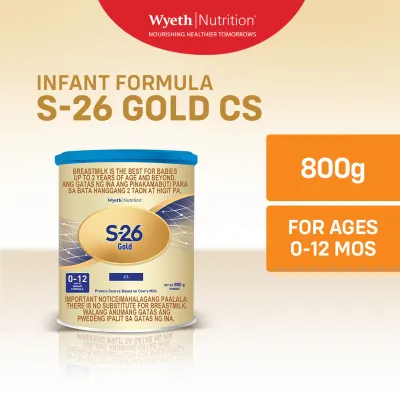
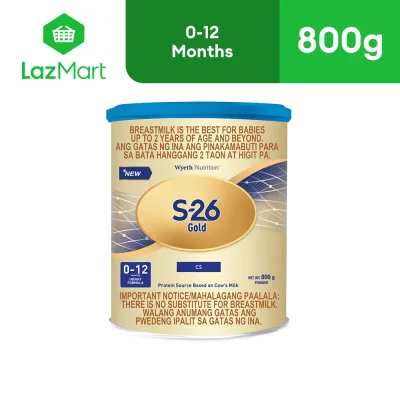
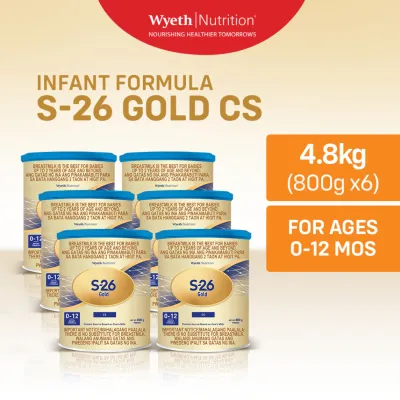
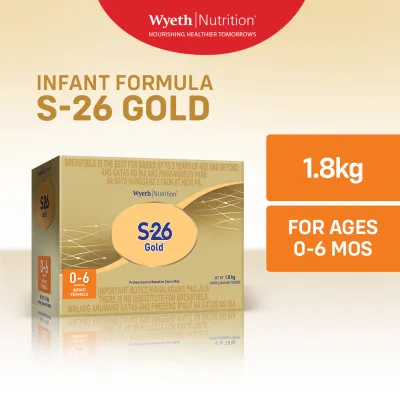
Prices are valid at publication and may change. Please refer to the product page for the latest price.
Brands like NAN and S-26 offer comprehensive product lines that cover early infancy through toddlerhood. For instance, S-26 features infant formulas for the first year of life, alongside its toddler milk drinks. If you are looking at S-26 CS, you must verify the exact meaning of the “CS” suffix on the label of your specific tin. S-26 CS is often formulated with specific dietary or digestive profiles in mind, making it crucial to read the manufacturer’s intended use and age range before purchase.
In contrast, brands like Nido and Enfagrow frequently focus their most popular product lines on toddlers and older children. Nido 3+ and Enfagrow A+ Four, for example, are specifically designed for children aged three and older. Feeding these toddler-centric formulations to an infant under twelve months is highly dangerous, as their nutritional ratios are not designed to support a newborn’s fragile system. Always confirm the recommended age range on the tin to ensure it matches your child’s current age.
Comparing Nutritional Labels and Digestive Features
To make an objective comparison, you must look past the front-of-pack marketing and examine the detailed Nutrition Facts panel and ingredient list on the back of the tin. This allows you to evaluate the actual building blocks of the formula.

Checking Age Appropriateness and Base Ingredients
The foundation of any formula is its primary protein source. Locate the ingredient list to identify whether the formula is based on intact cow’s milk protein, soy protein, or partially hydrolyzed protein. Infants with a family history of allergies or sensitive tummies may require specific protein structures, which must always be selected under medical supervision.
Next, compare the presence of added nutrients such as Docosahexaenoic Acid (DHA), Arachidonic Acid (ARA), and essential vitamins. While most premium brands include these components, the exact amounts per serving can vary. You should also check the carbohydrate sources listed on the label. Some formulas rely primarily on lactose, which is the natural sugar found in breast milk, while others may incorporate corn syrup solids or maltodextrin to assist with specific digestive needs or preferences.
Evaluating Digestive Comfort Claims on the Label
Many formula brands highlight digestive comfort on their packaging, using terms like “gentle,” “comfort,” or “sensitive.” It is important to understand that these are marketing descriptors rather than standardized medical terms. To verify these claims, look for specific functional ingredients on the label, such as prebiotics (like FOS and GOS), probiotics (active bacterial cultures), or partially hydrolyzed whey proteins.
Partially hydrolyzed proteins are pre-broken down into smaller pieces, which can make them easier for some infants to digest. However, if your baby is experiencing severe colic, persistent reflux, or suspected cow’s milk protein allergy, you must not rely on over-the-counter “comfort” formulas. These conditions require a formal diagnosis and a specific therapeutic formula prescribed by your pediatrician.
Reviewing Preparation and Mixing Requirements
Practical daily preparation is another factor that can influence your choice, especially during late-night feedings. Check the feeding guide on the tin for the prescribed water-to-powder ratio. Some brands require one level scoop of powder for every 30ml of water, while others use a different ratio. Deviating from the manufacturer’s exact instructions can cause severe dehydration or undernutrition.
Additionally, note the recommended water temperature for mixing. Some formulations require lukewarm water to preserve active probiotics, while others mix more easily in slightly warmer water. In the humid, tropical climate of the Philippines, powder can clump quickly if exposed to moisture. Pay attention to the scoop design and how securely the tin seals to prevent humidity from spoiling the powder before you can use it entirely.
Calculating True Cost per Serving
Comparing the retail price of two tins of formula can be highly misleading. A cheaper tin might contain less powder, or it might require a larger scoop size, meaning you will run out of product much faster. To find the true financial impact of each brand, you should calculate the cost per serving using a simple three-step method.
First, determine the total number of servings in a single tin. You can find this by looking at the net weight of the tin and dividing it by the weight of a single scoop, or by checking the manufacturer’s preparation table for the estimated number of servings per container. Once you have this number, use the following formula:
$$\text{Cost per Serving} = \frac{\text{Retail Price of the Tin (in ₱)}}{\text{Total Number of Servings per Tin}}$$
Second, factor in the recommended scoop-to-water ratio. If Brand A requires three scoops for a 180ml bottle and Brand B requires four scoops of the same size for the same volume, Brand B will deplete the tin significantly faster.
Finally, multiply your calculated cost per serving by the frequency of your baby’s daily feedings. This will give you a realistic estimate of your weekly and monthly budget. Keep in mind that as your baby grows, their daily intake volume will increase, making the cost per serving an increasingly important factor in your household expenses.
Decision Framework: Matching Formula to Your Baby
To help narrow down your choices, you can use a conditional framework that matches each brand’s primary characteristics to your baby’s current profile. This framework should serve as a starting point for your discussion with a healthcare professional.
- Consider S-26 CS (or specific S-26 variants): If your pediatrician has recommended a specific formulation tailored for infants with unique digestive profiles, and your baby falls within the exact age stage indicated on the packaging.
- Consider NAN: If you are looking for an infant or transition formula that emphasizes specific whey-to-casein ratios or active probiotic cultures to support early gut development, as detailed on the specific variant's label.
- Consider Enfagrow or Nido: If your child has successfully transitioned to the toddler stage (typically 12 months and older), is eating a varied diet of solid foods, and requires a growth milk supplement to help meet their daily nutritional targets.
Regardless of these general categories, you must verify your choice with a pediatrician first if your baby has a diagnosed medical condition, a history of allergies, or is experiencing failure to thrive. Standard commercial formulas are designed for healthy, term infants and may not meet the needs of babies requiring specialized medical nutrition.
Signs to Pause, Switch, or Consult a Pediatrician
Once you have selected a formula, you must closely monitor your baby’s physical response. It typically takes one to two weeks for a baby’s digestive system to adapt to a new formula. During this transition period, minor changes in stool consistency or frequency are common and usually harmless.
However, you must monitor for clear signs of formula intolerance or allergy. These include persistent skin rashes or hives, blood or mucus in the stool, forceful or projectile vomiting, and extreme, inconsolable fussiness immediately after feeding. If you observe any of these symptoms, pause feeding and consult your pediatrician immediately.
Furthermore, if your baby shows signs of dehydration (such as fewer wet diapers or a dry mouth), extreme lethargy, or respiratory distress, seek emergency medical care. Finally, avoid the temptation to frequently switch between different formula brands on your own. Constantly changing formulas can irritate your baby’s digestive tract, make it difficult to identify the actual cause of their discomfort, and delay proper medical treatment.
Frequently Asked Questions (FAQ)
Can I mix two different formula brands in the same bottle?
No, mixing two different formula brands or stages in a single bottle is not recommended. Each brand is formulated with a precise balance of nutrients, proteins, and minerals designed to be dissolved in a specific volume of water. Mixing them can alter the concentration of the feed, potentially overloading your baby’s developing kidneys or causing severe digestive issues. Always follow the exact preparation instructions on a single formula’s label.
How long can prepared formula sit at room temperature?
Generally, prepared formula should not sit at room temperature for more than two hours. In the warm and humid climate of the Philippines, bacteria can multiply rapidly in warm milk. If your baby has already started drinking from the bottle, you must discard any remaining formula within one hour of the start of the feed. Saliva introduces bacteria into the bottle, which can quickly contaminate the milk and make your baby sick.
Community discussion
Share your experience or ask a question. Comments are reviewed before publication.