
Choosing the right high chair for your child in the Philippines involves balancing daily convenience, household space, and long-term durability. While the Rubbermaid high chair is widely recognized in commercial settings for its heavy-duty plastic construction, deciding whether it or an alternative brand is better for your home depends on your family’s specific space, budget, and developmental needs.
In the Philippines, high humidity and warm temperatures mean that baby gear must resist moisture buildup and be exceptionally easy to sanitize. A high chair that traps food particles or moisture can quickly become a breeding ground for bacteria, making material choice a primary health and safety consideration for local parents.
Because physical testing is not always possible before purchase, making an informed decision requires a careful comparison of manufacturer specifications, warranty terms, and observable build quality. Key factors such as stability, harness security, and ease of cleaning should guide your choice, ensuring a safe and comfortable dining environment for your growing baby.
Products mentioned in this guide
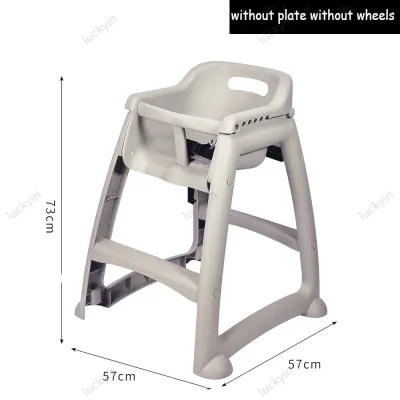
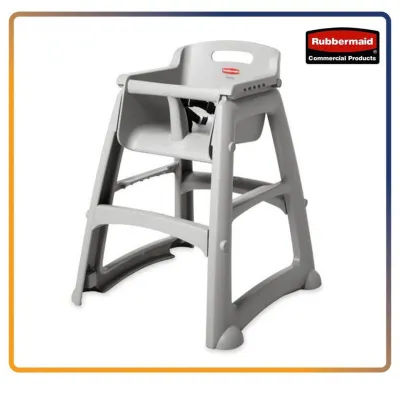
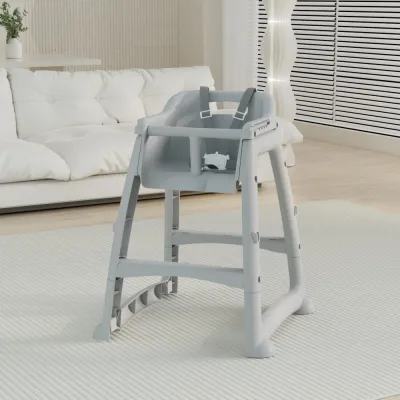
Prices are valid at publication and may change. Please refer to the product page for the latest price.
Key Safety and Usability Standards to Verify
Before comparing specific brands, every caregiver must understand the baseline safety and usability standards that protect a child during mealtimes.
First, inspect the harness system of any high chair you consider. A secure 5-point harness is highly recommended to prevent a child from sliding out or climbing up. When examining a physical model or reading product specifications, verify that the buckle mechanism requires a firm, dual-action release that a toddler cannot easily undo.
The harness straps themselves should be made of durable, tightly woven webbing that does not fray easily under repeated washing. Ensure the straps can be adjusted smoothly to fit your child snugly as they grow, preventing any gaps that could allow them to slip through the leg openings.
Second, evaluate the stability and base design of the chair. A wider footprint generally offers greater stability, but it also requires more floor space in your dining area. Check the manufacturer’s warnings regarding anti-tip features and ensure the legs have non-slip grips to prevent sliding on smooth tile or polished wood floors common in Filipino homes.
Third, always read the product label for exact weight and height limits rather than relying on general age guidelines. Children grow at different rates, and exceeding the manufacturer’s specified weight threshold can compromise the structural integrity of the chair.
Finally, consider the practicalities of cleaning and maintenance. Look for high chairs with removable, dishwasher-safe trays and wipeable seat materials that do not trap moisture, food crumbs, or mold in humid environments.
Assessing the Rubbermaid High Chair
When evaluating a Rubbermaid high chair, look closely at its specific build, labeling, and suitability for a residential dining setup.

Begin by checking for safety certification marks on the packaging or the product base itself. Look for recognized standards such as ASTM or EN certifications, which indicate that the design has undergone rigorous safety evaluations.
Next, inspect the physical sturdiness of the plastic or metal frame. Rubbermaid models are typically known for their seamless, molded plastic construction, which minimizes crevices where food can hide. Ensure that the tray attaches securely and that there are no sharp edges or loose parts that could pinch small fingers.
While these chairs are a staple in local restaurants and malls due to their stackable design and industrial durability, parents should evaluate how this commercial aesthetic fits into a residential dining room. The lack of fabric padding means there are fewer parts to wash, but it also means the seat is firmer, which may affect comfort during longer meals.
Caregivers must also cross-reference the user manual’s recommended age and sitting milestones before placing a child in the chair for the first time. Ensure your child has achieved the necessary physical development to sit upright without slouching.
Lastly, measure the physical dimensions of the chair against your available dining space. Commercial-style high chairs often have a fixed, non-folding footprint, so you must ensure it can fit comfortably around your dining table without blocking high-traffic walkways.
Comparing Rubbermaid Against Alternative Brands
To determine if a Rubbermaid high chair or an alternative brand is the right fit, compare their verifiable specifications and design features systematically.
Adjustability is a key differentiator among modern high chairs. While some brands offer multi-position recline, adjustable footrests, and variable height settings to grow with your child, other models feature a simpler, fixed-height design. Assess whether your family needs these customizable comfort features or prefers a straightforward, non-adjustable structure.
Portability and storage are also crucial for families living in condominiums or homes with compact dining areas. Many alternative brands feature foldable frames, built-in wheels, or lightweight materials that allow you to store the chair away when not in use. In contrast, heavy-duty plastic chairs often lack folding mechanisms, requiring a permanent spot in your dining room.
The tray mechanism is another critical point of comparison. Some high chairs feature a one-handed tray release, which is incredibly convenient when you are holding a baby in one arm. Other models require two hands to slide the tray into place, which can be more cumbersome during busy meal prep times in a bustling household.
Consider the longevity and convertibility of the product. Some alternative brands are designed as multi-functional systems that transition from a high chair to a booster seat, and eventually into a toddler chair or study desk. Review the manufacturer’s specifications to see if the investment provides extended utility beyond the toddler years.
Finally, verify the after-sales support and warranty terms offered by each brand. Check if replacement parts, such as extra trays, harness straps, or seat pads, are readily available through official brand channels or authorized local retailers in the Philippines. Reliable customer service can significantly extend the usable life of your high chair.
Decision Framework: Which High Chair Fits Your Needs?
Choosing the right high chair requires matching your household’s daily routine with the specific features of each model.
The Rubbermaid high chair is an excellent choice if you prioritize a highly durable, easy-to-clean, and stable design that can withstand heavy daily use. Its seamless plastic construction is ideal for families who want a low-maintenance chair that can be quickly wiped down or hosed off in the yard, provided you have the permanent floor space to accommodate its fixed footprint.
On the other hand, an alternative brand may be more suitable if your home has limited space and requires a foldable design, or if you want adjustable features like a reclining seat for younger infants. Families looking for a product that converts into a toddler chair to maximize their budget may also find better value in convertible alternative models.
Weigh the upfront cost in pesos (₱) against the expected years of use to determine which option provides the best long-term value for your family’s financial plan.
Keep in mind that neither option is appropriate if your child has not yet reached the necessary developmental milestones for independent sitting, or if the specific model lacks clear, verifiable safety labeling.
Before finalizing your purchase, always check official manufacturer websites or consumer safety databases to ensure the specific model has no active recalls or updated safety warnings.
Frequently Asked Questions (FAQ)
At what age should a baby start using a high chair?
A baby’s readiness for a high chair depends more on physical developmental milestones than chronological age. Your child should be able to sit up unassisted with good head and neck control before using a high chair. Always consult the specific manufacturer’s manual to verify the minimum weight and developmental requirements for your chosen model.
How do I clean and maintain a plastic high chair?
To maintain a plastic high chair, wipe down all surfaces after every meal using a damp cloth and mild, baby-safe soap. Avoid harsh chemical cleaners that can degrade the plastic or leave harmful residues. Check the product’s care label to confirm if the tray is dishwasher-safe and to find specific washing instructions for the harness straps.
Are second-hand high chairs safe to use?
Using a second-hand high chair carries risks, such as missing hardware, degraded plastic parts, or outdated safety standards. If you choose a pre-owned model, ensure all original labels, safety harnesses, and user manuals are intact. Always cross-reference the model number with online recall databases to ensure the product has not been flagged for safety issues.
Community discussion
Share your experience or ask a question. Comments are reviewed before publication.