
Quick Answer: Is Rubber Matting Safe for Direct Baby Contact?
Whether rubber matting is safe for direct baby contact depends entirely on the specific material composition, manufacturing process, and third-party certifications of the product, rather than the generic label of “rubber.” High-quality, certified natural rubber is generally safe for babies to crawl, sit, and play on, as it is naturally slip-resistant, durable, and free from synthetic plasticizers. Conversely, uncertified synthetic rubber or recycled rubber blends can pose significant chemical and physical risks, including toxic off-gassing and choking hazards.
Before introducing any rubber matting into your nursery, you must verify independent safety certifications and thoroughly inspect the physical integrity of the mat. Because babies explore their world through touch and mouth contact, ensuring the material is free from harmful chemical additives is paramount to their safety and development.
Potential Safety Risks of Rubber Matting in the Nursery
While rubber matting offers excellent cushioning for active infants, parents must understand the potential health and physical hazards associated with lower-grade or uncertified materials. Evaluating these risks helps you make an informed decision for your nursery setup.
Products mentioned in this guide
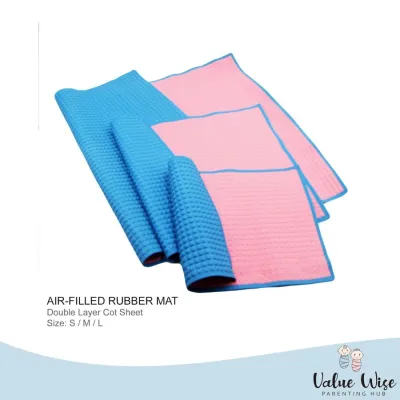
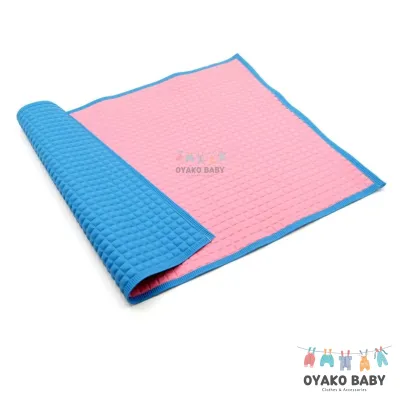
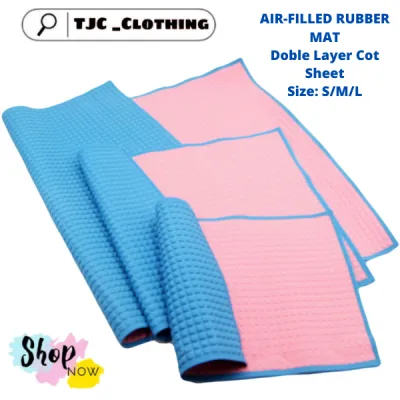
Prices are valid at publication and may change. Please refer to the product page for the latest price.

Chemical Exposure and Off-Gassing
Many synthetic or recycled rubber mats release volatile organic compounds (VOCs), phthalates, and heavy metals into the surrounding air. This process, known as off-gassing, can seriously compromise indoor air quality. Infants are particularly vulnerable to airborne toxins because their respiratory systems are still developing, and they breathe more rapidly relative to their body mass than adults.
When unboxing a new rubber mat, a strong, pungent chemical odor is a primary warning sign. This smell often indicates inadequate curing during manufacturing or the presence of unsafe chemical solvents and plasticizers. Prolonged exposure to these chemical fumes in an enclosed space, like a nursery, can irritate your baby’s eyes, nose, and throat, and may trigger respiratory issues.
Choking and Physical Hazards
Babies naturally explore objects by chewing on them, especially during teething phases. If a rubber mat is made of low-density material or has begun to degrade, a baby’s sharp primary teeth can easily puncture or tear the surface. This creates small, loose rubber pieces that present a severe choking hazard. Caregivers must provide constant supervision during play to prevent infants from ingesting these fragments.
Physical development is also influenced by the mat’s structural properties. A play mat that is too soft or lacks sufficient density can impede a baby’s physical milestones, such as rolling over, pushing up, or crawling, by failing to provide a stable surface for wrist and knee alignment. Additionally, poorly fitted interlocking rubber tiles can create tripping hazards or leave small gaps where tiny fingers and toes can easily become pinched or trapped.
Latex and Material Allergies
Natural rubber is harvested from the sap of rubber trees, which naturally contains latex proteins. For most babies, direct contact with natural rubber is completely harmless. However, in individuals with a genetic predisposition or a family history of allergies, exposure to these proteins can trigger localized or systemic allergic reactions.
If you introduce a natural rubber mat to your baby’s play area, closely monitor their skin and behavior. Watch for signs of contact dermatitis, such as localized redness, hives, itching, or dry patches on areas of the skin that touch the mat. In rare cases, latex sensitivity can cause respiratory symptoms like sneezing, runny nose, or wheezing. If you observe any of these symptoms, remove the mat from the nursery immediately and consult a pediatrician.
Decoding Material Labels: Natural vs. Synthetic Rubber
Navigating the product labels of nursery mats requires a clear understanding of material science. Not all products marketed as “rubber” share the same origin, chemical profile, or safety level.
Natural Rubber
Derived from the sap of the Hevea brasiliensis tree, genuine natural rubber is highly resilient, biodegradable, and naturally free from petroleum-based plasticizers. It provides an excellent, non-toxic surface for infants. However, raw rubber requires vulcanization—a heat-treatment process—to make it durable and stable. Parents must verify that the manufacturer uses safe, non-toxic curing agents rather than harsh chemical accelerators that can leave hazardous residues on the finished product.
Synthetic Rubber
Synthetic rubbers, such as Styrene-Butadiene Rubber (SBR) or Nitrile Butadiene Rubber (NBR), are petroleum-derived polymers. While they are often cheaper to produce and highly resistant to oil and moisture, they frequently require chemical additives, heavy metals, and phthalates to achieve flexibility and soft textures. Unless a synthetic rubber mat is explicitly certified as non-toxic and phthalate-free, it is highly likely to off-gas hazardous substances in an indoor nursery environment.
Recycled Rubber
Recycled rubber mats are commonly manufactured from shredded vehicle tires, athletic tracks, and industrial waste. Although environmentally friendly for outdoor playgrounds or home gyms, recycled rubber should never be used for direct baby contact. These mats regularly contain high concentrations of polycyclic aromatic hydrocarbons (PAHs), heavy metals like lead and zinc, and volatile chemical residues that continually off-gas, making them entirely unsuitable for developing infants.
Misleading Labels
Many products sold on local online marketplaces feature descriptions like “rubberized feel” or “soft rubber foam” when they are actually made of Ethylene-Vinyl Acetate (EVA) foam or Polyvinyl Chloride (PVC). PVC is particularly concerning because it requires plasticizers, such as phthalates, to make it pliable, which can leach out over time. Always bypass vague marketing terms and demand a detailed material breakdown from the manufacturer’s official specifications before purchasing.
Key Safety Certifications to Verify Before Buying
Because terms like “baby-safe” and “non-toxic” are not legally regulated marketing claims, parents must look for independent, third-party safety certifications on product packaging or brand websites to confirm safety.
GREENGUARD Gold
This is one of the most rigorous standards for indoor air quality. A GREENGUARD Gold certification guarantees that the rubber mat has been tested for more than 360 volatile organic compounds (VOCs) and total chemical emissions. Products achieving this standard are certified as safe for sensitive environments like nurseries, ensuring that the mat will not release harmful gases into your home’s air supply.
OEKO-TEX Standard 100
While traditionally associated with fabric and clothing, the OEKO-TEX Standard 100 certification is increasingly applied to natural rubber nursery products. This label certifies that every component of the product, including any processing agents or colorants, has been tested and found free from harmful levels of over 100 toxic substances, including heavy metals, formaldehyde, and phthalates.
Toy Safety Standards (ASTM F963 / EN71)
If a rubber mat is marketed specifically for baby play, it should ideally comply with major international toy safety standards. In the United States, this is ASTM F963, while in Europe, it is EN71. These standards subject the product to mechanical testing to ensure parts do not easily tear off to become choking hazards, and chemical testing to limit the migration of toxic elements when a baby chews on the material.
CPSIA Compliance
Under the Consumer Product Safety Improvement Act (CPSIA), children’s products must undergo testing by a third-party, laboratory-accredited facility. This compliance ensures that the lead content in any accessible part of the rubber mat remains below strict statutory limits and that banned phthalates are not present in concentrations above 0.1 percent.
To verify these safety claims, avoid relying solely on product descriptions. Reputable brands will readily provide a Certificate of Conformity (CoC) or a detailed testing report upon request. If a manufacturer cannot or will not share their official testing documentation, it is safest to choose a different product.
Safe Selection, Setup, and Maintenance in a Tropical Climate
Using rubber matting in the warm, humid climate of the Philippines requires specific steps during selection, initial setup, and ongoing maintenance to prevent material degradation and mold growth.
Pre-Purchase Checks
If you are purchasing a rubber mat from a physical retail store, perform a quick sniff test. A faint, sweet scent is normal for natural rubber, but a sharp, gasoline-like odor indicates heavy chemical processing. For online purchases, carefully review the seller’s return policy so you can easily return the product if it arrives with a strong chemical smell. Inspect the texture of the mat to ensure it is slip-resistant for crawling knees but not overly abrasive, which could cause friction burns on delicate baby skin.
Initial Setup and Ventilation
Even certified non-toxic rubber mats can benefit from a brief airing-out period. Upon unboxing, place the mat in a well-ventilated room, a covered balcony, or a shaded outdoor area for three to five days before placing it in the nursery. Avoid exposing the mat to direct, harsh tropical sunlight, as intense UV rays can rapidly degrade natural rubber, making it sticky, brittle, and prone to cracking.
Climate-Specific Maintenance
The high humidity levels in the Philippines create a prime environment for moisture accumulation. When a rubber mat sits flat against a tiled, cement, or hardwood floor, moisture can become trapped underneath, leading to silent mold and mildew growth. This mold can damage your flooring and release airborne spores that trigger respiratory allergies in your baby.
To prevent this, establish a weekly routine to lift the rubber mat and allow both the floor and the underside of the mat to air out. If you live in a particularly humid coastal area or experience heavy rainfall during the monsoon season, consider running a dehumidifier in the nursery to keep indoor moisture levels within a safe range.
Cleaning Protocols
To clean a rubber play mat, use a soft microfiber cloth dampened with warm water and a few drops of mild, baby-safe dish soap. Wipe down the surface gently to remove dirt and saliva.
- Warning: Never use alcohol-based sanitizers, chlorine bleach, or essential oil-based cleaners on rubber matting. These harsh substances can break down the rubber polymers, causing the mat to become sticky, discolor, and release degraded chemical compounds. Always check the manufacturer's care label first to ensure compatibility.
After cleaning, wipe the mat completely dry with a clean towel and let it air dry thoroughly before allowing your baby back on the surface.
When to Replace or Stop Using the Mat
No play mat lasts forever, and rubber is a natural material that eventually degrades. Caregivers must regularly inspect the mat for signs that it is no longer safe for baby use.
- Physical Degradation: Discontinue use immediately if you notice deep scratches, peeling edges, flaking surface layers, or crumbling pieces. These loose fragments present an immediate choking hazard to a curious infant.
- Chemical and Environmental Issues: If a strong chemical odor returns after cleaning, or if you discover persistent mold or mildew growth on the underside of the mat that cannot be completely washed away, replace the mat. Mold spores can easily spread and contaminate the nursery air.
- Health Triggers: If your baby develops unexplained skin rashes, hives, red patches, or respiratory symptoms like coughing or wheezing after spending time on the mat, stop using it immediately. Consult a pediatrician to evaluate your baby for potential latex or chemical sensitivities.
Frequently Asked Questions (FAQ)
Is it safe to place a rubber mat directly under a baby crib?
Placing a rubber mat directly under a heavy baby crib is generally not recommended. While rubber mats provide excellent cushioning for play areas, placing heavy furniture on top of a soft or interlocking rubber surface can compress the material unevenly. This uneven compression can compromise the structural stability of the crib, potentially causing it to wobble, tilt, or stress its joints.
Before placing any protective layer beneath nursery furniture, consult the crib manufacturer’s official instructions regarding base placement and floor contact. If you need to protect your floors, consider using firm, low-profile felt pads designed specifically for furniture legs rather than soft play mats.
How should I clean and disinfect a rubber mat for my baby?
To safely clean and disinfect a rubber play mat, wipe the surface with a soft cloth dipped in a mixture of warm water and a mild, baby-safe dish soap. This simple solution effectively removes daily dirt, drool, and minor spills without damaging the integrity of the rubber.
Avoid using harsh chemical disinfectants, bleach, or alcohol-based sprays, as these agents strip the natural oils from rubber, leading to premature cracking and sticky degradation. After wiping the mat down, dry it completely with a clean towel to prevent moisture buildup and slipping hazards.
Community discussion
Share your experience or ask a question. Comments are reviewed before publication.