
You do not need to turn your entire home into a gated maze to keep your baby safe. In fact, over-purchasing safety gates can restrict natural airflow in your home, create unnecessary tripping hazards for adults, and quickly drain your budget. A safety fence is only truly necessary in areas where physical hazards cannot be removed or managed through active supervision. By taking a strategic, room-by-room approach, you can identify exactly where a physical barrier is essential and where simpler, more affordable baby-proofing habits will suffice.
In tropical environments where open-plan layouts and tiled floors are common, maintaining ventilation while ensuring safety is a delicate balance. Blocking every single doorway with a heavy barrier can make your living spaces feel cramped and hot. Instead of buying multiple gates on impulse, taking the time to assess your home’s layout and your child’s developmental stage will help you make practical, cost-effective decisions that keep your little one secure without sacrificing your home’s comfort.
How to Assess If a Room Needs a Safety Fence
Before purchasing any safety barriers, start by observing your baby’s current mobility stage. A crawling baby has different physical limits than a toddler who is cruising along furniture or walking independently. A simple doorway that poses no threat to a crawling infant can quickly become a gateway to danger once your child learns to stand and reach for door handles. Measure the width of your room entryways and compare them against your child’s reach and height to determine if a physical barrier is truly necessary.
Products mentioned in this guide
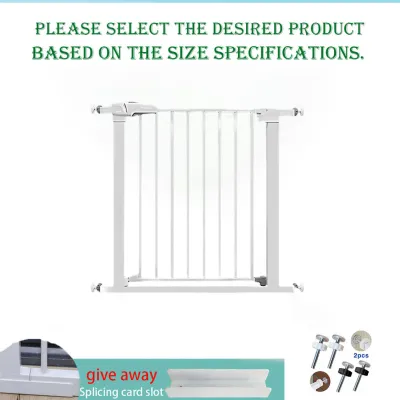
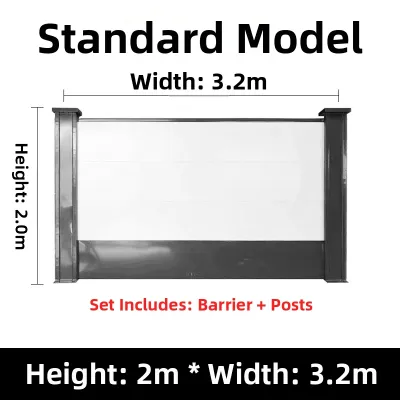
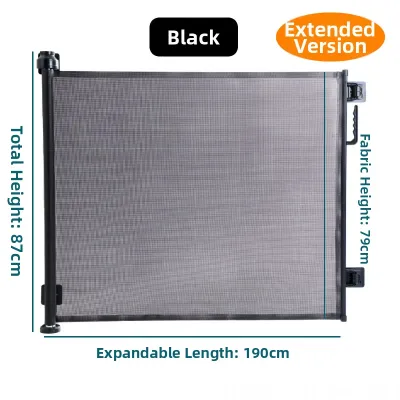
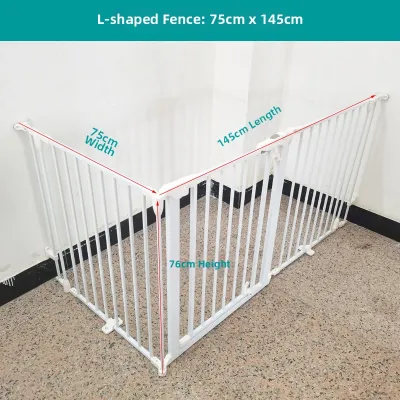
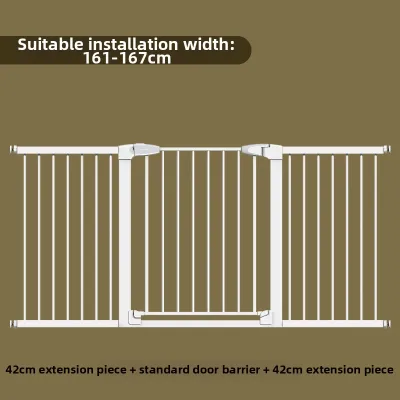
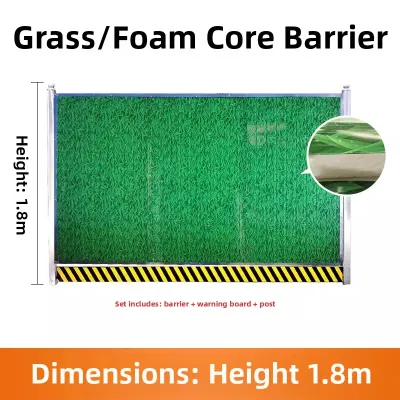
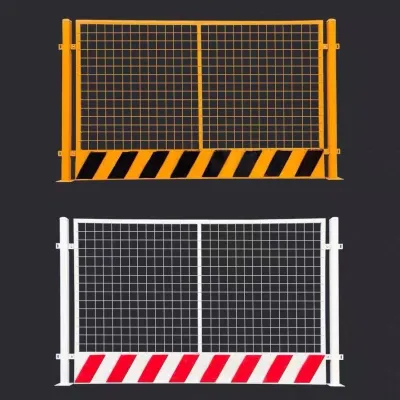
Prices are valid at publication and may change. Please refer to the product page for the latest price.
Next, identify any irreversible hazards inside each room. Irreversible hazards are dangers that you cannot easily remove, store in a high cabinet, or lock away. These include structural features like staircases, open balconies, and built-in water sources like bathrooms or laundry areas. If a room contains heavy, unanchored furniture or appliances that cannot be secured to the wall immediately, that room must be isolated from a mobile baby.
Finally, distinguish between high-risk zones that require total physical isolation and low-risk areas that you can manage through active supervision or simple storage adjustments. You do not need to gate off a room just because it contains a few fragile items; those items can simply be moved to higher shelves. Save your budget and effort for the areas where a lapse in supervision of even a few seconds could result in a serious accident.
High-Risk Zones: Where Safety Fences Are Essential
Staircases are the most critical areas in any multi-story home and absolutely mandate the installation of a safety fence. Both the top and the bottom of the stairs require physical barriers, but they serve different purposes. At the top of the stairs, you must install a hardware-mounted gate that is screwed directly into the wall or banister studs. Pressure-mounted gates, which rely solely on tension, are highly dangerous at the top of stairs because they can slip out of place if a child leans or pushes against them, leading to a severe fall.

Kitchens and bathrooms are also high-risk zones that require strict isolation. These rooms contain a concentrated mix of water hazards, heat sources, sharp utensils, and toxic cleaning chemicals. In many local households, kitchens are busy hubs with hot appliances, while bathrooms often have wet, slippery tiled floors. Before purchasing a gate for these areas, verify that your door frames or walls are structurally sound and can support the mounting pressure or hardware without damaging the home.
Balconies, terraces, and yard entries represent extreme fall and wandering hazards that require robust physical barriers. If your home features an outdoor living space or a balcony, a safety fence is essential to prevent your child from slipping through railing gaps or wandering outside unsupervised. When choosing a gate for these semi-outdoor areas, check the latch height to ensure it is well out of your child’s reach, and inspect the gate regularly for any structural wear caused by humidity or rain.
Low-Risk or Supervised Areas: Where You Can Skip the Fence
Living rooms and primary play areas are spaces where you can generally skip the safety fence in favor of other baby-proofing methods. Instead of gating off the entire living area, focus on creating a safe zone within the room. You can achieve this by installing soft corner guards on low furniture, covering electrical outlets, and securing your television and bookshelves to the wall. Active supervision and a clear, open space allow your baby to explore and develop motor skills safely without the restriction of a gate.
Bedrooms and home offices are also areas where safety fences are rarely necessary. For these rooms, establishing simple door-closing habits is often the most effective and budget-friendly solution. Keeping the door firmly shut when the room is not in use completely eliminates the need for an expensive gate. For home offices, ensure that small choking hazards like paperclips, loose coins, and electrical cables are stored in high drawers or locked cabinets rather than relying on a physical barrier at the doorway.
Evaluating cheaper alternatives can save you thousands of ₱ over the course of your baby-proofing journey. Simple plastic door stoppers can prevent painful pinched fingers, while safety knob covers can stop a curious toddler from opening a closed door. These small, affordable accessories are highly effective for low-risk rooms and allow you to reserve your safety fence budget for the high-risk areas that truly require heavy-duty physical barriers.
Choosing the Right Safety Fence for Your Doorways and Stairs
When selecting a safety fence, you must match the gate type to the specific structural limits of your home. Pressure-mounted gates are ideal for hallways and doorways between rooms because they do not require drilling into your walls. They are easy to install and move as your needs change, but they do feature a bottom threshold bar that can pose a tripping hazard. Hardware-mounted gates, which screw directly into the wall, do not have this bottom bar and are the only safe option for high-risk areas like the top of staircases.
Accurate measurement is crucial before making a purchase. Measure the width of your doorway or stair opening at both the floor level and the top level of the proposed gate, as walls in many homes are not perfectly parallel. Check the manufacturer’s product specifications to see if the gate fits your measurements or if you need to purchase compatible extension kits. Buying a gate that is too small or forcing a gate to stretch beyond its intended width compromises its structural integrity.
Consider how the gate’s opening mechanism will fit into your daily household traffic. One-way swing gates are highly recommended near stairs because they can be set to open only away from the steps, preventing accidental falls. Two-way swing gates offer excellent convenience in busy hallways. Look for models with auto-close features that automatically latch shut behind you, which is incredibly helpful when your hands are full carrying laundry, groceries, or your baby.
In humid tropical climates, material choice is an important factor for long-term durability. High humidity can cause wooden gates to warp, swell, or rot over time, which can compromise the locking mechanism. Cheap metal gates may rust quickly if exposed to moisture near bathrooms or open windows. Opt for high-quality, rust-resistant metals, durable plastics, or heavy-duty mesh materials that can withstand local weather conditions while remaining easy to clean.
Installation Checks and Ongoing Maintenance
Once your safety fence is installed, you must perform a rigorous post-installation shake test. Grab the gate firmly and shake it to ensure it does not slide, wobble, or shift out of place. Establish a weekly routine to check the mounting hardware, as daily opening, closing, and toddler nudging can gradually loosen tension screws or wall anchors. If you notice any movement, tighten the hardware immediately to restore the gate’s stability.
As your child grows, monitor their physical development and behavior around the gates. If your child begins to show climbing behaviors, such as trying to step on the horizontal bars or pull themselves over the top, the gate is no longer a sufficient barrier. Children develop at different rates, and a gate that was perfectly safe for a crawling baby can become a climbing hazard for an active toddler.
Define clear stop-use and replacement conditions to ensure your home remains safe. If the locking latch fails to click into place automatically, if the frame bends, or if you notice any structural cracks or loose joints, stop using the gate immediately. Do not attempt to patch a broken safety gate with tape or temporary ties; instead, consult the manufacturer’s instructions or replace the unit entirely to prevent accidents.
Frequently Asked Questions (FAQ)
At what age or height should I remove the safety fence?
Generally, you should remove a safety fence when your child’s chin is level with the top of the gate, or when they demonstrate the ability to climb over it. Because children develop at different rates, age is not the only factor; physical height and climbing skills are much more accurate indicators. Always consult the specific manufacturer’s documentation for the exact height and weight limits of your safety gate model.
Can I use a pressure-mounted gate at the top of the stairs?
No, you must never use a pressure-mounted gate at the top of any staircase. Pressure-mounted gates rely entirely on friction against the walls to stay in place, and a child pushing, leaning, or falling against the gate can easily dislodge it. This creates a severe falling hazard. Only use hardware-mounted gates that are securely screwed into the wall studs or banisters for the top of the stairs.
Community discussion
Share your experience or ask a question. Comments are reviewed before publication.