
Creating a secure environment for a growing child requires a systematic, room-by-room approach that targets specific developmental milestones. Baby proofing is not a single weekend project, but an evolving strategy that adapts as your child transitions from rolling to crawling, pulling up, and walking. By identifying hazards at your child’s eye level and selecting the right safety gear—such as hardware-mounted safety gates, heavy-duty furniture anchors, and magnetic cabinet locks—you can significantly reduce the risk of household injuries while maintaining a functional home.
Active supervision remains the single most important element of child safety. Baby-proofing products are designed to act as helpful deterrents and buying you precious seconds, but they do not replace the watchful eye of a caregiver. Understanding how to correctly install and maintain these safety tools ensures they perform reliably when your child begins to explore.
How to Assess Your Home from a Baby’s Perspective
To identify hidden risks in your living space, you must change your physical viewpoint. Getting down on your hands and knees to perform a “crawl-level” assessment reveals a completely different environment than the one seen from an adult’s standing height. At this level, dangling cords, loose coins under the sofa, exposed outlets, and unstable table legs quickly become obvious and accessible hazards.
Products mentioned in this guide
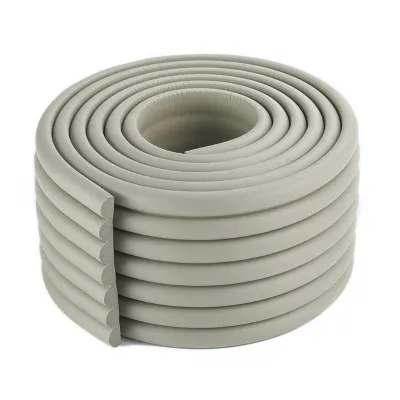

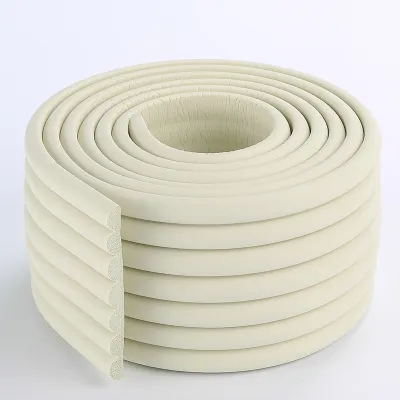


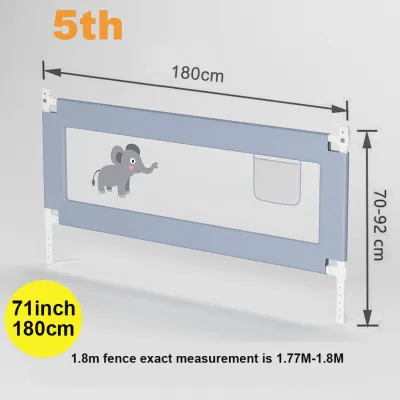


Prices are valid at publication and may change. Please refer to the product page for the latest price.
Your baby-proofing priorities should directly align with your child’s current mobility and developmental stage. A newborn who cannot yet roll requires minimal environmental modification, whereas a crawling infant demands immediate outlet protection and floor-level hazard removal. Once your child begins pulling themselves up to stand, the focus must shift to securing top-heavy furniture and softening sharp edges.
Effective home safety relies on a layered defense system. This strategy combines physical barriers, such as safety gates, with product modifications like corner guards, alongside consistent adult supervision. Regularly reassessing each room every few weeks ensures that your safety measures keep pace with your child’s rapidly developing physical capabilities.
Living Room: Securing Furniture and Electrical Hazards
The living room is often the central hub of family life, making it a critical area for identifying tipping, impact, and electrical risks. Heavy furniture like bookshelves, television stands, and storage units pose severe tipping hazards if a child attempts to climb them. Additionally, sharp coffee table corners, low-level electrical outlets, loose area rugs, and electric stand fans present daily safety challenges.

To secure this space, install heavy-duty furniture anchors or anti-tip straps to secure all tall or top-heavy items directly to the wall. Cover sharp furniture edges with soft silicone corner guards, and secure exposed electrical outlets with sliding outlet faceplates or tightly fitting plug-in covers. For homes utilizing electric stand fans, cover the fan grilles with tight mesh finger guards to prevent small fingers from contacting moving blades, and use non-slip pads under all area rugs to prevent slips.
When installing furniture anchors, you must secure them directly into wall studs or concrete walls using appropriate masonry plugs rather than merely anchoring them into thin drywall or baseboards. If you are using plug-in outlet covers, ensure they are exceptionally difficult for an adult to remove; cheap, loose covers can easily be pulled out by a persistent toddler and become a severe choking hazard. In hot, humid climates, adhesive-backed corner guards can lose their grip over time, so inspect the adhesive bonds weekly to ensure they remain firmly attached.
Kitchen: Preventing Burns, Cuts, and Poisoning
With its high heat sources, sharp utensils, and chemical cleaning agents, the kitchen presents some of the most severe hazards in the home. Lower cabinets and drawers often store dangerous items within easy reach of a crawling child. Accessible stove knobs, hot oven doors, and dangling power cords from counter appliances like rice cookers or blenders also present significant risks of burns and impact injuries.
Secure all lower cabinets and drawers containing hazardous items with magnetic lock systems or heavy-duty adhesive latches. Install stove knob covers to prevent toddlers from turning on gas or burners, and place a heat-resistant oven lock on the oven door. Keep appliance power cords organized and out of reach using cord wind-ups or shorteners, ensuring no cords hang over the edges of countertops.
While high-quality latches provide excellent protection, no lock is completely toddler-proof, meaning the safest option is always to relocate toxic chemicals, detergents, and sharp knives to high, unreachable shelves. When applying adhesive-based locks, thoroughly clean and dry the surface first, then allow the adhesive to cure for at least 24 hours before subjecting it to use. For households with open-plan kitchens or outdoor dirty kitchens, consider blocking off the entire cooking area with a wide, hardware-mounted safety gate.
Bathroom: Managing Water, Slips, and Chemical Access
Bathrooms combine drowning, slipping, and chemical exposure risks in a confined, high-moisture environment. An open toilet lid is an immediate drowning hazard for a top-heavy toddler, while wet tile floors can cause severe slip-and-fall injuries. Low-lying bathroom cabinets frequently house medications, cosmetics, and harsh disinfecting cleaners that pose acute poisoning risks.
Install a robust, automatic toilet lid lock to keep the toilet closed when not in use. Place high-traction, non-slip bath mats or adhesive safety treads inside the bathtub and on the surrounding tiled floor to provide secure footing. Store all medications, first-aid supplies, and cleaning chemicals in a dedicated, locked medicine cabinet located high on the wall.
Never rely on bath seats, rings, or toilet locks as a substitute for active adult supervision, as a young child can drown silently in as little as two centimeters of water. Regularly inspect suction-cup bath mats to ensure they are firmly adhered to the floor and free of mold or soap scum buildup, which can cause them to slide. Always empty the bathtub completely immediately after use, and keep the bathroom door closed and latched from the outside.
Nursery and Bedroom: Eliminating Strangulation and Fall Risks
Your child’s sleeping area should be a highly secure space where they can rest without exposure to hidden entanglement or fall hazards. Dangling cords from window blinds or curtains present a severe risk of strangulation. Unsecured dressers can tip over if drawers are pulled out and used as steps, while open windows and unsafe crib configurations can lead to dangerous falls.
Replace corded window coverings with cordless alternatives, or use cord cleats and wind-ups to keep all cords wrapped tightly at least 1.5 meters above the floor. Anchor all bedroom dressers, nightstands, and changing tables securely to the wall. Install window guards or heavy-duty window stops that limit openings to less than 10 centimeters, ensuring your child cannot slip through.
To maintain a safe sleep environment, keep the crib completely free of loose blankets, pillows, bumper pads, and stuffed toys, which present significant suffocation and sudden infant death syndrome (SIDS) risks. Ensure window guards feature an integrated, quick-release mechanism that adults can easily operate in the event of a fire emergency. Once your child is able to pull themselves up to a standing position, immediately adjust the crib mattress to its lowest setting to prevent falls, and stop using the crib entirely once they reach the manufacturer’s height or weight limit.
Stairs and Doorways: Preventing Falls and Pinched Fingers
Staircases and heavy doors present frequent physical hazards that can lead to severe tumbling injuries or painful pinched fingers. Unrestricted access to stairways is one of the leading causes of serious household falls for infants and toddlers. Additionally, heavy interior doors can slam shut due to sudden drafts, trapping small hands in the frame.
Install sturdy safety gates at both the top and bottom of every staircase to block access. Use door stoppers or foam finger pinch guards on heavy doors to prevent them from slamming shut completely. For rooms that are strictly off-limits, such as home offices or utility rooms, install child-resistant doorknob covers or lever locks to restrict entry.
Never use a pressure-mounted safety gate at the top of a staircase, as these gates rely solely on friction and can slip or dislodge if a child leans or pushes against them. Only use hardware-mounted safety gates that are screwed directly into wall studs or solid wooden banisters at the top of stairs. Regularly inspect all door stoppers and pinch guards to ensure they do not have small, detachable rubber tips or components that could break off and become choking hazards.
Whole-Home Checks: Choking Hazards and Emergency Alarms
Some safety hazards are not confined to a single room and require continuous monitoring rather than a one-time product installation. Small household objects, coins, button batteries, and loose keys can easily find their way onto floors and low tables. Furthermore, ensuring your home’s early warning systems are fully functional is a critical aspect of family safety.
Use a standardized small parts tester, or a clean toilet paper roll tube, to check if small toys or household objects pose a choking risk; if an item fits entirely inside the tube, it is unsafe for children under three years old. Keep all remote controls, key fobs, and electronic devices securely shut, using tape or screws if necessary to lock the battery compartments. Ensure your home has functional smoke and carbon monoxide detectors installed on every level and near all sleeping areas.
Test your smoke and carbon monoxide alarms monthly and replace their batteries at least once a year to ensure continuous operation. Button batteries are extremely hazardous; if swallowed, they can cause severe internal chemical burns within hours, requiring immediate emergency medical intervention. Establish a daily routine of scanning floors and low surfaces for dropped items to keep your home environment consistently safe.
Frequently Asked Questions (FAQ)
When should I start baby proofing my home?
You should ideally begin the baby-proofing process before your baby starts crawling, which typically occurs around six months of age. Performing a preliminary sweep during the third trimester of pregnancy is highly recommended, as this allows you to complete heavy tasks like anchoring large furniture and drilling wall mounts before your baby arrives.
Are pressure-mounted gates safe for the top of stairs?
No, pressure-mounted gates are not safe for use at the top of staircases. Because they rely on friction and pressure against the walls rather than permanent screws, they can easily slip, dislodge, or be pushed over by a toddler’s weight, leading to a catastrophic fall. Always use a hardware-mounted safety gate that is screwed directly into the wall framing or banister at the top of any stairs.
Community discussion
Share your experience or ask a question. Comments are reviewed before publication.