
Selecting the right skincare products for your baby is a crucial task that directly impacts their comfort and skin health. With various options available for bathing, moisturizing, and sun protection, understanding how to match each formulation to your baby’s unique needs ensures safe and effective daily care. In a tropical climate like the Philippines, factors such as high humidity, heat, and frequent transitions to air-conditioned environments require a thoughtful approach to selecting and applying these products.
By evaluating your baby’s skin type, understanding format differences, and verifying label claims, you can build a gentle routine that supports their developing skin barrier. Whether you are looking for a mild daily cleanser, a lightweight hydrator, or reliable mineral sun protection, focusing on safety baselines and proper application techniques will help you make the best choices for your little one.
Identifying Your Baby’s Skincare Needs and Safety Baselines
Developing a safe skincare routine for your baby begins with a clear assessment of their current skin condition. Infant skin is significantly thinner and more permeable than adult skin, making it highly susceptible to environmental irritants, friction, and moisture loss. You should observe whether your baby’s skin appears smooth and supple (normal), rough or flaky (dry), or prone to sudden redness and dry patches (sensitive).
Products mentioned in this guide
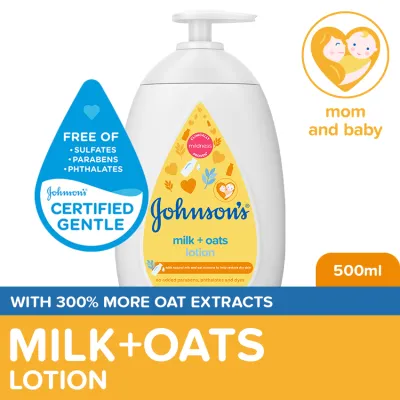
Prices are valid at publication and may change. Please refer to the product page for the latest price.
Age plays a crucial role in how the skin barrier functions. Newborns have an exceptionally delicate, developing outer layer that requires minimal intervention and highly specialized, ultra-mild formulas. As infants grow into active toddlers, their skin barrier becomes slightly more resilient, but they still require targeted protection against environmental factors like sweat, friction, and dirt.
If your baby has an existing skin condition such as eczema, severe diaper rash, or known contact allergies, you must consult a pediatrician or pediatric dermatologist before introducing any new brand or product line. Skincare products are designed for daily maintenance, hydration, and environmental protection; they are not medical treatments and cannot diagnose, cure, or prevent dermatological diseases.
Before integrating any new formulation into your baby’s daily routine, practicing universal safety baselines is essential. Always perform a patch test on a small, healthy area of skin first, and avoid applying any product to broken, bleeding, or visibly infected skin. If you observe any signs of redness, swelling, or irritation during or after application, immediately stop using the product and rinse the area thoroughly with clean water.
Selecting the Right Riegel Baby Wash for Gentle Cleansing
Bath time is a fundamental part of baby care, but choosing the wrong cleanser can strip away the skin’s natural protective oils. When exploring the Riegel lineup, you will generally find different product formats, such as convenient head-to-toe washes and dedicated hair or body cleansers. Understanding when to use each format helps maintain the integrity of your baby’s delicate skin barrier.

Head-to-toe washes are highly practical options, especially for newborns and younger infants who require quick, efficient baths. These multi-purpose formulas are designed to cleanse both the fine hair and the body simultaneously, minimizing the time your baby spends exposed to water and temperature changes. This format is ideal for daily, low-stress baths where gentle, overall cleansing is the primary goal.
Dedicated body washes and separate baby shampoos become more beneficial as your baby grows, develops thicker hair, and starts exploring their environment. Active older infants and toddlers tend to accumulate more dirt, sweat, and food residues on their skin and scalp, requiring specialized formulas that can target specific areas without over-drying.
When evaluating Riegel baby wash options, reading and verifying the product labels is a critical step for safety. Look for explicit “tear-free” designations to ensure the formula will not irritate your baby’s eyes during rinsing. Additionally, verify that the product is pH-balanced—typically matching the slightly acidic natural pH of healthy skin—and free from harsh sulfates (like SLS or SLES), parabens, and heavy synthetic fragrances that are common triggers for contact dermatitis.
Consider your baby’s daily activities and the local climate when planning their bath routine. In a warm, tropical environment like the Philippines, babies often sweat more, which can lead to heat rashes if sweat ducts become clogged. A quick, daily bath with a mild, sulfate-free cleanser helps remove sweat and environmental debris, but care must be taken not to scrub the skin or leave the cleanser on for too long.
Always keep safety boundaries in mind during and after the bath. Ensure that all cleansing products are thoroughly rinsed off with lukewarm water, as dried soap residue can cause itching and irritation. Always follow the manufacturer’s specified age recommendations printed on the packaging, and adhere to any dilution instructions if you are using concentrated bath formulas.
Choosing Riegel Moisturizers and Oils for Hydration
Keeping your baby’s skin properly hydrated is essential for supporting their natural barrier function, especially when transitioning between humid outdoor air and dry, air-conditioned indoor spaces. The Riegel baby care range typically offers different moisturizing textures, including lightweight lotions, richer creams, and nourishing skincare oils. Selecting the right texture depends on your baby’s specific skin needs and the environmental conditions.
Baby lotions are lightweight, water-based emulsions that absorb quickly into the skin without leaving a heavy, greasy residue. This makes them highly suitable for daily use in warm, humid climates, where heavy products might feel uncomfortable or trap sweat. A gentle lotion provides immediate, breathable hydration that keeps the skin soft and comfortable throughout the day.
Creams are thicker, richer formulations that contain a higher ratio of oil to water, making them ideal for targeted application on dry patches, elbows, knees, or during cooler seasons and prolonged stays in air-conditioned rooms. If your baby’s skin shows signs of localized dryness, applying a cream helps restore the lipid barrier and provides a more durable protective shield against moisture loss.
Baby skincare oils serve a different purpose than lotions and creams, acting primarily as occlusive barriers that seal in existing moisture. Oils are excellent for gentle infant massage, which can promote relaxation and bonding, but they should generally not be used as a standalone hydrator on dry skin. Instead, they work best when applied over a water-based moisturizer or directly onto damp skin to lock in hydration.
When shopping for moisturizers, check the labels for hypoallergenic and non-comedogenic claims to minimize the risk of allergic reactions and clogged pores. Carefully review the ingredient list to ensure there are no hidden sensitizers, such as strong essential oils or botanical extracts, which can sometimes trigger reactions in sensitive skin despite being marketed as natural.
For optimal results, apply moisturizers to your baby’s skin within a few minutes after bathing, while the skin is still slightly damp. This technique helps trap the surface water on the skin, maximizing the hydrating effects of the lotion or cream. Always verify the manufacturer’s stated age suitability and specific application instructions on the packaging before introducing a new moisturizing product to your child’s routine.
Picking the Proper Riegel Baby Sunscreen for UV Protection
Protecting your baby’s delicate skin from solar radiation is a vital aspect of outdoor safety, but it requires a careful, age-appropriate approach. Because infant skin is highly sensitive and absorbs topical substances more easily than adult skin, choosing and applying sunscreen must be done with strict adherence to pediatric safety guidelines.
For infants under six months of age, sunscreens are generally not recommended unless explicitly advised by a pediatrician. At this stage, the primary defenses against harmful ultraviolet (UV) rays should always be physical shade, wide-brimmed hats, and lightweight, protective clothing that covers the limbs. Keeping young infants out of direct sunlight, especially during peak hours, is the safest way to prevent sunburn.
For babies older than six months, a dedicated baby sunscreen can be introduced for outdoor activities. When reading the labels of Riegel sunscreens, prioritize physical or mineral filters, such as zinc oxide or titanium dioxide. These ingredients sit on top of the skin to reflect UV rays away, rather than being absorbed into the skin like chemical filters, making them far less likely to cause irritation or allergic reactions.
Ensure the sunscreen label specifies broad-spectrum protection, which means it shields the skin from both UVA rays (which cause long-term skin damage) and UVB rays (which cause sunburn). Check the manufacturer’s stated Sun Protection Factor (SPF) and PA ratings to confirm the level of protection, and verify if the formula has water-resistance claims if your baby will be wading in water or sweating.
Proper application is key to ensuring the sunscreen performs as intended. Apply the product generously to all exposed areas of your baby’s skin at least 15 to 30 minutes before going outdoors, and reapply it strictly according to the frequency indicated on the product label—usually every two hours, or immediately after swimming or towel drying.
After returning indoors, it is essential to thoroughly wash off the sunscreen during bath time. Leaving mineral sunscreen residues on your baby’s skin can lead to clogged pores, sweat retention, and subsequent skin irritation. Use a gentle baby wash and warm water to clean the skin completely, and follow up with a light moisturizer if needed.
Comparing Riegel Skincare Categories at a Glance
To help you quickly determine which product category matches your baby’s immediate needs, the following table summarizes the primary purposes, ideal scenarios, label checks, and general age considerations based on stable skincare principles.
| Product Category | Primary Purpose | Ideal Scenario | Key Label Checks | General Age Considerations |
|---|---|---|---|---|
| Baby Wash | Gentle cleansing of skin and hair without stripping natural oils | Daily baths, washing off sweat, dirt, or sunscreen | Tear-free, pH-balanced, sulfate-free, paraben-free | Suitable from birth (using mild head-to-toe formulas) |
| Moisturizer (Lotion/Cream) | Hydrating the skin barrier and soothing dry areas | Daily post-bath care, dry climates, air-conditioned rooms | Hypoallergenic, non-comedogenic, fragrance-free | Verify manufacturer's age guidelines on packaging |
| Skincare Oil | Sealing in moisture and lubricating skin for massage | Post-bath moisture locking, gentle infant massage | Pure mineral or mild plant oils, allergen-free | Best for infants; check label for specific age limits |
| Sunscreen | Protecting delicate skin from harmful UVA and UVB rays | Outdoor play, walks, and family trips under the sun | Mineral filters (zinc/titanium), broad-spectrum, SPF/PA | Generally for infants 6 months and older; consult pediatrician if younger |
Shopping for Authentic Riegel Products in the Philippines
Ensuring the authenticity of the baby products you purchase is vital for protecting your child from the risks associated with counterfeit or poorly stored formulations. When looking to buy, parents searching for a reliable riegel shop philippines source should prioritize official brand flagship stores on major e-commerce platforms, authorized online mall retailers, and reputable physical baby care boutiques.
Purchasing from unauthorized sellers or unverified online listings carries significant risks, including receiving expired products, counterfeit formulas containing harmful contaminants, or items that have degraded due to improper storage in high-temperature warehouses. Always look for red flags such as unusually low prices that seem too good to be true, missing or altered batch codes, broken safety seals, and faded or poorly printed packaging.
Once your order arrives, perform a thorough post-delivery verification before applying any product to your baby’s skin. Check the expiration date printed on the packaging, ensure the batch codes on the outer box match the codes stamped on the bottle, and inspect the product’s texture, color, and smell. If the formulation appears separated, discolored, or has an unusual odor, do not use it and contact the authorized seller or distributor immediately for assistance.
Frequently Asked Questions (FAQ)
How should I perform a patch test before using a new Riegel product?
To perform a patch test, apply a very small, pea-sized amount of the new Riegel product to a discreet, clean, and healthy area of your baby’s skin, such as the inner forearm or the space behind the ear. Ensure your baby does not scratch or rub the area during the test period.
Observe the application site closely for 24 to 48 hours. If you notice any signs of a reaction, such as redness, swelling, tiny bumps, or itching, immediately wash the product off with cool water, discontinue use of the product, and consult your pediatrician if the irritation persists.
Can I mix Riegel skincare oil with my baby's lotion?
It is generally recommended to layer baby skincare products rather than mixing them together in your palm before application. Layering allows each product to perform its specific function: apply the lighter, water-based lotion first to hydrate the skin, and then apply a thin layer of skincare oil over it to seal that moisture in.
Mixing products directly can sometimes alter the stability of the emulsions, potentially reducing their effectiveness or changing how they absorb. Always consult the specific usage, layering, and mixing instructions provided on your Riegel product labels to ensure you are using them safely and effectively.

Community discussion
Share your experience or ask a question. Comments are reviewed before publication.