
Rice extract in baby lotion serves as a gentle, plant-derived emollient designed to support the skin’s natural moisture barrier. For babies with sensitive skin, rice-based ingredients offer mild hydration and soothing properties without the heavy, greasy feel of some synthetic alternatives. However, the overall safety and effectiveness of any baby lotion depend on the entire formulation rather than a single highlighted ingredient. Parents must carefully evaluate the complete ingredient list, check for potential irritants, and perform a patch test before introducing any new product to their baby’s daily skincare routine.
Understanding Rice Extract in Baby Skincare
Rice-derived ingredients have a long history in traditional Asian skincare, valued for their gentle nature and compatibility with delicate skin. In modern baby care formulations, these ingredients typically appear as rice water, rice bran oil, or concentrated rice extract. Each form serves a slightly different purpose. Rice water is often utilized for its mild, soothing properties, while rice bran oil is rich in natural lipids and fatty acids that help reinforce the skin’s outer barrier. Rice extract itself contains antioxidants and amino acids that assist in maintaining skin hydration and softness.
When formulated into a baby lotion, rice extract acts primarily as an emollient. Emollients work by filling the microscopic gaps between skin cells, creating a smoother surface and helping to prevent transepidermal water loss. For infants with sensitive skin, this natural moisture retention is crucial, as their skin barrier is still developing and prone to rapid drying. The soothing nature of rice extract can help calm minor redness and dry patches without relying on heavy synthetic chemicals.
Products mentioned in this guide
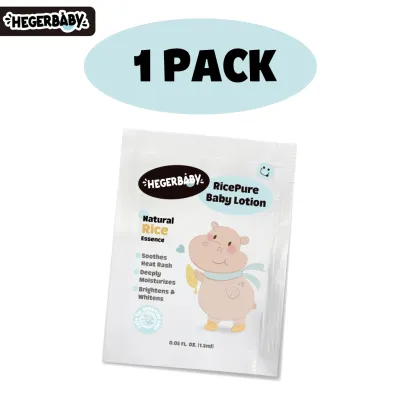
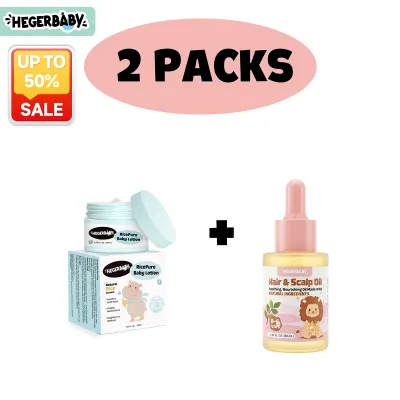
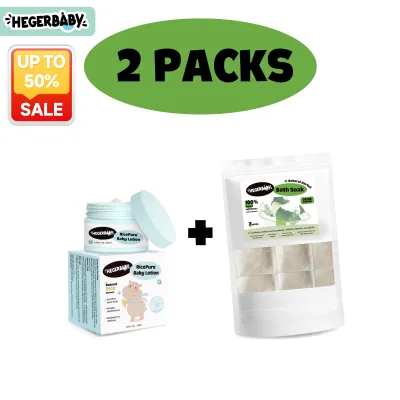

Prices are valid at publication and may change. Please refer to the product page for the latest price.
However, parents must understand that a single ingredient does not define the entire product. While rice extract itself offers notable moisturizing benefits, it exists within a complex chemical matrix of water, emulsifiers, thickeners, and preservatives. The overall safety, texture, and effectiveness of the lotion depend entirely on how these ingredients interact. A high-quality rice extract can be rendered irritating if paired with harsh stabilizers or strong synthetic fragrances, making a holistic evaluation of the product essential.
Assessing Suitability for Sensitive Skin
Determining whether a rice-based lotion is suitable for your baby’s sensitive skin requires looking beyond appealing front-label claims. Many parents assume that terms like “natural,” “organic,” or “plant-based” automatically mean a product is hypoallergenic or completely safe for highly sensitive skin. In reality, botanical extracts can still trigger allergic contact dermatitis or skin irritation in sensitive individuals. The term “natural” is not strictly regulated in the cosmetics industry, meaning its presence on a bottle does not guarantee a gentle formulation.

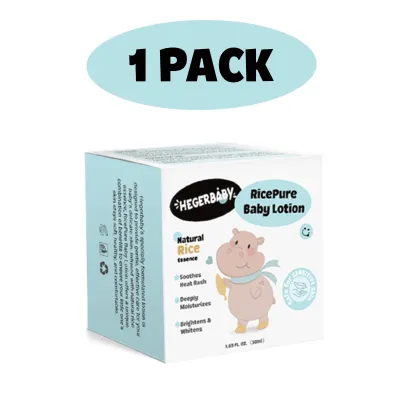
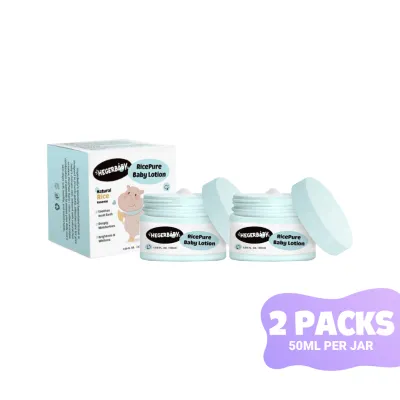
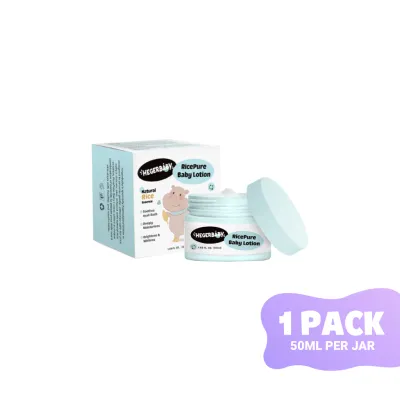
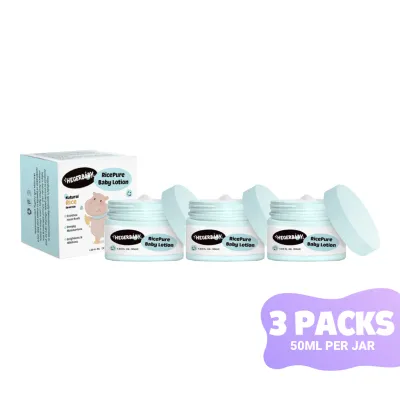
When evaluating options such as Heger Baby Rice Pure Lotion or similar products, the first step is to scan the packaging for potential irritants. Sensitive baby skin is highly reactive to added fragrances, which are among the most common causes of cosmetic allergies. Even natural essential oils, such as lavender, chamomile, or citrus oils, contain volatile organic compounds that can irritate a baby’s delicate skin barrier. Preservatives are necessary to prevent microbial growth in water-based lotions, but certain types, such as parabens, formaldehyde donors, or methylisothiazolinone, should be avoided in favor of gentler, food-grade preservative systems.
Additionally, always check the manufacturer’s age recommendations and specific skin condition warnings. Infant skin is significantly thinner, more permeable, and less capable of regulating temperature and moisture than adult skin. A product that is perfectly safe for a toddler might cause irritation on a newborn. If your baby has an active skin condition, such as open scratches, weeping rashes, or severe dryness, consult a healthcare professional before introducing any new botanical lotion, as compromised skin barriers absorb topical ingredients much more rapidly.
Reading Labels and Verifying Manufacturer Claims
To make an informed purchase, parents must learn to navigate the product label, specifically the International Nomenclature of Cosmetic Ingredients (INCI) list. By law, ingredients are listed in descending order of concentration. The first three to five ingredients usually make up over 80% of the lotion’s volume, typically starting with water (aqua) followed by various emollients or humectants. If rice extract or rice bran oil is positioned near the very bottom of a long list, it may only be present in trace amounts, serving more as a marketing highlight than a functional ingredient.
Verifying the authenticity and quality of the product is equally important, especially when shopping on an online marketplace or ecommerce platform. Always inspect the packaging for clear manufacturer contact information, a physical address, batch numbers, and a visible expiration date or Period After Opening (PAO) symbol, which looks like an open jar with a number of months (e.g., 12M). Avoid products that lack these details, as they may be counterfeit, expired, or manufactured without strict quality control standards.
Finally, compare the bold marketing claims on the front of the bottle with the actual ingredient list and usage instructions on the back. A label claiming “fragrance-free” should not list “parfum” or essential oils in the INCI list. Similarly, a “dermatologist-tested” claim simply indicates that a dermatologist supervised a test on human volunteers, but it does not reveal the results of that test or guarantee that the product will not cause a reaction in your specific baby. Rely on the concrete ingredient list rather than promotional slogans.
Safe Application and Patch Testing Guidelines
Introducing any new skincare product to a baby with sensitive skin should always begin with a standard patch test. This simple precautionary step helps identify potential allergic reactions or localized irritation before applying the lotion to larger areas of the body. To perform a patch test, apply a small, pea-sized amount of the rice-based lotion to a clean, discreet area of the baby’s skin, such as the inside of the forearm or the side of the neck.
Leave the lotion on the test area and observe the skin closely over a 24-hour period. Keep the area dry and free from other topical products during this time. Check for any signs of an adverse reaction, which may include localized redness, swelling, tiny raised bumps, dry flaky patches, or signs of discomfort such as scratching. If the skin remains clear and normal after 24 hours, the lotion is generally considered safe for wider application.
For optimal results, apply the lotion in a thin, even layer to clean, slightly damp skin, ideally within three minutes of bathing. This timing helps lock in the moisture absorbed by the skin during the bath, maximizing the hydrating properties of the rice extract. Gently massage the lotion using soft, downward strokes, avoiding the baby’s eyes, mouth, and hands to prevent accidental ingestion. If at any point you notice redness, irritation, or an escalating rash, stop using the product immediately, rinse the skin with lukewarm water, and consult a pediatrician.
Frequently Asked Questions (FAQ)
Can rice extract cure baby eczema or severe rashes?
No, rice extract cannot cure baby eczema or severe skin rashes. While rice-based lotions are excellent for daily moisture maintenance and soothing mild dryness, they are classified as cosmetic products rather than medical treatments. Eczema and severe rashes involve underlying inflammation and a compromised skin barrier that typically require targeted medical interventions, such as topical corticosteroids or barrier repair creams prescribed by a pediatrician or pediatric dermatologist. Applying cosmetic lotions to broken, weeping, or severely inflamed skin can exacerbate irritation and increase the risk of localized skin infections.
Is it safe to use adult rice skincare products on babies?
It is generally unsafe to use adult rice skincare products on babies. Infant skin is approximately 30% thinner than adult skin, has a much higher surface-area-to-volume ratio, and possesses a less developed natural barrier. Adult skincare formulations often contain significantly higher concentrations of active ingredients, stronger preservatives, chemical exfoliants, and complex synthetic fragrances designed for mature skin. These components can easily penetrate a baby’s delicate skin barrier, leading to severe irritation, chemical sensitivity, or systemic absorption of unwanted chemicals. Always choose products formulated specifically for infants.
How should rice-based baby lotion be stored in the Philippines?
In the tropical climate of the Philippines, proper storage is essential to maintain the stability and safety of rice-based baby lotions. High ambient temperatures and elevated relative humidity can accelerate the breakdown of natural botanical ingredients and create an environment where mold and bacteria can thrive. Store the lotion in a cool, dry place away from direct sunlight, such as a bedroom cabinet or a dedicated nursery drawer, rather than a humid bathroom. Always ensure the cap or pump mechanism is tightly sealed after each use to prevent airborne contaminants and moisture from entering the container.

Community discussion
Share your experience or ask a question. Comments are reviewed before publication.