
Choosing the right breast pads is a highly personal decision that can significantly impact your comfort and confidence during your breastfeeding journey. As a new or expecting mother, navigating the physical changes of postpartum life requires practical solutions that seamlessly integrate into your daily routine. Both reusable and disposable breast pads serve the essential purpose of absorbing leaking breast milk, protecting your clothing, and keeping your skin dry. However, they differ greatly in terms of material composition, ongoing costs, maintenance requirements, and overall convenience. By evaluating your specific leakage patterns, daily schedule, and skin sensitivity, you can determine which option—or combination of both—best supports your lifestyle and budget.
Assessing Your Leakage and Lifestyle Needs
Understanding your body’s unique patterns is the first step in selecting the right breast pads. In the early weeks postpartum, your milk supply is still establishing, which often results in sudden letdowns, engorgement, and heavy leakage. During this initial phase, you may require highly absorbent options that can handle larger volumes of milk. As your breastfeeding routine stabilizes over the first few months, your supply will naturally regulate to match your baby’s demand, typically leading to lighter and more predictable leakage.
Your daily schedule and environment also play a major role in your decision. If you plan to spend most of your time at home during your maternity leave, managing washable cloth pads is relatively straightforward because you have immediate access to laundry facilities. On the other hand, if you are returning to work, traveling, or frequently running errands, convenience becomes a top priority. Managing wet, used cloth pads while away from home can be challenging, making single-use options highly practical for active schedules outside the house.
Products mentioned in this guide
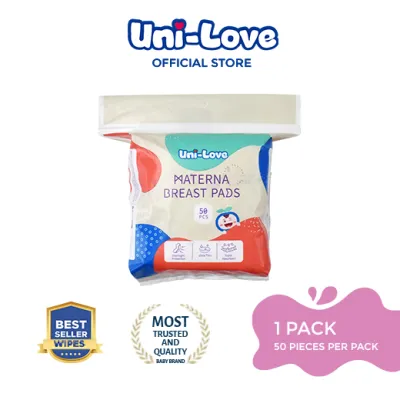
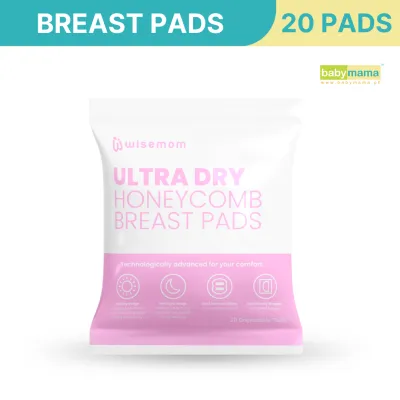
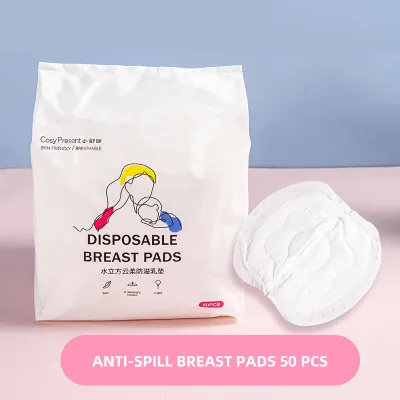
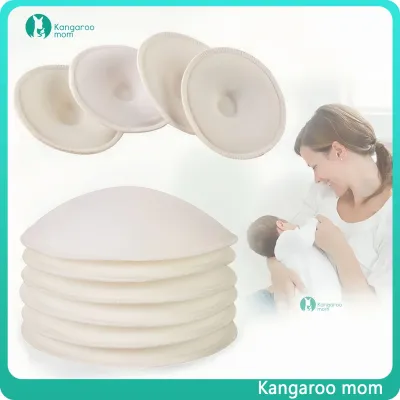
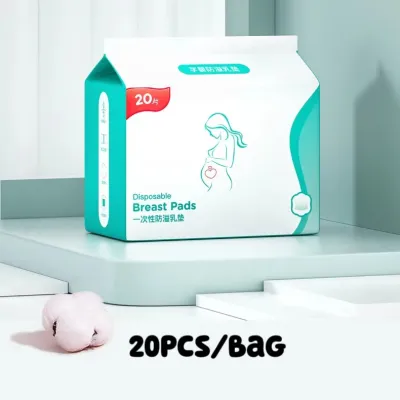
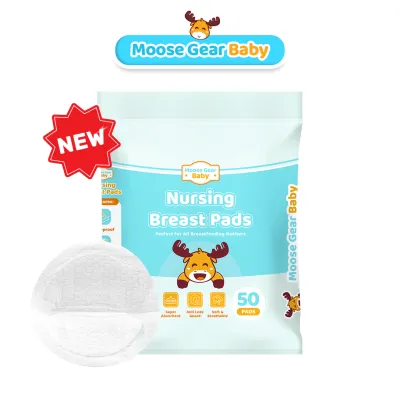
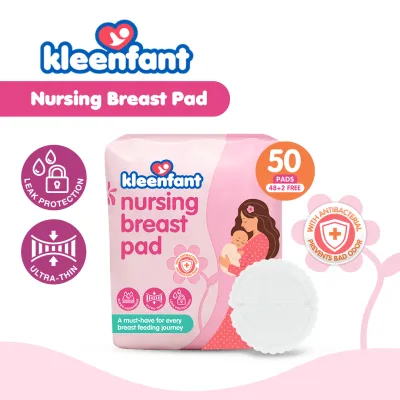
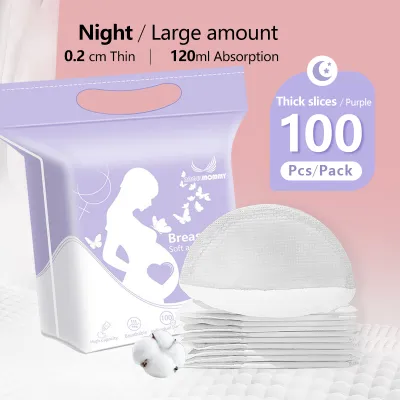
Prices are valid at publication and may change. Please refer to the product page for the latest price.
Finally, personal skin sensitivity and local climate conditions must be considered. In warm, tropical climates, high humidity can trap moisture against your skin, creating a breeding ground for irritation, chafing, or heat rashes. If you have sensitive skin, eczema, or are prone to nipple soreness, the texture and breathability of the pad materials are critical. You will need to evaluate whether natural, breathable fibers or synthetic, moisture-wicking liners feel more comfortable against your skin under these environmental conditions.
Reusable Breast Pads: What to Expect
Reusable breast pads are washable, multi-use cloth discs designed for long-term wear. They are commonly crafted from natural, highly breathable fibers such as organic cotton, bamboo, or hemp. When shopping for reusable options, it is important to check the product labels to verify the fabric layers and ensure they feature a soft, non-abrasive texture that will not cling to sensitive or cracked nipples. Many high-quality reusable pads also incorporate a thin, waterproof outer layer to prevent moisture from seeping through to your brassiere and clothing.

From a financial perspective, reusable pads require a higher upfront investment but offer substantial long-term savings. To calculate your potential savings, compare the one-time cost of purchasing a complete rotation of cloth pads—typically 8 to 12 pairs to allow for washing and drying times—against the recurring cost of buying disposable boxes over several months. Over a standard breastfeeding journey of six months to a year, the total ₱ spent on reusable pads is generally a fraction of what you would spend on single-use alternatives, making them an exceptionally budget-friendly choice.
However, choosing reusables means committing to a consistent maintenance routine. To ensure proper hygiene and prevent bacterial growth, used pads must be washed regularly and dried completely before their next use. In humid environments, drying times can be significantly longer, which may require you to maintain a larger inventory of pads to avoid running out. You must also factor in the time and effort required to wash, dry, and store these pads alongside your regular household laundry.
Disposable Breast Pads: What to Expect
Disposable breast pads are single-use, highly engineered pads designed for maximum convenience and absorbency. They typically feature a super-absorbent polymer core that quickly draws liquid away from the skin and locks it inside, keeping the surface dry even during heavy letdowns. Most disposable options include adhesive backing strips that secure the pad directly to the inside of your nursing bra, preventing it from shifting or bunching as you move throughout the day. When purchasing, read the packaging carefully to check for thickness, contouring, and absorbency ratings.
While disposables offer unmatched convenience, they come with ongoing financial costs. To estimate your cumulative expenditure, multiply the average price of a single disposable pad in ₱ by your expected daily usage—which can range from 4 to 8 pads per day depending on your leakage volume. When projected over several months, these recurring purchases can accumulate into a significant expense. It is helpful to calculate this ongoing budget beforehand to ensure it aligns with your family’s monthly financial planning.
Environmental impact and aesthetics are additional factors to consider. Because they are discarded after a single use, disposable pads contribute to daily household waste, which may not align with an eco-conscious lifestyle. Additionally, some disposable brands can feel slightly stiff or bulky, and they may occasionally crinkle audibly under fitted clothing. Checking product specifications for ultra-thin or contoured designs can help you find options that offer a more discreet profile under your wardrobe.
Head-to-Head Comparison: Cost, Comfort, and Convenience
To help you weigh the trade-offs between these two options, the table below compares reusable and disposable breast pads across several critical performance and practical dimensions.
| Feature | Reusable Breast Pads | Disposable Breast Pads |
|---|---|---|
| Absorbency | Moderate; requires more frequent changes | High; locks moisture away efficiently |
| Discretion | Soft and contoured, but can be slightly thicker | Thin and adhesive-secured, but may crinkle |
| Maintenance | High; requires regular washing and drying | None; simply discard after use |
| Long-Term Cost | Low; one-time purchase for multiple uses | High; continuous recurring purchases |
| Environmental Impact | Low; washable and highly reusable | High; generates daily single-use waste |
When deciding between the two, a clear decision framework can guide your choice. Choose reusable breast pads if you prioritize long-term financial savings, prefer natural and breathable fabrics against your skin, and have the time to manage regular laundry. Choose disposable breast pads if you prioritize maximum convenience, travel frequently, work outside the home, or experience heavy leakage that requires maximum absorbency. If you have pre-existing skin conditions, verify the material compatibility of both types before making a large purchase.
In practice, personal preference and daily context often dictate the best choice. For instance, during a long day of travel or a busy shift at work, the ease of throwing away a saturated disposable pad and replacing it with a fresh one is unmatched. On the other hand, relaxing at home on a warm afternoon is the perfect scenario for a soft, breathable bamboo reusable pad that keeps you comfortable without generating waste.
Building a Practical Breast Pad Stash
You do not have to limit yourself to just one type of breast pad; in fact, many mothers find that a “mix-and-match” strategy offers the most practical and flexible solution. By utilizing disposable pads for outings, travel, and nighttime sleep when high absorbency and convenience are paramount, and reserving reusable cloth pads for daytime home use, you can enjoy the benefits of both worlds. This hybrid approach helps reduce daily waste and long-term costs while ensuring you always have a convenient option when leaving the house.
When preparing for your baby’s arrival, estimating your initial stash size can prevent over-purchasing. If you plan to use reusables primarily, starting with 10 to 14 pairs is generally recommended to ensure you have a fresh supply while dirty pairs are in the wash or drying. If you prefer to start with disposables, purchasing one or two medium-sized boxes will allow you to establish your daily usage rate without committing to a massive inventory before your milk supply regulates.
As your breastfeeding journey progresses, your leakage patterns will naturally change, allowing you to adjust your stash accordingly. You may find that your leakage decreases significantly after the first few months, enabling you to transition to thinner, lightweight reusable pads for occasional leaks, or to phase out pad usage entirely. Regularly assessing your daily needs ensures that you only purchase what is necessary, saving both money and storage space.
Hygiene, Care, and Skin Safety
Regardless of whether you choose reusable or disposable breast pads, maintaining strict hygiene habits is essential for protecting your skin and preventing complications. The most critical rule is to change your breast pads frequently throughout the day. Leaving a wet pad in contact with your skin creates a warm, damp environment that can lead to skin maceration, nipple soreness, and the growth of bacteria or fungi. Always replace your pads as soon as they feel damp to keep your skin dry and healthy.
For reusable breast pads, proper washing and sanitizing are vital to eliminate milk residue and bacteria. Always follow the manufacturer’s care labels carefully. Wash the pads in hot water using a mild, fragrance-free detergent, and avoid fabric softeners, which can leave a residue that drastically reduces the fabric’s absorbency. Ensure the pads are completely dry before storing or wearing them; drying them in direct sunlight is an excellent way to utilize natural sanitizing properties.
Finally, be vigilant for any warning signs of skin irritation or infection. If you experience persistent redness, intense itching, burning sensations, or shooting pains in your breasts during or after feeding, these may be signs of conditions such as thrush or a localized bacterial infection. If you observe any of these symptoms, stop using your current breast pads immediately, keep the area clean and dry, and consult a healthcare professional or a certified lactation consultant for proper diagnosis and guidance.
Frequently Asked Questions (FAQ)
How many breast pads do I typically need per day?
The number of breast pads you will need daily depends on your individual milk supply, your baby’s feeding schedule, and how frequently you experience letdown. On average, mothers find themselves changing pads 3 to 8 times per day. During your first week postpartum, keep a simple mental or written log of how quickly your pads become damp to establish a reliable baseline for your daily needs and help you plan your purchases.
Can I wear breast pads while sleeping?
Yes, you can wear breast pads while sleeping to protect your clothing and bedding from nighttime leaks, which are common when feeding intervals stretch longer. When choosing overnight options, look for highly absorbent disposable pads or thick, multi-layered reusable pads designed specifically for prolonged wear. To protect your skin from prolonged moisture exposure, always change your breast pads immediately upon waking up in the morning.
Community discussion
Share your experience or ask a question. Comments are reviewed before publication.