
Caring for a fussy, gassy newborn can be one of the most challenging experiences for new parents in the Philippines. When your baby is crying inconsolably, pulling their tiny legs up to their chest, and showing clear signs of abdominal discomfort, finding a safe and effective solution becomes your top priority. Restime drops, which commonly contain simethicone as the active ingredient, are frequently recommended in local parenting circles as a remedy for infant gas. However, before administering any over-the-counter preparation to a newborn, you must understand the critical safety boundaries that protect your baby’s developing body.
The safety of any infant drops for a newborn—specifically babies under four weeks of age—depends heavily on the exact product formulation, your baby’s precise age, and their overall health status. Because a newborn’s digestive system, liver, and kidneys are still highly immature, their capacity to process medications is significantly limited compared to older infants. For this reason, you should never give any medication, supplement, or over-the-counter drop to a newborn without first obtaining explicit approval and dosage instructions from a licensed pediatrician.
To ensure your baby’s safety, always consult the product packaging of the bottle you have in hand, as manufacturers may update their formulations, inactive ingredients, or age recommendations over time. This educational guide is designed to help you understand the safety frameworks, label verification steps, and proper administration techniques for infant drops. It is intended to support your journey as a parent but must never be used as a substitute for professional medical advice, diagnosis, or treatment from your pediatrician.
Products mentioned in this guide

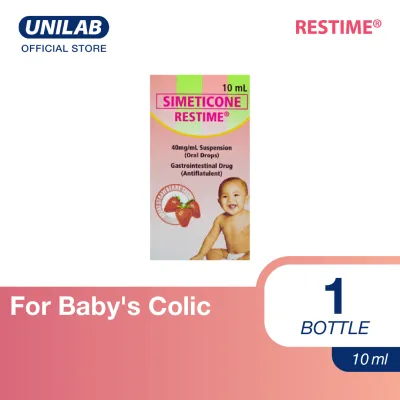
Prices are valid at publication and may change. Please refer to the product page for the latest price.
Verifying Age Appropriateness and Product Labels
Before you open any bottle of infant drops, you must perform a thorough visual inspection of the packaging to confirm its suitability for your baby’s specific developmental stage. Look closely at the outer box and the bottle label for clear age-use indications, such as “0+ months,” “suitable for newborns,” or specific age restrictions. Some formulations are concentrated and intended only for older infants, meaning that administering them to a newborn could result in an accidental and dangerous overdose.
Next, verify the active ingredients list printed on the back or side of the packaging. While simethicone is the standard active component used to break up gas bubbles in the gastrointestinal tract, you must ensure that there are no additional active ingredients or problematic additives. Carefully read the list of inactive ingredients to check for the presence of artificial dyes, alcohol, chemical preservatives, or heavy flavorings that could irritate a newborn’s highly sensitive stomach or trigger an allergic reaction.
It is also vital to recognize that different product variants, concentrations, or brands can look remarkably similar but contain completely different strengths of the active ingredient. Never assume that a bottle of Restime drops you purchased is identical to one you used for an older sibling or one recommended by a friend. Always read the specific concentration (usually expressed as milligrams per milliliter, or mg/mL) on the bottle currently in your hand before proceeding.
Finally, examine the physical condition of the packaging before its first use. Ensure that the plastic safety seal around the cap is completely intact, unbroken, and shows no signs of tampering, leakage, or pressure buildup. Given the warm and humid tropical climate of the Philippines, you must also verify the expiration date printed on the box or bottle crimp, as heat can degrade the chemical stability of the drops, rendering them ineffective or potentially unsafe.
How to Determine the Correct Dosage
Determining the correct dosage for a newborn requires extreme precision, as their small body mass leaves virtually no room for error. Pediatric dosages for infants are calculated primarily based on the baby’s current weight rather than their chronological age in weeks or months. Because newborns grow at rapid and highly individual rates, relying solely on age-based guidelines on a package insert can lead to under-dosing or, more dangerously, overmedication.

To administer the drops safely, you must exclusively use the calibrated measuring dropper or oral syringe that comes packaged inside that specific product box. Never use household kitchen spoons, teaspoons, or droppers from other medications, as these tools are highly inaccurate and can hold significantly more liquid than intended. Even a tiny deviation of a fraction of a milliliter can represent a massive percentage increase in the dose delivered to a newborn.
When measuring the liquid, hold the dropper or syringe at eye level to ensure the meniscus of the fluid aligns perfectly with the prescribed measurement mark. Follow the exact dosage recommended by your pediatrician or the precise instructions detailed on the product label. If your pediatrician has provided a specific weight-based dosage that differs from the general guidelines on the packaging, always prioritize the doctor’s personalized instructions.
If your newborn spits out, drools, or vomits a portion of the drops during or immediately after administration, do not attempt to guess how much was lost and “top up” the dose. Administering an additional unmeasured amount can easily result in an accidental overdose. Instead, keep the baby calm, monitor them closely, and wait until the next scheduled dosing interval, or contact your pediatrician for guidance if the baby’s gas symptoms remain severe.
To maintain a high standard of safety, establish a reliable system to track each administration. Keep a simple physical notebook or a digital log on your phone to record the exact time, date, and dosage given, along with any observations of your baby’s behavior. This practice is especially critical during exhausting late-night and early-morning feedings when sleep deprivation can easily lead to accidental double-dosing by caregivers.
Potential Side Effects and Warning Signs
While simethicone-based infant drops are generally considered low-risk because the active ingredient acts locally in the gut without being absorbed into the bloodstream, side effects can still occur. Every newborn is unique, and their highly sensitive systems can react to either the active ingredient or the inactive carriers, preservatives, and flavorings in the formulation. As a caregiver, you must remain highly observant during and after administering the drops.
In the hours following the first few doses, monitor your baby for mild, low-risk side effects that may indicate a sensitivity to the product. These can include changes in their bowel movements, such as unusually loose stools, mild diarrhea, or sudden constipation. You should also watch for minor skin reactions, such as localized redness, a mild rash, or a slight increase in fussiness that seems directly linked to the timing of the administration.
To ensure early detection of any adverse reactions, establish a dedicated observation window of at least two to three hours after the initial dose. Keep your baby close, monitor their breathing patterns, and check their skin regularly. If you notice any unusual changes in their behavior, feeding interest, or physical appearance, suspend the use of the drops immediately and consult your healthcare provider.
Although severe systemic allergic reactions (anaphylaxis) are extremely rare in response to infant gas drops, they represent life-threatening medical emergencies when they do occur. You must seek immediate emergency medical care at the nearest hospital or clinic if your newborn exhibits any signs of severe allergy. These emergency indicators include swelling of the face, lips, tongue, or throat, rapid or labored breathing, wheezing, persistent gasping, a widespread high-density rash or hives, or extreme lethargy where the baby is difficult to wake.
When to Stop Use and Consult a Pediatrician
As a parent, you must be able to distinguish between typical infant gas discomfort and more serious medical conditions that require immediate professional intervention. Over-the-counter drops are designed solely for temporary symptom relief and are not a treatment for underlying infections, structural anomalies, or systemic illnesses. If your newborn exhibits any systemic warning signs, you must stop using the drops and seek immediate pediatric care.
A rectal temperature of 38°C or higher in a newborn is a medical emergency that requires immediate evaluation by a physician, regardless of whether you suspect the baby is simply gassy. Other critical red flags include persistent or projectile vomiting, green or yellow-tinted vomit, a complete refusal to feed for multiple consecutive sessions, or extreme lethargy. If your baby displays these symptoms, do not attempt to soothe them with gas drops, as this can delay life-saving medical treatment.
If your baby’s crying, abdominal hardness, and distress do not show any noticeable improvement after a few days of consistent and correct use, you should discontinue the drops. Persistent crying can be a symptom of conditions that simethicone cannot resolve, such as gastroesophageal reflux disease (GERD), a cow’s milk protein allergy, or maternal dietary sensitivities if breastfeeding. Your pediatrician will need to perform a comprehensive physical examination to identify the true root cause of the distress.
You must also recognize that a newborn’s digestive tract is undergoing rapid development, and a certain amount of gas, grunting, and flatulence is entirely normal and expected. Relying on over-the-counter medications as a daily, long-term solution can mask important developmental cues or delay the diagnosis of treatable digestive issues. Always view these drops as a temporary, occasional aid rather than a permanent fixture in your daily baby care routine.
In the Philippines, regular visits to your pediatrician or local barangay health center are essential for monitoring your newborn’s growth, weight gain, and developmental milestones. Use these scheduled consultations to discuss your baby’s digestive patterns and seek professional validation before starting, continuing, or changing any medication regimen. Avoid relying on unverified advice from social media groups or online forums, as every newborn’s medical profile requires individualized care.
Safe Administration and Storage Practices
Implementing strict hygiene and safe handling practices is essential to protect your newborn from harmful pathogens and preserve the chemical integrity of the drops. Before you handle the medicine bottle, the dropper, or touch your baby’s mouth, wash your hands thoroughly with soap and running water for at least 20 seconds. A newborn’s immune system is still developing, making them highly susceptible to infections from bacteria and viruses carried on unsanitized hands.
After each administration, you must clean the measuring dropper or oral syringe immediately to prevent bacterial growth and cross-contamination. Rinse the tool thoroughly with warm, previously boiled water, ensuring that no medicine residue remains trapped inside the barrel or tip. Allow the component to air dry completely on a clean, dedicated paper towel or drying rack in a dust-free area, and never submerge the dropper in soapy dishwater or expose it to harsh chemical sterilizers unless explicitly instructed by the manufacturer.
Proper storage is particularly critical in the tropical climate of the Philippines, where high ambient temperatures and intense humidity can rapidly degrade liquid medications. Store the bottle of drops in a cool, dry place, such as a closed pantry or a dedicated medicine cabinet, where the temperature consistently remains below 30°C. Keep the bottle far away from direct sunlight, windows, humid bathrooms, and heat sources like stoves, sterilizers, or refrigerators.
Always read the product insert carefully to determine if the manufacturer requires the drops to be refrigerated after opening, as storage specifications can vary significantly between brands. Keep the bottle tightly closed when not in use to prevent evaporation and airborne contamination. Finally, store all medications on a high shelf completely out of reach of older children and household pets, and never transfer the liquid into unmarked bottles, which can lead to catastrophic administration errors.
Frequently Asked Questions (FAQ)
Can I mix these drops with breast milk or formula?
You must check the specific product label or insert of your bottle for explicit instructions regarding mixing. While some formulations of infant drops can be mixed with a small amount of expressed breast milk or prepared infant formula, doing so introduces a practical risk. If your newborn does not finish the entire bottle or feeding cup, they will not receive the full, intended dose of the medication, making the treatment ineffective. For maximum dosage accuracy, pediatricians generally recommend administering the drops directly into the side of the baby’s mouth, aiming toward the inner cheek to prevent choking, using only the provided dropper.
How long can I safely use these drops for my baby?
Over-the-counter infant gas drops are intended strictly for short-term, temporary relief of acute gas symptoms and should not be used as a long-term daily preventative measure. If your newborn requires these drops for more than a few consecutive days, or if you find yourself relying on them multiple times a day to keep your baby comfortable, you must consult your pediatrician. Prolonged use requires professional medical supervision to ensure that your baby’s discomfort is not a symptom of an underlying dietary, structural, or gastrointestinal issue that requires a targeted medical treatment plan.
Community discussion
Share your experience or ask a question. Comments are reviewed before publication.