
Introduction to Regenesis Max and Prenatal Nutrition
Pregnancy is a transformative journey that completely reshapes your physiological needs. In the Philippines, where the tropical climate and high humidity can increase physical exhaustion, maintaining optimal nutritional intake is vital for both maternal health and fetal development. During these nine months, your body’s demand for specific vitamins, minerals, and fatty acids rises significantly to support the rapid growth of the fetus, the expansion of maternal blood volume, and the development of crucial supporting tissues like the placenta.
Prenatal supplements are specialized dietary formulations designed to bridge the nutritional gaps that your daily diet might not fully cover. Even with a well-planned diet, obtaining the recommended daily allowance of critical nutrients like folic acid, iron, and docosahexaenoic acid (DHA) purely from food can be highly challenging. Regenesis Max is often recommended by obstetricians in maternal care to help fill these nutritional gaps, ensuring that both you and your developing baby receive consistent, high-quality nourishment.
While prenatal supplements are highly beneficial, they are designed to work alongside a balanced diet rather than replace it. Fresh fruits, vegetables, lean proteins, and whole grains remain the foundation of healthy gestational nutrition. Before starting any new supplement regimen, it is crucial to consult your obstetrician-gynecologist (OB-GYN) to ensure it aligns with your specific health profile, as individual nutritional requirements can vary widely based on your medical history and lifestyle.
Products mentioned in this guide

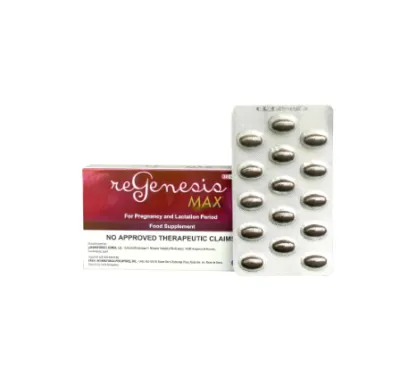




Prices are valid at publication and may change. Please refer to the product page for the latest price.
Breakdown of Key Ingredients and Their Pregnancy Benefits
To understand how Regenesis Max supports your pregnancy, it is helpful to look closely at its active ingredients. This supplement is formulated as a comprehensive multi-nutrient softgel, combining essential vitamins, minerals, and omega-3 fatty acids. Because manufacturers may occasionally update their formulations, you should always verify the exact ingredient list, source materials, and milligram dosages on the physical packaging or product insert before starting use.

The benefits of these ingredients are grounded in established nutritional science rather than exclusive proprietary claims. By understanding the biological roles of these nutrients, you can make more informed decisions about your prenatal care and better discuss your nutritional status with your healthcare provider.
Folic Acid and B-Vitamins for Fetal Development
Folic acid, or Vitamin B9, is arguably the most critical nutrient during the early stages of pregnancy. It plays an indispensable role in cell division and the synthesis of DNA. Medical consensus highlights that adequate folic acid intake before conception and during the first trimester significantly reduces the risk of neural tube defects (NTDs), such as spina bifida and anencephaly, which affect the baby’s brain and spinal cord. Because the neural tube closes within the first 28 days of pregnancy—often before you even realize you are pregnant—consistent folate intake is vital.
In addition to folic acid, the B-complex vitamins in the formula, including Vitamins B6 and B12, support vital metabolic processes. Vitamin B12 works closely with folic acid to facilitate red blood cell production and maintain the health of your nervous system. Meanwhile, Vitamin B6 is heavily involved in amino acid metabolism and is frequently utilized to help ease mild, pregnancy-related morning sickness and nausea, which can be particularly draining during hot tropical days.
When reviewing the supplement facts, check whether the product utilizes synthetic folic acid or a highly bioavailable form like methylfolate. Some individuals possess genetic variations that make it difficult for their bodies to convert synthetic folic acid into its active form. Discussing these specific forms with your OB-GYN will help you determine which type of folate is best suited for your body’s metabolic needs.
Iron and Calcium for Maternal and Fetal Physical Health
During pregnancy, your maternal blood volume expands by approximately 50 percent to support the growing fetus and placenta. This dramatic expansion requires a significant increase in iron intake to produce hemoglobin, the protein in red blood cells that carries oxygen to your organs and your baby. Adequate iron intake helps prevent maternal iron-deficiency anemia, a condition that can lead to chronic fatigue, weakness, and an increased risk of premature birth or low birth weight.
Calcium is another cornerstone mineral, essential for the rapid development of your baby’s skeletal system, teeth, heart, muscles, and nerves. If your dietary calcium intake is insufficient during pregnancy, your body will naturally draw calcium from your own bones to meet the fetus’s developmental demands, potentially compromising your long-term bone density. Therefore, maintaining a steady intake of calcium is vital for protecting maternal bone health while supporting fetal skeletal growth.
It is important to note that iron and calcium can actively compete for absorption within your digestive tract, as they utilize similar pathways. To optimize the absorption of both minerals, review the product’s specific instructions. If your OB-GYN recommends additional separate doses of either mineral, they will likely advise you to space them several hours apart—such as taking your calcium-rich prenatal supplement in the morning and a separate iron supplement in the afternoon—to minimize this interaction.
Vitamins and Trace Minerals for Immunity and Energy
Regenesis Max includes a spectrum of supporting micronutrients, including Vitamin D3, Vitamin C, Zinc, and Iodine, alongside essential Omega-3 fatty acids like DHA. Docosahexaenoic acid (DHA) is a major structural component of the human brain and retina. During the third trimester, the fetal brain undergoes a rapid growth spurt, making the maternal transfer of DHA highly critical for the baby’s cognitive and visual development.
Vitamin D3 is essential because it regulates calcium and phosphorus absorption in the gut, ensuring that the calcium you consume is effectively utilized for bone mineralization. It also plays a key role in supporting maternal immune function. Vitamin C acts as a powerful antioxidant that protects cells from damage, assists in tissue repair and collagen synthesis, and significantly enhances the absorption of non-heme iron from plant-based foods in your diet.
Trace minerals like Zinc and Iodine are equally critical. Zinc supports cellular metabolism, protein synthesis, and immune function, which helps protect you from common infections during pregnancy. Iodine is fundamental for the synthesis of maternal thyroid hormones, which directly regulate the early development of the fetal brain and central nervous system. Together, these micronutrients support your immune defenses and help maintain your daily energy levels under the physical demands of gestation.
How to Check if Regenesis Max Meets Your Specific Needs
Evaluating whether a specific prenatal supplement is right for you requires a systematic look at the Supplement Facts panel printed on the box. Start by checking the serving size and comparing the nutrient amounts against the recommended daily intakes for pregnant women. In the Philippines, these guidelines are aligned with the Recommended Energy and Nutrient Intakes (RENI) established by the Food and Nutrition Research Institute (FNRI). This comparison helps you identify if the supplement provides adequate levels of essential nutrients like folic acid and iron.
Your individual health profile may dictate higher or lower requirements for certain nutrients. For example, if you have a history of iron-deficiency anemia, your OB-GYN may determine that the standard iron dosage in a multi-nutrient supplement is insufficient, requiring you to take an additional, targeted iron supplement. Conversely, if you already consume a diet exceptionally rich in fatty fish, your need for supplemental DHA might differ from someone who rarely eats seafood.
It is also essential to check the product’s inactive ingredients for potential allergens, dietary restrictions, or additives. Because Regenesis Max contains omega-3 fatty acids typically sourced from fish oil, individuals with fish or seafood allergies must exercise caution and verify the source materials. Additionally, check for the presence of specific gelatin sources if you follow halal, kosher, or vegetarian dietary practices, as softgel capsules are frequently made from animal-derived gelatin.
To ensure complete safety, bring the physical package or a clear photograph of the Supplement Facts panel to your next prenatal checkup. Your OB-GYN can review the precise formulation alongside your latest blood test results, ensuring that the nutrient levels perfectly match your body’s current physiological demands without risking over-supplementation.
Safe Usage, Side Effects, and When to Consult Your OB-GYN
Taking your prenatal supplement correctly can significantly improve its absorption and reduce common digestive discomforts. Many women experience mild nausea when taking multivitamins, particularly on an empty stomach in the morning. To minimize this, try taking your supplement with a main meal or just before going to bed. Swallowing the softgel with cool water rather than warm beverages can also prevent the capsule shell from dissolving too quickly in your esophagus, reducing the likelihood of a fishy aftertaste from the omega-3 oils.
Some ingredients, particularly iron, can cause mild and manageable side effects such as constipation, mild abdominal cramping, or dark-colored stools. Dark stools are a normal, harmless consequence of unabsorbed iron passing through your digestive tract. To manage mild constipation naturally in a tropical climate, focus on increasing your daily fluid intake with clean water and consuming local, fiber-rich fruits and vegetables like papaya, sweet potatoes (kamote), and leafy greens (malunggay).
While mild digestive adjustments are common, you should be aware of signs that indicate you need to stop taking the supplement and seek professional medical advice. Contact your doctor immediately if you experience severe abdominal pain, persistent vomiting, a sudden skin rash, itching, or difficulty breathing, which could indicate an allergic reaction. Do not attempt to treat severe side effects with over-the-counter laxatives or anti-nausea medications without your doctor’s explicit approval.
Always remember that prenatal supplements are designed to support, not replace, comprehensive prenatal care. Regular checkups, blood pressure monitoring, routine blood tests, and a nutrient-dense diet are the primary pillars of a safe and healthy pregnancy. Keeping an open line of communication with your healthcare provider ensures that your supplementation strategy remains safe and effective from your first trimester through postpartum recovery.
Frequently Asked Questions (FAQ)
Can I start taking Regenesis Max before I get pregnant?
Yes, starting a prenatal supplement during the preconception phase is highly recommended by medical professionals. Beginning supplementation at least one to three months before conception helps build up your body’s essential nutrient stores, particularly folic acid, which is critical for early fetal development during the first few weeks of pregnancy. You should consult your doctor to establish the ideal preconception timeline for your specific needs.
What should I do if the supplement causes nausea or constipation?
If you experience nausea, try taking the softgel with a heavy meal or right before bedtime to minimize stomach irritation. To address mild constipation, focus on increasing your daily intake of dietary fiber and drinking plenty of water to stay hydrated in the tropical heat. Always consult your OB-GYN before switching supplement brands or using any over-the-counter laxatives.
Can I take other vitamins alongside Regenesis Max?
You should avoid taking other multivitamins or high-dose single-nutrient supplements alongside Regenesis Max unless specifically instructed by your doctor. Overlapping supplements can lead to an accidental overdose of fat-soluble vitamins like Vitamin A and Vitamin D, or minerals like iron, which can accumulate in your body and cause adverse health effects. Always present all your current supplements to your OB-GYN for a comprehensive safety review.
Community discussion
Share your experience or ask a question. Comments are reviewed before publication.