
Selecting a refrigerator lock in the Philippines requires balancing child safety, appliance compatibility, and the challenges of a tropical climate. High indoor humidity can affect adhesive strength, while frequent kitchen activity means any childproofing solution must remain highly functional for adults. A reliable refrigerator lock helps prevent curious toddlers from accessing heavy glass bottles, raw ingredients, or medicines, while also protecting your appliance from being left open. To find the right option, caregivers must evaluate the specific design of their refrigerator, the surface material of the doors, and the daily habits of the household.
Understanding Refrigerator Lock Types and Mechanisms
Adhesive strap locks are among the most versatile childproofing tools available. These devices consist of two plastic mounting bases connected by a flexible strap made of plastic, silicone, or heavy-duty fabric. Because the strap can bend around corners, these locks are highly suitable for single-door refrigerators, top-freezer models, and appliances with uneven surfaces. They allow you to anchor one base to the side of the refrigerator cabinet and the other to the front of the door, bridging the gap securely.
Sliding latch locks offer a non-adhesive alternative for specific refrigerator designs. These locks are specifically engineered for side-by-side or French door refrigerators that feature vertical D-shaped or loop handles. The lock mechanism slides through both handles and clamps tightly, preventing the doors from being pulled apart. Because they do not rely on adhesives, sliding latches are excellent for preserving the pristine finish of your appliance. However, they require sufficient clearance between the handles and the door surface to slide on and off smoothly.
Products mentioned in this guide
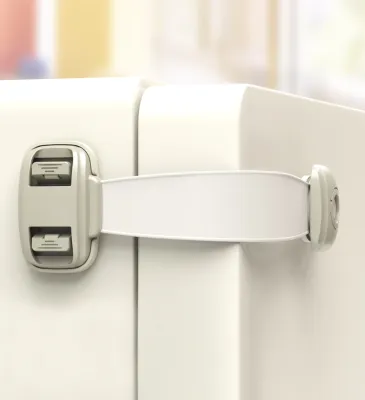
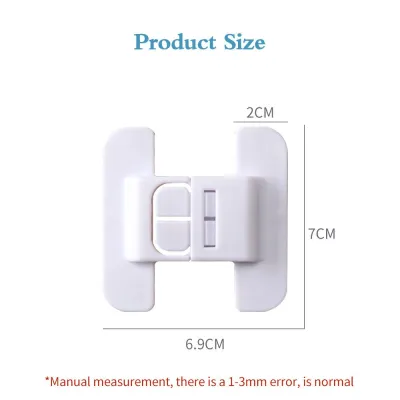
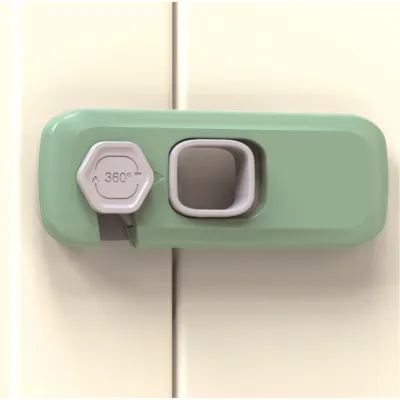
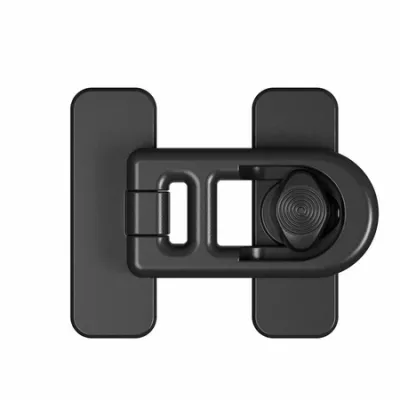
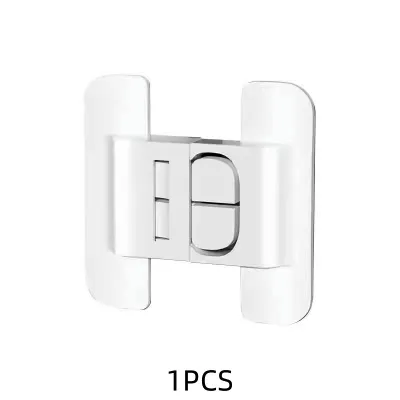
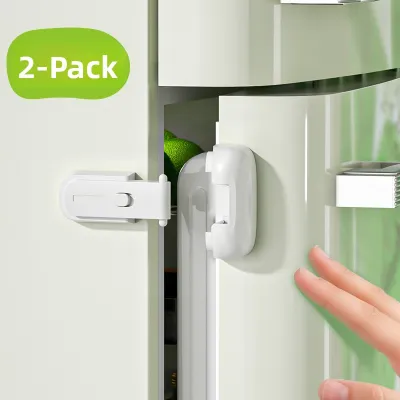
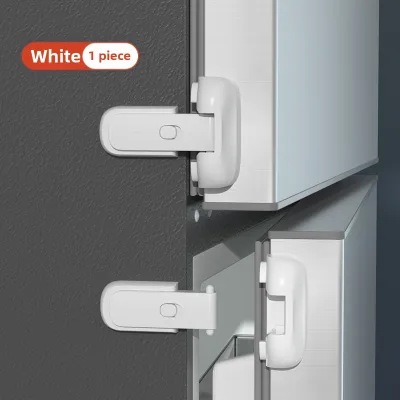
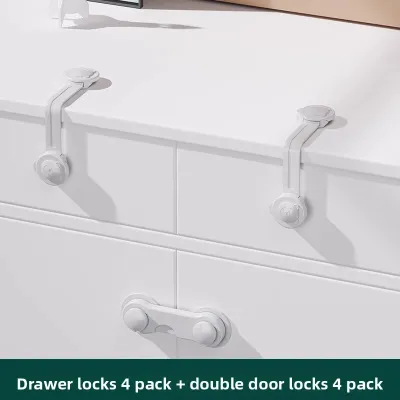
Prices are valid at publication and may change. Please refer to the product page for the latest price.
Magnetic locking systems provide a discreet, hidden safety solution. These systems typically feature an internal latch mounted inside the door gap and a magnetic key used to disengage the lock from the outside. While highly effective at keeping the appliance front free of visible plastic straps, they require precise alignment during installation. Caregivers must also establish a dedicated, out-of-reach storage spot for the magnetic key to ensure adults can always access the refrigerator quickly.
Before purchasing any lock, a thorough compatibility check of your refrigerator configuration is essential. French door and side-by-side models often benefit most from sliding latches or specialized double-door strap locks. Single-door units and compact personal fridges generally require flexible strap locks that can span the corner seam. Understanding your specific appliance layout prevents the frustration of buying a lock that cannot span the necessary gaps or attach to the available mounting surfaces.
Key Factors to Consider When Choosing a Refrigerator Lock
Installation methods play a critical role in preserving your appliance’s condition and warranty. The vast majority of household refrigerator locks utilize heavy-duty, drill-free adhesives. Drilling screws into a modern refrigerator is highly discouraged, as it can puncture internal cooling lines, damage vacuum insulation panels, or permanently void the manufacturer’s warranty. When selecting an adhesive lock, verify that the package includes high-quality, residue-free tape designed for appliance surfaces.

Adult convenience is a vital daily consideration in a busy kitchen. Caregivers frequently approach the refrigerator with their hands full of groceries, cooking utensils, or a baby. A lock that requires a complex, two-handed operation can quickly become a daily hassle, leading family members to leave it unlatched. Look for locks that feature a one-handed release mechanism, which allows adults to press a hidden button or slide a latch with one hand while opening the door with the other.
Durability and tamper resistance are necessary to withstand the persistence of a growing toddler. Children often learn by observation and will attempt to pull, twist, or hang on the lock once they see adults operating it. Evaluate the material strength of the lock components; thin, brittle plastics can easily snap under repeated stress. Opt for locks constructed from robust materials like ABS plastic or reinforced nylon, which offer better resistance to physical impact and pulling forces.
Surface compatibility must be assessed against your refrigerator’s specific finish. The tropical climate in the Philippines brings high humidity levels, which can naturally weaken adhesive bonds over time. Standard adhesives may struggle to adhere securely to textured metal, glass, or modern stainless steel doors treated with anti-fingerprint coatings. Always check the lock manufacturer’s guidelines to ensure the adhesive is compatible with your specific appliance finish to prevent premature failure.
Step-by-Step Installation and Safety Checks
Proper surface preparation is the foundation of a secure adhesive bond. Before applying any lock, clean the designated mounting areas thoroughly to remove grease, dust, and kitchen oils. Use isopropyl rubbing alcohol on a clean microfiber cloth, provided it is safe for your appliance’s finish. Allow the surface to dry completely; even a tiny amount of moisture or oil can severely compromise the adhesive’s ability to bond with the metal or plastic surface.
Observing the recommended curing time is crucial for long-term reliability. Once the adhesive bases are pressed firmly onto the refrigerator, resist the temptation to test the lock immediately. Most high-strength adhesives require a curing period of 24 to 48 hours to reach their maximum holding capacity. Keep the lock disengaged or gently open the refrigerator door during this period to avoid putting any tension on the fresh adhesive.
Alignment and clearance checks prevent damage to the refrigerator’s internal components. Position the lock bases so that they do not press against or deform the flexible rubber door gasket. If a strap lock is pulled too tightly, it can warp the gasket, creating small gaps where cold air can escape. This air leakage forces the compressor to work harder, increasing electricity consumption and potentially causing food to spoil prematurely.
Routine testing ensures the childproofing system remains effective over time. Make it a habit to perform regular pull tests on the lock bases to check for any signs of lifting or peeling. In humid environments, adhesives can gradually degrade, and a lock that felt secure a month ago might easily pull away under a toddler’s sudden tug. Regularly inspecting the physical integrity of the lock helps maintain a safe kitchen environment.
When to Stop Using or Replace Your Refrigerator Lock
Adhesive failure is the most common sign that a refrigerator lock needs immediate replacement. If you notice peeling edges, lifting bases, or sticky residue oozing from beneath the plastic mount, the bond has been compromised. A loose lock cannot withstand a child’s pull and creates a false sense of security. Replace the entire unit or clean the surface thoroughly and apply fresh, manufacturer-approved replacement adhesive tape.
Material degradation is another clear indicator that a lock has reached the end of its functional lifespan. Over time, exposure to kitchen heat, humidity, and UV light can cause plastic components to become brittle, discolored, or cracked. Flexible straps may stretch out permanently, preventing a tight closure, or the latching mechanism may become stiff and difficult to operate. Inspect the lock regularly for these physical signs of wear to prevent sudden breakage.
Developmental milestones dictate when it is time to transition away from physical locks. Refrigerator locks are temporary safety aids designed for infants and toddlers. Once a child reaches an age where they possess the coordination and strength to bypass the locking mechanism, or when they can reliably understand and follow kitchen safety rules, the lock should be removed. Continuing to use a bypassed lock can lead to frustration and unnecessary wear on the appliance.
Appliance damage requires immediate removal of the childproofing device. If you observe that the lock is causing the door frame to warp, tearing the rubber gasket, or leaving permanent discoloration on the refrigerator’s finish, stop using it. A compromised door seal can lead to temperature fluctuations inside the fridge, which poses a direct risk to food safety. Prioritize the proper functioning of your appliance’s cooling system while exploring alternative safety barriers, such as kitchen safety gates.
Frequently Asked Questions (FAQ)
Can I use an adhesive lock on a stainless steel or glass refrigerator door?
Yes, but you must verify compatibility beforehand. Many modern stainless steel and glass refrigerators feature specialized coatings designed to resist fingerprints and smudges. These coatings can prevent standard adhesives from forming a secure bond, causing the lock to fall off easily. Always check the lock manufacturer’s surface compatibility list. If your appliance finish is not recommended for adhesives, consider using strap locks that anchor to the textured side panels of the refrigerator cabinet instead of the front doors, or opt for handle-to-handle sliding locks that require no adhesive at all.
How do I safely remove adhesive lock residue without damaging the fridge?
To remove adhesive residue safely, start by softening the bond with gentle heat. Use a hair dryer on a low setting to warm the adhesive backing for a few minutes, then slowly peel the plastic base away at a shallow angle. Avoid using high heat, which can warp plastic trim or damage the appliance finish. Once the base is removed, clean any remaining sticky residue with a mild, non-abrasive cleaner, warm soapy water, or an adhesive remover explicitly labeled safe for your specific refrigerator surface. Never use sharp metal scrapers, steel wool, or harsh abrasive pads, as these will permanently scratch the finish and potentially void your appliance warranty.
Community discussion
Share your experience or ask a question. Comments are reviewed before publication.