
Finding a reliable refrigerator lock door buy 1 take 1 deal is an excellent way for families to secure their kitchens without overspending. As infants transition into curious toddlers, the kitchen quickly becomes a zone of high interest. The refrigerator, with its colorful magnets, interesting sounds, and accessible shelves filled with heavy glass jars or potentially hazardous items, is often a primary target. Securing these appliances is a fundamental step in home baby-proofing, but doing so effectively requires balancing budget-friendly promotions with strict safety standards.
While buy-one-take-one (B1T1) bundles offer excellent financial value, parents must prioritize quality, material safety, and structural integrity over cost alone. A cheap, poorly designed lock that fails under pressure is more dangerous than having no lock at all, as it provides caregivers with a false sense of security. To make an informed purchase, you must understand the specific mechanical designs available, how to verify their safety features, and how to install them to withstand both toddler curiosity and tropical environmental conditions.
Why Multi-Pack and Buy 1 Take 1 Deals Make Sense for Baby-Proofing
Modern kitchens are rarely limited to a single cooling appliance. In many households, you will find a primary family refrigerator alongside other specialized units, such as a standalone chest freezer for bulk storage, a beverage cooler, or a dedicated small fridge used exclusively for storing breast milk. Because toddlers do not distinguish between a main refrigerator and a secondary freezer, every single appliance with a door at their eye level requires a reliable barrier. Purchasing locks in multi-packs or promotional pairs ensures that no appliance is left vulnerable, allowing you to establish a consistent safety perimeter across your entire kitchen space.
Products mentioned in this guide
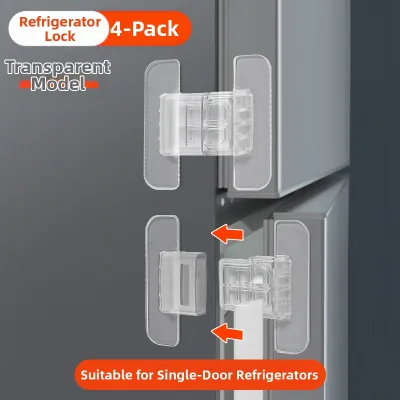
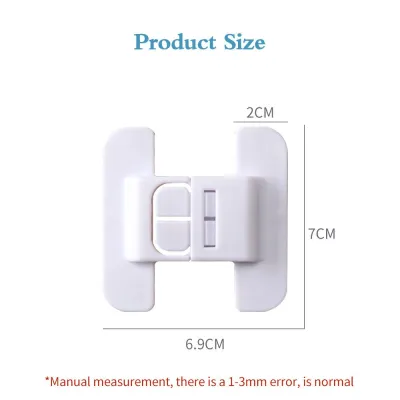
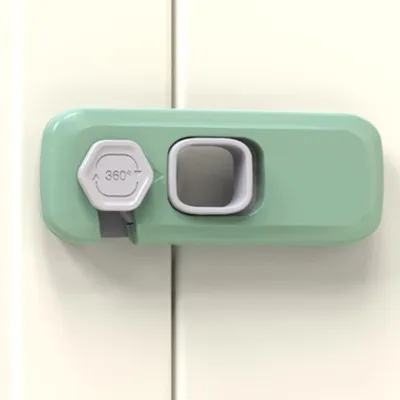
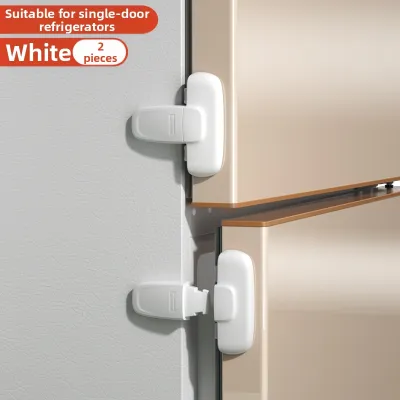
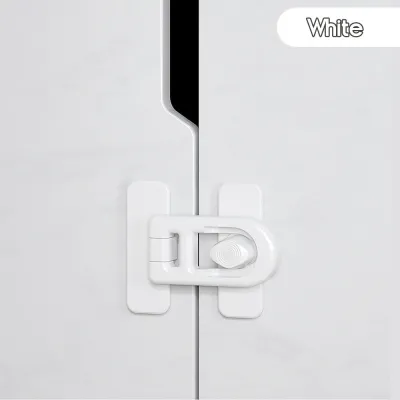
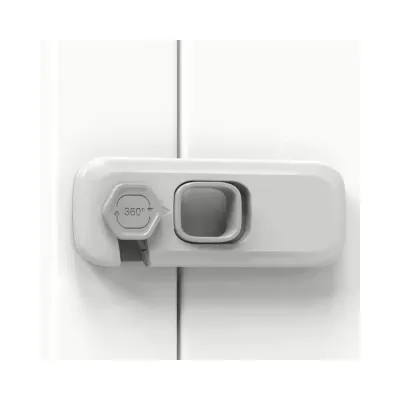
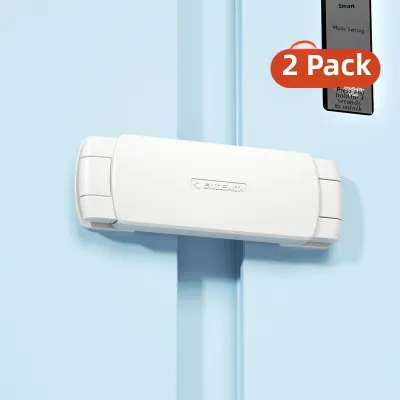
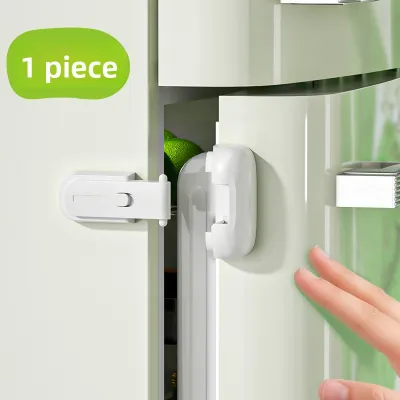
Prices are valid at publication and may change. Please refer to the product page for the latest price.
Furthermore, adhesive wear and tear is an inevitable reality in busy households. The constant opening and closing of heavy appliance doors, combined with the physical force exerted by an active toddler pulling on the latch, puts continuous stress on the mounting pads. Over time, even high-quality adhesives can begin to degrade or peel. Having spare locks readily available from a buy-one-take-one bundle allows you to perform an immediate replacement the moment you notice any structural instability. This prevents any gaps in your home safety routine, ensuring your child remains protected without waiting days for a new delivery.
Finally, these promotional bundles offer a practical opportunity for community-based safety sharing. Parents can easily split the cost of a bulk package or a buy-one-take-one deal with neighbors, relatives, or local parenting groups. This cooperative approach allows multiple families to secure their homes at a fraction of the retail cost. It also fosters a shared culture of child safety within your immediate community, ensuring that playdates at a neighbor’s or grandparent’s house are just as secure as time spent in your own living room.
Crucial Safety Features to Verify Before Claiming a Deal
When evaluating discounted or bundled refrigerator locks, it is vital to look past the promotional banners and scrutinize the actual product specifications. The first feature to examine is the adult-friendly release mechanism. A high-quality lock must require a level of finger strength, coordination, or multi-step physical action that a child under three years old cannot replicate. At the same time, the mechanism should remain straightforward enough for an adult to operate with one hand, especially when carrying groceries or holding a child. Remember that no mechanical lock can replace active adult supervision; once your child begins to show signs of understanding or bypassing a lock, you must stop using it immediately and upgrade to a more complex security system.

Adhesive quality is another critical point of failure for budget childproofing products. Reliable locks utilize heavy-duty, double-sided acrylic foam tape designed to bond securely with smooth, non-porous surfaces like stainless steel, plastic, and painted metal. Before purchasing a bundle, verify that the adhesive is rated as damage-free, meaning it can be removed eventually without stripping the appliance’s paint or leaving permanent structural scars. Avoid deals that utilize generic, thin paper-backed tape, as these adhesives quickly dry out, lose their grip, or turn into a sticky, ineffective residue under minimal physical tension.
Material safety must never be compromised for a lower price point. Because toddlers explore their environments using all their senses—including taste and touch—refrigerator locks are highly likely to be touched, pulled, or even chewed on. Caregivers must verify from the specific product documentation that the plastic used is non-toxic, lead-free, and completely BPA-free. Additionally, inspect the physical design of the lock to ensure there are no small, detachable components, such as removable keys, pins, or loose plastic caps. If a toddler manages to break or pry apart a poorly manufactured lock, these small pieces can instantly become high-risk choking hazards.
Lastly, you must confirm appliance compatibility before committing to a specific promotional bundle. Refrigerator configurations vary widely, ranging from classic single-door units and top-freezer models to French-door systems and side-by-side configurations. A lock designed for a flat, single-door surface will not function correctly on a French-door refrigerator where the two doors meet in the center without a solid frame. Carefully measure the gaps, corner radiuses, and surface areas of your appliances, and compare these measurements against the manufacturer’s product dimensions to ensure a secure, flush fit.
Top Fridge Lock Types to Target for Promo Bundles
Understanding the distinct mechanical categories of refrigerator locks will help you narrow down your search when browsing online marketplaces for promotional bundles. Each type offers unique structural advantages depending on your appliance layout.
Button-Release Catch Locks
Button-release catch locks consist of two low-profile plastic components that mount flat on adjacent surfaces, connected by a rigid or semi-flexible latch. To open the refrigerator, an adult must press two release buttons simultaneously or slide a hidden spring-loaded switch while pulling the latch forward. This dual-action requirement is highly effective because a toddler’s hand span and finger strength are generally insufficient to press both buttons at once while applying outward pressure.
These locks are highly discreet and blend seamlessly into modern kitchen designs, making them less visually tempting for curious children. They are particularly well-suited for standard single-door refrigerators, upright freezers, and flat-front cabinets. However, they require highly precise alignment during the installation process. If the two mounting bases are misaligned by even a few millimeters, the latch will fail to catch securely, or it will place constant, uneven tension on the adhesive backing, leading to premature failure.
Sliding Latch Locks
Sliding latch locks utilize a mechanical track and a sliding locking bar that physically prevents the refrigerator door from opening past a tiny, safe gap. The slide mechanism is designed to require a multi-directional force—such as pushing a lever upward while sliding the bar horizontally—to release the lock. This multi-step physical motion is exceptionally difficult for young toddlers to comprehend or execute, as their motor skills are primarily geared toward simple pushing or pulling motions.
Because of their robust mechanical design, sliding latches are highly durable and can withstand significant daily wear in high-traffic kitchens. They are exceptionally easy for adults to operate quickly with a single hand once the muscle memory is established. Due to their straightforward, purely mechanical construction, manufacturers frequently produce these locks in large quantities, making them one of the most common lock types featured in buy-one-take-one promotions and multi-pack bundles.
Adjustable Strap Locks
Adjustable strap locks feature a flexible plastic, silicone, or woven fabric strap that connects two adhesive anchor plates. The strap can be adjusted in length and locked into place, wrapping securely around corners, curved edges, or uneven surfaces. To open the lock, an adult must press a concealed release buckle on one of the anchor plates, allowing the strap to swing free.
This flexible design makes strap locks the most versatile option available, easily securing side-by-side refrigerators, French-door models, chest freezers, and appliances with deeply recessed handles. They can even be used to secure adjacent kitchen drawers or pantry doors. While their high visibility makes them a clear visual deterrent, it can also attract the attention of older toddlers who may try to pull on the strap. However, when paired with high-quality adhesive, the flexible nature of the strap helps absorb the shock of sudden pulls, protecting the adhesive bond from snapping.
How to Spot Genuine Buy 1 Take 1 Offers on E-Commerce Platforms
Online marketplaces are filled with eye-catching promotional banners, but navigating these platforms requires a critical eye to ensure you are receiving a genuine discount on a safe product. A common marketing tactic is price inflation, where a seller temporarily increases the base price of a single refrigerator lock immediately before launching a “buy 1 take 1” or “1-for-1” campaign. To protect your budget, research the average market price of individual, high-quality safety locks first. If a promotional double-pack is priced significantly higher than two separate, standard-priced units from a reputable brand, the discount is artificial, and you are not receiving true savings.
To verify the actual performance and durability of the locks, always analyze customer reviews thoroughly. Filter the feedback to display the “most recent” reviews rather than just the default top-rated ones, and look specifically for reviews that include verified buyer photos and videos. Pay close attention to feedback regarding how well the plastic holds up over time, whether the locking mechanism remains smooth after weeks of constant use, and whether other parents report their toddlers easily bypassing the lock. Real-world photos also help you verify the actual scale and color of the product, ensuring it matches the promotional images.
Seller credibility is another vital factor when purchasing child safety equipment. Prioritize buying from official brand stores, authorized mall sellers, or established local baby-proofing specialty retailers. These sellers are held to higher quality control standards, are more likely to supply authentic products made from certified non-toxic materials, and offer reliable customer support if you receive a defective unit. Avoid unbranded, suspiciously cheap listings that feature generic machine-translated descriptions and lack clear manufacturer contact information or safety warnings.
Finally, maximize your savings by utilizing voucher stacking techniques. Most major e-commerce platforms allow you to combine shop-specific discount coupons with platform-wide promotional codes, free shipping vouchers, and payment-method discounts. By applying these vouchers at the checkout screen on top of an existing buy-one-take-one listing, you can often acquire premium, high-safety locks for the same price as low-grade generic alternatives, ensuring maximum protection for your child at the lowest possible cost.
Installation and Adhesion Tips for Humid Climates
In tropical environments, high ambient humidity, warm indoor temperatures, and the natural condensation that forms on the exterior of cooling appliances present a major challenge for adhesive-mounted safety locks. If installed incorrectly, the moisture barrier will prevent the adhesive from bonding with the appliance surface, causing the lock to peel off under minimal pressure. Following a precise, step-by-step installation process is essential to ensure a long-lasting, secure hold.
- Prepare the Surface: Begin by identifying the exact placement of the lock bases. Clean these areas thoroughly using a clean microfiber cloth saturated with 70% isopropyl or ethyl rubbing alcohol. This step is critical to strip away invisible layers of kitchen grease, cooking oil residue, dust, and moisture condensation. Avoid using glass cleaners, multi-purpose kitchen sprays, or dish soap, as these products often leave behind a thin chemical film that actively prevents the adhesive from forming a proper molecular bond. Allow the surface to air-dry completely.
- Apply with Firm Pressure: Remove the protective backing paper from the adhesive pads, taking care not to touch the sticky surface with your fingers, as skin oils can weaken the bond. Align the lock components precisely according to the manufacturer's instructions. Press the adhesive pads firmly against the dry refrigerator surface, applying steady, direct pressure across the entire base for at least 30 to 60 seconds. This pressure activates the pressure-sensitive acrylic foam tape, forcing it into the microscopic imperfections of the appliance surface.
- Allow Proper Curing Time: This is the most critical step in the installation process. Once the lock is pressed onto the refrigerator, you must leave it in its "unlocked" or open position so that there is absolutely no physical tension pulling on the adhesive pads. Allow the adhesive to cure undisturbed for a full 24 to 48 hours before locking it or allowing your child near the appliance. In highly humid or warm conditions, extending this curing time to 48 hours ensures the chemical bond reaches its maximum rated strength.
- Practice Safe Removal: When your child outgrows the need for kitchen safety locks, you can remove them without damaging your refrigerator's finish. Do not attempt to pry or rip the plastic bases off the appliance with force, as this can dent the metal panels or chip the paint. Instead, take a long piece of dental floss, high-strength sewing thread, or fishing line, slide it behind the adhesive pad, and use a gentle back-and-forth sawing motion to slice through the foam tape. Once the plastic base is detached, any remaining sticky residue can be cleaned off safely using gentle household methods.
Frequently Asked Questions (FAQ)
Can I use fridge locks on other kitchen appliances?
Yes, many refrigerator locks, particularly adjustable strap locks and button-release catches, are highly versatile and can be used to secure other household appliances. They are commonly applied to dishwashers, washing machines, clothes dryers, beverage cabinets, and trash cans. However, before applying any adhesive-backed lock to an appliance that generates heat, such as an oven or a microwave, you must check the manufacturer’s documentation for temperature ratings. High external heat can melt or severely weaken the adhesive backing, causing the lock to fail when pulled. For heat-generating appliances, look for specialized heat-resistant locks or mechanical options that anchor to cooler side panels.
What should I do if the adhesive leaves a residue?
If removing a safety lock leaves behind a sticky, unsightly patch of foam and glue, avoid using harsh chemical solvents, abrasive green scrubbing pads, or sharp metal scrapers, as these can permanently scratch stainless steel or strip the protective paint off your appliance. Instead, apply a small amount of common household cooking oil, baby oil, or a dedicated non-abrasive adhesive remover directly to the residue. Let the oil sit for 5 to 10 minutes to penetrate and soften the adhesive. Once softened, gently rub the area with a soft microfiber cloth or a non-scratch sponge until the residue rolls off. Finally, clean the area with warm, soapy water to remove the oily film, and wipe it dry with a clean cloth.
Community discussion
Share your experience or ask a question. Comments are reviewed before publication.