
Choosing the right lock ref solution for your kitchen is a crucial step in securing your home once your little one starts crawling and exploring. The kitchen is often the heart of the home, but it also presents numerous hazards for an inquisitive toddler, from heavy glass jars and raw foods to heavy doors that can easily pinch small fingers. Securing this appliance with a reliable lock ref system is one of the most practical steps you can take to secure your kitchen. However, there is no universal solution. The ideal lock depends on your appliance’s physical design, surface material, and your child’s age and physical strength.
Evaluating your specific kitchen setup and understanding how different lock mechanisms interact with your refrigerator will help you make an informed decision. By matching the lock’s design to your appliance’s configuration, you can establish a secure environment while maintaining convenient access for the adults in the household.
Assessing Your Refrigerator and Child's Readiness
Before purchasing any baby-proofing hardware, you must carefully evaluate the physical characteristics of your refrigerator. Refrigerator doors are constructed from a variety of materials, including stainless steel, glass, painted metal, and textured plastics. Each of these surfaces interacts differently with the adhesives used to mount baby-proofing locks. In tropical climates like the Philippines, high relative humidity can significantly affect how well double-sided tape adheres to these surfaces. If your refrigerator has a textured surface or a specialized anti-fingerprint coating, standard adhesives may struggle to form a secure bond, requiring you to look for heavy-duty options or mechanical alternatives.
Products mentioned in this guide
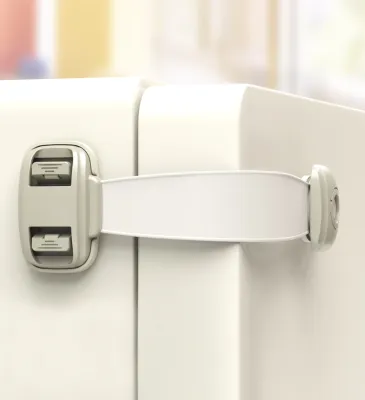
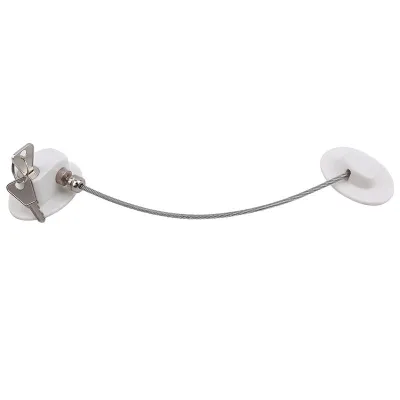
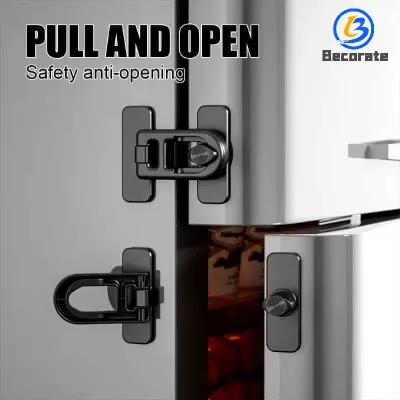
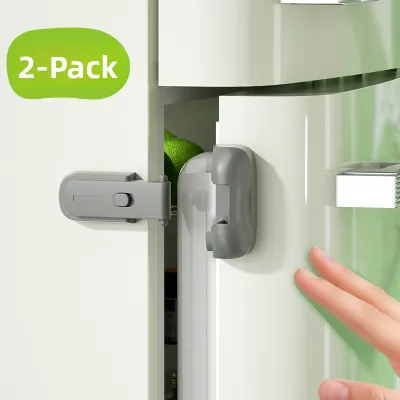
Prices are valid at publication and may change. Please refer to the product page for the latest price.
Next, examine your refrigerator’s handle configuration. Recessed handles, which are flush with the door surface, offer no external anchor points, making physical loop locks unusable. Protruding handles, on the other hand, allow you to use strap locks that anchor directly to the handles themselves. If you have a handle-less or push-to-open model, your options will be more limited, often requiring specialized locks that mount on the exterior corners or utilize internal magnetic mechanisms.
Finally, consider your child’s current age, physical strength, and problem-solving skills. A young infant who is just learning to stand might only pull on the door handle for balance, requiring a lock that can withstand basic downward weight. However, an older toddler possesses the cognitive ability to watch how you open the lock and will actively try to mimic your hand movements. Grip strength and fine motor skills develop rapidly between 12 and 24 months, meaning a simple push-button latch might quickly be bypassed by a determined toddler.
Comparing the Three Main Refrigerator Lock Types
To choose the most effective lock ref for your home, it is essential to understand how the three primary categories—strap, magnetic, and latch locks—operate, along with their distinct advantages and limitations.

Strap Locks for Flexible Fitting
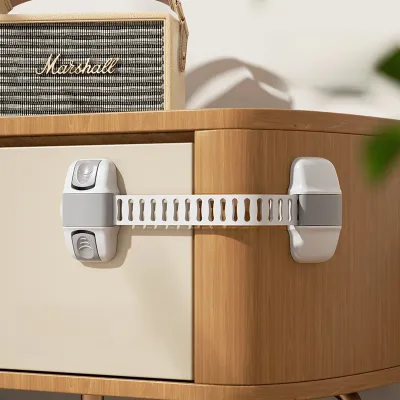
Strap locks feature two adhesive-backed mounting bases connected by a flexible plastic, silicone, or fabric strap. One base is secured to the side of the refrigerator cabinet, while the other is attached to the front of the door. The flexible strap bridges the gap, holding the door firmly closed until an adult releases the strap from one of the mounting bases.
Because the strap is flexible, it can easily navigate curved edges, uneven surfaces, and varying heights. This makes strap locks highly versatile and effective for French door models, side-by-side units, or older refrigerators where the door does not sit perfectly flush with the main frame. They are also relatively easy for adults to operate with one hand, allowing you to open the fridge while carrying groceries or preparing meals.
The primary drawback of strap locks is their highly visible, utilitarian appearance. They sit directly on the exterior of your appliance, which can disrupt a clean kitchen aesthetic. Additionally, because they are highly visible, they draw your child’s attention. A persistent toddler may spend hours trying to press, slide, or pull the release mechanism, eventually figuring out how to bypass it if they observe you using it repeatedly.
Magnetic Locks for Discreet Security
Magnetic locks consist of an internal latch mechanism installed inside the door gap or cabinet frame, and an external magnetic key. To open the refrigerator, you place the magnetic key against the outside of the door at the exact location of the internal latch, which disengages the lock and allows the door to swing open.
Because the entire locking mechanism is hidden inside the appliance, it preserves the sleek look of your kitchen. More importantly, it removes the visual temptation for your child. Since there are no visible buttons or straps to press, toddlers are less likely to focus their attention on trying to open the door, reducing the likelihood of them tampering with the lock.
However, magnetic locks require careful key management. You must keep the magnetic key in a designated, high-up location out of your child’s reach but easily accessible to adults. If you lose the key, accessing your refrigerator can become a major challenge. Additionally, you must verify that the magnet’s strength is compatible with the thickness of your refrigerator door, as exceptionally thick or heavily insulated doors may prevent the magnetic field from engaging the internal latch.
Latch and Catch Locks for Mechanical Reliability
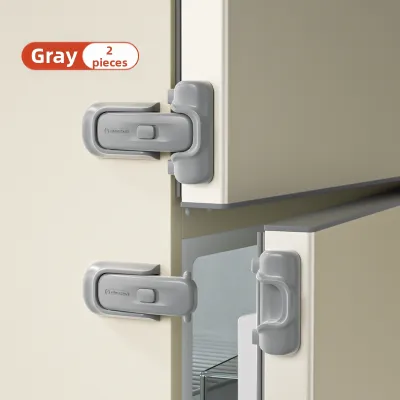
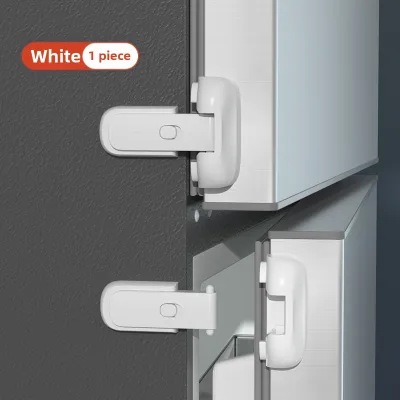
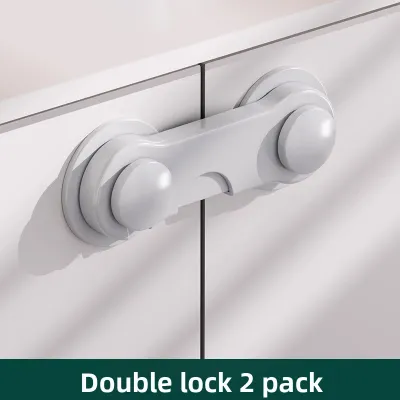
Latch and catch locks rely on a rigid, spring-loaded plastic arm that automatically clicks into a receiving catch when the door is closed. These are typically mounted on the top or side corner of the refrigerator, securing the door directly to the adjacent cabinet frame.
The mechanical nature of these locks means they do not rely on keys or flexible straps that can stretch over time. The audible “click” when the door closes provides immediate reassurance that the appliance is secure. They are highly durable and can withstand significant pulling force from growing toddlers, making them a reliable long-term solution.
These locks require precise alignment during installation. If the latch and the catch are off by even a few millimeters, the lock may fail to engage or become difficult to open. Over time, the constant mechanical friction and slamming of the refrigerator door can cause the plastic components to wear down or misalign, requiring periodic adjustments to ensure they continue to function safely.
Matching the Lock to Your Specific Fridge Configuration
French door and side-by-side models present unique challenges because you must secure two doors that open in opposite directions. For these configurations, specialized dual-door latches or heavy-duty strap locks that bridge the center gap are often the most effective choices. These locks prevent either door from being pulled open individually, ensuring the entire appliance remains secure.
Handle-less or push-to-open refrigerators require a different approach. Because there are no handles to anchor to and often very little clearance on the sides, internal magnetic catches or low-profile corner latches are usually the only viable options. These solutions secure the door without interfering with the appliance’s sleek, minimalist design.
If you have a glass-front refrigerator or an appliance with a delicate, high-end finish, you must exercise caution. Applying strong adhesives directly to glass or specialized coatings can cause permanent damage or void your manufacturer’s warranty. Always check the appliance manufacturer’s care guidelines before applying any adhesive-backed baby-proofing products.
Before purchasing a lock ref, create a conditional shortlist by measuring the gap between your refrigerator doors, checking the flatness of the side panels, and assessing the clearance space around the appliance. This physical assessment ensures you select a lock that fits perfectly without obstructing other kitchen cabinets or drawers. Budgeting around ₱200 to ₱600 for a reliable lock set is a practical estimate for securing a standard household refrigerator.
Installation Best Practices and Ongoing Safety Checks
Proper installation is critical to the effectiveness of any refrigerator lock. Begin by thoroughly cleaning the mounting surfaces with isopropyl alcohol to remove grease, dust, and kitchen oils. Avoid using standard household glass cleaners or multi-surface sprays, as they often leave behind a thin residue that prevents adhesives from bonding securely.
Once the surface is clean and completely dry, apply the adhesive-backed lock and press firmly for at least 30 seconds. It is vital to respect the manufacturer’s recommended curing time—typically 24 hours—before subjecting the lock to any pulling force. In warm, humid environments, allowing the full curing time is especially important to ensure the adhesive bond reaches its maximum strength.
As your child grows, their physical strength and determination will increase. Periodically verify the lock’s holding strength by giving the refrigerator door a firm tug yourself. Check for any signs of peeling adhesive, cracked plastic, or loose hinges. If you notice any degradation in the lock’s structural integrity, replace it immediately to maintain a safe environment.
When it is time to remove the lock, do so carefully to avoid damaging your refrigerator’s finish. Use a hairdryer on a low, gentle heat setting to soften the adhesive backing. Once warmed, slowly slide a piece of dental floss or fishing line behind the mounting base to saw through the softened adhesive. Clean up any remaining residue with a mild adhesive remover or vegetable oil, strictly following the manufacturer’s instructions.
Remember that physical locks are temporary safety aids and not a substitute for active caregiver supervision. As your child matures, transition from relying solely on physical barriers to teaching them kitchen safety rules. Explain why the refrigerator is off-limits and supervise them closely whenever they are in the kitchen.
Frequently Asked Questions (FAQ)
At what age or developmental stage can I remove refrigerator locks?
Most families find they can safely remove refrigerator locks when their child reaches around 2 to 3 years of age, but this timeline varies significantly based on individual maturity. The decision should be based on your child’s ability to understand and consistently follow verbal safety instructions, rather than a specific age milestone.
Look for signs of cognitive readiness, such as your child understanding why certain kitchen items are hazardous and demonstrating the impulse control to leave the refrigerator closed when unsupervised. Transitioning away from physical locks involves ongoing safety education and gradual, supervised access to the kitchen.
Will the adhesive on baby-proofing locks damage my refrigerator's finish?
High-quality baby-proofing adhesives are generally designed to be removable, but they can still pose a risk to certain delicate finishes, such as painted metal, thin laminates, or specialized anti-fingerprint coatings. To prevent damage, always consult your refrigerator’s user manual or warranty guidelines regarding the use of adhesive products on the exterior panels.
Before applying the lock to a highly visible area, perform a spot test on a hidden section of the refrigerator, such as the very bottom or back edge of the door. Apply a small piece of the adhesive, leave it for 24 hours, and then remove it carefully to observe how the finish reacts. This simple precaution can save you from costly cosmetic damage.
Community discussion
Share your experience or ask a question. Comments are reviewed before publication.