
To baby-proof a kitchen in the Philippines efficiently, finding a reliable refrigerator lock door buy 1 take 1 promotion on local e-commerce platforms is an excellent way to secure multiple appliances without overspending. However, parents must balance cost savings with certified structural safety, as a cheap, failing lock poses both a choking hazard and an unsecured gateway to kitchen hazards. Securing the refrigerator is not just about protecting your food; it is a critical safety measure to prevent heavy doors from pinching small fingers, stop toddlers from accessing raw foods, and eliminate the risk of heavy glass jars falling from low shelves.
Why Buy 1 Take 1 Deals Make Sense for Kitchen Baby-Proofing
Kitchens are high-risk zones for curious toddlers who are just beginning to explore their environments. A refrigerator contains various hazards, including heavy glass containers, raw meats that carry potential bacterial contamination, and small food items that present immediate choking risks. Securing just the main refrigerator door is rarely sufficient for a determined child. Most households feature double-door configurations, separate freezer compartments, or adjacent lower pantry cabinets that house cleaning agents and heavy cookware, all of which require reliable barriers.
This multi-point vulnerability is why looking for a refrigerator lock door buy 1 take 1 deal is highly practical. Purchasing high-quality safety locks individually can quickly become expensive, especially when baby-proofing an entire kitchen area. Multi-packs and promotional bundles allow parents to establish a consistent safety barrier across multiple access points at a fraction of the cost, ensuring that no hazardous cabinet or appliance door is left unsecured due to budget constraints.
Products mentioned in this guide
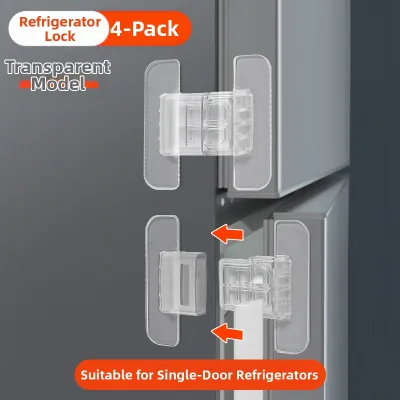
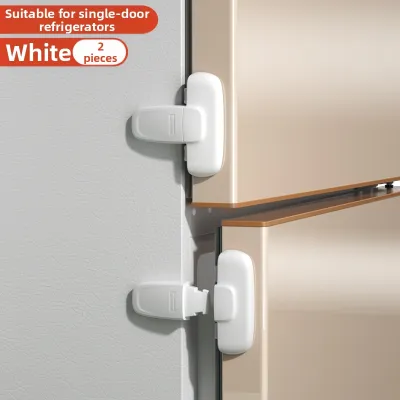
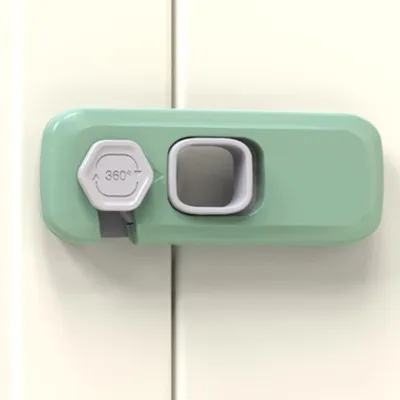
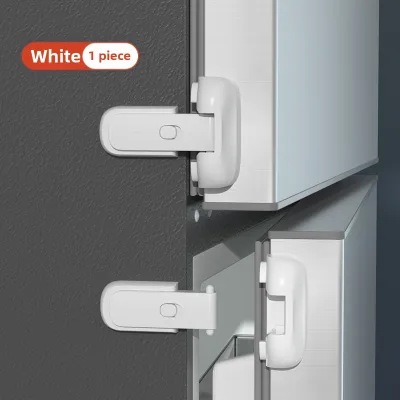
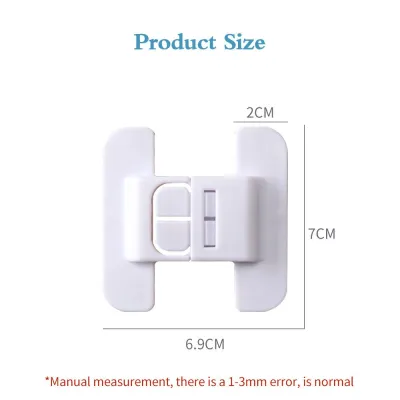
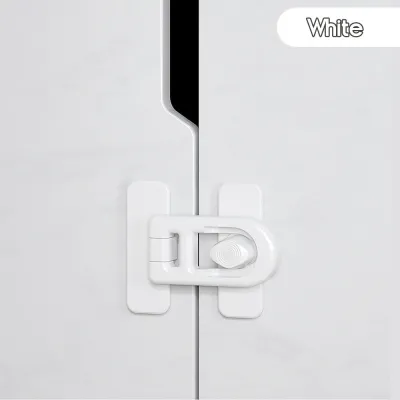
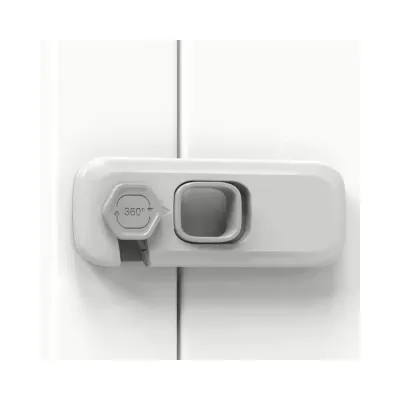
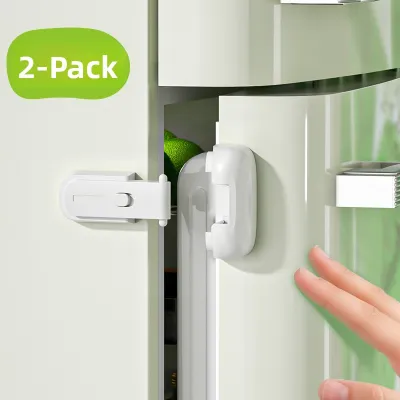
Prices are valid at publication and may change. Please refer to the product page for the latest price.
However, the primary goal of any baby-proofing strategy must always be child safety rather than absolute cost minimization. A promotional deal is only valuable if the locks actually prevent access. If a toddler can easily bypass a weak latch or pull an adhesive strip off the appliance, the promo has failed its primary purpose. Caregivers must remain vigilant and supervise children even after installing safety devices, as no mechanical lock can completely replace active adult supervision.
Evaluating the true cost of a promotion involves looking beyond the initial discount. Consider potential shipping fees across Philippine provinces, the durability of the materials, and the likelihood of needing to buy replacement units if the promotional locks break within a few weeks. High-quality materials and reliable adhesives save money over time by preventing premature failure and protecting your appliances from cosmetic damage.
Crucial Features to Check Before Claiming a Refrigerator Lock Door Buy 1 Take 1 Promo
Locking Mechanism and Child Resistance
Different lock designs cater to different appliance styles and child development stages. Strap locks utilize a flexible plastic or nylon band that bends around corners, making them ideal for double-door refrigerators, French door configurations, or units with uneven surfaces. Push-button latches require manual dexterity and finger strength to disengage, which typically exceeds a toddler’s physical capabilities. Slide latches offer a rigid barrier but require precise alignment during installation. Parents must verify the manufacturer’s age-resistance specifications, as mechanisms suitable for a 12-month-old may be easily bypassed by a clever two-year-old who has developed advanced fine motor skills.

Adhesive Quality and Surface Compatibility
The strength of a refrigerator lock relies heavily on its adhesive backing. Many reputable brands utilize heavy-duty acrylic foam tape, such as 3M VHB, which provides high shear strength and resists pulling forces. Before purchasing, check the product label to ensure compatibility with your specific refrigerator finish, whether it is painted metal, stainless steel, or a textured plastic exterior. Unsuitable adhesives may slide off smooth surfaces under tension or, conversely, strip away delicate protective coatings upon removal.
Material Durability and Tropical Climate Resistance
The Philippines’ tropical climate introduces specific challenges for adhesive-based baby-proofing products. High ambient temperatures and elevated indoor humidity can soften low-grade adhesives, causing the lock to slip when pulled by a child. Additionally, the heat generated by a refrigerator’s external condenser coils can warm the appliance surface, further compromising weak glues. Look for locks made from high-density ABS plastic or heavy-duty polycarbonate, and verify if the manufacturer specifies heat and humidity resistance. Ensure the product documentation confirms the use of non-toxic, BPA-free materials, as toddlers often touch or chew on accessible surfaces.
Adult Ease of Use vs. Child Resistance
A successful safety lock must be highly resistant to a child’s cognitive and physical abilities while remaining simple for adults to operate. When carrying groceries or preparing meals, you need a mechanism that can be unlocked with one hand. If a lock is too cumbersome, caregivers may eventually leave it disengaged, completely defeating its purpose. Look for dual-button systems or sliding mechanisms that require a specific sequence of pressure that small hands cannot replicate but adults can perform fluidly.
How to Spot Genuine Buy 1 Take 1 Offers on E-Commerce Platforms
Search and Filter Tactics
Finding a genuine refrigerator lock door buy 1 take 1 deal on Philippine e-commerce platforms requires strategic searching. Avoid generic search terms like “baby lock” which return thousands of unrelated results. Instead, use precise phrases such as “refrigerator lock door buy 1 take 1”, “fridge lock bundle”, or “appliance safety lock twin pack”. Utilize platform filters to sort by “Top Rated” or “Most Sales” to identify listings that have already been vetted by other parents in the local market.
Verifying Promo Mechanics
Not all promotional listings are created equal, and some sellers use misleading titles to attract clicks. Carefully read the product description and select the correct variation from the drop-down menu before checking out. Verify whether the “take 1” item is an identical, high-quality refrigerator lock or a smaller, unrelated accessory like a foam corner guard or an outlet plug cover. Ensure you understand if the promotion is applied automatically at checkout, requires a specific voucher, or demands a minimum spend threshold to activate.
Evaluating Seller Credibility
Prioritize official brand stores or highly rated preferred sellers on online marketplaces. Examine the seller’s overall rating and look closely at recent customer reviews. Pay close attention to reviews written by buyers in the Philippines, as they often comment on how well the adhesive holds up in local humidity. Look for user-uploaded photos and videos showing the installed lock to verify its actual size, material thickness, and overall build quality. A reliable seller will also have a clear, documented return and refund policy in case the product arrives with dried-out adhesive or defective plastic parts.
Recognizing Red Flags
Be cautious of listings with prices that seem too good to be true, such as multiple locks offered for under ₱50. Extremely cheap locks often utilize brittle recycled plastics that can snap under moderate pressure, posing a sharp-edge hazard to your child. Other red flags include listings with no clear manufacturer or brand name, missing safety warnings, or poorly translated product descriptions that fail to explain how the locking mechanism operates. If a seller cannot provide clear instructions or material specifications, it is safer to look elsewhere.
Safe Installation and Removal Tips for Refrigerator Surfaces
Surface Preparation
Proper installation is critical to ensure the adhesive achieves its maximum holding power. Begin by cleaning the target area on your refrigerator with isopropyl alcohol to remove any grease, dust, or fingerprints. Avoid using household glass cleaners or multi-surface sprays, as these often leave behind a thin residue that prevents the adhesive from bonding securely. Allow the surface to dry completely before proceeding. Always refer to the lock manufacturer’s specific instructions, as some surfaces may require a specialized preparation step.
Adhesive Curing
Once the surface is clean and dry, peel the protective backing from the adhesive pad and press the lock firmly onto the refrigerator. Apply steady pressure for at least 30 seconds to ensure full contact across the entire surface area. The most critical step is allowing the adhesive to cure. Most high-quality adhesives require a full 24 hours to reach maximum bond strength. Do not attempt to test the lock, pull the door, or allow your toddler to play near the appliance during this curing period, as premature tension will permanently weaken the bond and cause early failure.
Safe Removal Techniques
When your child outgrows the need for baby-proofing, removing the locks safely requires patience to avoid damaging your appliance’s finish. Do not try to pry the lock off with a knife, screwdriver, or metal tool, as this will scratch the refrigerator paint or stainless steel. Instead, use a hair dryer on a low, warm setting to gently heat the adhesive pad, softening the glue. Slide a piece of dental floss or strong sewing thread behind the lock base and use a sawing motion to slice through the softened foam tape. Any remaining residue can be cleaned using a mild adhesive remover, eucalyptus oil, or warm soapy water.
Warranty and Safety Boundaries
Before applying any adhesive product to a new appliance, consult your refrigerator’s user manual or contact the manufacturer to verify if external adhesives affect your warranty. If the appliance surface feels compromised, has loose paint, or if the lock manufacturer’s instructions conflict with your refrigerator’s care guidelines, stop the installation immediately. Always prioritize the appliance manufacturer’s warnings to maintain both safety and product integrity. If a lock becomes loose, cracked, or fails to latch securely, stop using it immediately and replace it to prevent accidents.
Frequently Asked Questions (FAQ)
Are adhesive refrigerator locks safe for stainless steel finishes?
While many adhesive lock manufacturers advertise universal compatibility, you must verify the specific surface guidelines before application. Some stainless steel refrigerators feature specialized anti-fingerprint coatings or delicate protective lacquers that can be stripped away by aggressive industrial adhesives. To prevent permanent cosmetic damage, consult your refrigerator manual or test the adhesive on a small, hidden area of the appliance first. If you notice any discoloration or peeling of the coating, discontinue use immediately and consider non-adhesive mechanical alternatives or strap locks that attach to the sides rather than the front face.
What should I do if the promotional lock adhesive fails in humid conditions?
If high humidity causes your promotional lock to detach, first remove the failed lock entirely and clean all residual glue from the refrigerator surface using isopropyl alcohol. Do not attempt to reattach the lock using unverified household glues, superglue, or hot glue, as these can permanently damage the appliance exterior and may emit toxic fumes. Instead, check if the manufacturer provides replacement adhesive pads designed for high-strength bonding. If the failure recurs, look for safety locks specifically rated for high-humidity environments or tropical climates, which feature specialized moisture-resistant acrylic adhesives.
Can I use standard cabinet locks on a refrigerator door?
Standard cabinet locks are generally designed for thin wooden or MDF doors and are not engineered to withstand the unique physical demands of a refrigerator. Refrigerator doors are significantly thicker, heavier, and sealed with magnetic gaskets that require substantial force to open and close. A standard cabinet lock may lack the necessary strap length, hinge clearance, or adhesive surface area to secure a heavy appliance door safely. Using an under-rated lock can lead to sudden failure when a toddler pulls on the door. Always select locks explicitly designed and rated for major household appliances.
Community discussion
Share your experience or ask a question. Comments are reviewed before publication.