
In the tropical heat of the Philippines, where high humidity and soaring temperatures are daily realities, finding a quick way to cool down is essential. However, if you have sensitive skin, choosing a cooling wipe is not always straightforward. Because individual skin triggers vary and brand formulations change frequently, there is no single universally “best” brand of cooling wipes for sensitive skin. The safest approach is to evaluate products based on their specific cooling mechanisms and explicit sensitive-skin labeling rather than relying on brand popularity alone.
To make an informed choice, it helps to understand how these wipes actually lower your skin temperature. Most cooling wipes rely on one of two primary mechanisms: evaporative cooling or chemical cooling. Evaporative cooling typically utilizes high concentrations of alcohol, such as ethanol or isopropyl alcohol, which evaporates rapidly off the skin surface to create an instant, chilly sensation. While highly effective at cutting through sweat and oils, this rapid evaporation can strip the skin barrier of its natural moisture, leaving sensitive skin dry, tight, and highly vulnerable to irritation.
Chemical cooling, on the other hand, relies on active ingredients like menthol, peppermint oil, or synthetic cooling agents that trigger the cold-sensitive receptors in your skin. This creates a sensory illusion of coldness without actually changing the skin’s physical temperature. While menthol-based wipes avoid the drying effects of alcohol, they carry their own risks for sensitive skin. High concentrations of menthol can cause an intense burning or stinging sensation, particularly on delicate areas or skin with a compromised barrier.
Products mentioned in this guide
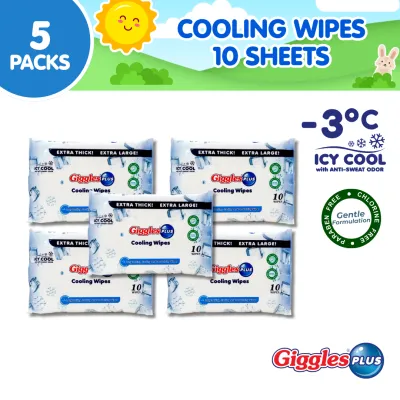
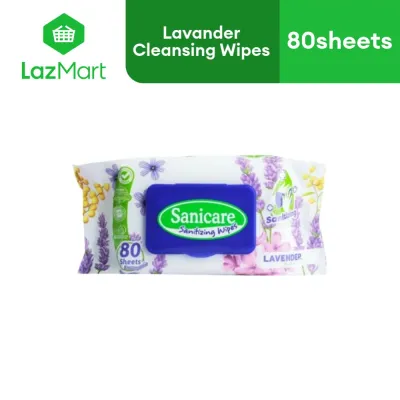
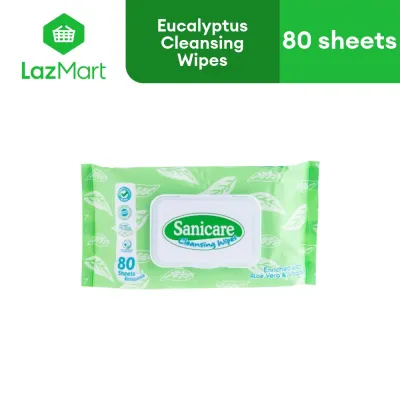
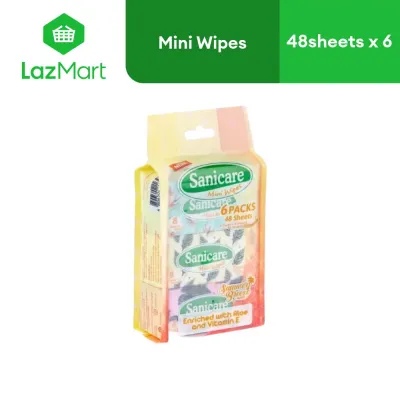
Prices are valid at publication and may change. Please refer to the product page for the latest price.
When sensitive skin reacts to these cooling agents, the symptoms can range from mild discomfort to severe irritation. You might experience immediate redness, a persistent stinging or itching sensation, or localized dry patches that develop hours after use. For individuals managing conditions like eczema, contact dermatitis, or rosacea, the wrong formulation can trigger a painful flare-up. Recognizing these potential reactions is the first step toward selecting a product that refreshes your skin without compromising its health.
Essential Ingredients to Check Before Buying
When shopping for cooling wipes in local supermarkets, pharmacies, or online marketplaces, reading the ingredient list is your most reliable defense against skin irritation. The first ingredients to limit or avoid entirely are high-concentration alcohols, often listed as alcohol denat, ethanol, or isopropyl alcohol. While they provide an immediate icy blast, their tendency to dissolve the skin’s natural lipids makes them highly unsuitable for sensitive skin types, especially in the humid Philippine climate where the skin barrier is already working hard to manage sweat and sebum.
Synthetic fragrances are another common culprit behind contact allergies and skin irritation. Manufacturers often add strong perfumes to mask the chemical scent of the wipe material or to enhance the sensory experience of “freshness.” For sensitive skin, these artificial scents can trigger immediate redness and itching. Opting for fragrance-free or unscented options is always the safer path, as even natural essential oils used for fragrance can sometimes cause adverse reactions on reactive skin.
Preservatives are necessary in wet wipes to prevent the growth of harmful bacteria and mold, particularly in warm, humid environments. However, certain harsh preservatives, such as parabens, methylisothiazolinone (MIT), and formaldehyde-releasers, are known sensitizers. When reviewing a product label, look for milder preservative systems and ensure the formula is free from these high-risk chemicals to minimize the chance of a cumulative allergic reaction over time.
Instead of harsh chemicals, look for formulations that incorporate soothing botanical extracts alongside mild cooling agents. Ingredients like aloe vera, chamomile extract, cucumber extract, and calendula are excellent additions that help calm inflammation and restore moisture to the skin. Some sensitive-skin formulations use very low concentrations of naturally derived mint extracts or specialized synthetic cooling agents designed to deliver a gentle, sustained cooling effect without the intense bite of pure menthol.
It is also crucial to critically interpret common marketing claims found on local packaging, such as “hypoallergenic” or “dermatologically tested.” While these terms suggest a level of safety, they are not strictly regulated standard definitions and do not guarantee that a product will be completely reaction-free for your specific skin. “Hypoallergenic” simply means the product is formulated with ingredients less likely to cause allergic reactions, while “dermatologically tested” indicates the product was evaluated by a dermatologist, but does not disclose the testing parameters or results. Always verify the actual ingredient list rather than relying solely on front-label promises.
Comparing Wipe Textures and Moisture Levels
The physical design of a cooling wipe plays a significant role in how it interacts with your skin. The material and texture of the wipe determine the level of friction generated during application. Smooth, non-woven fabrics made from soft fibers like viscose, lyocell, or high-quality cotton are generally the gentlest option for sensitive skin. These materials glide smoothly across the skin surface, minimizing physical friction that can worsen existing redness or irritation.

In contrast, some cooling wipes feature textured, embossed, or mesh surfaces designed to trap dirt, sweat, and oil more effectively. While these textured patterns are useful for heavy-duty cleaning, they can act as a mild physical exfoliant. For sensitive skin, this micro-exfoliation can disrupt the delicate outer layer of the skin, leading to micro-tears and increased sensitivity to the cooling ingredients themselves. If your skin is highly reactive, stick to completely smooth wipes.
Moisture retention is another critical factor to consider. Thicker, high-gsm (grams per square meter) wipes are capable of holding a larger volume of the cooling liquid, allowing for a more even and gentle distribution of moisture across your body. Thinner wipes tend to dry out rapidly when exposed to the air, especially during outdoor use in warm weather. When a wipe dries out, users often compensate by rubbing harder against their skin, which increases friction and the likelihood of irritation.
The packaging format of the wipes also influences their performance and longevity in a tropical climate. Cooling wipes typically come in resealable sticker packs or packs equipped with a rigid, flip-top plastic lid. In the high humidity and heat of the Philippines, sticker seals can easily lose their adhesive properties due to dust, sweat, or repeated opening, leading to premature evaporation of the cooling solution. Packs with a secure flip-top lid provide a much better seal, ensuring the wipes remain fully saturated and hygienic until the very last sheet.
Decision Framework: Which Wipe Profile Fits Your Skin?
To help you navigate the wide variety of cooling wipes available in the Philippine market, it is helpful to categorize them into distinct profiles based on their formulation. This allows you to match the product’s characteristics directly to your skin’s tolerance levels and your specific lifestyle needs.
Profile A: Alcohol-Free, Botanical Cooling, and Unscented This profile is highly recommended if your skin is extremely reactive, easily dried out, or prone to chronic conditions like eczema or contact dermatitis. These wipes rely on water-based formulations infused with soothing agents like aloe vera or chamomile, using only trace amounts of mild, non-irritating cooling agents. They provide a gentle, subtle lowering of skin temperature rather than an icy shock. This profile prioritizes skin barrier protection over intense cooling, making it the safest choice for daily use on highly sensitive skin.
Profile B: Low-Alcohol, Mild Menthol, and Light Fragrance This profile is suitable if you do not have highly reactive skin but experience mild sensitivity, and you require a stronger, more immediate refreshing sensation to combat heavy sweating during outdoor activities or workouts. These wipes may contain a very low percentage of alcohol to facilitate quick drying, combined with a mild concentration of menthol for a noticeable cooling effect. While they offer a more pronounced refreshing sensation, they should be used with caution and avoided if your skin is feeling particularly dry or compromised.
When to Avoid Cooling Wipes Entirely It is important to recognize that neither profile may be suitable if your skin is currently experiencing active damage. If you have open wounds, severe sunburn, active rashes, or severe eczema flare-ups, you should avoid using any cooling wipes entirely. The active cooling agents, preservatives, and physical friction can cause intense pain and delay the healing process. In these situations, opt for plain water wipes, a clean damp cloth, or consult a healthcare professional for appropriate skin care.
Additionally, always verify whether the product is explicitly marketed and formulated for facial use. The skin on your face is significantly thinner and more delicate than the skin on your body, with a higher density of sensory nerves. Standard body cooling wipes often contain higher concentrations of cooling agents and fragrances that are perfectly fine for your arms or neck but can cause severe stinging, redness, or eye irritation if applied to the face.
Furthermore, if you are considering these wipes for infants or young children, always verify the age and development stage suitability on the manufacturer’s packaging. Children’s skin is much thinner and absorbs substances more rapidly than adult skin. Never use adult cooling wipes on babies or toddlers without explicit pediatric approval, and ensure any child-safe wipes are used under strict caregiver supervision.
Safe Application and Storage for Lasting Freshness
How you apply and store your cooling wipes can make a substantial difference in both their effectiveness and their safety for your skin. When using a cooling wipe, target your body’s natural pulse points to maximize the refreshing sensation. Wiping the back of your neck, your wrists, the insides of your elbows, and behind your knees can help cool you down efficiently because blood vessels in these areas are closer to the skin surface.
Always strictly avoid applying cooling wipes near your eyes, mouth, and other mucous membranes. The volatile ingredients that create the cooling sensation, such as menthol or alcohol vapors, can easily migrate and cause intense watering, stinging, or chemical irritation in these highly sensitive areas. If you accidentally get the formulation in your eyes, rinse thoroughly with clean, cool water immediately.
Before committing to using a new brand of cooling wipes all over your body, it is highly recommended to perform a simple patch test. Wipe a small, localized area on your inner arm or the side of your neck and wait at least twenty-four hours. Monitor the area closely for any signs of redness, itching, swelling, or burning. If your skin remains clear and comfortable, it is generally safe to proceed with regular use. If you experience any persistent irritation, stop use immediately and consult a qualified dermatologist or healthcare professional.
Proper storage is essential to preserve the integrity of the active ingredients and prevent contamination. In the tropical climate of the Philippines, storing wipe packets in direct sunlight, hot glove compartments, or inside warm bags can degrade the preservatives and cause the cooling agents to break down or evaporate. Keep your wipe packages in a cool, dry place, and always double-check that the lid or sticker seal is completely closed after every use to maintain moisture and hygiene.
Frequently Asked Questions (FAQ)
Can I use body cooling wipes on my face?
It is generally not recommended to use body cooling wipes on your face unless the packaging explicitly states that the product is safe for facial use. The skin on your face is much thinner, more sensitive, and has a higher concentration of sebaceous glands and nerve endings compared to the skin on your limbs or torso. Body wipes often contain higher concentrations of alcohol, menthol, and fragrances to deliver a stronger cooling effect, which can easily cause severe stinging, redness, and dry patches on the face. Furthermore, the vapors from these ingredients can irritate your eyes, leading to tearing and discomfort.
Do cooling wipes replace showering after a workout?
Cooling wipes are a convenient temporary solution to refresh yourself when a shower is not immediately accessible, but they do not replace a proper shower. Wipes are effective at removing surface sweat, dust, and excess oil, and they provide a temporary cooling sensation that can help lower your perceived body temperature. However, they cannot thoroughly cleanse deep-seated dirt, bacteria, and dried sweat from your pores. Relying solely on wipes after heavy exercise can lead to clogged pores, body acne, and bacterial or fungal skin infections over time. For optimal skin health, use wipes as a quick stopgap and shower with clean water and a gentle cleanser as soon as possible.

Community discussion
Share your experience or ask a question. Comments are reviewed before publication.