
Verifying the authenticity of your baby’s skincare products is a critical step in protecting their delicate skin barrier. To determine whether an Oilatum product purchased online is genuine, you must evaluate the purchasing channel, inspect the physical packaging for security seals and print quality, and analyze the texture and scent of the product itself. While physical checks are highly useful, buying directly from verified authorized sellers remains your strongest defense against counterfeit goods.
Why Authenticity Matters for Your Baby's Skin
A baby’s skin is structurally different from adult skin, making it far more vulnerable to external irritants. It is up to 30% thinner, loses moisture much faster, and has a less developed epidermal barrier. In the tropical climate of the Philippines, high humidity and heat frequently trigger common skin conditions like sweat rashes (miliaria) and eczema (atopic dermatitis). When a baby’s skin barrier is already compromised by these conditions, applying an unverified or counterfeit product can lead to severe adverse reactions.
Counterfeit skincare products pose significant health risks because they are manufactured in unregulated, unsterile environments. These illicit items often contain harsh industrial surfactants, cheap chemical fillers, incorrect pH levels, or banned preservatives like parabens and formaldehyde releasers. In some cases, laboratory testing of counterfeit cosmetics has revealed heavy metal contamination or high bacterial counts. Because these ingredients bypass safety testing and regulatory oversight, they can cause severe contact dermatitis, chemical burns, or systemic infections in infants.
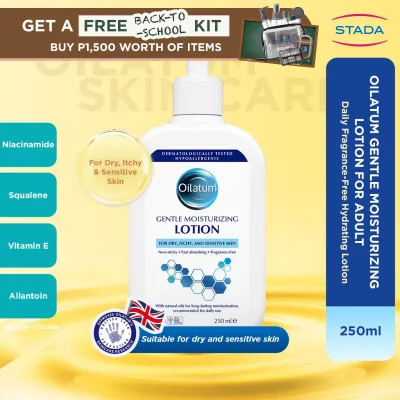
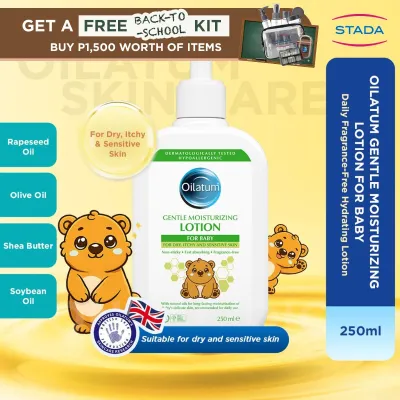
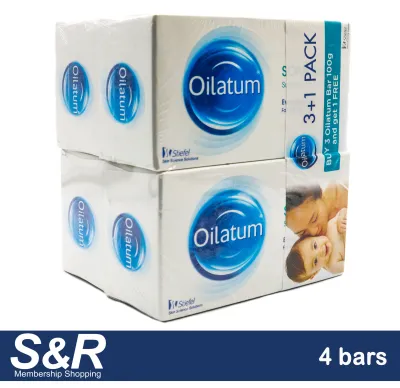
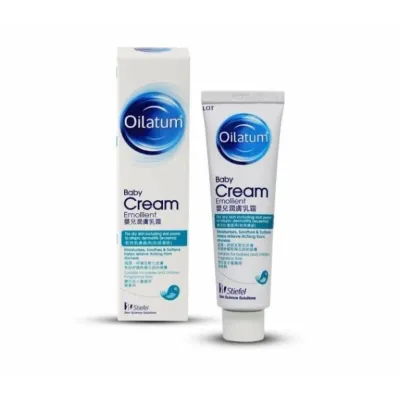
Products mentioned in this guide
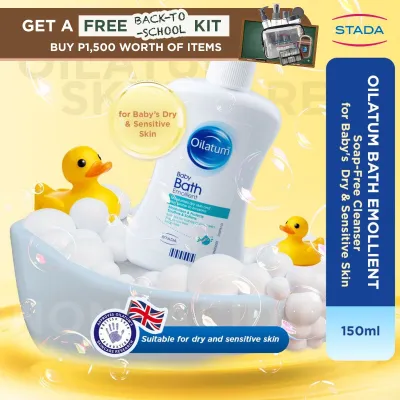
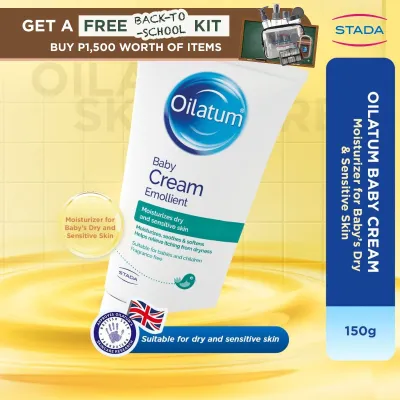
![[Bundle 2+1] Oilatum Adult Soap Bar 100g for Adults 18+ Yrs Old | Gentle Cleanser for Sensitive Skin](https://img.lazcdn.com/g/p/493aa66321e8411e761907b8c040255b.jpg_400x400q80.jpg_.webp)
![[Mom & Baby Bundle 22% OFF] Oilatum Lipolotion 100ml (18+ Yrs) + Bath Emollient 150ml (0–2 Yrs)](https://img.lazcdn.com/g/p/bf6f46c2ea362c41ba2f9af46facd0dd.jpg_400x400q80.jpg_.webp)
Prices are valid at publication and may change. Please refer to the product page for the latest price.
While learning to recognize the visual and physical differences between real and fake products is incredibly useful, counterfeiters have become highly sophisticated. Many fake items are packaged in bottles that closely mimic the original designs, making surface-level inspections helpful but not entirely foolproof. Therefore, combining physical product checks with a strict policy of purchasing only from verified, authorized retail channels is the most effective way to ensure your baby’s safety.
How to Spot Genuine Oilatum: Packaging and Texture Clues
When your online order arrives, take a few minutes to inspect the product thoroughly before opening or using it. Genuine Oilatum products are manufactured under strict quality control standards, which are reflected in the precision of their packaging. By comparing the physical characteristics of the item in your hands to known brand standards, you can identify common red flags associated with counterfeit goods.

Packaging and Labeling Quality
Start by examining the print quality on the bottle or outer cardboard box. Genuine Oilatum packaging features sharp, high-resolution text, consistent branding, and perfectly aligned logos. Counterfeit products often display blurry or pixelated printing, misaligned labels, and inconsistent font weights. Carefully read the ingredient list and product descriptions on the back of the packaging; fakes frequently contain spelling mistakes, grammatical errors, or formatting inconsistencies that would never pass an official manufacturer’s quality check.
Seals and Closures
Inspect the physical construction of the bottle, cap, and safety seals. Genuine bottles are made from sturdy, high-grade plastic with smooth, clean edges and no sharp plastic molding seams. If the product is a liquid formula, check the safety seal under the cap; it should be firmly adhered to the bottle’s rim and require uniform pressure to peel off. The pump or cap mechanism on authentic bottles should operate smoothly and seal tightly, whereas counterfeit pumps often feel flimsy, stick during use, or leak easily during transit.
Texture, Scent, and Color
The physical properties of the product itself are highly telling indicators of authenticity. Genuine Oilatum Bar, for example, is an off-white soap with a very mild, clean, and characteristic fragrance that is not overpowering. It lathers into a smooth, creamy, low-foam texture. The Oilatum Bath Formula is a clear, light-straw colored liquid emollient that disperses evenly when poured into bathwater, turning the water a uniform milky white. In contrast, counterfeit versions often exhibit ingredient separation, an unusually watery or clumpy consistency, or a strong, harsh chemical or artificial perfume odor designed to mask cheap ingredients.
Packaging Updates Caveat
It is important to note that manufacturers periodically update their packaging designs, logo placements, or sourcing information to align with global branding standards or regional regulatory updates. For example, transition of ownership or local distribution rights can result in minor variations in the text or distributor details printed on the label. A minor visual difference does not automatically mean a product is counterfeit, provided you have purchased it from a verified and trusted retail channel.
Beyond the Label: Batch Codes and Official Verification
If a visual inspection of the packaging leaves you feeling uncertain, you can look for manufacturing markings that help trace the product’s origin. Authentic manufacturers print specific tracking details on every production run, which can be verified against official records.
Locating and Inspecting Batch Codes
Every genuine Oilatum product features a unique batch code and expiration date printed directly on the packaging. On bottles, this information is typically laser-etched, dot-matrix printed, or stamped onto the bottom of the container or near the back label. On tubes or cardboard boxes, it is usually crimped or printed on the end seals. Examine the print quality of this code; on genuine items, the ink is crisp and highly durable. If the batch code smudges easily when rubbed with a damp finger, or if it appears to be printed with cheap, runny ink, the product’s authenticity is highly questionable.
Contacting the Manufacturer
If you suspect that your product is not genuine, you can reach out directly to the official distributor or manufacturer’s customer service department in the Philippines. To initiate a verification check, take clear, high-resolution photographs of the front and back of the packaging, the printed batch code, and the texture of the product itself. Send these images along with your purchase details to the brand’s official consumer care email or social media channels. The distributor can cross-reference the batch code with their manufacturing logs to confirm if that specific batch was officially produced and distributed to the Philippine market.
Understanding Limitations
While batch code verification is a valuable tool, it is important to understand its limitations. Sophisticated counterfeiters often purchase genuine products, copy the valid batch codes, and print them onto thousands of fake labels. Consequently, a batch code that appears valid in a manufacturer’s database is not a standalone guarantee of authenticity. You must always combine batch code checks with physical inspections and, most importantly, channel verification.
Where to Buy Safely: Navigating Official Stores and Authorized Sellers
The absolute best way to protect your baby from counterfeit skincare products is to buy exclusively from trusted, authorized sources. By understanding how to navigate online marketplaces and physical retail spaces, you can eliminate the risk of purchasing fake items entirely.
Prioritizing Official Channels
For guaranteed peace of mind, prioritize purchasing your baby’s skincare products from established physical pharmacies and retail chains in the Philippines, such as Watsons, Mercury Drug, or Southstar Drug. These major retailers source their inventory directly from authorized pharmaceutical distributors, ensuring a secure and fully traceable supply chain. When physical shopping is not convenient, these retailers also operate official online pharmacy platforms that offer the same level of safety.
Identifying the Oilatum Official Store Online
If you prefer to shop on major e-commerce platforms, always look for the oilatum official store or authorized flagship stores. These verified storefronts feature prominent platform-specific trust badges, such as “Mall” or “Official Store” tags, which indicate that the platform has verified the merchant’s business registration, trademark ownership, and supply chain authenticity. Avoid purchasing from generic search results that do not carry these official badges, even if the product listing uses official brand imagery.
Evaluating Third-Party Sellers
Be extremely cautious when browsing listings from unverified third-party sellers on online marketplaces. Carefully evaluate the seller’s profile by checking their overall rating, the age of the shop, and customer reviews. Look for red flags such as:
- Shops with random, alphanumeric usernames (e.g., "shop123456789").
- An absence of detailed customer reviews or reviews that appear repetitive and bot-like.
- The exclusive use of generic stock photos instead of actual photos of the inventory.
- The lack of a clear, platform-backed return and refund policy.
- Negative reviews where other parents complain about receiving expired, damaged, or suspicious products.
Assessing Price Realities
Genuine dermatological products are formulated with high-quality, clinical-grade emollients, which carry standard manufacturing, importation, and distribution costs. In the Philippines, authentic Oilatum products have a consistent retail price range. While the oilatum official store may offer legitimate promotions, vouchers, or bundle discounts during major platform sale events, these discounts typically range from 10% to 25%. If a third-party seller is offering a product at an impossibly low price—such as 50% or more below the standard retail price—it is highly likely to be a counterfeit or an expired item.
Action Plan: What to Do If You Suspect a Counterfeit
If you have already purchased an Oilatum product and suspect it is counterfeit upon delivery, taking immediate, structured action is essential for your baby’s safety and consumer protection.
Immediate Safety Step
Stop using the product immediately. Do not apply it to your baby’s skin, and do not attempt to “test” it on a small patch of their skin, as a highly concentrated chemical or contaminant can still cause severe irritation. If your baby has already been exposed to the product and shows any signs of redness, swelling, itching, or hives, wash the area gently with clean water, discontinue use, and consult a pediatrician or dermatologist immediately.
Documenting the Evidence
Before initiating any return or dispute, gather clear evidence to support your claim. Take well-lit, high-resolution photos of the product from multiple angles, focusing on the blurry print, misaligned labels, damaged safety seals, or smeared batch codes. Take photos of the product’s texture or color if it appears abnormal. Additionally, take screenshots of your order confirmation page, the seller’s storefront, and any chat conversations where the seller may have made misleading claims about the product’s authenticity.
Initiating a Refund and Reporting
Log into the e-commerce platform where you made the purchase and file an official return or refund request immediately. Select “Counterfeit/Fake Item” or “Item Not as Described” as the reason for your dispute, and upload all your documented photo evidence. Do not agree to return the physical product directly to the seller outside of the platform’s official dispute resolution system, as some fraudulent sellers may attempt to retrieve the item to destroy the evidence or avoid platform penalties.
Notifying Authorities
Report the fraudulent listing directly to the e-commerce platform’s customer support team so they can take down the store and protect other consumers. You can also report the incident to the official distributor or manufacturer, as this helps their legal teams track down and shut down counterfeit networks. For severe cases involving adverse reactions, you may also file a report with the Food and Drug Administration (FDA) of the Philippines.
Frequently Asked Questions (FAQ)
Can counterfeit Oilatum products cause allergic reactions?
Yes, counterfeit products are highly likely to cause allergic reactions and skin irritation. Because they are manufactured without regulatory oversight or safety testing, they often contain cheap industrial surfactants, unlisted fragrances, heavy metals, or contaminated water. These harsh substances easily penetrate a baby’s thin, delicate skin barrier, leading to contact dermatitis, severe rashes, itching, and potential secondary bacterial infections.
Does a missing or broken safety seal always mean the product is fake?
While a missing or broken safety seal is a major warning sign, it does not automatically mean the product is a counterfeit; it could indicate damage or tampering during transit. However, regardless of whether the product is genuine or fake, a compromised seal means the contents are no longer sterile and may have been contaminated or diluted. For your baby’s safety, you should never use a skincare product with a broken or missing seal upon delivery, and you should request a return immediately.
Are cheaper prices on online marketplaces always a sign of a fake?
Extremely low prices are one of the most reliable indicators of a counterfeit product. While authorized distributors and the oilatum official store frequently offer legitimate discounts, coupons, or bundle deals during platform-wide sales, these price cuts are always reasonable and aligned with official marketing campaigns. If a third-party seller is offering the product at an impossibly low price without any official promotional backing, the item is almost certainly counterfeit or expired.
Community discussion
Share your experience or ask a question. Comments are reviewed before publication.