
Finding the right baby wipe for a child with sensitive skin is a constant challenge for parents in the Philippines. The combination of year-round tropical heat, high humidity, and friction from diapers can easily trigger painful rashes and skin irritation. While Reach baby wipes have grown in popularity as an accessible option on local supermarket shelves and ecommerce platforms, determining whether they or competing brands are the best choice for your baby requires a methodical approach. Instead of relying on broad marketing claims of being “gentle” or “hypoallergenic,” parents must actively verify ingredient lists, evaluate the physical texture of the sheets, and monitor how their baby’s skin reacts during daily use.
Every baby’s skin barrier is unique, meaning a wipe that works perfectly for one infant might cause redness or dryness in another. This comparative guide provides a practical framework to help you evaluate Reach baby wipes against other popular brands available in the market. By understanding what to look for on product labels, how to conduct simple home tests, and how to safely introduce new products, you can make an informed decision that protects your baby’s delicate skin while staying within your household budget.
What to Look for in Wipes for Sensitive Skin
When shopping for baby wipes in a tropical climate, the ingredient list on the back of the pack is your most reliable tool. Parents should actively scan labels for the absence of known skin irritants. Alcohol, often listed as isopropyl alcohol or ethanol, should be completely avoided because it strips moisture from the skin and exacerbates dryness. Synthetic fragrances, while masking odors, are a primary trigger for allergic contact dermatitis in infants. Additionally, parents should check for the absence of harsh preservatives like parabens and phenoxyethanol, which some pediatricians recommend avoiding for newborns and babies with compromised skin barriers.
Products mentioned in this guide
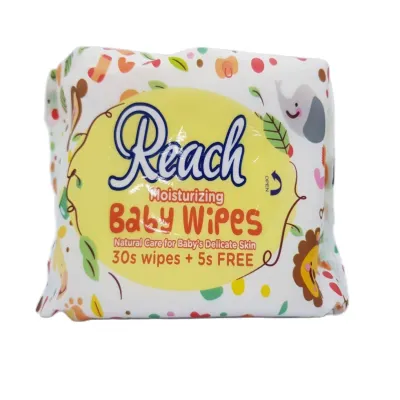
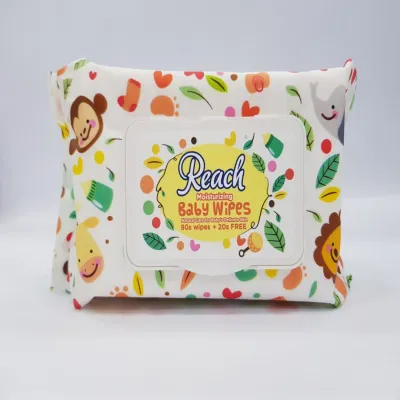
Prices are valid at publication and may change. Please refer to the product page for the latest price.
The physical material and texture of the wipe play an equally critical role in preventing diaper rash. In humid conditions, sweat and friction can weaken the outer layer of your baby’s skin, making it highly susceptible to micro-tears. A high-quality sensitive wipe should feel soft and smooth to the touch, with enough thickness to cushion the skin during wiping. Wipes with a raised or embossed texture can help lift messes with fewer passes, reducing the overall friction applied to the diaper area.
Finally, the moisture level and formulation of the liquid solution must be carefully evaluated. A wipe that is too dry will drag against the skin, causing immediate redness, while a wipe that is overly saturated might leave excess moisture behind, contributing to fungal diaper infections in humid weather. Look for formulations that list soothing, plant-derived ingredients near the top of the ingredient list, such as aloe vera, chamomile, or calendula. These natural additives can help calm minor irritation, provided they are not accompanied by hidden synthetic perfumes.
How to Compare Reach Baby Wipes With Other Brands
To determine how Reach baby wipes stack up against other popular brands in the Philippines, you can perform a direct, side-by-side comparison using observable product features. Begin with a formulation focus by placing a pack of Reach wipes next to your alternative brand of choice. Read the ingredient lists line by line. Note whether Reach or the competitor lists water as the primary ingredient—ideally comprising over 95% of the formulation. Check which specific preservatives are used in each pack; while preservatives are necessary to prevent mold and bacterial growth, some brands use milder, food-grade alternatives that are gentler on sensitive skin.

Next, conduct a physical comparison at home before committing to buying bulk cartons. Pull a single sheet from a Reach pack and one from a competing brand. Gently stretch both wipes horizontally and vertically to test their durability; a wipe that tears easily or stretches out of shape too quickly may require you to use double the amount per diaper change, increasing your overall spending. Feel the thickness of each sheet between your fingers and press them onto a dry paper towel to compare their moisture retention. A wipe that leaves a moderate, clean dampness without dripping is ideal for tropical climates.
Packaging integrity is another crucial factor that parents often overlook until they are on the go. In the Philippines, high ambient temperatures can cause poorly sealed wipe packages to dry out rapidly, rendering them useless. Compare the opening mechanisms of Reach and other brands. Look for a sturdy, plastic flip-top lid with a tight silicone seal rather than a simple adhesive sticker. A secure lid not only preserves the moisture of the wipes down to the very last sheet but also prevents environmental dust, humidity, and bacteria from contaminating the clean wipes inside your diaper bag.
Additionally, consider the overall value proposition of each brand by calculating the cost per sheet in Philippine Pesos (₱). While a lower upfront price per pack might seem appealing, a thinner wipe that tears easily often results in using more sheets per change, which quickly drives up your long-term expenses. By balancing the physical performance of the wipe with its actual cost per sheet, you can find a brand that offers both skin safety and practical economy for your household.
How to Safely Test New Wipes on Sensitive Skin
Even if a pack of Reach baby wipes or a competing brand claims to be designed specifically for sensitive skin, you should never use them immediately for a full diaper change without testing them first. Introducing a new product to an already sensitive skin barrier requires a cautious, step-by-step approach. A simple patch test is the safest way to evaluate compatibility. Take a small piece of a fresh wipe and gently dab it onto a small, discreet area of your baby’s skin, such as the inner forearm or the upper thigh, where the skin is clean and free of existing rashes.
After performing the patch test, monitor the area closely over the next twenty-four to forty-eight hours. Look for specific indicators of an adverse reaction, which can include localized redness, dry or flaky patches, tiny raised bumps, or a warm-to-the-touch sensation. If your baby shows signs of discomfort, scratches the area, or develops a visible rash, it is a clear indication that the formulation contains an ingredient that does not agree with their skin.
If any signs of irritation appear during the patch test or after subsequent diaper changes, you must stop using the wipes immediately. Wash the affected area with lukewarm water and a mild, soap-free cleanser to remove any remaining residue, then pat the skin dry with a clean, soft towel. If the redness persists, spreads, or develops into open sores, consult your pediatrician or a pediatric dermatologist for professional guidance and a targeted treatment plan.
Which Wipes Should You Choose?
Your final decision between Reach baby wipes and other popular brands should be based on your personal label verification, home testing results, and your baby’s unique skin tolerance. Choose Reach baby wipes if your careful inspection of their ingredient list confirms the absence of your baby’s known skin triggers, and if your physical tests show they offer the right balance of thickness, moisture, and durability for your daily routine. They can be a highly practical and cost-effective choice for regular diaper changes when paired with a reliable barrier cream.
On the other hand, you should opt for alternative brands if your home evaluation reveals that Reach wipes feel too thin or abrasive, or if they lack specific soothing ingredients—like organic chamomile or oat extracts—that your baby’s skin has responded well to in the past. Additionally, if you find that the packaging seal on Reach wipes does not hold up well to the humidity in your home, investing in a brand with a more robust flip-top lid may save you money by preventing dried-out waste.
Always remember that if your baby has a diagnosed skin condition, such as atopic dermatitis or eczema, standard commercial wipes may not be suitable regardless of the brand. In these cases, you must verify your choices with a healthcare professional first. Your pediatrician may advise you to temporarily bypass commercial wipes entirely, recommending instead the use of sterile cotton balls dipped in warm water, or prescribing specialized, medical-grade wipes formulated specifically for compromised skin barriers.
Frequently Asked Questions (FAQ)
Can I use regular baby wipes if my baby has sensitive skin?
Using regular baby wipes on a baby with sensitive skin is generally not recommended, especially in hot and humid climates. Standard wipes often contain synthetic fragrances, alcohol, and stronger preservatives designed to extend shelf life, all of which can easily disrupt a delicate skin barrier. When these ingredients sit on sensitive skin under a warm diaper, they can cause contact dermatitis, burning sensations, and persistent diaper rashes. If your baby is prone to skin irritation, it is always safer to choose wipes specifically labeled as fragrance-free and formulated for sensitive skin, while carefully verifying the ingredient list yourself.
Are water wipes always the best choice for sensitive skin?
Water-based wipes are highly regarded for sensitive skin because they typically contain minimal ingredients, often consisting of over 99% water and a drop of fruit extract. However, they are not a universal solution for every baby. Because water wipes contain very few or no traditional preservatives, they can have a shorter shelf life once opened and are more susceptible to bacterial growth if exposed to heat and humidity. Parents must ensure they store these wipes in a cool, dry place and use them within the manufacturer’s recommended timeframe to prevent contamination, which could itself cause skin infections.

Community discussion
Share your experience or ask a question. Comments are reviewed before publication.