
Choosing between Rascals water wipes and other baby wipes for sensitive skin depends on verifying the ingredient list, assessing the physical texture, and monitoring your baby’s individual skin response. While water-based wipes generally aim to minimize chemical exposure, no single brand offers a universal guarantee of compatibility. Parents must evaluate the specific formulation, thickness, and moisture levels of each pack to determine what works best for their child’s unique skin barrier.
In tropical climates like the Philippines, heat and humidity can exacerbate diaper rash and skin irritation. This makes the choice of daily wipes even more critical, as friction combined with trapped moisture can quickly lead to discomfort. By understanding what goes into these products and how they interact with delicate skin, you can make an informed decision that prioritizes your baby’s comfort and safety.
What Makes a Wipe Safe for Sensitive Skin?
To establish a baseline for evaluating any baby wipe, you must first understand what makes a formulation safe for sensitive or irritation-prone skin. The primary culprit behind contact dermatitis and skin irritation in infants is often the presence of unnecessary chemical additives. When reviewing packaging, look for complete ingredient transparency. A safe wipe should list water as its primary component, ideally purified through a multi-stage filtration process to remove impurities. Avoid products that contain added synthetic fragrances, alcohol (such as ethanol or isopropyl alcohol), parabens, or harsh sulfates, as these can strip the skin of its natural oils and cause painful flare-ups.
Products mentioned in this guide
![[Bundle of 6] bean Baby Wipes Fragrance Free 6 x 100 sheets](https://img.lazcdn.com/g/p/e8f0200d9e122dde52d016c8672d9a03.png_400x400q80.png_.webp)
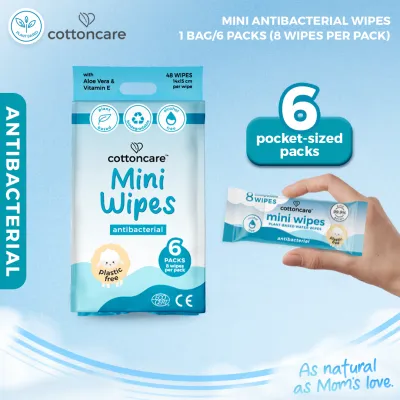
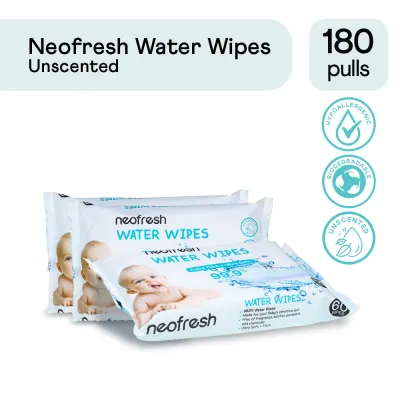
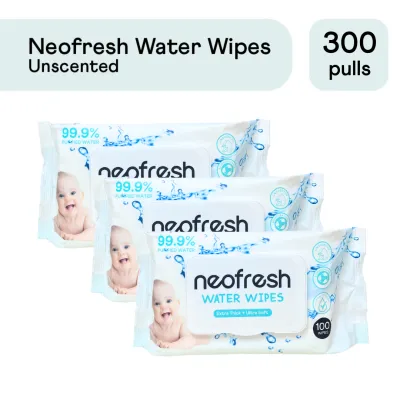
Prices are valid at publication and may change. Please refer to the product page for the latest price.
Beyond the chemical formulation, the physical properties of the wipe play a significant role in skin health. Friction from wiping is a common trigger for diaper rash. A high-quality wipe must be thick and soft enough to clean effectively with minimal passes. Wipes with an embossed or textured surface can help lift messes gently, but the material itself must remain soft to the touch. Moisture retention is equally critical; if a wipe is too dry, it increases friction against the skin, whereas if it is dripping wet, it can leave excess moisture in the skin folds, leading to skin maceration and fungal infections.
Finally, parents should approach marketing claims with a healthy degree of skepticism. Terms like “hypoallergenic,” “dermatologist-tested,” or “suitable for sensitive skin” are frequently used for marketing and are not always backed by standardized government regulations. To verify these claims, look for independent third-party certifications on the packaging, such as seals from recognized dermatological associations or allergy foundations. Always check the manufacturer’s age recommendations and specific usage instructions, as some wipes are formulated strictly for the diaper area and are not intended for use on a baby’s face or hands.
Evaluating Rascals Water Wipes for Sensitive Skin
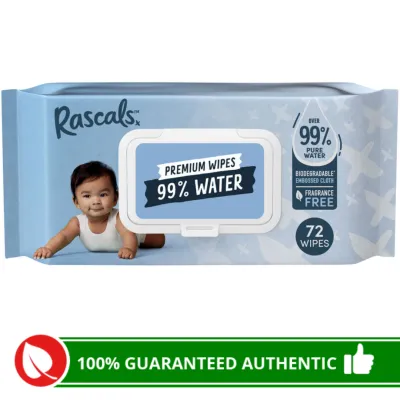
When evaluating Rascals water wipes, the first step is to perform a careful analysis of the ingredient list printed on the packaging. These wipes are designed with a focus on simplicity, utilizing a high percentage of purified water alongside minimal additional ingredients to keep the wipes fresh and stable. Parents should inspect the label to identify the specific preservatives and skin-conditioning agents used. While the formula is designed to be gentle, it is essential to verify that your baby does not have a known sensitivity to any of the minor ingredients, such as mild surfactants or botanical extracts that may be included to soothe the skin.

The physical build of Rascals wipes is another key factor to assess during daily diaper changes. These wipes are typically manufactured to be thicker and larger than standard mass-market options, which helps provide a reliable physical barrier between your hands and the mess. This added thickness means you often need fewer wipes per change, reducing the overall friction applied to your baby’s skin. During use, observe how well the wipe retains its moisture from the top of the pack to the very last sheet; consistent wetness is crucial for ensuring a gentle clean without dragging dry fabric across irritated skin.
Packaging integrity is particularly important for water-based wipes, which rely on a secure seal to prevent contamination and drying. Rascals wipes generally feature a sturdy plastic lid closure rather than a simple adhesive sticker. This design is highly beneficial in warm climates, as it helps lock in moisture and prevents airborne dust or bacteria from entering the pack. Always check the packaging for an expiration date or a “period after opening” symbol, and inspect the wipes regularly for any changes in texture or scent, which could indicate that the product has exceeded its shelf life.
Comparing Rascals to Other Baby Wipe Categories
Contrasting Rascals water wipes with standard commercial wipes highlights a clear trade-off between shelf stability and skin gentleness. Standard mass-market wipes often contain stronger preservative systems, synthetic fragrances, and alcohol to ensure they remain sterile for years and leave a pleasant scent. While convenient, these additives are common triggers for allergic reactions and diaper rash. Rascals water wipes prioritize a minimalist approach, omitting these harsh chemicals to reduce the risk of irritation, though this means they may have a shorter shelf life once opened.
When comparing Rascals to other premium water-based wipes, the differences become more subtle and depend on personal preference and physical performance. Some premium competitors use alternative fabric materials, such as biodegradable wood pulp or organic cotton, which may offer different levels of softness and environmental impact. Additionally, the specific preservative systems can vary; some brands use fruit extracts with mild antimicrobial properties, while others rely on gentle synthetic preservatives. Parents should compare the sheet size, thickness, and cost per wipe to determine which product offers the best balance of performance and value for their household budget.
To help you compare the options available at your local supermarket or preferred online marketplace, use the following checklist to evaluate different wipe brands:
| Evaluation Feature | Rascals Water Wipes | Alternative Brand A | Alternative Brand B |
|---|---|---|---|
| Primary Ingredient | Purified Water | Check label | Check label |
| Preservative System | Minimal / Mild | Check label | Check label |
| Fragrance & Alcohol | Free of both | Check label | Check label |
| Fabric Thickness | Thick / Embossed | Assess feel | Assess feel |
| Closure Type | Plastic Lid | Lid or Sticker | Lid or Sticker |
| Price per Pack | Verify locally | Verify locally | Verify locally |
How to Choose and Use the Right Wipe for Your Baby
To guide your final decision, consider a conditional framework based on your baby’s skin needs and your daily routine. Choose Rascals water wipes if you prefer a thick, durable wipe with a highly simplified ingredient list and value a secure plastic lid that prevents drying out in warm weather. Choose an alternative brand if your baby shows an adverse reaction to any ingredient in the Rascals formulation, or if you require a more budget-friendly option for high-frequency cleaning. Always verify the availability of your chosen brand at local retailers or trusted ecommerce platforms to ensure you can maintain a consistent skincare routine without sudden product switches.
Before fully integrating any new wipe into your baby’s care routine, it is critical to establish safe usage protocols. Always perform a patch test by gently wiping a small, healthy area of skin on your baby’s arm or leg with the new product. Monitor the area for 24 to 48 hours for any signs of redness, swelling, or tiny bumps. If any irritation develops, stop using the wipes immediately, wash the area with plain water, and consult a qualified pediatrician. If your baby has an active, severe diaper rash with broken or bleeding skin, discontinue the use of all commercial wipes entirely and use warm water with soft cotton balls until the skin has fully healed.
Proper storage is essential for maintaining the safety and efficacy of water-based wipes, especially in the tropical climate of the Philippines. High temperatures and ambient humidity can accelerate the growth of mold and bacteria in packs that have been opened or improperly sealed. Store your wipe packs in a cool, dry cupboard away from direct sunlight and heat sources. Ensure the plastic lid is clicked shut firmly after every use to preserve moisture. Never attempt to rehydrate dry wipes by adding tap water to the pack, as this dilutes the preservative system and introduces external contaminants directly onto the wipes.
Frequently Asked Questions (FAQ)
Can I use water wipes on a newborn's face and hands?
You can use water wipes on a newborn’s face and hands, provided you verify the manufacturer’s packaging explicitly states they are safe for facial use. The skin on a baby’s face is exceptionally thin and sensitive, making it more prone to irritation than the diaper area. When wiping the face, avoid the delicate skin around the eyes, nose, and mouth to prevent accidental contact with the eyes or ingestion of any ingredients. If you notice any redness or localized irritation after use, stop using the wipes on the face and switch to a clean washcloth dampened with cooled, boiled water.
Do water wipes need preservatives to prevent mold?
Yes, water-based wipes absolutely require a preservative system to prevent the growth of mold, bacteria, and yeast. Because standing water is a natural breeding ground for microorganisms, a completely preservative-free wet wipe would become unsafe to use within a matter of days. Safe water wipes utilize very mild, food-grade, or low-hazard synthetic preservatives to keep the product sterile while remaining gentle on sensitive skin. Parents should check the ingredient list to identify these preservatives and avoid adding any external water to the pack, which would compromise the preservative balance.
How should I store water wipes in a humid climate?
In a humid climate like the Philippines, storing water wipes correctly is vital to prevent spoilage and maintain moisture. Keep unopened packs in a cool, dark pantry rather than a warm, humid bathroom. Once a pack is opened, store it away from windows, direct sunlight, and electronic appliances that emit heat. Always press the plastic lid or adhesive seal down firmly after extracting a wipe. Before using a wipe from an older pack, inspect it visually for any discoloration or dark spots, and check for any unusual sour smells; if you detect any changes, discard the pack immediately.

Community discussion
Share your experience or ask a question. Comments are reviewed before publication.