
There is no single diaper brand that works perfectly for every baby, as the ideal choice depends on your child’s unique body shape, skin sensitivity, and your household budget. While Rascals, Pampers, Huggies, and Equator each have distinct market positioning and design focuses, determining the right fit requires evaluating how their specific features perform during your baby’s daily and nightly routines. This guide breaks down the core differences across absorbency, fit, and cost, providing a practical framework to help you select the most suitable option for your baby’s needs in the Philippines.
In a tropical climate characterized by high humidity and year-round warmth, choosing the right diaper is not just about convenience; it is a critical factor in maintaining your baby’s skin health. Excess moisture trapped against delicate skin can quickly lead to friction, heat rash, and painful diaper dermatitis. Consequently, parents must balance the need for high absorbency with breathability and physical comfort, ensuring that the diaper supports the baby’s developmental milestones without causing irritation.
Navigating the diaper aisle can be overwhelming with various product tiers, packaging claims, and price points. By understanding the design philosophies of Rascals, Pampers, Huggies, and Equator, you can look past the marketing and focus on the specific structural elements that match your baby’s current growth stage and daily activity levels.
Products mentioned in this guide
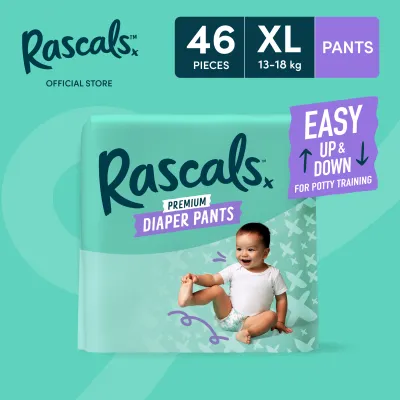
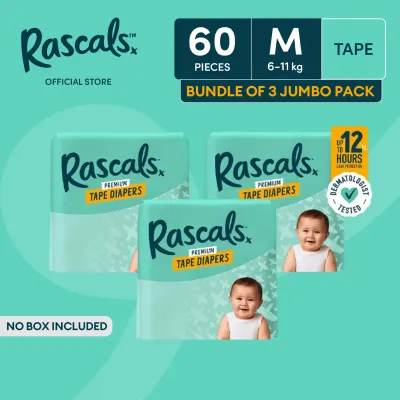
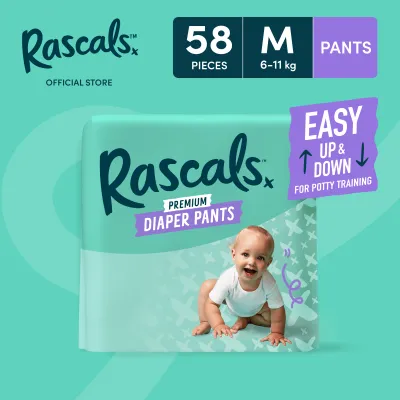
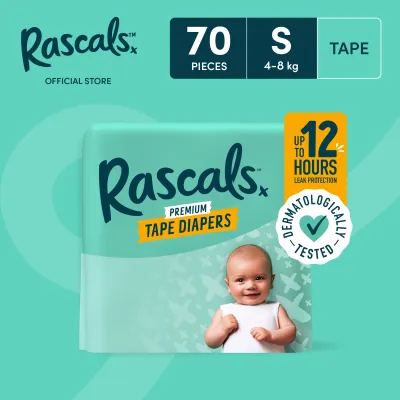
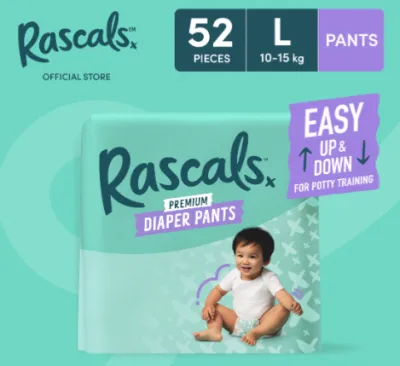
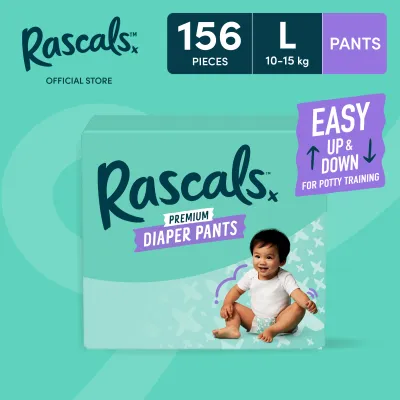
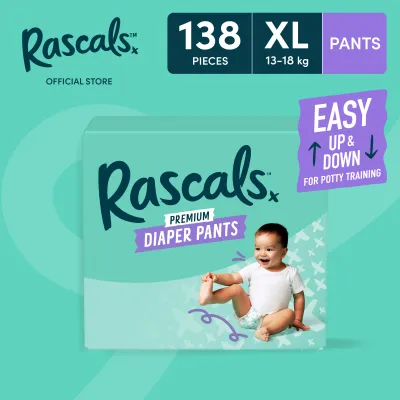
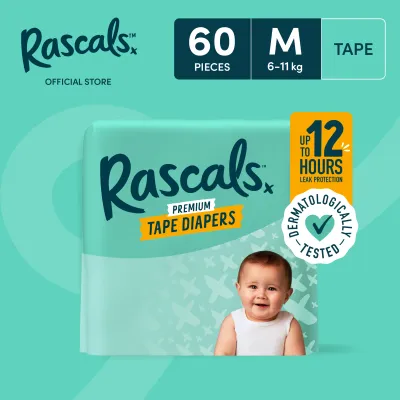
Prices are valid at publication and may change. Please refer to the product page for the latest price.
Understanding the Core Differences Between the Brands
Each diaper brand in this comparison targets a specific segment of the market, focusing on distinct design priorities to address different parenting needs. Rascals is widely recognized for its premium positioning, emphasizing exceptionally soft, gentle materials and a commitment to skin-friendly construction. The brand typically highlights features such as a high waistband, deep pocket depth, and the absence of common chemical irritants, making it a popular choice for parents who prioritize material purity and premium comfort.
Pampers, a long-standing household name, offers a highly structured product lineup designed to cater to different developmental stages and budgets. From their standard dry lines to premium care options, Pampers focuses on reliable moisture lock-away technology and slim profiles. Their diapers are engineered to adapt to a baby’s changing mobility, offering specific designs for newborns, active crawlers, and toddlers who require flexible, lightweight protection.
Huggies focuses heavily on secure fit, robust leak protection, and structural containment. Known for their signature elastic waistbands and pocketed back designs, Huggies diapers are engineered to prevent the dreaded “blowout” by trapping liquid stools before they can escape. Their product lines emphasize snug, body-hugging contours that move with active babies, making them a frequent choice for parents dealing with heavy wetters or highly active infants.
Equator occupies a distinct space by focusing on budget-friendly accessibility and practical daily utility. Designed to offer a highly economical solution, Equator diapers provide the essential functions of containment and absorbency without the added cost of premium marketing claims or specialized materials. This makes them highly suitable for families looking to manage the high volume of daily diaper changes without straining their household budget.
Because manufacturers frequently update their product lines, materials, and packaging designs, it is essential to verify current product specifications directly from the packaging. Additionally, parents should remember that brand reputation must be weighed against the specific product tier, as a brand’s economy line will perform differently than its premium offering. When comparing these brands, it is also helpful to look at how their product tiers are structured. For instance, a brand’s premium line may feature softer outer covers, improved breathability, and more advanced wetness indicators, whereas their standard or economy line might focus strictly on basic absorbency and containment. Understanding these distinctions prevents the mistake of assuming all products under a single brand name will perform identically.
Comparing Key Decision Factors
Selecting the right diaper requires looking closely at how a product’s physical design translates to daily performance. Parents can objectively evaluate and compare these brands by focusing on three main pillars: moisture management, physical comfort, and long-term affordability. Because a baby’s needs change as they grow, understanding these factors helps you adjust your choices over time.

It is also important to recognize that performance can vary significantly between a brand’s premium and economy lines. A comprehensive comparison requires looking at the specific features of each product tier to determine if the added cost translates to tangible benefits for your baby’s daily routine.
Absorbency and Leak Protection
Absorbency is the primary function of any disposable diaper, but how a diaper manages moisture depends on its core construction. When evaluating a diaper, check the packaging for details on the absorbent core technology and the presence of a wetness indicator, which changes color to signal when a change is needed. A slim profile does not necessarily mean lower absorbency, as modern superabsorbent polymers (SAP) can lock away significant amounts of liquid without adding bulk.
In the humid Philippine climate, matching absorbency to specific scenarios is crucial for skin health. For active daytime play, a slim, highly breathable diaper is often ideal, as it allows heat and sweat to escape, reducing the risk of heat rash. For overnight sleep, however, you require a diaper with a high-capacity core that can lock moisture away from the skin for up to twelve hours, ensuring uninterrupted rest for both baby and parents.
In the Philippines, where high humidity can make any diaper feel warm, the breathability of the outer cover is just as important as the absorbency of the inner core. A diaper with poor breathability traps hot air and moisture, creating a greenhouse effect inside the diaper that weakens the skin barrier. When testing a diaper, feel the outer cover to ensure it has a cloth-like, breathable texture rather than a plastic-like feel, which tends to trap heat.
Leak protection also depends heavily on the design of the leg cuffs and leak guards. Inspect the diaper for double elastic barriers around the thighs; these should fit snugly against the skin without being too tight. A high-quality leak guard acts as a physical barrier, preventing liquid from escaping during sudden movements, rolling, or crawling.
Fit, Comfort, and Skin Sensitivity
A diaper must fit securely to prevent leaks, but it must also be comfortable enough to allow unrestricted movement. Examine the elasticity of the waistband and the durability of the fastening tabs. High-quality tabs should be resealable, allowing you to adjust the fit multiple times without losing grip, while a flexible waistband should stretch easily to accommodate a baby’s expanding belly after feeding.
Skin sensitivity is a major concern, especially in warm weather where sweat can exacerbate irritation. Parents should read ingredient and material labels carefully, looking for diapers that are free from added fragrances, elemental chlorine, and natural rubber latex. If your baby has highly sensitive skin, look for brands that carry dermatological testing claims or hypoallergenic certifications on their packaging.
To check the fit of a diaper, you should be able to slide two fingers comfortably under the waistband and the leg cuffs. If the fit is too tight, it can restrict circulation and cause chafing; if it is too loose, leaks are inevitable. Additionally, pay attention to how the diaper reacts to your baby’s movements. An active baby who is rolling, crawling, or pulling up to stand requires a diaper that stretches dynamically with their body, maintaining a secure seal without restricting their natural range of motion.
The physical cut of the diaper also plays a significant role in comfort. A diaper with a narrower crotch area may offer better freedom of movement for babies who are learning to crawl or walk, preventing chafing on the inner thighs. Conversely, a wider cut provides more coverage and containment, which is often beneficial for younger infants who spend most of their time lying down.
Price and Value per Diaper
To make an informed financial decision, parents must look past the total price of a diaper pack and calculate the exact price per piece. To do this, divide the total cost of the pack by the number of diapers inside (₱ per piece). This simple calculation often reveals that larger bulk packs offer a significantly lower unit cost than smaller, convenient packs.
While buying bulk packs from online marketplaces or large supermarkets reduces the cost per piece, it requires a higher upfront investment and adequate storage space at home. On the other hand, purchasing smaller packs from local convenience stores or neighborhood sari-sari stores offers immediate convenience and lower upfront costs, though it usually comes with a premium price per diaper.
To calculate the true cost, keep a simple log of how many diapers your baby uses over a typical week. If a cheaper brand requires eight changes a day due to lower capacity or minor leaks, you will use 56 diapers a week. If a slightly more expensive brand keeps your baby dry with only six changes a day, you will use 42 diapers a week. Often, the higher-quality option ends up costing less over the course of a month because you use fewer pieces and experience fewer leaks that require washing clothes and bedding.
Additionally, consider how absorbency affects your overall monthly budget. A cheaper diaper that leaks frequently or has low absorbency will require more frequent changes and extra laundry loads, quickly erasing any initial savings. Investing in a slightly more expensive, highly absorbent diaper for overnight use can actually reduce the total number of diapers used per day, proving more cost-effective in the long run.
Decision Framework: Which Brand Should You Choose?
Choosing between these four brands depends on aligning your family’s specific priorities, budget, and your baby’s unique physical needs. Use the following guidelines to help determine which option fits your current situation:
- Choose Rascals if: Your primary focus is on premium skin comfort, exceptionally soft materials, and a high-waisted fit. This brand is highly suitable if your baby has sensitive skin that reacts easily to standard synthetic textures, and you are comfortable paying a premium price for specialized material claims.
- Choose Pampers if: You value widespread availability, reliable moisture lock-away, and a structured product range that aligns with your baby's developmental milestones. It is an excellent choice for parents who want a dependable, easily accessible diaper that offers specialized lines for both newborns and highly active toddlers.
- Choose Huggies if: Your baby is highly active, prone to heavy wetting, or frequently experiences back blowouts. The snug waistband, pocketed back design, and secure leg cuffs make this brand ideal for containing messes during active play and providing a secure, body-hugging fit.
- Choose Equator if: You are managing a strict household budget and need a highly economical option for frequent daytime changes. This brand is ideal for daytime use when you can change your baby immediately upon wetting, allowing you to save your premium diapers for overnight sleep.
Before committing to a large bulk purchase of any brand, always verify your baby’s skin compatibility. If your child has severe eczema, diagnosed skin allergies, or recurrent diaper rash, consult a pediatrician or healthcare professional to receive personalized guidance on the safest materials for their skin.
How to Test and Transition Diapers Safely
When transitioning to a new diaper brand, it is wise to start small. Avoid buying large bulk boxes initially; instead, purchase the smallest available pack or request samples to conduct a trial run over three to five days. This trial period allows you to observe how the diaper performs under real-world conditions, including daytime play and overnight sleep.
During the trial, monitor your baby’s skin and the diaper’s physical performance closely. Look for observable signs of a poor fit, such as deep red marks or indentations around the thighs and waist, frequent leaks despite correct sizing, or the diaper sagging and shifting out of place when only slightly wet. These signs indicate that the diaper’s cut or elasticity may not be compatible with your baby’s unique body shape.
Stop using the diaper immediately if you observe any adverse skin reactions, such as unexplained redness, raised bumps, hives, or skin peeling. In such cases, revert to your previous trusted brand or keep the skin bare and dry, and consult a healthcare professional or pediatrician for proper diagnosis and treatment.
Frequently Asked Questions (FAQ)
Can I mix different diaper brands for day and night use?
Yes, mixing different diaper brands is a highly practical and cost-effective strategy used by many parents. You can use a more affordable, lightweight, and breathable diaper during the day when changes are frequent and easily managed. This helps keep your baby comfortable in warm weather while keeping daily costs low.
For overnight sleep, you can transition to a premium, high-absorbency diaper designed to lock away moisture for extended periods. This ensures your baby remains dry and comfortable throughout the night, reducing sleep disruptions caused by wetness. Managing your inventory this way allows you to balance your household budget without compromising your baby’s skin health during long sleeping hours.
How do I know if a diaper is too small or too big for my baby?
You can determine if a diaper is the wrong size by performing a few simple physical checks, regardless of the weight guidelines printed on the packaging. Signs that a diaper is too small include deep red marks on your baby’s waist or thighs, frequent leaks or blowouts, the waistband sitting significantly below the belly button, or the diaper failing to fully cover your baby’s bottom.
Conversely, a diaper is too big if there is visible gaping around the leg cuffs, if the diaper sags heavily even when empty or only slightly wet, or if the waistband folds over or slides down during movement. Remember that the weight ranges on diaper packaging are general guidelines; your baby’s unique body shape, such as chubby thighs or a slim waist, is the ultimate factor in determining the correct fit.
Community discussion
Share your experience or ask a question. Comments are reviewed before publication.