
Finding the right diaper for your growing baby is a highly individualized process. While Rascals, Pampers, Huggies, and Equator are popular choices for parents looking for Small diapers, no single brand offers a universal solution for every infant. The ideal choice depends on your baby’s current weight, physical proportions, skin sensitivity, and your household budget. By understanding how to evaluate fit, compare structural features, and calculate the true cost per diaper, you can confidently select the brand that keeps your baby dry and comfortable.
Understanding the Small Diaper Size and Fit
Before comparing brands, parents must confirm if a Small diaper is the correct size for their baby’s current developmental stage. Most manufacturers print weight guidelines on their packaging, but these numbers are only starting points. A baby’s unique body shape—such as chubby thighs or a round tummy—greatly influences how a diaper fits. You should regularly check the manufacturer’s specific weight ranges on the packaging of Rascals, Pampers, Huggies, and Equator to see where your baby falls on the spectrum.
Physical indicators are often more reliable than weight charts alone. Look for red marks around your baby’s thighs or waist, which suggest the elastic is too tight and the diaper is too small. Frequent leaks, especially around the legs or up the back, can also indicate that the diaper’s capacity is overwhelmed or the fit is incorrect. Conversely, gaps between the diaper and your baby’s skin mean the size is too large, which will inevitably lead to leaks.
Products mentioned in this guide
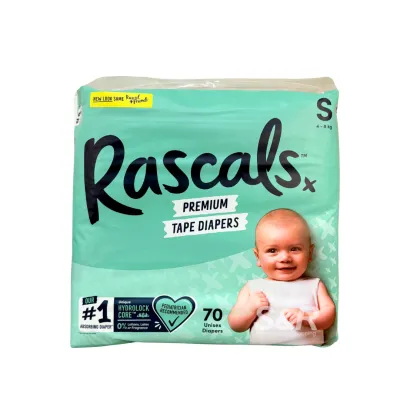
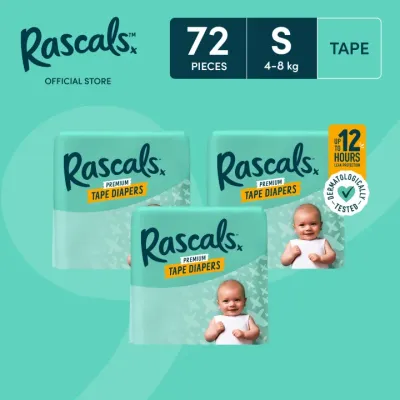
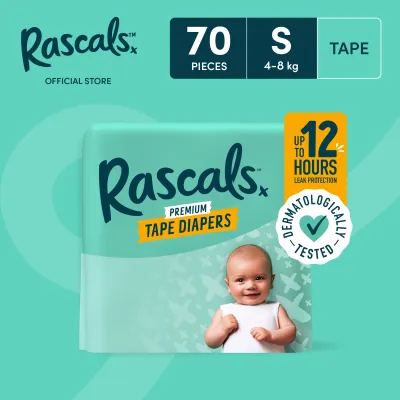
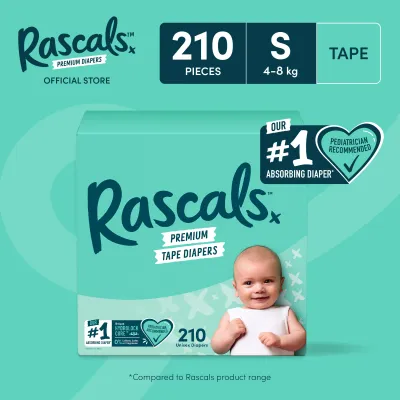
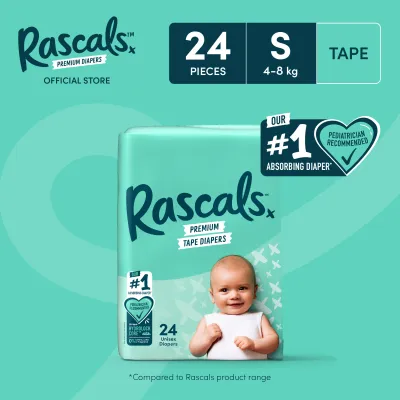
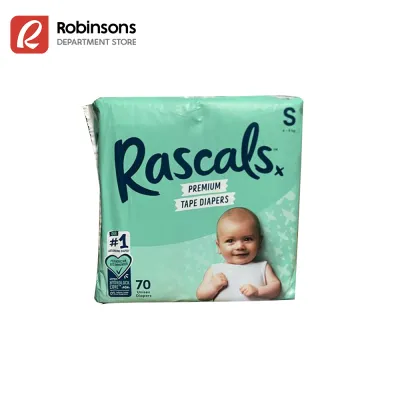
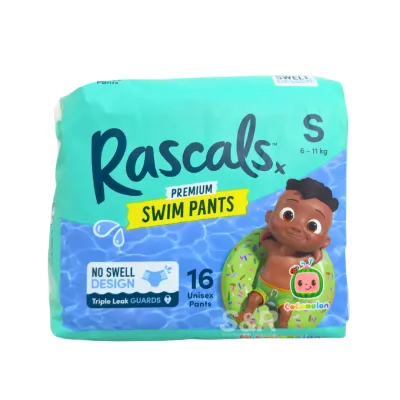
Prices are valid at publication and may change. Please refer to the product page for the latest price.
As babies become more active, their movement can shift the diaper out of place. A well-fitting Small diaper should sit symmetrically on your baby’s body, with the waistband resting just below the belly button. If you find yourself pulling the fastening tabs to their absolute limit or if the diaper constantly sags even when dry, it is time to reassess the size rather than blaming the brand’s design.
Core Feature Comparison: Rascals vs. The Competitors
When evaluating Rascals against Pampers, Huggies, and Equator, looking closely at the physical construction of each diaper reveals distinct design approaches. The waistband elasticity and fastening tab design are critical for securing a snug fit, especially during active daytime hours. Some brands feature highly stretchable backbands, while others rely on elasticized side panels or flexible tabs. You should test how easily the tabs peel and re-stick, as this affects your ability to adjust the fit during quick changes.

The thickness and overall bulkiness of the diaper profile also vary among these brands. A thinner diaper can offer more freedom of movement and may feel less bulky under lightweight clothing, which is highly beneficial in warm, tropical climates. However, a thicker diaper is sometimes preferred by parents for overnight use. You can observe how each brand drapes on your baby to determine which profile matches their daily activity level.
Wetness indicators are another practical feature to compare. These color-changing lines run down the center of the diaper, signaling when moisture is present. While most modern Small diapers include this feature, the visibility and sensitivity of the indicator can differ. Check the packaging of each brand to confirm if a wetness indicator is present, especially if you rely on visual cues for quick checks.
Finally, review the packaging claims regarding breathability and outer cover textures. In humid environments, a breathable outer cover helps manage moisture buildup inside the diaper. Feel the outer and inner linings of Rascals, Pampers, Huggies, and Equator to assess their softness. A softer, fabric-like texture can minimize friction against your baby’s delicate skin during movement.
Absorbency and Leak Protection: What to Look For
Absorbency is the primary function of any disposable diaper, but evaluating it requires looking beyond marketing claims. It is important to distinguish between total liquid capacity and absorption speed. A diaper might hold a large volume of liquid overall, but if it absorbs slowly, moisture will pool on the surface and cause leaks or skin irritation. You can observe how quickly liquid disappears into the core during changes to gauge this performance.
Real-world leak patterns provide valuable clues about how a diaper performs under pressure. If leaks consistently occur at the front, the diaper may lack sufficient absorbent material in that specific zone, or the baby’s sleeping position might require a different fit. Leaks at the back often point to an inadequate waistband seal, while leg cuff leaks suggest the elastic gathers are not fully flared outward during fastening. Monitoring these patterns during heavy wetting or overnight use will help you identify which brand’s structure works best for your baby.
To assess dryness claims, check the diaper’s inner surface with your fingers during a change after a few hours of wear. The surface should feel relatively dry to the touch, indicating that the absorbent core is successfully locking moisture away from the skin. If the inner lining feels damp or soggy, the diaper may not be managing moisture effectively for your baby’s specific wetting patterns.
If leaks persist despite choosing a highly rated brand, the solution is often an adjustment in sizing or change frequency rather than switching brands again. Sometimes, a baby is simply at the upper limit of the Small size, and moving up to a Medium diaper will resolve the issue. Increasing how often you change the diaper, especially during high-activity periods, is also a reliable way to prevent leaks and maintain skin dryness.
Skin Sensitivity and Material Safety
A baby’s skin is exceptionally thin and sensitive, making material safety a top priority for parents. When comparing Rascals, Pampers, Huggies, and Equator, always read the ingredient and material lists printed on the packaging. Look for the presence of added fragrances, lotions, dyes, or elemental chlorine bleaching processes. Some babies tolerate scented diapers well, while others develop redness or irritation from added perfumes and lotions.
Dermatological testing seals and hypoallergenic claims are common on diaper packaging, but these standards can vary. Parents should verify these claims by checking the specific certifications or testing bodies listed by the manufacturer. Keep in mind that even diapers labeled as hypoallergenic can occasionally cause a reaction if a baby has an individual sensitivity to a specific component.
When switching between diaper brands, closely observe your baby’s skin for any signs of irritation. Look for localized redness, raised bumps, or heat rash, particularly in areas where the diaper fits tightly, such as the waistband and leg cuffs. In tropical climates, high humidity can trap sweat under the diaper, exacerbating friction and leading to heat rash.
If you notice persistent skin irritation, redness, or a diaper rash that does not improve with frequent changes and barrier creams, consult a pediatrician or qualified healthcare professional. Do not rely on changing diaper brands as a substitute for medical advice. A professional can help identify whether the rash is caused by a material sensitivity, a yeast infection, or environmental factors like heat and humidity.
Price and Value Assessment
Managing the ongoing cost of diapers requires a practical approach to budgeting. Instead of simply comparing the total price of a pack, parents should calculate the cost per diaper. To do this, divide the total price of the package by the number of diapers inside. This calculation allows you to make an accurate comparison between different pack sizes and brands, ensuring you see the true value of your purchase in local currency (₱).
It is also essential to factor in change frequency when assessing value. A cheaper diaper that leaks frequently or feels damp quickly will require more frequent changes, leading you to use more diapers overall. Conversely, a slightly more expensive diaper with high absorption efficiency might keep your baby dry longer, reducing the total number of diapers used per day. Track your daily usage over a week to determine which option is truly more cost-effective.
Buying options also impact your overall expenses. Compare the cost of bulk boxes against smaller trial packs available in local supermarkets and online stores. While bulk packs generally offer a lower cost per diaper, buying a large quantity before confirming the fit can lead to wasted money if your baby suddenly outgrows the size or develops a skin reaction.
Look for legitimate subscription discounts, loyalty programs, or bundle deals offered by reputable retailers to lower your costs. Many online marketplaces provide recurring delivery options that discount the unit price. However, ensure these deals do not lock you into a specific size for too long, as babies transition out of the Small size quickly during their first year.
Decision Framework: Which Small Diaper Should You Choose?
Choosing the right Small diaper involves balancing your baby’s physical needs with your practical household requirements. You might choose Rascals if you prefer a diaper with a specific soft texture and a fit that aligns well with your baby’s waist and thigh proportions. Rascals is often favored by parents who value a generous cut and specific material choices that fit within their target budget.
On the other hand, you might choose Pampers, Huggies, or Equator if their specific design features, such as specialized wetness indicators or unique pocketed waistbands, better suit your daily routine. Additionally, local availability is a major factor; if a brand is consistently stocked at your nearest supermarket or preferred online marketplace, it may be the most practical choice to avoid sudden shortages.
If your baby experiences persistent leaks or skin irritation with all of these options, the issue may not be the brand itself. Verify if you need to size up to accommodate your baby’s growth, or consult a professional to rule out skin conditions. A diaper that is too small will leak and cause friction regardless of its brand or design features.
Before committing to a bulk purchase of any brand, always test a small pack first. This allows you to confirm the physical fit, observe how your baby’s skin reacts to the materials, and evaluate the diaper’s real-world absorbency. Testing a trial size minimizes financial waste and ensures you find the most comfortable, reliable option for your baby’s daily wear.
Frequently Asked Questions (FAQ)
How do I know when it is time to size up from Small diapers?
Several clear signs indicate your baby has outgrown the Small size. If your baby’s weight is approaching or exceeding the upper limit listed on the packaging, it is time to prepare for a transition. Physical signs include red marks or deep indentations on your baby’s waist or thighs from the elastic bands. You may also notice the fastening tabs sit far apart near the hips rather than meeting easily near the center. Finally, if you experience sudden, frequent leaks or blowouts that did not occur previously, the diaper’s capacity is likely no longer sufficient.
Can I mix different diaper brands for daytime and nighttime use?
Yes, mixing diaper brands is a highly practical strategy for many families. You can use a more budget-friendly brand for daytime hours when changes are frequent and easy to manage. For nighttime or long outings, you can switch to a brand that offers a thicker core or specific overnight leak protection features. If you choose this approach, ensure both brands fit your baby well to prevent leaks, and monitor your baby’s skin consistently to ensure they do not experience irritation from switching between different materials.
Community discussion
Share your experience or ask a question. Comments are reviewed before publication.