
Choosing the right diaper is a highly individual process that directly impacts your baby’s daily comfort and skin health. The ideal diaper depends on your baby’s unique physical proportions, skin sensitivity, and active development stages. For instance, a diaper that fits perfectly on a slender, highly active crawler during the day might not provide the heavy-duty absorbency required for a chunky infant during long overnight stretches.
In the Philippine market, Rascals, Pampers, Huggies, and Equator each occupy distinct positions designed to address different parenting priorities. Rascals and Equator generally focus on delivering reliable everyday performance and essential comfort at a highly competitive price point, making them popular choices for frequent daytime changes. Conversely, Pampers and Huggies frequently emphasize advanced, proprietary absorbency technologies and highly specialized structural fits engineered to handle heavy wetters and active movement.
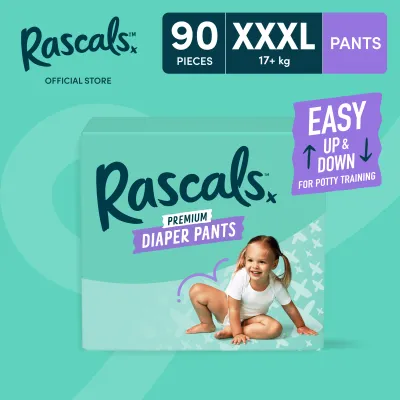
To simplify your decision, consider a condition-based approach: choose Rascals if you need a high-waisted diaper to prevent back blowouts during the day; select Equator for straightforward, budget-friendly comfort; opt for Pampers if you prioritize a slim, fast-wicking fit for an active baby; or choose Huggies if your baby has a rounder build and requires maximum overnight protection with highly flexible waistbands.
Products mentioned in this guide
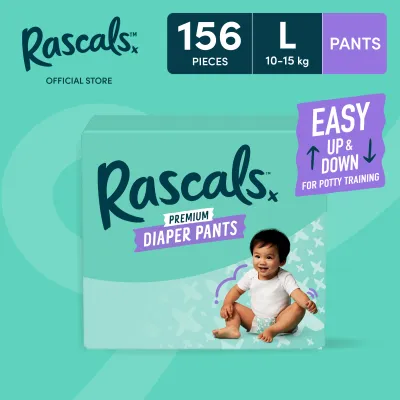
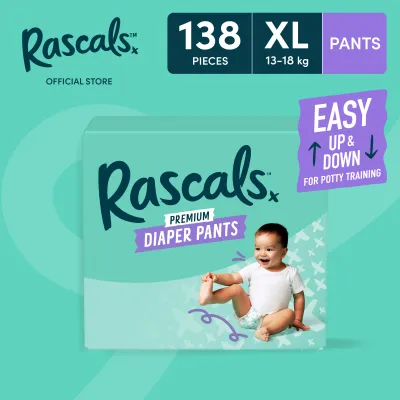
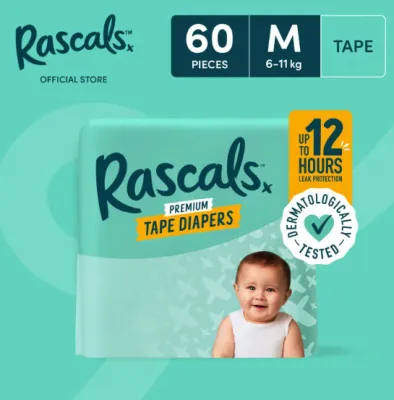
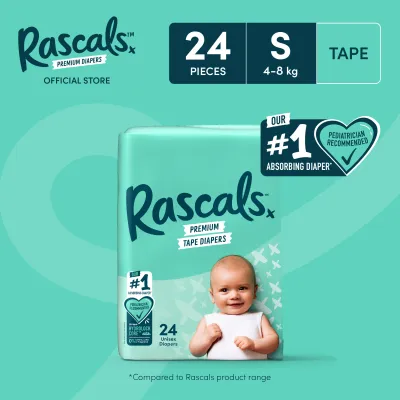
Prices are valid at publication and may change. Please refer to the product page for the latest price.
Absorbency Comparison: Leak Protection and Dryness
The primary job of any diaper is keeping wetness away from your baby’s delicate skin to prevent discomfort and irritation. In the hot and humid climate of the Philippines, where sweat and moisture can quickly compromise the skin barrier, absorbency efficiency is a critical factor for parents to evaluate.
Rascals and Equator: Core Absorbency Features
Both Rascals and Equator diapers rely on a combination of standard fluff pulp and superabsorbent polymer (SAP) distribution to manage daily wetness. SAP consists of tiny, highly absorbent beads that lock in liquid and turn it into a stable gel, preventing wetness from squeezing back onto the skin when your baby sits or rolls over.
When evaluating these brands, caregivers should check the product packaging for practical features such as wetness indicators and standing leak guards. Wetness indicators change color to signal when a diaper is wet, while standing leak guards are the raised inner ruffles designed to contain liquid near the leg openings.
To assess performance in real-world conditions, parents should observe how long the diaper’s inner lining stays dry to the touch during regular daytime use. You can perform a simple check by gently pressing a dry tissue against the inner lining during a diaper change; if the tissue remains dry, the core is wicking moisture effectively. Additionally, monitor the diaper for sagging; when the absorbent core hangs low between the legs, it indicates the material is reaching its saturation limit, which can lead to leaks and restrict your baby’s natural movement.
Pampers and Huggies: Advanced Moisture Management
Pampers and Huggies frequently incorporate specialized absorbency layers and proprietary channel designs engineered to pull moisture away from the skin rapidly. These designs often feature multi-channel distribution networks that spread liquid evenly throughout the diaper core rather than letting it pool in a single spot, which helps maintain a dry surface and reduces bulkiness.
These premium brands also utilize specialized topsheets with unique textures designed to absorb both liquid and runny stool quickly. Dual-layer leak guards around the leg openings provide an extra barrier of protection, which is particularly beneficial for heavy wetters or during long periods of sleep.
However, absorbency capacity and wicking speed can vary significantly between a brand’s basic and premium offerings. For example, standard tiers may rely on more traditional fluff-pulp designs, while premium tiers feature advanced channel technologies. Parents should always verify specific product lines—such as Pampers Baby-Dry versus Pampers Premium Care, or Huggies Dry versus Huggies Ultra—to match the absorbency level with their baby’s specific output and developmental stage.
Fit and Sizing: Finding the Right Shape for Your Baby
A diaper can feature highly advanced absorbent materials, but if the fit is incorrect, leaks and blowouts are inevitable. Because babies have diverse body shapes—some with round bellies, others with chunky thighs—finding a brand that matches your baby’s physical proportions is essential for preventing discomfort.

Cut and Elasticity Differences Across Brands
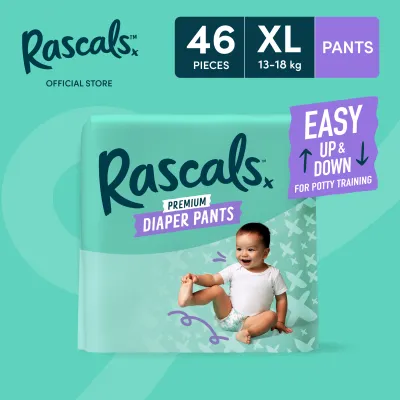
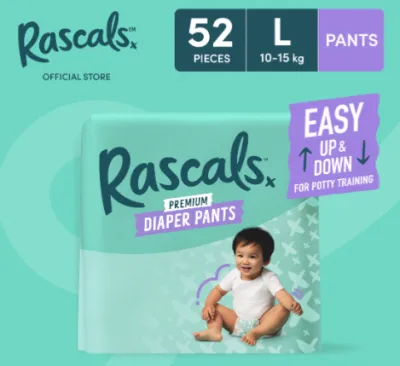
Diaper brands differ significantly in their overall cut, waistband height, and elasticity. Rascals diapers are characterized by a high waistband and a deep pocket design, which is highly effective at preventing blowouts up the back. Equator typically offers a more traditional, straightforward cut with standard elasticity, focusing on a simple and functional shape.
Pampers often features a slimmer, more contoured fit that sits neatly under clothing, making it a popular choice for parents who prefer less bulk. Huggies is widely recognized for its highly elastic waistband and flexible side panels, which stretch comfortably to accommodate movement while maintaining a secure seal.
Stretchy side panels and flexible waistbands are crucial for active, crawling, or walking babies, as they allow the diaper to move with the baby’s body rather than gapping. It is important to remember that while sizing categories like Medium or Large are based on weight ranges printed on the packaging, the actual fit depends heavily on your baby’s specific thigh circumference and waist proportions. A baby who falls comfortably within the recommended weight range of a specific brand may still experience leaks if their thighs are too slender for the leg cuffs or if their belly is too round for the waistband.
How to Check for Proper Fit and Prevent Red Marks
To ensure your baby’s diaper fits correctly and safely, caregivers can use a simple physical checklist during every diaper change:
- The Two-Finger Test: After fastening the diaper, slide two fingers comfortably under the waistband. If you cannot fit two fingers, the diaper is too tight and may cause discomfort; if the space is wider than two fingers, the diaper is too loose, which can lead to waist leaks.
- The Cuff Check: Run your finger along the inner and outer leg ruffles after putting the diaper on. Ensure the ruffles are pulled completely outward to create a proper seal around the thighs; tucked-in cuffs are a primary cause of leg leaks.
- The Skin Inspection: Upon removing the diaper, check your baby's skin for deep red marks or indentations around the waist, hips, and thighs. Persistent red marks indicate the elastic is digging into the skin, signifying that the diaper is too tight or the shape is unsuitable.
If leaks persist despite the diaper being applied correctly and the baby being within the recommended weight range, it is often a sign that you need to size up or switch to a brand with a different cut. Sizing up provides a larger absorbent core and longer leak guards, which can quickly resolve recurring leakage issues.
Comfort and Skin Sensitivity: Materials and Breathability
In the tropical climate of the Philippines, high temperatures and humidity make diaper breathability a non-negotiable comfort factor. Trapped heat and moisture can quickly compromise the skin’s natural barrier, increasing the risk of diaper rash and general discomfort.
Surface Softness and Breathability Features
When comparing diaper materials, parents should look for cloth-like, cotton-soft outer covers rather than stiff, plastic-like backsheets, which tend to trap heat and sweat. Premium diaper lines often incorporate micro-pores or designated breathable zones in the outer cover that allow hot air and moisture to escape while keeping liquid safely locked inside.
Caregivers should physically feel the inner topsheet of the diaper to evaluate its softness. Many modern diapers feature embossed patterns, such as 3D bubbles or honeycomb textures, on the inner lining. These patterns serve a practical purpose by reducing the surface area in direct contact with your baby’s skin, which minimizes friction and keeps wetness from clinging to the skin.
Evaluating Skin Reactions and When to Switch
While packaging claims such as “hypoallergenic,” “fragrance-free,” or “dermatologically tested” are helpful indicators of a diaper’s formulation, they are not absolute guarantees of safety. Every baby’s skin is unique, and some infants may still react to specific materials, adhesives, or trace ingredients. Parents must always verify these claims against their baby’s actual skin reaction over several days of continuous use.
If your baby develops a mild diaper rash, follow standard pediatric care protocols to manage the irritation:
- Increase Change Frequency: Change the diaper immediately after it becomes wet or soiled to minimize skin contact with urine and stool.
- Allow Air Time: Let your baby go diaper-free on a clean, waterproof mat for short periods throughout the day to allow the skin to dry completely.
- Apply a Barrier Cream: Use a thin layer of a zinc oxide-based barrier cream during changes, following the manufacturer's instructions, to protect the skin from moisture.
Safety Warning: If you observe severe redness, blistering, skin peeling, bleeding, or if a mild rash does not improve after a few days of careful management, stop using the diaper brand immediately and consult a qualified pediatrician or healthcare professional for a proper diagnosis and treatment plan.
Evaluating Value and Daily Usage in the Philippines
Managing diaper costs is a significant part of a household budget, especially during the early years when babies require frequent changes. To determine the true cost-effectiveness of a brand, do not rely solely on the retail price of the package; instead, calculate the cost per diaper.
To find the cost per diaper, divide the total package price (in Philippine Pesos, ₱) by the exact number of diapers inside. Bulk boxes or club packs generally offer a significantly lower cost per unit than small convenience packs. While convenience packs are highly accessible at local sari-sari stores, they often carry a higher unit price and are best reserved for emergencies or short trips.
In terms of local availability, Pampers and Huggies are widely accessible across the Philippines, stocked in major supermarkets (such as SM Supermarket, Robinsons, and Puregold), local drugstores (like Watsons and Mercury Drug), and official online flagship stores. Rascals and Equator are commonly found on major online marketplaces and select retail partners. Utilizing subscription or auto-replenishment options on official e-commerce platforms can secure additional discounts and ensure a steady supply of heavy-use items.
When evaluating value, parents must balance the upfront cost per piece with the diaper’s real-world performance. A highly affordable diaper that leaks frequently may require extra changes, additional laundry cycles, and more rash creams, ultimately costing more in time and money than a slightly more expensive diaper that keeps your baby dry and secure for hours.
Final Verdict: How to Choose Based on Your Baby's Needs
Selecting the right diaper brand involves matching your baby’s physical build, skin sensitivity, and daily routine with the specific strengths of each brand. Use this condition-based framework to guide your final choice:
- Choose Rascals if: Your baby has standard proportions, and you need a diaper with a high waistband and deep pocket to prevent back blowouts during active daytime play, while prioritizing a reliable, budget-friendly option.
- Choose Equator if: You prioritize straightforward, everyday comfort and soft materials for frequent daytime changes, and you want a highly economical option without paying for premium overnight features.
- Choose Pampers if: Your baby is highly active and prefers a slim, non-bulky diaper that allows easy movement, and you need fast-wicking technology to keep skin dry during the day.
- Choose Huggies if: Your baby has a rounder belly or chunkier thighs and requires highly elastic waistbands and stretchy side panels to prevent side leaks, or if you need robust, high-capacity absorbency for overnight sleep.
Before committing to large, bulk purchases of any new diaper brand or size, always buy a small trial pack or request samples. Testing a small quantity allows you to verify how the diaper fits your baby’s unique body shape and how their skin reacts to the materials under local weather conditions.
Frequently Asked Questions (FAQ)
Can I mix different diaper brands for day and night use?
Yes, mixing different diaper brands is a highly practical and safe strategy used by many parents in the Philippines. Because daytime changes are frequent—typically every 2 to 3 hours—you can use highly breathable, cost-effective diaper brands like Rascals or Equator during the day to manage costs. For overnight stretches, you can switch to premium, high-capacity variants of Pampers or Huggies to ensure your baby remains dry and comfortable, promoting uninterrupted sleep and preventing morning leaks.
How do I know if my baby needs to size up in Rascals or other brands?
Your baby may need to transition to the next diaper size if you observe any of the following physical indicators:
- Frequent leaks or blowouts occur despite the diaper being applied correctly.
- Deep red marks or indentations are left on your baby's waist, hips, or thighs after removal.
- The diaper waistband sits significantly below your baby's belly button, indicating a low-rise fit.
- The fastening tapes must be secured at the very outer edges of the landing zone.
- Your baby's weight is approaching or has exceeded the upper weight limit printed on the packaging.
Always test the new size with a small pack first, as sizing transitions and physical cuts can vary significantly between different brands.
Community discussion
Share your experience or ask a question. Comments are reviewed before publication.