
Selecting the right diaper for your growing baby in the Medium size range involves balancing reliable liquid retention with a gentle, non-irritating texture. While Rascal & Friends, Pampers, Equator, and Huggies all offer distinct designs, the ideal choice depends on your baby’s unique shape, skin sensitivity, and daily activity levels. By understanding how to evaluate absorbency layers, material softness, and physical fit, you can confidently select a diaper that keeps your baby dry and comfortable throughout the day and night.
Defining Absorbency and Softness for Daily Use
To make an informed choice, it is essential to understand what diaper packaging claims actually mean for your baby’s daily comfort. When manufacturers highlight features like “3D core technology,” “absorption channels,” or “double leak guards,” they are referring to the structural design of the diaper. Absorption channels are designed to distribute liquid evenly throughout the core, preventing the diaper from sagging in one spot. Leak guards are the raised elastic barriers along the leg openings that help contain sudden liquid surges before they can escape onto clothing.
Material descriptions also require careful interpretation. Terms like “cotton-like” or “cottony soft” generally indicate that the topsheet and backsheet are made from synthetic non-woven fibers, such as polypropylene, which have been processed to feel soft to the touch. If a packaging label mentions “bamboo-blend” or “organic materials,” it typically refers to the presence of rayon or viscose fibers derived from plant sources. Understanding these material compositions helps you anticipate how the diaper will feel against your baby’s skin.
Products mentioned in this guide
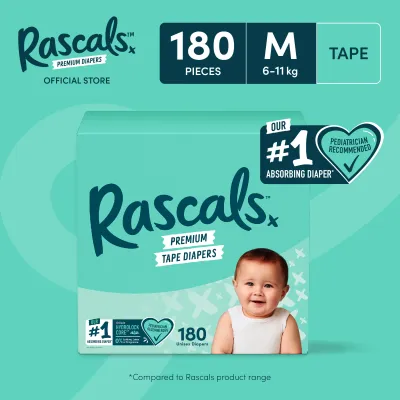
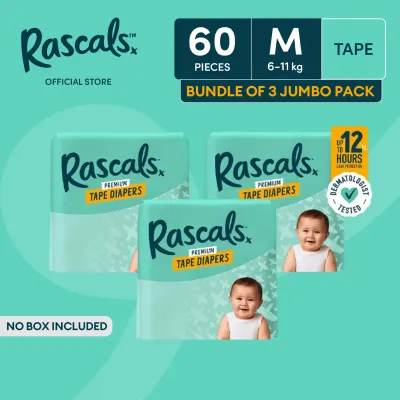
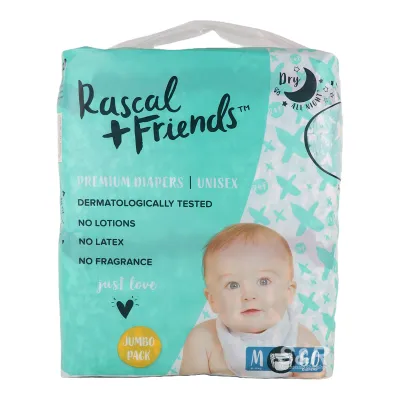
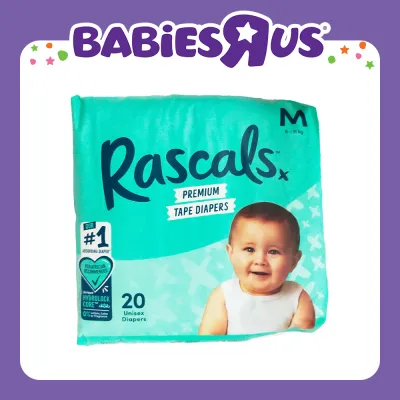
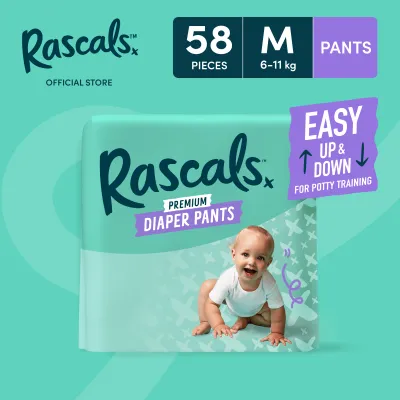
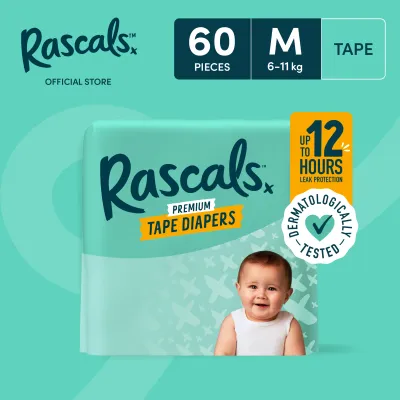
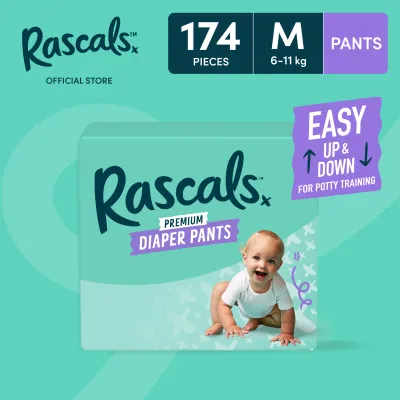
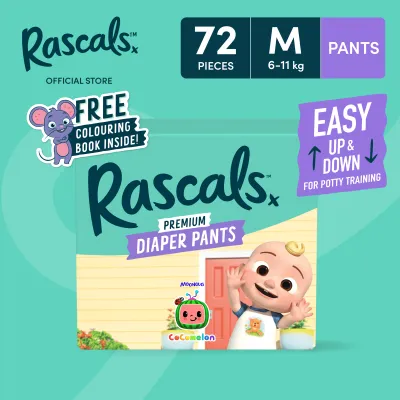
Prices are valid at publication and may change. Please refer to the product page for the latest price.
There is also a practical difference between total liquid capacity and the speed of absorption. Total capacity refers to the maximum amount of liquid the superabsorbent polymer (SAP) inside the core can hold over several hours. Speed of absorption, or strike-through time, is how quickly the liquid passes through the topsheet and into the core. In warm, humid tropical climates like the Philippines, a fast absorption speed is critical to prevent moisture from sitting against the skin, which can quickly lead to heat rash or diaper dermatitis.
Comparing Absorbency Specifications and Real-World Checks
Evaluating the absorbency of Rascal & Friends, Pampers, Equator, and Huggies requires looking beyond marketing claims and performing practical checks. Start by examining the diaper packaging for weight ranges and core technology indicators. Medium sizes typically cover a broad weight range, but the internal core design determines how well the diaper manages liquid. Some brands include a wetness indicator—a strip that changes color when wet—which can be a helpful visual cue for timely changes.

To compare absorbency at home, you can conduct a simple, safe test using a measured amount of lukewarm water. Lay a clean diaper flat on a waterproof surface and slowly pour approximately 100 to 150 milliliters of water onto the center of the topsheet, simulating a few typical voids. Wait for one minute to allow the core to absorb the liquid, then press a dry paper towel firmly against the topsheet. If the paper towel remains dry, the diaper’s core is successfully locking away moisture; if the towel becomes wet, the diaper may have a slower absorption speed or lower retention capability.
Real-world observation is equally important, especially after a long night of sleep or a heavy feeding session. When you change your baby, inspect the diaper for signs of sagging or clumping. Sagging occurs when the wet core pulls downward, which can gap the waistband and lead to leaks. Clumping happens when the absorbent material breaks apart into lumps, leaving dry areas and saturated areas separated. A high-performing diaper core should maintain its structural integrity and distribute wetness evenly even when fully saturated.
Evaluating Material Softness and Skin Comfort
A diaper’s softness directly impacts your baby’s skin health, especially during active daytime play and long overnight stretches. Before putting a diaper on your baby, perform a tactile check of both the inner topsheet and the outer backsheet. Run your fingers over the inner lining to ensure it feels smooth and free of rough edges. The outer backsheet should feel breathable and fabric-like; a stiff, plasticky backsheet can trap heat and sweat, increasing the risk of friction and irritation in warm tropical weather.
Parents of babies with sensitive skin should also check the packaging for specific ingredient and manufacturing claims. Look for labels indicating that the diaper is fragrance-free, lotion-free, or elemental chlorine-free (ECF). Fragrances and lotions are sometimes added to mask odors or soothe skin, but they can occasionally trigger allergic reactions or contact dermatitis in sensitive infants. Verifying these claims on the packaging helps you minimize exposure to potential skin irritants.
After your baby wears a specific brand for a few days, closely monitor their skin during diaper changes. Look for localized redness along the waistline, friction marks around the thighs, or any signs of diaper rash. If you notice persistent redness or irritation, it may be a sign that the diaper’s materials are rubbing against the skin or that the breathability is insufficient for your local climate. Always stop using a brand if you suspect it is causing skin irritation, and consult a pediatrician for guidance.
Medium Size Fit and Leak Prevention
The physical cut and sizing scale of a diaper play a massive role in preventing leaks and ensuring overall comfort. Although “Medium” is a standard industry size, the actual physical dimensions and weight limits vary significantly among Rascal & Friends, Pampers, Equator, and Huggies. For instance, one brand’s Medium might be designed for babies weighing 6 to 11 kilograms, while another might target 7 to 12 kilograms. Always verify the weight range printed on the packaging before purchasing a new pack.
The elasticity of the waistband and leg cuffs is another critical factor to check. The elastic should be stretchy enough to provide a snug, secure seal against leaks, yet gentle enough to prevent deep red marks on your baby’s skin. When fitting the diaper, you should be able to run two fingers comfortably under the waistband and around the leg cuffs. If the diaper leaves deep indentations, it is either fastened too tightly or your baby is ready to transition to a larger size.
Properly adjusting the fastening tabs can accommodate different baby body shapes, such as chunky thighs or a longer torso. For babies with rounder tummies and slimmer legs, you may need to angle the tabs slightly downward to secure the waist while keeping the leg openings snug. For babies with chunky thighs, angling the tabs slightly upward can loosen the leg openings while keeping the waist secure. Taking the time to adjust the fit during each change helps maximize the diaper’s leak-prevention capabilities.
Decision Framework: Choosing the Right Diaper for Your Baby
Selecting the right diaper involves weighing your real-world observations against your baby’s specific needs and your household budget. Consider choosing Rascal & Friends Medium if you prefer a diaper with a wider cut, a high waistband, and deep pocket designs, and if the local price per piece (₱) aligns with your budget. This design can be particularly beneficial for babies with rounder shapes or those prone to up-the-back blowouts.
Alternatively, you may want to choose Pampers, Equator, or Huggies if your baby benefits from a thinner, more contoured fit, or if you prefer features like wetness indicators and specific channel designs. These brands are also widely available in local supermarkets, pharmacies, and online marketplaces across the Philippines, making them highly convenient options for busy parents who need a reliable, easily accessible supply.
Before making a permanent switch to any new diaper brand, verify if your baby has any known skin allergies or sensitivities by consulting a pediatrician. If you experience frequent leaks or blowouts despite adjusting the fit and tabs, your baby may currently be between sizes. In such cases, transitioning to a larger size or trying a different brand’s cut can often resolve the issue and restore reliable leak protection.
Frequently Asked Questions (FAQ)
How often should I change a Medium diaper to prevent rashes?
To maintain optimal skin health and prevent diaper rash, it is generally recommended to change your baby’s diaper every two to three hours during the day. If the diaper has a wetness indicator, you can use it as a helpful visual guide, but you should also perform regular physical checks. Regardless of the time elapsed, always change the diaper immediately following a bowel movement to prevent skin irritation from prolonged exposure to moisture and enzymes.
Can I mix different diaper brands for day and night use?
Yes, mixing different diaper brands for daytime and nighttime use is a highly practical strategy used by many parents. For active daytime hours, you might choose a lighter, more breathable diaper that allows for easy movement and frequent changes. For overnight sleep, you can opt for a diaper with a thicker core and higher total liquid capacity to ensure your baby remains dry and undisturbed throughout the night.
Community discussion
Share your experience or ask a question. Comments are reviewed before publication.