
Finding the right diaper for your baby often feels like an ongoing experiment, especially when comparing popular options like Pyrenva, Pampers, Equator, and Huggies. Without standardized, independent laboratory testing, it is impossible to declare a single brand as universally superior. The ideal choice depends entirely on matching each brand’s specific design features to your baby’s unique wetting patterns, body shape, and skin sensitivity. By understanding how to evaluate absorbency, fit, and comfort, you can make an informed decision that keeps your little one dry and comfortable throughout the day and night. This guide outlines the core comparison criteria to help you assess these brands based on their product specifications and real-world, observable performance.
Understanding the Contenders and Their Design Focus
To make a smart comparison, caregivers must first look at how Pyrenva, Pampers, Equator, and Huggies position themselves in the market. Each brand designs its products with specific goals in mind, which you can identify by carefully reading their packaging and official product descriptions. Some lines focus heavily on maximum dryness for overnight use, while others prioritize ultra-thin materials for daytime flexibility or budget-friendly bulk packaging for cost-conscious households.
When evaluating these options, it is essential to look beyond the brand name and examine the specific product lines. For instance, most major manufacturers offer both basic and premium tiers. A basic tier might focus on simple leak protection and affordability, whereas a premium tier often features advanced materials, softer topsheets, and enhanced elasticity. Understanding these distinctions prevents you from comparing a budget-friendly line of one brand against a premium line of another.
Products mentioned in this guide
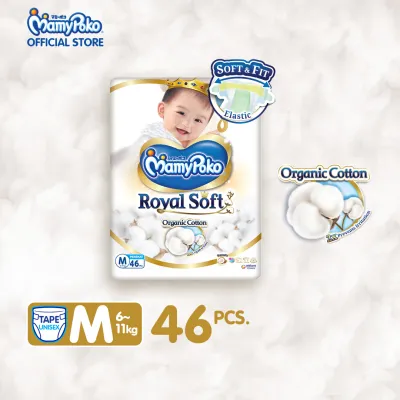
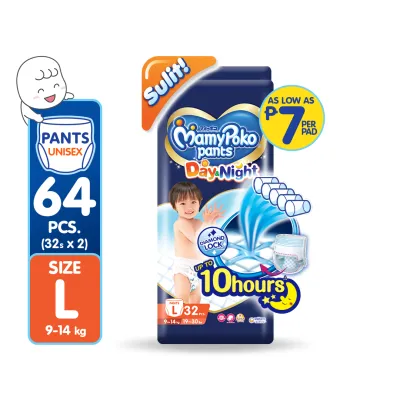
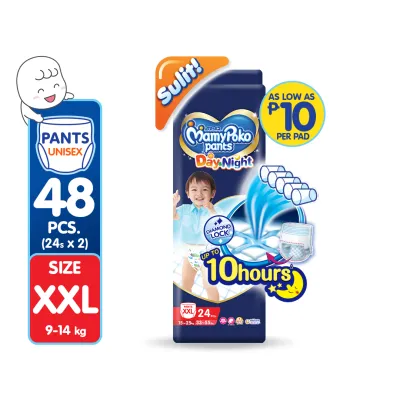
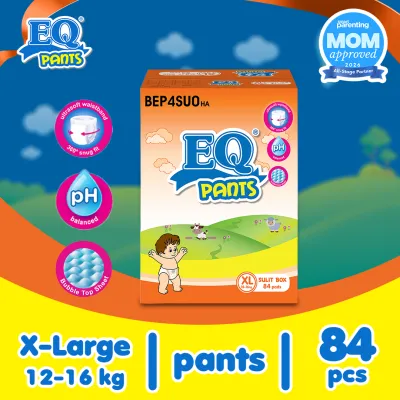
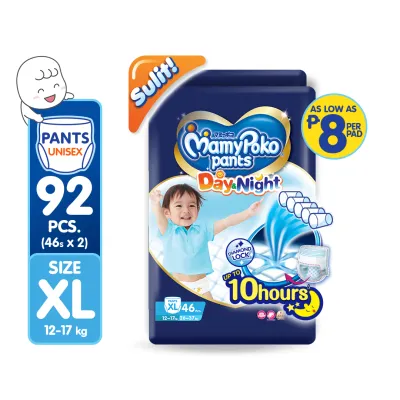
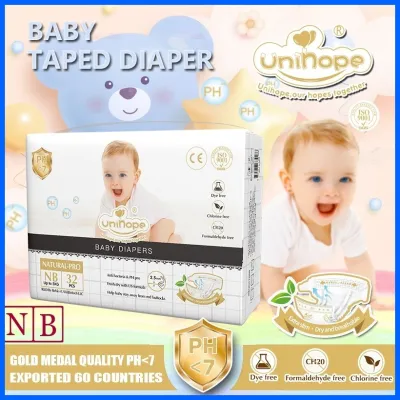
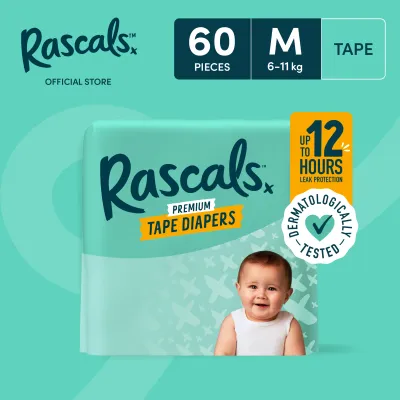
Prices are valid at publication and may change. Please refer to the product page for the latest price.
Ultimately, marketing claims and brand reputation do not guarantee a perfect match for your baby’s unique physiology. A diaper that works wonderfully for a neighbor’s infant might cause leaks or red marks on yours. By treating brand descriptions as a starting point rather than an absolute guarantee, you can approach the selection process with a practical, observational mindset.
Comparing Absorbency: Matching Capacity to Wetting Patterns
Absorbency is arguably the most critical function of any disposable diaper, especially in warm, tropical climates where trapped moisture can quickly lead to skin irritation. To evaluate the absorbency of Pyrenva, Pampers, Equator, and Huggies, start by looking at the absorbent core technologies listed on their packaging. Modern diapers typically use a mix of fluff pulp and superabsorbent polymers. Some brands feature specialized channel designs that distribute liquid evenly across the core, preventing the diaper from sagging in one spot, while others rely on a centralized absorbent zone.

When choosing between these brands, it helps to establish a checklist that matches the diaper’s capacity to your baby’s daily wetting patterns. For daytime use, you might prioritize a lighter, more breathable diaper that accommodates frequent changes. For overnight use, you will want to look for packaging that explicitly claims extended protection or higher capacity. Additionally, wetness indicators—lines on the outside of the diaper that change color when wet—are highly useful features to look for, as they help you monitor wetness without needing to open the diaper.
To assess real-world absorbency, monitor how each diaper behaves during use. Look for signs of heavy sagging, surface dampness on your baby’s skin during changes, or leaks around the edges. If a diaper feels damp to the touch on the inside after only a short period, or if you notice gel-like particles on your baby’s skin, it may indicate that the absorbency level or the core design is not matching your baby’s wetting volume.
Evaluating Fit and Leak Protection for Different Body Shapes
A diaper can have excellent absorbency, but if the fit is incorrect, leaks and blowouts are inevitable. Babies come in all shapes and sizes—some have round bellies, while others have long torsos or chunky thighs. Consequently, Pyrenva, Pampers, Equator, and Huggies will fit different babies in different ways based on their unique cuts and elastic structures.
When examining a diaper’s design, pay close attention to the waistband elasticity and the flexibility of the fastening tabs. A high-quality waistband should stretch comfortably to accommodate your baby’s tummy as it expands after feeding, without leaving deep red marks. The fastening tabs should be strong enough to stay secure during active play but flexible enough to move with your baby’s body. If the tabs are too stiff, they can dig into the skin; if they lack grip, the diaper may sag and gap at the waist.
Leg cuff design is another crucial element for leak prevention, particularly for active babies. Look for diapers that feature double leg gussets—an inner barrier that sits snug against the thigh and an outer ruffled cuff. These double barriers are essential for containing liquid and runny stools. When putting the diaper on, always perform a quick manual check: use the “two-finger rule” by sliding two fingers easily inside the waistband to ensure it is not too tight, and run your finger around the leg openings to make sure the outer ruffled cuffs are pulled fully outward rather than tucked inside.
Assessing Comfort and Skin Health: Materials and Breathability
In humid environments, maintaining skin health is a constant challenge for parents. The materials used in Pyrenva, Pampers, Equator, and Huggies play a significant role in how comfortable the diaper feels and how well it protects your baby’s delicate skin barrier. When comparing these brands, check the product labels for hypoallergenic claims, fragrance-free options, and the presence of soothing lotion coatings on the inner lining.
Breathability is particularly vital for preventing heat rash and diaper dermatitis. Look for diapers that feature micro-pores or breathable backsheets, which allow hot air and moisture vapor to escape while keeping liquid contained. A diaper with poor breathability traps heat and humidity, creating a breeding ground for bacteria and yeast. You can often feel the difference in breathability by observing if your baby’s skin feels unusually hot or sweaty during diaper changes.
While material technology is highly beneficial, it is important to remember that no diaper can replace the necessity of frequent changes. Even the most breathable, premium diaper will cause irritation if left on too long. Regular changes, gentle wiping, and allowing the skin to air-dry completely before putting on a new diaper remain the most effective defenses against diaper rash, regardless of which brand you choose.
Decision Framework: Which Diaper Suits Your Baby Best?
To decide which diaper brand to purchase, it is helpful to establish a clear decision framework based on your family’s specific priorities and your baby’s daily routine. Because diaper needs change as your baby grows, your preferred brand may also shift over time.
Consider the following conditional guidelines to help narrow down your choices:
- If your primary goal is uninterrupted overnight sleep, prioritize a brand or specific product line that emphasizes high-capacity absorbent channels and extended dryness claims.
- If you are managing a tight household budget and change diapers very frequently during the day, look for a brand that offers budget-friendly bulk packaging with reliable basic leak guards.
- If your baby is highly active, crawling, or walking, focus on options that feature highly flexible fastening tabs and robust double leg gussets to prevent leaks during movement.
Verify first if your baby has extremely sensitive skin, unusual body proportions, or a history of frequent blowouts. For sensitive skin, look for explicit “fragrance-free” and “hypoallergenic” labels. If your baby has thicker thighs, you may need to size up or choose a brand known for wider leg openings.
Before committing to large, bulk boxes of Pyrenva, Pampers, Equator, or Huggies, it is highly recommended to purchase small trial packs. Testing a small quantity allows you to observe how the diaper fits your baby’s unique shape, how their skin reacts to the materials, and how well the absorbency holds up under real-world conditions without risking a significant financial investment.
Frequently Asked Questions (FAQ)
How do I know if a diaper is too small or too big for my baby?
You can identify a poorly fitting diaper through several clear physical signs. If a diaper is too small, you will typically notice deep red marks or indentations on your baby’s thighs or waist, frequent leaks even when the diaper is not fully saturated, or the waistband sitting far below the belly button. Conversely, if a diaper is too big, you will see visible gaping around the legs or waist, the diaper sagging heavily even when empty, or the fastening tabs overlapping completely at the center of the waistband.
Can I mix different diaper brands for daytime and nighttime use?
Yes, mixing different diaper brands is an excellent and highly practical strategy for many families. Many parents choose to use more affordable, lightweight, and highly breathable diaper options for daytime hours when changes are frequent and easily managed. They then reserve higher-capacity, premium diaper lines—which may be more expensive—specifically for nighttime use to ensure the baby remains dry and comfortable for longer stretches of sleep.

Community discussion
Share your experience or ask a question. Comments are reviewed before publication.