
When diapering a baby in a warm climate, managing sweat and moisture is a constant task. Applying baby powder helps keep delicate skin folds dry, but the method of application matters immensely. A pump dispenser generally offers the most mess-free, hygienic, and controlled application for diaper changes. Traditional powder puffs provide a soft, targeted application but require frequent washing to prevent bacterial build-up. Classic shaker tops are highly accessible and budget-friendly, but they carry a significant risk of creating airborne powder clouds and causing accidental spills.
The best choice for your nursery depends on whether you prioritize maximum hygiene and one-handed control, a soft and traditional tactile experience, or simple cost-effectiveness. In the tropical climate of the Philippines, high humidity and heat make powder application a common daily routine to prevent chafing and heat rash. Finding a reliable lagayan ng polbo (powder container) that keeps moisture out while ensuring a clean, safe application is essential for maintaining a comfortable nursery environment.
Comparing the Top 3 Baby Powder Containers
To choose the right container, it helps to understand how each option performs under pressure on the diaper changing table. Each design has distinct mechanics that affect how much powder is released, how much dust enters the air, and how easy it is to use while keeping a baby secure.
Products mentioned in this guide
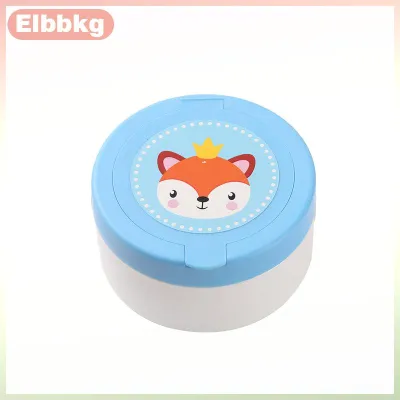
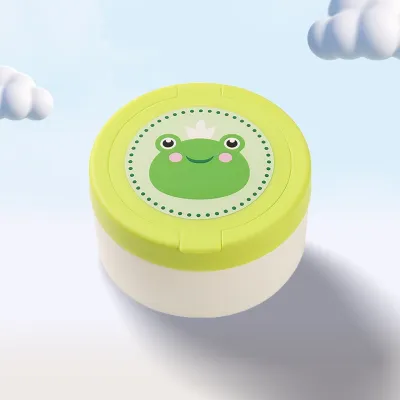
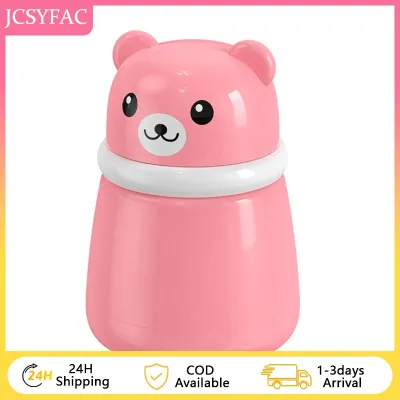
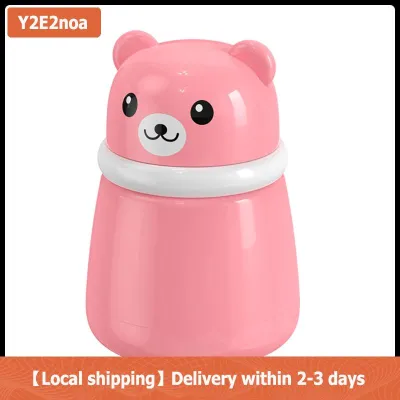
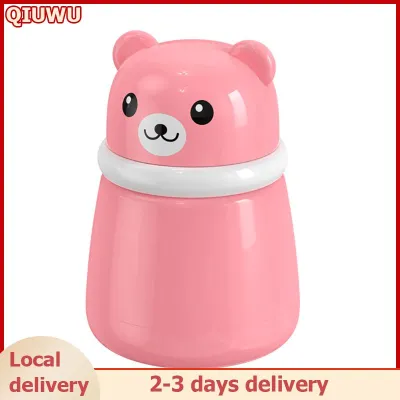
Prices are valid at publication and may change. Please refer to the product page for the latest price.
Powder Puffs: The Traditional Choice
A traditional powder puff setup consists of a soft, plush fabric disc that sits inside a wide-mouthed jar. To apply the powder, you press the puff into the reservoir, tap off any excess, and gently pat it onto the baby’s skin. This method is highly valued for its gentle, soothing feel, which many babies find comforting during a diaper change.
- Pros: Excellent for highly targeted application. Because you are patting the powder directly onto the skin rather than shaking it from a distance, you can place the product exactly where it is needed, such as in the thigh creases or under the neck. This direct contact minimizes the amount of powder that becomes airborne, reducing the risk of inhalation.
- Cons: High maintenance and hygiene risks. In a humid environment, the soft fabric of the puff easily absorbs residual sweat, skin oils, and ambient moisture. If you place a damp puff back into the sealed jar, it quickly becomes a breeding ground for bacteria and mold. Additionally, operating this setup requires two hands—one to hold the jar and another to manipulate the puff—which can be challenging if your baby is actively rolling or wiggling.
- Best For: Caregivers who prefer a classic, gentle application method and are fully committed to regular laundering and sanitizing of the puff.
Shaker-Top Containers: The Classic Standard
The shaker-top container is the most common design, featuring a plastic bottle with a rotating or flip-open perforated lid. You tilt the bottle and shake or squeeze it to dispense the powder directly onto your hands or the baby’s skin. This is the default packaging for almost all commercial baby powders sold in local supermarkets and pharmacies.
- Pros: Inexpensive and immediately ready to use. There is no need to purchase a separate dispenser or transfer the powder into another vessel, which eliminates the risk of contamination during a transfer. It is a straightforward, no-frills option that requires no assembly or mechanical maintenance.
- Cons: High risk of creating a hazardous powder cloud. Squeezing or shaking the bottle forcefully releases a plume of fine dust into the air, which can easily be inhaled by both the caregiver and the infant. It is also difficult to control the exact amount of powder dispensed, often resulting in excessive product waste and a messy changing table. If the bottle is accidentally knocked over with the lid open, the contents will spill out instantly.
- Best For: Caregivers on a budget who only use powder occasionally and are highly experienced in shielding the baby's face from airborne dust.
Pump Dispensers: The Modern Mess-Free Option
A pump dispenser is a modern, refillable container equipped with a specialized spray nozzle designed specifically for dry powders. When you press the pump, it utilizes air pressure to deliver a fine, localized mist of powder directly to the target area. This design has gained significant popularity among parents looking for a cleaner, safer diapering routine.
- Pros: True one-handed operation. This is a critical safety feature, as it allows you to keep one hand firmly on your baby at all times to prevent falls while using your other hand to dispense the powder. The pump mechanism provides a highly controlled dosage, ensuring you only use what is necessary. It also keeps the remaining powder completely sealed inside the bottle, protecting it from humid air and preventing clumping.
- Cons: Susceptible to clogging. If the powder is exposed to moisture or if you use a particularly dense, heavy formula, the fine nozzle of the pump can easily become blocked. Pump dispensers are also more expensive than other options and require occasional cleaning of the nozzle to ensure a smooth spray.
- Best For: Caregivers who prioritize a clean, dust-free nursery, one-handed convenience, and a minimized risk of powder inhalation.
Key Decision Factors for a Mess-Free Diaper Change
When choosing between these three containers, it is important to look beyond basic aesthetics and evaluate how they perform during a real-world diaper change. Several practical factors should guide your decision to ensure safety, hygiene, and ease of use.

- Mess and Spill Control: Diaper changes can be chaotic, and accidental spills are common. A knocked-over shaker bottle can leave a large mess on your changing pad and floor, requiring immediate cleanup while you are trying to dress your baby. In contrast, pump dispensers and lidded puff jars are much more secure, minimizing the risk of accidental spills if they are tipped over during a hectic moment.
- Airborne Dust and Inhalation Risk: The safety of your baby's respiratory system is paramount. Pediatric guidelines strongly advise against exposing infants to airborne powder clouds, as inhaling fine particles can cause respiratory irritation and lung discomfort. Shaker bottles are the most prone to creating these clouds, while pump dispensers and puffs keep the powder localized, significantly reducing the amount of dust that enters the air.
- One-Handed Usability: Infant safety on the changing table requires constant vigilance. A baby can roll over in a split second, making it essential to keep one hand on them at all times. A pump dispenser excels in this area, allowing you to operate it entirely with one hand. Traditional puffs and shaker bottles often require two hands to open, apply, or recap, which can distract your attention and increase the risk of accidents.
- Hygiene and Maintenance: The tropical climate of the Philippines brings high humidity, which poses unique challenges for powder storage. Moisture can cause powder to clump, rendering shaker tops useless and clogging pump nozzles. Furthermore, powder puffs that come into contact with skin moisture must be washed frequently to prevent bacterial growth, whereas pump dispensers keep the bulk of the powder sealed away from external contamination.
How to Choose the Right "Lagayan ng Polbo" for Your Nursery
Selecting the perfect lagayan ng polbo involves matching your daily routine, budget, and safety priorities with the right container design. Use this conditional framework to make your final decision:
- Choose a Pump Dispenser if: You want a clean, dust-free nursery, value the safety of one-handed operation, and want to strictly minimize the risk of your baby inhaling airborne powder.
- Choose a Powder Puff if: You prefer a traditional, soft application method, want to avoid plastic pump mechanisms, and are committed to washing and drying the puff on a regular schedule.
- Choose a Shaker-Top if: You are looking for a simple, budget-friendly solution, only use powder occasionally, and can ensure your baby's face is completely shielded from dust during application.
- Verify First: Before purchasing a container or transferring your powder, check the manufacturer's recommended dispensing method. Heavy cornstarch-based powders have a thicker texture that may clog fine pump nozzles, whereas light, talc-free formulas flow more easily. Always ensure the receiving container is completely dry and clean before filling it to prevent clumping.
You can find these various dispensing options at local baby specialty stores, major pharmacies, or reputable online marketplaces. When shopping online, look for verified customer reviews to ensure the pump mechanism or puff quality meets your expectations.
Safe Application and Storage Rules for Baby Powder
Regardless of the container you choose, practicing safe application and storage is essential to protect your baby’s health and maintain the quality of the powder.
- Inhalation Prevention: Never shake or pump powder directly onto your baby's body. Instead, dispense a small amount of powder into your own hand or onto a clean cloth away from the baby's face. Rub your hands together to distribute the powder, and then gently pat it onto the baby's skin folds. This technique ensures a thin, even layer while keeping the powder far away from your baby's nose and mouth.
- Pediatric Consultation: Always consult your pediatrician before introducing baby powder to your diapering routine, especially for newborns or babies with respiratory sensitivities. Many pediatricians recommend using barrier creams instead of powder to prevent diaper rash. If you notice any redness, irritation, or skin breakdown, stop using the powder immediately and seek professional medical advice.
- Storage in Humid Climates: To prevent clumping and bacterial growth, store your lagayan ng polbo in a cool, dry place. Avoid keeping it in the bathroom where steam from showers can compromise the powder's quality. Keep the container tightly sealed when not in use to protect it from ambient humidity.
Frequently Asked Questions (FAQ)
Can I transfer regular shaker powder into a pump dispenser?
Yes, you can transfer standard powder into a pump dispenser, but you must verify the powder’s texture first. Finely milled, talc-free powders or light cornstarch blends work best. Heavy, coarse powders may clog the internal pump mechanism. Before transferring, ensure the pump container is thoroughly cleaned, sanitized, and completely dry, as even a single drop of moisture can cause the powder to clump and ruin the pump.
How often should I wash a baby powder puff?
You should wash a baby powder puff after every three to four uses, or immediately if it becomes damp, soiled, or falls onto the floor. Because the puff comes into direct contact with the baby’s skin, it easily absorbs moisture and skin oils, which can lead to bacterial growth in humid climates. Wash it using a gentle, hypoallergenic baby detergent, rinse it thoroughly with warm water, and let it air-dry completely in a well-ventilated area before putting it back into the container.
Community discussion
Share your experience or ask a question. Comments are reviewed before publication.