
Choosing the right growing-up milk for your three-year-old is a highly individualized decision that requires looking beyond eye-catching packaging and television advertisements. As toddlers transition from a primarily liquid diet to solid foods, their nutritional needs shift dramatically. Promil Gold 3+, Nido 3+, and Enfagrow 4 are three of the most prominent options available to parents in the Philippines, each offering a distinct formulation designed to supplement a growing child’s daily intake.
There is no single “best” formula milk that fits every child universally. Instead, the most suitable choice depends on your toddler’s specific dietary gaps, taste preferences, digestive tolerance, and your household budget. By learning how to read product labels objectively, calculate the true cost per serving, and observe your child’s physical response, you can confidently select a milk that supports their development during this critical preschool stage.
Identifying Your 3-Year-Old's Nutritional Needs
By the age of three, a toddler’s primary source of nutrition should come from diverse, balanced solid foods, including fruits, vegetables, grains, and proteins. Growing-up milk, often referred to as stage 3 or stage 4 formula, is not meant to replace these meals. Instead, its primary purpose is to act as a safety net or nutritional supplement, filling in the micro and macronutrient gaps that may occur due to picky eating habits or transitional dietary phases.
Products mentioned in this guide
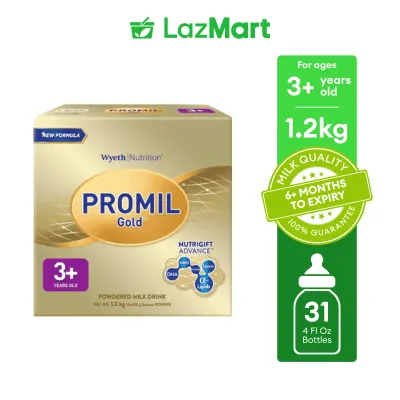


Prices are valid at publication and may change. Please refer to the product page for the latest price.
At this developmental stage, toddlers undergo rapid physical and cognitive growth, which increases their daily requirements for specific nutrients. Common nutritional gaps in three-year-olds often include iron, calcium, zinc, and essential vitamins like Vitamin D and Vitamin C. In tropical environments like the Philippines, ensuring consistent intake of these fortified nutrients helps support a child’s overall immune system and bone development as they engage in more active, outdoor play.
Before deciding on a specific brand or even choosing to use a growing-up milk, it is highly recommended to consult your pediatrician. A qualified healthcare professional can evaluate your child’s growth chart, assess their current solid food intake, and determine if they require a fortified formula or if standard whole cow’s milk is sufficient. This step is crucial to avoid over-supplementation and to ensure you are addressing your child’s actual physiological needs.
How to Compare Promil Gold 3+, Nido 3+, and Enfagrow 4
To make an objective comparison between Promil Gold 3+, Nido 3+, and Enfagrow 4, you must look directly at the manufacturer’s product labels. Marketing claims on the front of the tin can be overwhelming, but the Nutrition Information panel and the ingredients list on the back provide the verifiable facts you need. Comparing these specifications allows you to see exactly what your child is consuming per serving.

Essential Nutrients to Verify on the Label
When holding the tins of Promil Gold 3+, Nido 3+, and Enfagrow 4, the first step is to compare the exact amounts of key developmental nutrients listed per 100 grams or per serving. Look closely at the levels of Docosahexaenoic Acid (DHA) and Arachidonic Acid (ARA), which are fatty acids commonly associated with brain development. Because formulations change periodically, verifying the current milligram count on the physical packaging is the only way to ensure accurate comparison.
Next, examine the levels of essential minerals and vitamins, specifically iron, calcium, and zinc. Iron supports healthy blood cell production and cognitive function, while calcium and zinc are vital for bone growth and immune support. Note the percentage of the Recommended Energy and Nutrient Intakes (RENI) that one serving of each milk provides for a three-year-old child, as this helps you understand how much of their daily requirement is met by a single glass.
Another critical factor to check is the presence of added sugars and carbohydrates. Look at the ingredients list for terms like sucrose, corn syrup solids, maltodextrin, or lactose. While lactose is the naturally occurring sugar found in milk, other added sugars are often used to enhance flavor or alter texture. If you prefer to limit your child’s intake of added sugars, choose a formulation where lactose is the primary carbohydrate source.
Finally, verify the exact age grading printed on the container. Promil Gold 3+ and Nido 3+ are specifically formulated for children aged three years and older. Enfagrow 4, on the other hand, is designed for children aged three to five years. Ensure that the stage and age range specified by the manufacturer align precisely with your child’s current age to guarantee they receive a formulation tailored to their developmental bracket.
Taste, Texture, and Digestibility Considerations
Even the most nutritionally advanced formula is of no value if your toddler refuses to drink it. Children at age three are developing distinct taste preferences and can be highly sensitive to changes in flavor and texture. Some growing-up milks have a rich, creamy, or slightly sweet taste, while others are more neutral. Introducing a small tin first allows you to observe whether your child accepts the flavor profile before you invest in larger quantities.
Digestive tolerance is equally important to monitor when introducing or transitioning to a new milk brand. Keep a close eye on your child for any signs of digestive discomfort, such as bloating, excessive gas, abdominal pain, loose stools, or constipation. If your child shows persistent signs of physical discomfort or skin rashes after consuming a specific milk, they may have an underlying sensitivity to certain proteins or lactose levels, requiring a prompt consultation with their pediatrician.
Preparation and solubility also play a practical role in your daily routine. In the warm and highly humid climate of the Philippines, milk powder can easily absorb moisture, leading to clumping inside the tin or difficulty dissolving in water. When preparing a bottle or cup, observe how easily the powder dissolves in lukewarm water. Powders that dissolve smoothly without leaving heavy residue or clumps help ensure consistent nutrient delivery and make cleaning feeding utensils much easier.
Evaluating Cost and Value per Serving
Maintaining a consistent supply of growing-up milk represents a significant, ongoing financial commitment for many families. To determine the true cost-efficiency of Promil Gold 3+, Nido 3+, and Enfagrow 4, you should look beyond the retail price of the tin. A larger, more expensive tin may actually offer better value if it requires fewer grams of powder per serving, or if it yields more total servings than a cheaper, smaller alternative.
To calculate the true cost per serving, use the following simple formula based on the preparation instructions printed on the packaging:
- Identify the total net weight of the tin in grams (e.g., 900g).
- Find the recommended weight of powder required for a single serving (usually calculated by multiplying the weight of one scoop by the number of scoops required per glass).
- Divide the total net weight of the tin by the weight of a single serving to find the total number of servings per tin.
- Divide the retail price of the tin by the total number of servings to find the exact cost per serving.
Using this calculation allows you to compare the three brands on an equal financial footing, regardless of differences in packaging sizes.
When purchasing your chosen formula, look for authorized physical supermarkets or official online flagship stores on reputable e-commerce platforms. Buying from official channels ensures product authenticity, which is critical for your child’s safety. While online marketplaces often offer bundle deals, bulk discounts, or subscription savings, always verify the expiration dates of the products before finalizing a bulk purchase. In tropical climates, ensure you only buy what your child can realistically consume before the product expires or spoils due to humidity.
Decision Framework: Choosing the Right Formula
To finalize your decision among Promil Gold 3+, Nido 3+, and Enfagrow 4, use a structured framework that balances your child’s specific needs with practical household factors. No single brand is a universal winner; the right choice is the one that aligns with your verified findings and your pediatrician’s guidance.
- Consider Promil Gold 3+ if: Your child's pediatrician recommends a focus on specific nutrient blends, your child readily accepts its distinct taste profile, and the cost per serving fits comfortably within your family's monthly budget.
- Consider Nido 3+ if: You are looking for a widely accessible, budget-friendly option that provides essential daily fortification, and your child prefers its specific flavor and texture.
- Consider Enfagrow 4 if: You prefer a stage-specific formulation designed specifically for the preschool years (ages 3 to 5), your child's doctor recommends its nutrient ratios, and you are comfortable with its cost per serving.
If your child has a known or suspected food allergy, lactose intolerance, or any underlying medical condition, do not rely on standard growing-up formulas. Stop use immediately and consult a qualified pediatrician or pediatric gastroenterologist. They can prescribe a specialized, hypoallergenic, or lactose-free formula tailored to your child’s medical requirements, ensuring their growth remains safely on track.
Frequently Asked Questions (FAQ)
Can I mix two different brands of formula milk together?
Mixing two different brands of formula milk powder in the same serving is not recommended. Each brand is scientifically formulated with a precise balance of proteins, fats, carbohydrates, vitamins, and minerals designed to be dissolved in a specific volume of water. Combining different powders can alter the intended nutrient concentration and osmolarity of the feed, which may place unnecessary strain on your toddler’s developing kidneys and digestive system.
If you are transitioning your child from one brand to another, it is safer to use a gradual transition method. Instead of mixing the powders together, replace one full feeding per day with the new brand. Over the course of several days to a week, slowly increase the number of new feeds while phasing out the old brand, carefully monitoring your child’s digestion and stool consistency during the process.
How long can I keep prepared formula milk at room temperature?
Prepared formula milk should generally not be kept at room temperature for more than one hour. In warm, humid tropical climates like the Philippines, bacteria can multiply very rapidly in reconstituted milk, increasing the risk of foodborne illness or digestive upset for your toddler. If your child does not finish their cup or bottle within one hour of preparation, discard the remaining milk rather than saving it for later.
To ensure maximum safety and hygiene, always prepare the milk immediately before feeding. Carefully read and follow the specific storage, preparation, and disposal instructions printed on the product’s packaging, as guidelines can vary slightly between manufacturers. Keep unused powder sealed tightly in a cool, dry place to protect it from humidity and pests.

Community discussion
Share your experience or ask a question. Comments are reviewed before publication.