
Transitioning a baby from a crib to a larger bed is a significant developmental milestone, but it introduces new safety challenges. Many parents install bed side railings to prevent falls, yet an improperly fitted rail can create a hidden and severe hazard: entrapment. If a gap opens between the protective rail and the mattress, a baby can easily slip into the space, leading to a dangerous situation where their head, neck, or torso becomes wedged.
To prevent your baby from getting trapped, the bed side railings must remain completely flush against the mattress under all conditions. Achieving this secure fit requires selecting compatible equipment, strictly following the manufacturer’s installation manual, and performing regular physical checks to catch shifting or wear before it becomes a hazard. In tropical climates like the Philippines, high humidity can affect the tension of fabric straps and the firmness of certain foam mattresses over time, making routine inspections even more critical for your child’s safety.
Why Gaps Form Between Bed Rails and Mattresses
Understanding the mechanical reasons behind gap formation is the first step in preventing them. Gaps typically develop due to mattress shifting, incompatible bed frame sizes, or improper anchoring of the rail system. When a baby rolls or leans against the side of the bed, their concentrated body weight exerts lateral pressure. If the mattress is not securely held within the bed frame, or if the rail is not anchored tightly, the mattress will slide away from the rail, opening a dangerous void.
Products mentioned in this guide
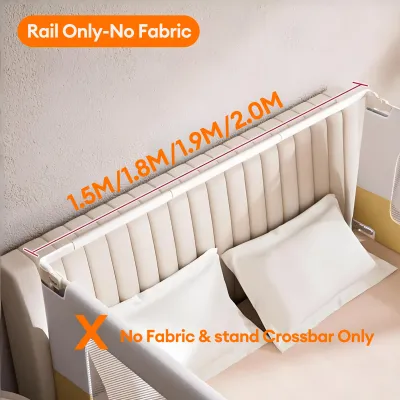
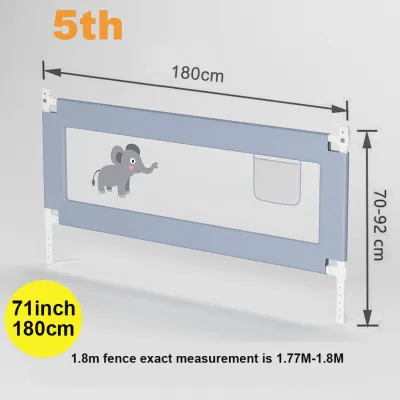
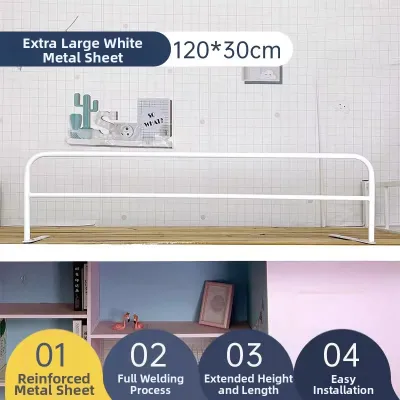
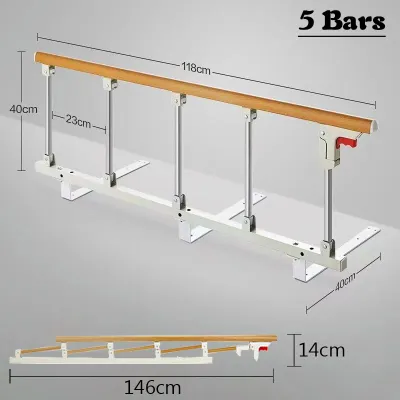
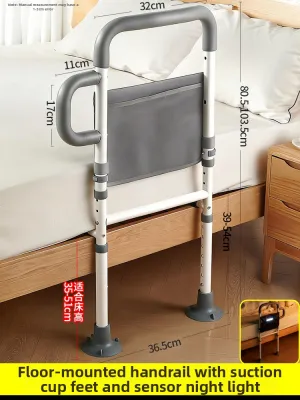
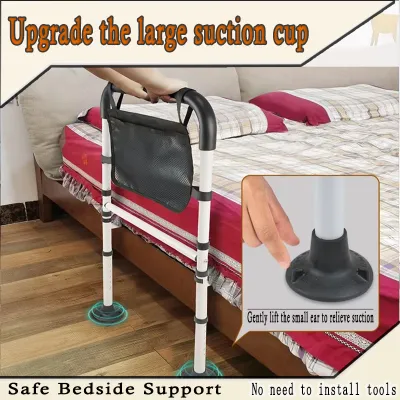
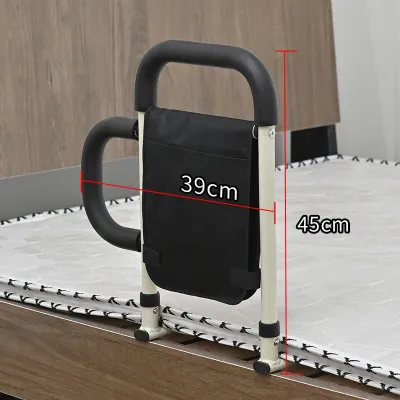
Prices are valid at publication and may change. Please refer to the product page for the latest price.
In many households, mattresses rest on smooth wooden platform beds or native slatted frames that lack a deep, recessed lip. Without a physical barrier to keep the mattress from sliding laterally, even a highly secure bed rail can become separated from the mattress edge. Furthermore, using a bed rail designed for a standard box spring on a platform bed—or vice versa—prevents the anchoring straps from securing the rail at the correct angle, leading to structural instability.
These physical spaces create critical entrapment zones that pose severe risks to infants. Because a baby’s head is proportionally larger and heavier than their body, they can easily slide torso-first into a gap, leaving their head or neck wedged between the rigid rail frame and the mattress. This position can compress the chest and restrict breathing, or cut off the airway entirely.
It is vital to differentiate between designed breathable mesh panels and hazardous structural gaps. High-quality bed side railings often feature soft, breathable mesh panels designed to allow airflow if a baby’s face presses directly against them. However, these mesh panels only function safely when the entire rail frame is pressed tightly against the mattress. A structural gap—the physical space between the rail’s rigid frame and the mattress side—is a mechanical hazard that breathable fabric cannot resolve.
How to Inspect Your Bed Side Railings for Hidden Gaps
Regular physical inspections are essential to ensure your sleep setup remains safe over time. To perform a thorough check, start at the base of the rail where it meets the mattress surface. Press your hand firmly down along the entire length of the rail, checking for any pocket or opening that appears under downward pressure. If you can easily insert more than two fingers between the rail and the mattress, the setup is unsafe and requires immediate adjustment.

Next, verify the firmness and dimensions of your mattress. A soft mattress, or one that has softened due to heat and humidity, can compress easily when a baby rolls against the edge, creating a temporary gap that might not be visible when the bed is empty. Ensure the mattress dimensions perfectly match the bed frame to prevent peripheral shifting. If the mattress can slide even an inch or two within the frame, it is highly likely to create an entrapment hazard during the night.
Finally, examine the rail’s locking mechanisms, hinges, and under-mattress anchor straps. Daily use, bed-making, and a child’s movement can gradually loosen the tension of anchor straps. Inspect the straps under the mattress to ensure they are pulled taut and locked securely. Check all plastic or metal hinges for signs of wear, cracking, or bending that could allow the rail to lean outward when weight is applied.
Actionable Steps to Eliminate Dangerous Gaps
To eliminate dangerous gaps, you must focus on proper anchoring techniques under the mattress. Always refer to the specific manufacturer’s manual for your model of bed side railings, as installation methods vary. Most modern rails utilize a strap-and-plate system that anchors to the opposite side of the bed frame or box spring. Ensure the anchor plate is pulled tight against the opposite side of the mattress, drawing the rail firmly and flatly against the active side of the bed.
Once installed, perform the “push and pull” test to verify the rail’s stability. Apply firm lateral pressure to the top and middle of the rail, simulating an active child leaning, pushing, or rolling against it. The rail should remain completely flush with the mattress, with no outward leaning or shifting. If the rail moves outward by more than a few millimeters, the anchoring straps must be retightened, or the setup must be re-evaluated for compatibility.
If you discover a persistent gap, do not attempt to resolve it with makeshift gap fillers. Placing rolled-up blankets, towels, pillows, or pool noodles between the mattress and the rail is highly dangerous. These soft items can easily be pushed out of the way by a moving baby, creating a double hazard of entrapment and suffocation. If a gap exists, use only manufacturer-approved, rigid accessories specifically designed for your exact rail model, or discontinue use immediately.
Caregivers must also verify that the bed rail is suitable for the child’s specific age, weight, and developmental stage as outlined in the product documentation. Never assume a rail is safe based on its name or appearance alone. Continuous caregiver supervision and daily checks of the anchoring system are necessary to maintain a safe sleeping environment.
When to Stop Using a Bed Rail for Your Baby's Safety
Bed side railings are temporary safety measures, not permanent fixtures, and there comes a time when they must be retired. You should stop using a bed rail as soon as your child reaches developmental milestones that increase fall or entrapment risks. For example, if your baby attempts to climb over the rail, or if they are able to pull themselves up to a standing position using the rail for leverage, the risk of a fall from a greater height increases significantly.
Additionally, immediate discontinuation is required if you observe persistent signs of equipment failure or structural incompatibility. If the anchor straps consistently lose tension, if the locking mechanisms fail to click securely into place, or if the mattress has softened to the point where gaps keep reappearing, the setup is no longer safe. Do not attempt to repair a broken or worn-out bed rail with DIY hardware, ropes, or zip ties, as these modifications can fail unexpectedly.
When a bed rail setup is no longer viable, consider safe sleep transition alternatives. A highly effective option is transitioning to a floor bed setup, which is popular in modern, minimalist households. Placing a firm mattress directly on a clean floor or a low-profile slatted floor base eliminates the risk of high falls and entrapment entirely. Alternatively, you can transition your child to a dedicated toddler bed featuring low, integrated safety sides that have been structurally tested and built into the frame by the manufacturer.
Frequently Asked Questions (FAQ)
Is It Safe to Use Blankets or Towels to Fill Bed Rail Gaps?
No, it is highly unsafe to use blankets, towels, pillows, or any other soft, makeshift materials to fill gaps between a bed rail and a mattress. These items do not provide structural support and can easily be compressed or pushed aside by a sleeping baby. If a baby’s face becomes pressed against a soft blanket or towel, it poses a severe suffocation hazard. Furthermore, these materials can trap heat and moisture, creating an uncomfortable and unsafe sleeping environment. Always consult your bed rail’s instruction manual for approved, rigid gap-filling accessories. If no approved solution is available and a gap remains, stop using the rail immediately.
Do Mesh Bed Side Railings Prevent Entrapment Better Than Solid Rails?
Mesh bed side railings do not inherently prevent structural entrapment better than solid wooden or metal rails. While the mesh fabric itself is breathable and reduces suffocation risks if a baby presses their face directly against a properly installed rail, the fabric can stretch or sag over time, especially in warm, humid climates. This stretching can allow a gap to form if the frame is not securely anchored. Ultimately, preventing entrapment depends on proper installation, exact size compatibility, and maintaining a tight, secure fit against the mattress, regardless of whether the rail is made of mesh, wood, or metal. Always verify that your chosen product complies with current safety standards and check for active product recalls before use.
Community discussion
Share your experience or ask a question. Comments are reviewed before publication.