
When baby-proofing your home, choosing the right door fence—often called a baby gate—is one of the most critical decisions you will make to protect your crawling or walking child. The core safety answer depends entirely on where you plan to install the barrier. For high-risk areas like the top of a stairway, a hardware-mounted door fence is the only safe choice because it is physically anchored to the wall structure and cannot be pushed over. For lower-risk zones like flat doorways, the bottom of the stairs, or kitchen entryways, a pressure-mounted door fence offers a convenient, damage-free alternative, provided you install it on a sturdy frame and regularly check its tension.
Understanding the Core Differences Between Mounting Types
To make an informed decision, you must first understand how these two mounting systems function mechanically. A pressure-mounted door fence relies on outward tension to stay in place. It features adjustable pressure screws or spring-loaded mechanisms on each corner that push outward against the door frame or walls. Soft rubber or silicone friction pads on the ends grip the surface to prevent slipping. Because this setup requires no drilling, you can install and remove it in minutes without leaving permanent holes, making it highly popular for temporary setups or rental properties.
In contrast, a hardware-mounted door fence is physically screwed into the structural framing of your home. This installation requires drilling holes into your wooden door frames, wall studs, or masonry walls, then securing the gate hinges and latch brackets with heavy-duty screws and wall anchors. Once installed, the gate operates like a swinging door, pivoting on its anchored hinges.
Products mentioned in this guide
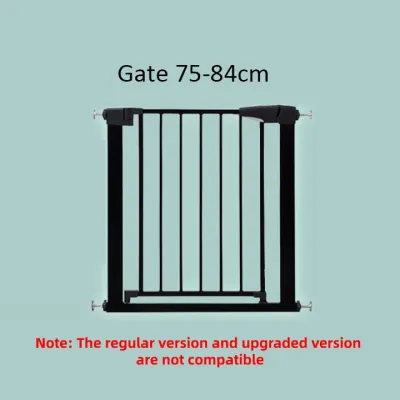
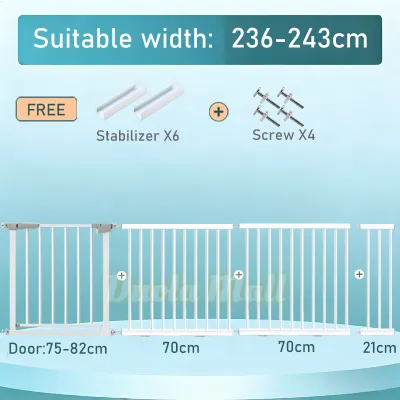
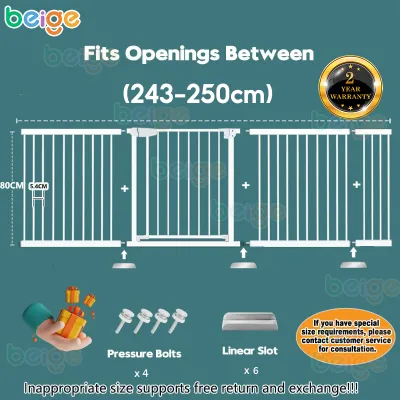
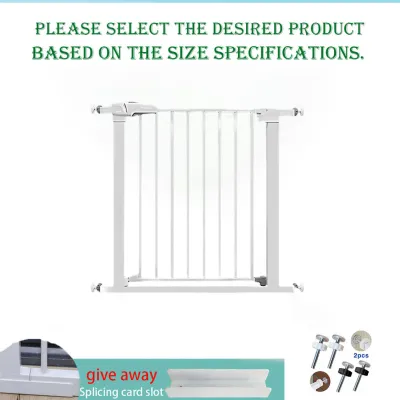
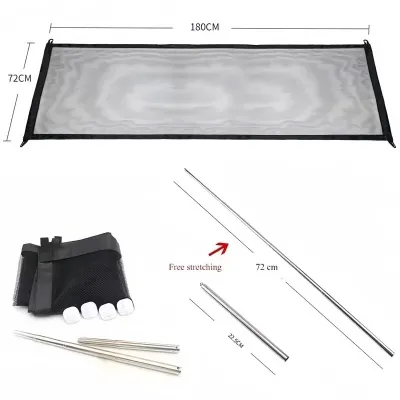
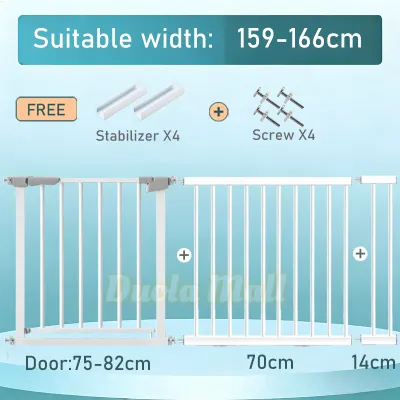
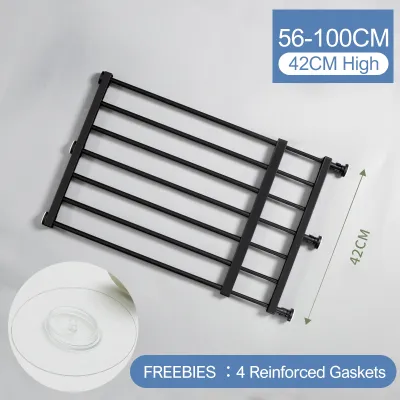
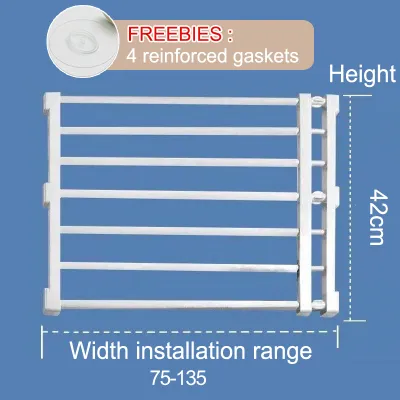
Prices are valid at publication and may change. Please refer to the product page for the latest price.
The structural differences between these two designs directly impact their stability and weight-bearing capacity. A pressure-mounted gate is held in place solely by friction. If a heavy toddler runs into it, or if a child pulls themselves up using the bars, the gate can slide or dislodge completely. Furthermore, pressure-mounted gates almost always feature a solid bottom metal bar that remains on the floor even when the gate door is open. A hardware-mounted gate has no bottom threshold bar, eliminating a major tripping hazard, and its anchored screws provide superior resistance to sudden impacts and constant pushing.
Evaluating Safety for High-Risk Areas: Stairs vs. Kitchens
Stairways present the highest risk of serious fall injuries in a household, requiring strict adherence to safety principles. When securing the top of a staircase, you must never use a pressure-mounted door fence. If a child pushes against a pressure gate at the top of the stairs, the friction pads can slip, causing both the gate and the child to tumble down the steps. Additionally, the bottom threshold bar of a pressure gate is an extreme tripping hazard in this location; a caregiver carrying a baby could easily trip over the bar and fall down the stairs. Therefore, manufacturer warnings universally mandate hardware-mounted gates for top-of-stairs installations, ensuring the gate swings only toward the landing and never out over the steps.

At the bottom of the stairs, the safety requirements are slightly different. While a hardware-mounted gate is still the sturdiest option, a pressure-mounted gate is generally acceptable here. Because a fall at the bottom of the stairs is less severe than one from the top, the risk of a gate failure is lower. However, you must still ensure the pressure gate is mounted on the flat floor surface and not on a step, and that it is checked daily for tightness.
Kitchens present a different set of hazards, from hot appliances to sharp utensils and spilled liquids. Securing a kitchen entryway with a door fence keeps curious toddlers out of the cooking zone while allowing you to keep an eye on them. A pressure-mounted gate is often highly viable for kitchens, provided your door frame or wall structure is strong enough to withstand the constant tension. In tropical climates like the Philippines, high humidity can sometimes cause wooden door frames to swell or contract, which can slowly alter the tension of a pressure gate. You must regularly inspect the friction pads to ensure they have not become slick or loose. If your kitchen entry has a high-traffic floor transition, such as a raised tile threshold, be mindful of the bottom bar on a pressure gate, as carrying hot dishes over a potential trip hazard requires extra caution. Always check the product label and instruction manual to verify the gate’s push-force limits and approved locations before finalizing your setup.
Installation, Wall Damage, and Portability Trade-offs
Choosing between these two systems also involves balancing practical daily use, installation effort, and home preservation. Installing a hardware-mounted door fence requires a bit of handy work. You will need a drill, a level, a screwdriver, and measuring tape. If you are mounting the gate to concrete or hollow-block walls—which are very common in Philippine homes—you must use appropriate masonry drill bits and plastic wall anchors to ensure a secure hold. This process takes more time and precision, as misaligned brackets can prevent the gate latch from closing properly.
Pressure-mounted gates, on the other hand, are highly valued for their tool-free, adjustable setup. You simply turn the tension wheels until the gate is secure. This makes them incredibly portable. If you travel to visit family or need to temporarily block off a different room, you can uninstall the gate in seconds and reinstall it elsewhere. This portability is a major advantage for families who need a flexible safety barrier that can adapt to changing daily routines.
The trade-off for this convenience is wall damage. Hardware-mounted gates leave permanent screw holes in your walls or wooden door frames. For renters, this may require patching and painting before moving out, or obtaining prior permission from the landlord. While pressure-mounted gates do not leave holes, they can still damage your home. The intense outward pressure required to keep the gate secure can dent drywall, crack plaster, or leave unsightly scuff marks and adhesive residue from the rubber pads. Using wall protector cups can help distribute the pressure over a larger surface area, minimizing localized dents while maintaining the necessary friction.
Decision Framework: Which Door Fence Should You Choose?
To help you finalize your decision, use this practical framework based on your specific home layout and safety needs:
Choose a Hardware-Mounted Door Fence if:
- You are blocking off the top of any staircase.
- Your walls or mounting surfaces are uneven, angled, or lack flat parallel surfaces for tension pads.
- You want a gate with no bottom threshold bar to prevent tripping in high-traffic walkways.
- You require maximum push-force resistance for older, heavier, or highly active toddlers.
Choose a Pressure-Mounted Door Fence if:
- You are securing a flat doorway, hallway, or the bottom of a staircase.
- You live in a rental property where drilling holes into walls or door frames is strictly prohibited.
- You need a temporary barrier that can be easily packed, moved, or stored when not in use.
- You have solid, sturdy wooden or concrete door frames that can withstand continuous outward pressure without warping.
Verify First before buying or installing:
- Check the material strength of your door frames or walls; avoid mounting pressure gates on thin decorative molding or hollow vinyl frames.
- Measure your baseboard clearance, as thick baseboards can prevent a gate from sitting flush against the wall.
- Always read the manufacturer's safety warnings and instruction manual to confirm the gate is certified for your intended location and age range.
Frequently Asked Questions (FAQ)
Can I use a pressure-mounted door fence at the top of the stairs if I add a wall cup?
No, you should never use a pressure-mounted door fence at the top of the stairs, even if you use wall cups or adhesive pads. Wall cups can improve stability in standard doorways, but they do not turn a pressure gate into a hardware-anchored system. The structural risk remains: a child’s full body weight pushing or falling against the gate can still dislodge it, and the bottom threshold bar remains a dangerous trip hazard at the edge of the steps. For the top of the stairs, hardware mounting is the only safe and approved option.
How do I measure my doorway to ensure the door fence fits securely?
To ensure a secure fit, use a metal measuring tape to measure the width of the opening at three distinct points: the floor level, the middle, and the top height of the gate (typically around 75 centimeters high). Doorways and hallways are rarely perfectly square, and these three measurements will help you identify any slants. Account for any baseboards, decorative trim, or quarter-round molding that might reduce the actual clearance at the bottom. Use these measurements to select a gate that fits your narrowest width, and check if you need to purchase compatible extensions or adjust the individual tension screws to compensate for uneven walls.
Community discussion
Share your experience or ask a question. Comments are reviewed before publication.